Home Blog Page 1461

Barbados cracks down on financial crimes by foreigners

Barbados police say they will continue to crack down on attempts by foreign nationals who attempt to conduct financial crimes in the country, after two eastern European nationals appeared in court charged with theft.

On Tuesday, Bulgarian Anton Nedev and Ukrainian Ruslan Leskev were remanded in police custody after appearing in court on theft and money laundering charges. They were expected to return to court yesterday, when the court was expected to secure the services of a translator.

Police said they executed a search warrant on April 1 at the men’s apartment and seized a quantity of money as well as articles and devices in connection with skimming – the practice of fraudulently copying credit or debit card details of unsuspecting card holders.

Both men were charged with going equipped and money laundering, while Nedev is facing an additional charge of “going equipped”.

Nedev and Keskey are the latest set of foreign nationals to appear before the courts here on charges of financial crime.

Last month, three British nationals appeared in the Supreme Court and pleaded guilty to credit card fraud shortly after arriving on the island earlier this year.

Michael Akinwale Akingbade, 33, Joseph Adedapo King, 30, and Mukhtar Mohamed Muctar Abbasheikh, 19, had been on remand at HMP Dodds for one month before their court appearance. A fourth individual who was arrested with the men, 30-year-old Barbadian Melissa Latoya Cumberbatch, was released on BDS$15,000 bail (US$7,500).

The men admitted to obtaining Rolex watches from luxury stores using credit cards that did not belong to them.

Abbasheikh reportedly told the police that he was acting under instructions from a south London gang to participate in the crimes, and that they had threatened to harm him and his family if he did not cooperate.

In February, police released photographs of two foreign nationals who were suspected of tampering with local automated teller machines. No details of the men were released at the time.

Officers of the Financial Crime Unit of the Royal Barbados Police Force told a recent press conference that they had received numerous complaints that customers bank accounts had been tampered with.

Jamaican “Chopped” Champ returns for All-Stars

Andre Fowles

Fowles to compete alongside 16 previous Chopped winners

After winning our collective culinary hearts last February, Jamaican chef and Food Network’s “Chopped” champion Andre Fowles returns for another round in the “Chopped Champions” tournament.

Fowles will compete alongside 16 previous Chopped winners returning to battle in the five-part tournament, for a chance to win US$50,000 and the title of Chopped Grand Champion. He will appear in the first rounds, set to broadcast on Tuesday night, April 19th. He will compete against Adam Sappington and Jackie Sappington, winners of the “Double Trouble” episode, and Silvia Baldini, winner of the “Fake Cake, Real Stakes” episode.

Fowles emerged victorious last February in the “Cooking Caribbean” episode of the popular culinary competition, winning bragging rights and $10,000 in prize money. It was a much-welcomed victory for the young chef, who now works as sous-chef at the popular high-end Jamaican restaurant in New York, Miss Lily’s. It’s also a dream come true for the chef, who was influenced by his grandmother to follow his dreams of becoming a chef. These dreams solidified as a student at Donald Quarrie high school in Kingston, his birthplace, and later at the Runaway Bay HEART Academy. He then later on trained at the Culinary Institute of America’s Professional Chef Program.

This success, however, is just the beginning, said Fowles in a recent interview with National Weekly. Though he still “has plenty experience to gain” before fulfilling his dream of becoming an executive chef and opening his own restaurant, Fowles say he still has his eyes on the prize.

“I’m still in the learning curve. I want to continue learning from the best,” said Fowles. “When I emerge as a head chef, I must be among the best.”

Broward County receives grant to assist homeless

County receives grant of more than $6.8 Million

In support of goals and objectives in the County’s “A Way Home” plan to end homelessness, the Broward County Homeless Initiative Partnership (HIP) has been awarded a grant of more than $6.8 million by the U.S. Department of Housing and Urban Development (HUD) through the 2015 HUD Homeless Continuum of Care (CoC) Program Competition.

The award funds 17 renewal projects and a new Continuum of Care (CoC) planning grant. This brings the County’s 2015 HUD CoC grant awards total to $8.5 million which is distributed through the CoC and directly managed by the County and community providers. 

The 17 renewal grant projects will provide Permanent Supportive Housing for persons with disabilities, Transitional Housing for Youth, Families and Individuals, Homeless Management Information System Support, and one new CoC Planning Grant. Funding provides Broward’s homeless population with 710 permanent and 235 transitional beds (945 beds total) and related supportive services.

The grant award projects will serve homeless adult and youth clients, including:
youths 18-24, families, veterans, persons with mental, emotional and physical disabilities, substance abuse disorders, mothers with children including pregnant women and “chronically” homeless and those who have co-occurring disorders.

For more information, including the “A Way Home” Plan to End Homelessness, visit the Broward County Homeless Initiative Partnership website.

Tips for parents with rheumatoid arthritis

Imagine having to manage packing lunches, carpooling and homework with the added stress of living with a chronic autoimmune disease. For parents with rheumatoid arthritis (RA), it’s an everyday reality.

RA is a disease in which the body’s immune system–designed to protect us by attacking foreign substances like bacteria and viruses–mistakenly attacks the joints. For the estimated 1.6 million Americans who have RA, this typically results in pain and stiffness. For people living with moderate to severe RA, on some days, seemingly simple tasks such as getting out of bed, making dinner or helping the kids get ready for school can be tough or physically impossible.

All parents have tips and tricks for managing everyday household needs, and parents living with RA ar99us meal together quickly and easily!”

When Lisa was having issues with her moderate to severe RA symptoms, she asked her doctor about XELJANZ® (tofacitinib citrate) 5 mg tablets, the first oral therapy in a class of RA medicines known as Janus kinase inhibitors. It is indicated for patients with moderate to severe RA for whom methotrexate did not work well. Lisa’s doctor explained that XELJANZ has a boxed warning for serious infections and malignancies, and reviewed the potential side effects. She found that it helped her get back to the things she used to do before she was diagnosed with RA.

Additional Tips for Parents Living with RA:

  • Is that back-to-school shopping list a mile long? If you have older children, turn that trip to the store into a scavenger hunt for them! This is a fun way to get your kids involved and can help to shorten your time in the stores.
  • Make note of a few things that you and your children love to eat. Make a lot of it, and freeze for later.
  • Don’t be afraid to ask for help (even if it means asking your kids to pitch in).
  • Play “beat the timer.” Set a timer in the morning for when your kids are getting dressed for school. If they make it to the door dressed and ready before time runs out, they get a small prize.
  • Make sure you talk to your doctor about your goals for living with RA. Share with him/her the activities that are most difficult for you. This will help your doctor determine if you are achieving the best management of your disease.


Science Center goes “Gross” for summer

The South Florida Science Center and Aquarium

Grossology set to open on May 7

What is and is not snot – that is the question – and many more that will be answered by the South Florida Science Center and Aquarium’s summer 2016 exhibition, Grossology: The (Impolite) Science of the Human Body

Based on the best-selling book, the exhibition is described by leadership at the Science Center as fun, exciting and educational.  It will open to the public on Saturday, May 7 with the goal of educating children ages 6-to-14 and their families about why their bodies produce mushy, oozy, crusty, scaly, stinky things, which many people consider gross.

“Kids love gross,” said Lew Crampton, Science Center CEO. “The more gross, the more engaged in learning they become, which is why we selected Grossology as our summer exhibition.  Grossology is incredibly interactive and is aimed at educating kids about their bodies and how they function.  We are committed to doing whatever it takes to engage young Einsteins to show an interest in science – including getting ‘gross’ for the summer.  It is also important to engage kids when they are naturally curious, so they continue to be curious.  This is how future problem solvers are born, and we are happy to meet that need in our community as the leader for informal science education.”

Grossology takes visitors on a tour of their bodies, by way of Magic School Bus-style, as they literally step through the mouth of the exhibit.  Once inside the exhibit, “Nigel Nose-It-All” will explain why people have runny noses, allergies and sneeze; “Tour Du Nose” takes guests on a tour through a nose replica – standing at 10-feet-tall; “Burp Man,” a larger than life cartoon character, who drinks from a three-foot-tall soda can pumped by visitors, details the cause of burps; and “Click Ick” allows visitors an opportunity to play nine different activities, including exploratory labs, puzzles, games and more.  As visitors wind their way through 5,000-square-feet of human science, they will also learn about skin issues, “gas attacks” and vomit.

Grossology is based on the best-selling book by science teacher Sylvia Branzei.  The colorful exhibit incorporates sophisticated animatronics and imaginative exhibits to actively engage visitors. Learning is achieved through the use of interactive experiences, challenges and just plain fun.  Grossology was developed by Advanced Exhibits in collaboration with Science World British Columbia. Grossology will run through October 10, 2016.

For more information about Grossology, or other Science Center programming,  call 561-832-1988 or visit www.sfsciencecenter.org.

IDB urges Latin America and the C’bean to tackle reforms

Board of Governors take decisions to strengthen Bank to better serve the region

The Inter-American Development Bank recently wrapped up its annual meeting encouraging Latin American and Caribbean countries to strengthen their fiscal positions and prioritize infrastructure investments in order to emerge stronger from the economic slowdown.

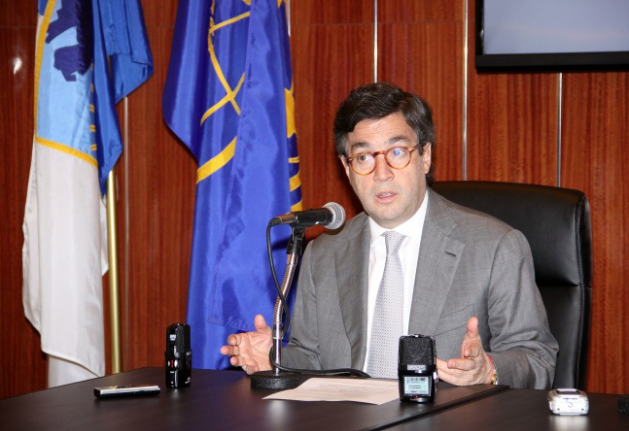
In a speech to the Boards of Governors of the IDB and the Inter-American Investment Corporation, IDB President Luis Alberto Moreno said: “The backlog of reforms is daunting, and the short-term challenges are great, but this is not the time to hesitate. It is time to seize the initiative.”

The Boards of Governors are the top policymaking bodies of the IDB and the IIC, which last year approved a total of $12.2 billion in loans and grants for economic, social and institutional development projects. Most governors are finance ministers, central bank presidents and other high-ranking officials in the IDB’s 48 member countries.

According to the IDB’s annual macroeconomic report presented during the meeting, regional economic growth in 2016 will be negative for a second year in a row. That weighted average, however, masks strikingly different performances, with some small Latin American economies growing at high rates while larger economies are mired in recessions.

In the report the IDB recommended that countries make necessary fiscal adjustments sooner rather than later and rebalance public spending to productivity-boosting investments, such as modernizing or repairing infrastructure.

It also advised governments to take advantage of opportunities such as the currently low oil prices to cut fossil fuel subsidies or raise gasoline taxes.

In his speech to the Governors, Moreno touched on the international furor set off by the leak of data on offshore structures.

“The new citizenry of the region demand a decisive stance to close any gaps allowing corrupt practices leading to tax evasion and money laundering,” he said. The IDB will continue working with governments committed to greater financial transparency, Moreno added.

Moreno also voiced hopes that Cuba may soon join the IDB. Commenting on U.S. President Barack Obama’s recent visit to Havana, he said: “Let us work together so we can also say ‘Yes We Can’.”

Governors endorsed the goal of doubling the financing for climate-related projects to 30 percent of the IDB Group’s loan approvals by the end of 2020. The lending target is subject to demand from borrowing countries and clients and access to external sources of concessional financing.

Climate investment needs in Latin America and the Caribbean are forecast to rise to around $80 billion a year next decade – almost three times what the region invests today. The IDB Group will focus on projects that will help countries implement the commitments made last December at the Paris Climate Conference to reduce greenhouse gas emissions and to build resilience to climate change.

Complementing the Governors’ endorsement of the financing goal, the IDB announced the creation of a new Climate Change and Sustainability Department, which will be responsible for the Bank’s work on cities, rural development, tourism, environment and natural disasters, in addition to coordinating the IDB’s actions on climate change and sustainability.

IDB study says $1.8 billion needed to end poor housing conditions in the Caribbean

Approximately US$1.8 billion would be needed to end poor housing conditions currently endured by 1 million residents in The Bahamas, Barbados, Guyana, Jamaica, Suriname, and Trinidad and Tobago, according to a new Inter-American Development Bank report, The State of Housing in Six Caribbean Countries.

The report, which analyzed the implementation of social housing programs in the Caribbean from 2000 to 2015, underscores the importance of housing to achieve the Sustainable Development Goals (SDGs) and the larger agenda in poverty alleviation, economic development, and climate resilience.

Rapid urbanization has created a housing deficit in Caribbean, prompting a large share of the population to live in informal settlements that are disproportionately affected by landslides, flooding, and storm surges, the report says. Moreover, the absence of efficiently functioning land markets, inaccurate property registries, and land disputes have compounded the problem and slowed the pace of housing programs.

“Improving housing conditions in the Caribbean can have large impacts on poverty reduction, improving lives of a significant share of the population,’’ said Michael G. Donovan, IDB Senior Housing and Urban Development Specialist, one of the authors of the study. “The IDB and the Caribbean have been working together on several projects to help solve this challenge. However, more needs to be done. With this book, we expect to help the region develop a comprehensive urban agenda so countries can achieve their sustainable development goals.”

The study says that Caribbean governments need to incorporate into their social housing programs measures to protect homes against rising sea level because half of the population in the region lives within 5 kilometers from the coastline.

“As the Caribbean urbanizes, it will be also critically important to incorporate risk reduction into the location and design of social housing,” said Pauline McHardy, Jamaican Urban Planner, another author of the report.

According to the report, several housing ministries in the region are adopting new designs to increase the resilience of coastal housing, improving building codes and ensuring that floor levels of social housing are above recorded flood levels. Elevating homes in flood-prone areas saves $15 for every $1 invested because governments do not need to rebuild infrastructure.

Supporting the Caribbean to confront urban challenges and increase economic vitality of cities is central to the Bank’s mission in the region. The IDB has provided over US$700 million in long-term financing to support urban programs in the Caribbean since 1968.

Caribbean Diaspora should seek reparation for slavery, says advocates

The Caribbean Diaspora is being called to support CARICOM’s calls for the UK to pay reparations as compensation for its involvement in slavery and the slave trade. To broaden awareness of the issues in the South Florida community, The University of Miami School of Law hosted a major summit to discuss current reparation campaign in the region, with UM Professor Irwin Stotzky (who addressed the issue of slavery and its impact in Haiti), Maurice McCurdy, representative of Jamaica’s National Committee for Reparations, and Don James, president of the Jamaican-American Bar Association  .

The event, said University of Miami law professor David Rowe, hoped to clarify that all members of the Diaspora have a right to reparatory justice based on the impact of slavery in the Caribbean.

“The fact that someone lives in Florida, but their father or mother came from St. Elizabeth, Jamaica, and their great-grandfather was taken from Ghana, Africa and was brought over to the West Indies in the slave trade, shouldn’t prevent the individual living in Florida from making a claim even if he or she no longer lives in the Caribbean region,” said Rowe in an interview with National Weekly.

Rowe also argued that the Caribbean Diaspora deserved the right to be included in the process to obtain reparation from the British government, for imposing slavery on the former colonies in the 18th and 19th centuries. The Diaspora’s involvement may be crucially important, as the region still remains uncertain about how reparations should be distributed. The quest for justice through reparation “could be futile,” said Rowe, depending on the stance taken by regional governments.

“Despite the obvious passionate feelings about reparation, an important issue is that of calculation of the sum to be paid. How do you calculate this? Furthermore, why should reparation be paid to any government or governmental entity? Should it not be paid to the persons who are descendants of slaves?”

According to Rowe, these questions and the related responses could be controversial, “So even before we decide what we are going to do with the reparation, there are issues issue that needs serious discussion.”

So far, there has been no definitive outcome of the reparation issue to date, as regional leaders are still awaiting answers from Britain authorities concerning reparation for slavery. The region recently pushed their campaign further, when, on behalf of the 15-member countries of CARICOM, Barbados’ Prime Minister Freundel Stuart, who is also the chairman of CARICOM Reparation Commission formed in 2013, wrote and sent a formal letter of complaint to the British Foreign Office seeking reparation. Stuart called on London to formally acknowledge the region’s demands for payment for the transatlantic slave trade. CARICOM said will not release the contents of the letter, until it receives a reply from British Prime Minister David Cameron. CARICOM has also warned it’s prepared, as its next option, to take the matter to the International Court of Justice (ICJ) in The Netherlands for a ruling. But the regional group has said it prefers a negotiated settlement of the issue.

Concerning the most recent developments, Rowe said the road ahead will be a difficult one, but one that should not be ignored by residents of the Caribbean Diaspora.


6 questions to ask your child’s pediatrician

Most parents bring their children to the doctor when they’re sick, but now is a great opportunity to be proactive and schedule a wellness checkup. This allows you and your doctor to take a broader look at a child’s overall health and well-being to ensure he or she is developing properly.

“Wellness checkups provide more time for parents to ask questions,” says St. Georges University alum Dr. Susan Dulkerian, Chair of Pediatrics at Mercy Medical Center in Baltimore. “Rather than waiting until your child is sick or an issue arises, a wellness checkup is an opportunity to take preventive measures, maintain a healthy lifestyle and keep your peace of mind.”

Dr. Dulkerian suggests that every parent should ask the following questions during a wellness checkup.

Are my child’s immunizations up to date?
Your child’s school may require certain immunizations prior to the first day of class. Work with your doctor to ensure your child is protected from disease, even if the school year has already started. The Center for Disease Control and Prevention (CDC) provides immunization recommendations and schedules for children, teens and adults.

Is my child at a healthy weight for his or her height and age?
Childhood obesity has more than doubled in children and quadrupled in adolescents in the past 30 years, according to the CDC. A wellness checkup provides the perfect opportunity to ask your doctor about BMI measurement and many other concerns. Your doctor will also be able to suggest prevention ideas and healthy-lifestyle habits for kids.

How much sleep should my child get?
Sleep is a fundamental element of anyone’s health and is particularly important for kids whose bodies are still growing. Ask your doctor about proper sleep amounts for your child’s age. For example, children aged 6–13 need 9–11 hours of sleep while 3–5-year-olds typically need 11–13 hours.

Is my child developing normally and meeting milestones?
While every child is unique, each should reach certain mental and physical developmental milestones around similar times from birth to 18 years and beyond. Ask your doctor if he or she has any concerns and which milestones you should expect for your child’s age.

How can my child handle anxiety and other mental-health concerns?
Your child’s annual checkup isn’t just for checking physical health—it’s the ideal time to bring up any additional areas of concern where your child may be struggling. For example, is your child experiencing anxiety about starting a new school year? Having trouble dealing with body changes during puberty? Is he or she struggling academically? Your physician is a great resource who can help your child work through these issues and recommend a specialist if need be.

What do you recommend if my child is being bullied?
Over 3.2 million students are victims of bullying each year. Bullying is a hot topic and many kids keep issues like this to themselves. Parents can be advocates by asking doctors how issues should be handled properly.

“Make a list of your top concerns and present them to your doctor at the beginning of the visit to ensure you get all the information you need,” advises Dr. Dulkerian. “Talk with anyone who may care for your child, such as a daycare provider or grandparent, for further input before your child’s checkup appointment.”

brandpointcontent.com

Lauderhill Citizenship drive returns for this weekend

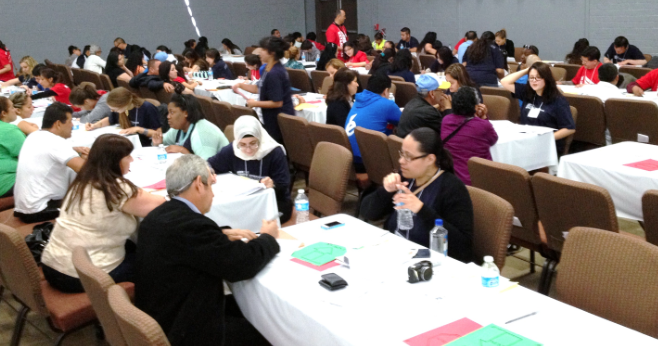
Back by great demand, the Lauderhill Citizenship Drive gets set returns this weekend at the Lauderhill Mall, providing free, hands-on guidance from legal experts for aspiring citizens. Hosted by Broward County Commissioner Dale Holness, the two-day event takes place on Saturday, April 9 and Sunday, April 10, 2016, from 10 a.m. to 2 p.m.

The free, two-day citizenship drive will particularly provide assistance to applicants with filling out the N-400 US Citizenship application and other required documents. For this weekend’s events, expert legal volunteers will be on hand from immigration advocacy group, Florida New American, as well as the Caribbean Bar Association and the Jamaican-American Bar Association.

The renewed event was in response to the overwhelming turn-out last February for the first Lauderhill Mall Citizenship Drive, where over 500 individuals completed their citizenship application.

“The first citizenship drive was a tremendous success,” says Commissioner Holness. “People began lining up at 5 a.m., which shows there was a tremendous need to do something like this in Broward County.  I am happy to bring this service to those who need it and once again partner with Florida New Americans, SEIU Florida, the Lauderhill Mall, Caribbean Bar Association, Jamaican-American Bar Association, and all those who will volunteer their time and resources.”

The drive also provided valuable financial support for those applying for citizenship. “Nearly 60 percent of those who were eligible obtained a fee waiver, which is a significant savings, since the application fee costs $680,” says Commissioner Holness. He hope this weekend’s event will have “a large turnout,” and also encouraged participants to “arrive early and bring the required documents, so it can be a smooth process.”

Documents to Bring:

  • Permanent Resident Card
  • Driver’s License or state issued identification
  • Social Security Card
  • Two color Passport Photos (Photo services available at Lauderhill Mall)
  • Most Recent Tax Return
  • List of home addresses and employer addresses for the past five years
  • Travel dates outside the U.S. since becoming a permanent resident, and names of countries
  • If married to a U.S. citizen or resident, bring spouse’s Green Card/U.S. passport, marriage certificate or divorce decrees
  • For your children: bring permanent resident cards, complete name(s) date(s) of birth, social security numbers

Safe at home and on the road

New study shows preventing falls among older drivers can make roads safer

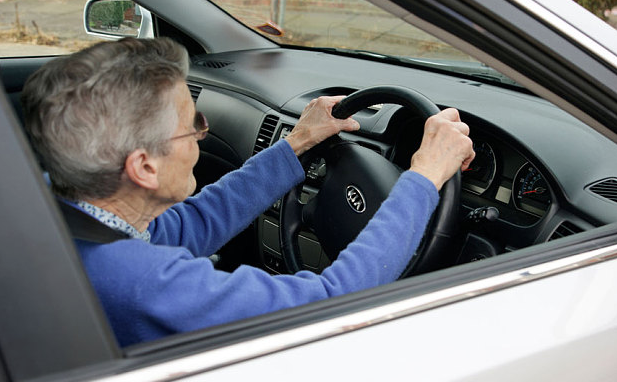
Older drivers with a history of falling are 40 percent more likely to be involved in crashes than their peers, according to a new study released by the AAA Foundation for Traffic Safety. Falls limit an older driver’s ability to function behind the wheel and can make driving risky for themselves and others on the road. These findings are important. since annually a record 12 million older adults will experience a fall.

“Drivers age 60 and older are involved in more than 400,000 crashes each year, and it’s important that we find ways to keep them and others safe on the road.” said Peter Kissinger, President and CEO of the AAA Foundation for Traffic Safety. “This research is critical because it shows that we can now use an older driver’s fall history to identify if they are at greater risk for a crash.”

The report, “Associations Between Falls and Driving Outcomes in Older Adults,” say that falls can increase crash risk in two ways:

  • Falls can result in a loss of functional ability (i.e. wrist fractures or a broken leg), which can make it difficult for older drivers to steer or brake to avoid a crash.
  • Falls can increase an individual’s fear of falling, which can lead to a decrease in physical activity that weakens driving skills.

As for solutions, “when it comes to physical health, it’s important to stay active,” said Michele Harris, Traffic Safety Consultant, AAA – The Auto Club Group. “Falls often scare people into being more sedentary, but decreasing physical activity can weaken muscles and coordination thus making someone more likely to be in a crash.”

The research suggests that seniors and their families should view falls as a possible early indicator of declining physical fitness.  Addressing the health issues that originally led to the fall such as lower body weakness, poor balance, slow reaction time, certain medications, dizziness, or vision problems, can help older drivers strengthen their functional ability and lower their risk for crashing or experiencing another fall in the future.

“Older drivers should find activities that enhance balance, strengthen muscles and promote flexibility,” continued Harris.  “Even a low impact fitness training program or driver improvement course can help safely extend an older driver’s years on the road.”

Fall prevention is a great way for older drivers to keep themselves and others safe while on the road.  Those concerned about a parent or other older driver should help them monitor risk factors that address health concerns or household dangers. AAA recommends a series of exercises and stretches to improve neck, shoulder, trunk, back and overall body flexibility, which can help a driver who has suffered from a recent fall.

JA Minister of Tourism visits NY to discuss tourism growth plans

Left to Right: John Checketts, Director Route Planning, JetBlue; Francine Carter Henry, Tour Operators and Airlines Manager, Jamaica Tourist Board; Jaclyn Costantino, Analyst Consumer Promotions, JetBlue; Donnie Dawson, Deputy Director of Tourism, Jamaica Tourist Board; Paul Pennicook, Director of Tourism, Jamaica Tourist Board; and Hon. Edmund Bartlett, Minister of Tourism


Jamaica’s Minister of TourismThe Hon. Edmund Bartlett, has hit the ground running following his reappointment to office last month. During his first visit to New York City, the Minister met with strategic tourism partners to discuss his plans to drive new markets and forge new partnerships to grow Jamaica’s tourism.

His first stop was at the corporate headquarters of JetBlue on Tuesday (April 5) where he met with senior executives to outline his goals and chart a way forward to increase overall visitors to the destination. The Minister was accompanied by Director of Tourism Paul Pennicook, Deputy Director of Tourism Donnie Dawson and Tour Operator & Airlines Manager Francine Carter Henry.

Get busy in St. Kitts & Nevis – Top 5 things to do in Basseterre

Heading to St. Kitts & Nevis anytime soon? Explore what the two-island country has to offer by partaking in these exciting activities:

Deep sea fishing

Feel the mist from the ocean as you motor out to some of the best fishing spots in the island on a custom-built fishing vessel as you take in in the stunning views of the tropical landscape from the covered deck.

Zipline Adventure

Speed through the skies on a state of the art zipline system over deep valley floors and through a tropical rainforest. Choose to zip all 5 lines or combo a 3-line zip adventure with a rainforest walk.

Volcano Crater Hike

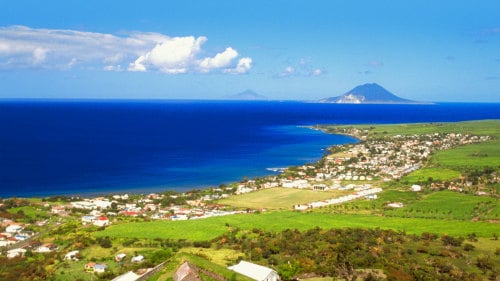
Hike to the summit of the dormant volcano Mount Liamuiga. As you trek up the mountainside, pass through a lush tropical rainforest and take in the misty layers of a cloud forest. At the top, admire far-reaching views of the Caribbean island paradise.

Rainforest Driving Tour

Take a ride through the beautiful rainforest of Saint Kitts to admire the lush canopy of vegetation that stands over the island’s wildlife. Your driver will guide you through the lush scenery and abundant life along your journey through the island scenery.

Saint Kitts Panorama Island Tour

See the vibrant wildlife, historic settlements, and varied sights that Saint Kitts has to offer on a guided tour around the island. Explore botanical gardens, ruins, and cliff-side beaches on an insightful journey and learn old St. Kitts & Nevis traditions.

This Day in History

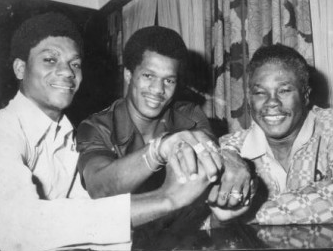
Patrick Forde (left) is pictured in happier times with Cliff Anderson and another friend

Guyanese boxing legend Patrick Ford defeats Alejandro Garcia

On this day in history Guyanese boxing legend Patrick Ford defeated Alejandro Garcia on April 8, 1985.

Born on December 15, Patrick Ford was a Guyanese and British Commonwealth Featherweight champion boxer. Ford was credited with paving the way for Guyanese professional boxers that followed.  During his professional boxing career he won sixteen professional titles.

In his 23-fight professional career he won 19 bouts, lost four and had a 52% knockout rate. 

Ford was a licensed plumber and after he left the sport of boxing, he became a sergeant in the Guyanese Army.

He died on November 13, 2011 from complications after a heart attack.

Unlocking the heart-healthy secret of mushrooms

Get healthy with this yummy ingredient

Whether it’s being stuck in traffic, missing a deadline or having trouble getting the kids out of bed, the stress we experience comes in many different forms. Often, people think of stress as something you’re immediately aware of: your thoughts become crowded, your breath shortens or you can’t sleep.

But there is a kind of stress most everyone experiences, and because there are no outward symptoms, few are aware of how it could be harming their health. It’s called oxidative stress, and it’s caused primarily by the lifestyles we lead. By not sleeping enough, not consuming enough antioxidants in your diet or just being around daily pollutants such as car exhaust, candles or cleaning products, you can be subject to oxidative stress.

What makes oxidative stress especially dangerous is both a lack of awareness and the fact that research has found it leads to an increased risk of heart disease. How? Oxidative stress can affect LDL-cholesterol (commonly known as “bad cholesterol”) by transforming it into an even more damaging form: oxidized LDL.

Essentially, what happens is oxidized stress “rusts” the LDL cholesterol that circulates in the blood. Just as rust can damage machinery, this rust can damage your heart. With someone suffering a heart attack or a stroke every 40 seconds in the United States, the need to educate people on how to defend against the damage caused by oxidized LDL is more important than ever.

Unlocking the power of mushrooms

For more than 100 years, scientists have known that mushrooms contain a super antioxidant called ergothioneine that can help prevent cardiovascular damage. Ergothioneine is a natural part of the human defense system, and our bodies have a unique, genetically-coded protein designed to transport and deliver its antioxidant protection to high-stress areas where it is most needed, such as the walls or lining inside the arteries.

Despite documented evidence of the beneficial role ergothioneine can help with your heart, it’s nearly impossible to get enough ergothioneine to directly impact your health through diet alone. No one has been able to unlock the potential of ergothioneine until now.

A breakthrough supplement

Thanks to a scientific breakthrough by Mironova Labs, it is now possible to harness the power of this super antioxidant in a nutritional supplement. MironovaEGT+ is the first and only supplement to concentrate ergothioneine into an affordable, daily serving to help protect your heart from the damaging effects of oxidative stress.*

With the availability of this supplement, the “Dust the Rust Off” campaign has been launched to raise awareness of the benefits of ergothioneine and showcase how it can be a major part of a heart-healthy lifestyle. For more information, visit www.mironova.com.

Brandpointcontent.com

The dangers of a low salt diet

Salt, or sodium chloride, is essential for life. In fact, no mineral is more essential to human survival than sodium because it allows nerves to send and receive electrical impulses, helps your muscles stay strong, and keeps your cells and brain functioning. However, sodium chloride (salt) is a nutrient that the body cannot produce, and therefore it must be eaten.

The average American eats about 3,400 mg per day of sodium, according to The National Health and Nutrition Examination Survey. You may have heard that this is too much, but according to new research, it may actually be on the low side of the healthy range. A 2014 study, published in the New England Journal of Medicine, tested sodium consumption in more than 100,000 people in 17 countries.

The study found that the healthy range for sodium consumption was between 3,000 and 6,000 mg per day. Eating more than 7,000 mg per day of sodium increases your risk of death or cardiovascular incidents, but not as much as eating less than 3,000 mg per day. The low salt diet was significantly more harmful than the high salt diet.

Salt has many health benefits.

The other component of salt, chloride, is also essential to survival and good health. It preserves acid-base balance in the body, aids potassium absorption, improves the ability of the blood to move harmful carbon dioxide from tissues out to the lungs and, most importantly, it supplies the crucial stomach acids required to break down and digest all the foods we eat.

Because the level of salt consumption is so stable, it is an ideal medium to use for fortifying other essential nutrients such as iodine. Iodized salt first produced in the U.S. in 1924 is now used by 75 percent of the world’s population to protect against mental retardation due to Iodine Deficiency Disorders (IDD). Iodine is an essential element in healthy human life, enabling the function of thyroid glands to produce needed hormones for proper metabolism. When children in the womb don’t get enough iodine from their mother, fetal brain development may be impaired. During pregnancy, iodine deficiency can cause a child to develop learning disabilities and mental retardation as well as developmental problems affecting his speech, hearing and growth.

Salt is also a vital component of hydration. After exercise, it is critical to replace both water and salt lost through perspiration during exercise. That is why all athletes make sure they are consuming sufficient salt during and after a workout. Expectant mothers and seniors, in particular, need to guard against under-consumption of salt. Higher-salt diets have also been used successfully to combat chronic fatigue syndrome. Asthma sufferers, particularly in Eastern Europe, are often treated by having the person spend time in salt mines or salt caves. This is because the unique microclimate, containing ultrafine salt particles helps clear the lungs.

Low salt diet myths

Low salt diets can be especially harmful for the elderly. In older people, mild hyponatremia (low sodium concentration) is the most common form of electrolyte imbalance in the blood. Indeed, several recent medical papers found a direct relationship between hyponatremia and unsteadiness, falls, bone fractures and attention deficits. Elderly people on low salt diets often experience lack of thirst which leads to dehydration and they experience loss of appetite that leads to a host of health problems.

Falls are one of the most serious problems for the elderly and about a third of people older than 65 fall at least once every year. Fall-related injuries in the elderly are associated with numerous psychological and physical consequences and are a leading cause of bone breakage and hip fractures, which can lead to complications and permanent disability or death. More than 5 percent of all hospitalizations in people older than 65 years are due to fall-related injuries. Sadly, the research shows that in assisted living facilities where almost all residents are given low-salt diets, the rate of falls and fractures are three times as great as in the normal home environment.

Salt and life expectancy

It is well documented that the Japanese and the Swiss enjoy some of the longest life expectancy rates of anyone in the world. It is less known however, that they also have among the highest rates of salt consumption. A review of peer-reviewed medical research around the world indicates that if people were to actually consume the low levels of salt recommended in the U.S. Dietary Guidelines, they would put their health at risk. Fortunately, most Americans — including the elderly — when left to their own choice consume salt within the healthy range.

brandpointcontent.com

JWOF hosts Women’s Empowerment Conference and Scholarship Luncheon

The Jamaican Women of Florida, Inc. (JWOF) second annual Women’s Empowerment Conference & Scholarship Luncheon last year

The Jamaican Women of Florida, Inc. (JWOF) will host the second annual Women’s Empowerment Conference & Scholarship Luncheon to celebrate its third anniversary on Saturday, April 23, 2016.  The event will take place at the Jungle Island in downtown Miami.

Some 200 patrons are expected to participate in the daylong event which will include three panel presentations and the Scholarship Luncheon.  The sessions will include groups of professional and renowned first and second Jamaican women who will share their experiences at morning session Smashing the Glass Ceiling with CNN National Aviation and Government Regulation reporter, Rene Marsh, Carnival Cruise Vice President Marie McKenzie; and Broward Health North Executive, interim President and CEO, Pauline Grant.

A panel on Transformation follows with clinical sexologist and psychologist, Dr. Karen Carpenter, author and inspirational speaker, Dr. Audeanne Donaldson and registered nurse and inspirational coach, Eva Francis.  An afternoon session on Mentoring will close the activities with a panel including CEO, Code Fever Miami/Black Tech Week, Felicia Hatcher, Communications and Community Development Consultant, Sharu Goodwyn, and Baltimore attorney who excelled to top of his class coming from humblest of beginnings in rural Jamaica, Jermaine Haughton.

Guest speaker at the Scholarship Luncheon is second generation Jamaican, Mrs. Paula Madison, who successfully rose to the top of network television at NBC Universal.

“It is outstanding that we have been able to assemble this exciting group of Jamaicans to present at this year’s Conference. Our first Conference was such a success that it was a challenge to find engaging panelists at the top of their game, but we did it! This is an event not to be missed,” said Dahlia Walker-Huntington President of JWOF. 

The event as with all others hosted by the JWOF members is known for the signature shopping gallery where retailers showcase a variety of items – clothing, jewelry, hand-crafted leather sandals, accessories and Jamaican Art and craft.

Launched in April 2013, Jamaican Women of Florida is a Florida Not-For-Profit and an IRS 501(c)(3) Tax Exempt corporation that has grown from an original 20 founding members to more than sixty members and continues to provide an outlet for Jamaican women in Florida to empower themselves through charitable and educational endeavors, personal development and mentoring.

The organization of vibrant professional women has made several strides through fundraisers, networking sessions and collaborative efforts.   One feature is the adoption of young female residents at Melody House Girls’ Home in Montego Bay, Jamaica. “We have been able to achieve these milestones because of the support of our members and the community” stated President of the three-year old organization, Dahlia Walker Huntington, attorney and community activist.

This year’s Conference is being staged in collaboration with the Jamaica Tourist Board and sponsored by Victoria Mutual Building Society; Broward Health; Law Offices of Dahlia A. Walker; Golding Law Group; Weiss Serrota; Robinson Law & Mediation; Western Union;Daniels Kashtan; Hamilton Miller & Birthisel; Zap Courier and Cox Media

TalkUp: What happens after we die?

What do you think happens to people after they die?

Conelia – Miami Gardens, Fl.

I really don’t know what happens. I was taught that you go to either heaven or hell. I don’t know where I would go if I died today. I just hope that I don’t end up in flames being poked with a fork. I hope for a better place. I’m not afraid to die, because I can’t escape it. Death is a part of the cycle of life. All we can do is live a full and healthy life so that we won’t feel too badly when we die.

John – Carol City, FL.

First, they go to the morgue then probably to the afterlife, wherever they believe that to be. Everybody has their own beliefs, so the afterlife can take many different forms. I’m not planning on dying anytime soon, but when I die, I think I’m going to go to heaven. I believe that you get to heaven by having a clean heart. You can’t fool God.

Yohann – Miramar, FL

I believe that when we die we go to a place between life and death and we wait there until the judgment comes. At that point, hopefully if we’ve made the right decisions in life, then we will end up going to heaven. There is no way to prepare for death. Everyone is born with the knowledge of right and wrong, so you just do what you know is right and pray. I’m kind of afraid to die, but we really don’t have a choice. When your time is us, it’s up.

James – Carol City, FL

I think our souls roam the earth until the Lord calls for us. The dead exist as spirits/ghosts. I believe that these spirits are around us all the time. Family, friends, everyone who has passed away exists among the living right now. The kind of life we lived on earth determines the kind of afterlife we will have. If you do the right things, good things will follow. I’m not afraid to die.

Sheldie – Miami Gardens, FL

I believe that people who do the right thing, follow the rules and go to church will go to heaven. If you are a bad person, a murderer, a rapist, you will go to hell. I’m not afraid to die.

Uncle Fly – Plantation, FL

I believe in the kingdom of God, so you have a choice. It is written. Only through Jesus do you make it to the Promised Land. You can choose life or you can choose death. You don’t want to choose death, it’s really hot over there. I’m not afraid to die. Not at all. I am prepared for it. It’s paradise. It’s going to be much better than this life. Everything will be new, including our bodies.

Yonana – Miami, FL.

I think that we are instantly reincarnated into another lifeform on this planet or beyond. It can be any kind of lifeform, a plant, anything. There is no way of predicting the kind of lifeform you will return as. If I died today, I have no clue where I would end up, but I can’t wait to find out. I hope that I come back as some form of advanced being, in another universe, anywhere but here on earth. I think we live in hell right now.

Monique – Miami Gardens, FL.

I have no idea what happens. Maybe our souls go to rest. If I died today, I hopefully would end up in heaven. I guess all we can do is live a good life, live each day like it is our last, no regrets. I am not afraid to die.

Destiny – North Miami, FL

I think people who accept Jesus Christ as their Lord and Savior are saved. Those people will go to heaven. I am not sure where I will go when I die. I used to be afraid of dying, but I’m not anymore.

Bryan – Miami, FL.

It really depends on how we live our lives. We either go to heaven or hell so we should live righteously. Death can come at any time, so we have to be ready. I’m not afraid to die, but if I died today, I don’t think that I would go to heaven. I’m working on it though.

Gov. Rick Scott drops name of beach segregationist John U. Lloyd

A look at some of the top stories making the news today, April 8, across your Caribbean-American community in South Florida.

Improving quality of life for the black community in Miami Dade county was at the top of the agenda yesterday at the State of Black Miami forum, held at Florida Memorial University. Hosted by Miami Dade Commission Chairman, Jean Monestime, the event included prominent panelists discussing issues of equal and fair access to local health, education, and judicial systems.

Demonstrators gathered in Oakland Park yesterday to protest the city’s ban on public food sharing, which has closed many local feeding programs for the homeless. Breaking city ordinances, the protesters hosted a dinner for several homeless individuals in front of City hall. Father Bob Caudill says he hopes these efforts call attention to the plight of the homeless.

As part of their fundraising efforts, the Christ the King Catholic Church in Miami will be hosting their annual Trinidad and Tobago Food fest tomorrow, starting 5 p.m. on church grounds.  Funds raised will be donated towards the annual thanksgiving and Healing Mass next September.

In sports, Caribbean tournaments continue this Saturday at the Lauderhill sports park, starting with the Lauderhill T20 showdown, with Team T&T v. India and Jamaica vs. Pakistan. Meanwhile, at the CASA Super league tournament, Island Strikers fight to maintain their dominance against Albion Plantation, and Lauderhill Jrs faces Melrose Strikers

What’s trending:

Governor Rick Scott recently signed a bill that will rename John U Lloyd Beach State Park to Von D. Mizell-Eula Johnson (pronounced My-zell-Yula) State Park. This replaces the name of John Lloyd, who carried out an ordinance that prohibited blacks on South Florida beaches, with the two civil rights figures who led the historic wade-ins that ended segregation on the beaches.

For Today’s Weather Forecast:

Partly cloudy in Broward County with a high of 85 and a low of 63. For Miami-Dade, mostly sunny with a high of 86 and a low of 63.

For more information on these and other stories, visit caribbeannationalweekly.com. Remember to pick up this week’s copy of our Caribbean National Weekly at your nearest Caribbean outlet.

Jamaican-born vice principal wins BCPS Caliber Awards

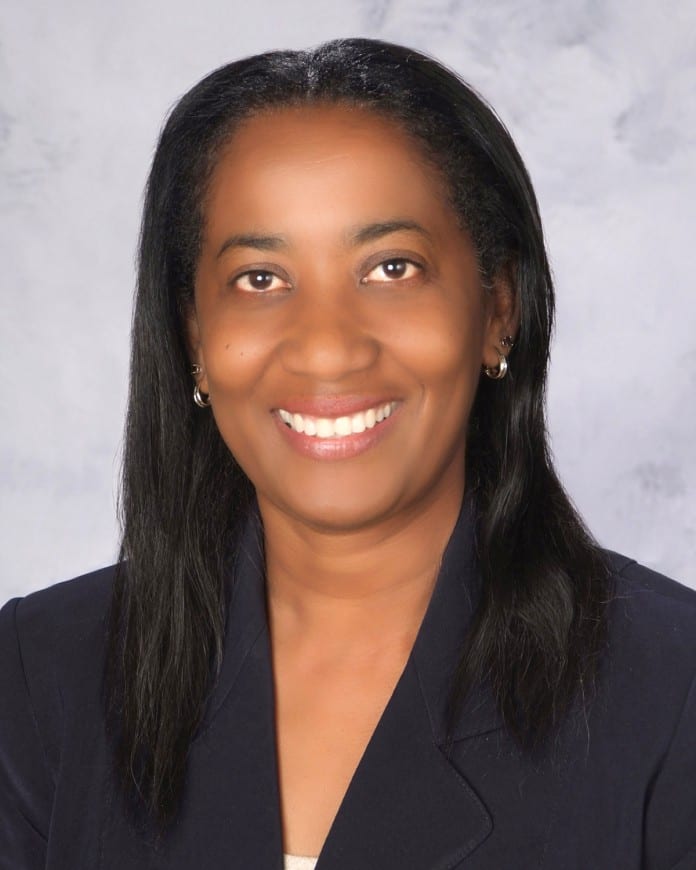
Jacqueline A. Smith

Smith beat out 5 other competitive candidates

Assistant Principal Jacqueline A. Smith of Hollywood Hills High has been named the 2016 Caliber Awards Assistant Principal of the Year by Broward County Public Schools (BCPS). Smith was awarded in a special ceremony at the Broward County Convention Center.

The awards mark a landmark moment in an accomplished teaching career for Smith, who came to profession after a mid-career change from hotel management. Moving from Jamaica to New York to work in the hospitality industry, Smith soon found an urge for another path. She soon enrolled in a master’s education program, “and since then I never looked back,” says Smith in an interview with National Weekly.

Smith was up against 5 other competitive candidates in the Broward school system, but managed to stand out from the pack with her impressive accomplishments and initiatives at Hollywood Hills High School. Since joining Hollywood Hills High, student achievement has risen significantly in reading, math, science and Advanced Placement exams, which helped boost the school’s state letter grade from a “D” to a “B.” She was also praised for her innovative initiatives, such as the school-wide reading program, “Spartan Reads.” Running for five years, the program provides extended learning opportunities for students in key academic areas. Her college prep after-school program, in collaboration with Hispanic Unity, was also launched with much success thanks to a $100,000 grant from State Farm.

At the heart of the school’s recent success, says Smith, has been the program’s championship of reading across disciplines. “Once we saw the great spikes in our grades, we knew we had to stay the course. Even PE teachers would include literacy in their classes.” As Florida has adopted the state’s common core requirements, reading across disciplines, and not just English class, says Smith, proves essential, “as there is a difference between reading and understanding. They need to comprehend, analyze and synthesize text. In these new tests, students are now asked to see connections across two or three different texts, from a poem, to a chart, to an essay extract. You can’t just learn this in English class. This has to happen in all areas, whether in technology, science, or physical education.”

As for the award, Smith is most grateful for “the positive attention it brings to my school community, more so than myself. I’m humbled and honored about the award. But it’s more about marking all the things we’ve accomplished as a school and as a community.”

FCPL heads to South Florida

Four days of Caribbean cricket confirmed for July

Riding on the euphoria of the recent victory of the West Indies men’s and women’s ICC World Cup in India, local cricket fans can look forward to another round of Caribbean cricket magic this summer, as the Caribbean Premiere League (CPL) confirms dates for the league’s first cricket games in South Florida.

The historic games are set for July 28 to 31st at the Central Broward Regional Park in Lauderhill. The games start on July 28, with the Guyana Amazon Warriors facing the Barbados Tridents. The games will also give all six franchises a chance to chase coveted league points ahead of the finals.

This also marks the fourth year of the increasingly popular CPL, which features six franchises: the St. Kitts & Nevis Patriots, defending champions Tribago Knight Riders, the Zouks, the Jamaica Tallawahs, the Guyana Amazon Warriors and the Barbados Tridents.

The CPL games coming to Lauderhill “should be an exciting treat for cricket fans generally, and Caribbean cricket fans in particular, as the participating teams are represented by some very talented players,” says Lascelles Bailey, a Jamaican cricketer and cricket organizer.

Some of these talented players include West Indies T20 World Cup captain Darren Sammy, Jamaican star Chris Gayle, the world’s leading all-rounder Shane Watson, former New Zealander captain Brendon McCullum and spin twins Sulieman Benn and Sunil Narine.

From July 28 to 31, the six teams will play a tight schedule, with teams facing each other twice. In addition to the 7 p.m. July 28 opening game between the Guyana Amazon Warriors and the Barbados Tridents, the two teams meet again at 4 p.m. on July 30. St Kitts & Nevis Patriots plays Trinbago Knight Riders at 7 p.m. on July 29; and noon on July 31; and Zouks against Jamaica Tallawah at noon on July 30 and 4 p.m. on July 31.

Chief Executive Officer of the HERO Caribbean Premier League, said the League is delighted to announce the schedule of “the ground-breaking Florida leg of CPL, which represents an exciting new chapter for the tournament. West Indies cricket is on a real high with the success of the men’s, women’s and Under-19 World Cup winning squads, generating a feel-good factor locally and internationally.”

Squad Line-up

BARBADOS TRIDENTS: Kieron Pollard, AB de Villiers*, Shoaib Malik, Nicholas Pooran, Ravi Rampaul, David Wiese, Robin Peterson, Raymon Reifer, Ashley Nurse, Wayne Parnell, Akeal Hosein, Imran Khan, Kyle Hope, Navin Stewart, Kyle Corbin, Steven Taylor

GUYANA AMAZON WARRIORS: Sohail Tanvir, Martin Guptill*, Dwayne Smith, Chris Lynn, Rayad Emrit, Adam Zampa, Jason Mohammed, Christopher Barnwell, Veerasammy Permaul, Orlando Peters, Assad Fudadin, Anthony Bramble, Paul Wintz, Steven Jacobs, Steven Katwaroo, Ali Khan

JAMAICA TALLAWAHS: Chris Gayle, Kumar Sangakkara*, Shakib Al Hasan, Andre Russell, Imad Wasim, Lasith Malinga, Rovman Powell, Chadwick Walton, Jon-Russ Jaggesar, Andre McCarthy, Jonathan Foo, Alex Ross, Kesrick Williams, Nkrumah Bonner, Garey Mathurin, Timroy Allen

ST KITTS & NEVIS PATRIOTS: Lendl Simmons, Faf du Plessis*, Samuel Badree, Brad Hodge, Thisara Perera, Jonathan Carter, Krishmar Santokie, Evin Lewis, Tabraiz Shamsi, Kieran Powell, JJ Smuts, Devon Thomas, Shamarh Brooks, Tino Best, Jeremiah Louis, Nikhil Dutta

TRINBAGO KNIGHT RIDERS: Dwayne Bravo, Brendon McCullum*, Sunil Narine, Hashim Amla, Umar Akmal, Kevon Cooper, Sulieman Benn, Colin Munro, Anton Devcich, Ronsford Beaton, Nikita Miller, Javon Searles, William Perkins, Yannick Cariah, Ramnaresh Sarwan, Hamza Tariq

ZOUKS: David Miller, Shane Watson*, Darren Sammy, Michael Hussey, Johnson Charles, Andre Fletcher, Morne Morkel, Fidel Edwards, Derone Davis, Eddie Leie, Keron Cottoy, Shane Shillingford, Delorn Johnson, Kyle Mayers, Keddy Lesporis, Nitish Kumar


Advocates seek reform for predatory payday loans

Urges congressional representatives to support initiatives proposed by CFPB

As the debate over payday loan regulations escalate on the national stage, local advocates are calling for state rules to be reformed, calling on the Sunshine State’s congressional representatives to support upcoming initiatives proposed by the Consumer Financial Protection Bureau (CFPB).

Payday loans have served as a safety valve for many South Floridians, particularly low-income earners. Florida has state restrictions on such loans, include $500 loan limits, a maximum of 10 percent in fees, and term limits set between 7 to 31 days. The regulations, however, says Plantation credit counselor and advocate Desireen Morales, does little to protect consumers from quickly accumulating interest.

Instead, borrowers often are unable to pay off both the payday loan and the interest, “mostly because their incomes don’t permit this,” says Morales. Her research shows that “over 55 percent of borrowers contract the maximum loan of $500, and renew the loan every two weeks at the 10 percent interest rate for up to 7 months. These borrowers are repaying an average of $700 over this period on the same $500 loan.”

A recent report from the Center for Responsible Lending payday loans in Florida also highlight the same concerns, showing accumulated interest payment of some $2.5 billion since 2005. In 2015, the average Florida payday loan had an annual rate of 278 percent, and loans roll over on average nine times, in the consumer’s effort to pay outstanding interest.

The CFPB plans to introduce federal loans addressing these concerns. The new rules, which have yet to be released in full, include “debt trap prevention” requirements, which would require “lenders to determine at the outset that the consumer can repay the loan when due – including interest, principal, and fees for add-on products – without defaulting or re-borrowing.” In addition, Debt trap protection requirements would make lenders limit “limit the number of loans a borrower could take out in a row and over the course of a year.”

Other advocates like the NAACP and the Southern Poverty Law Center are supportive of the Bureau’s initiative. However, several congressional representatives from Florida, including Rep. Debbie Wasserman Schultz, have spoken out against the bill, arguing that it may undermine already effective state regulations. Many have signed on in support for the Consumer Protection and Choice Act, which would allow states to avoid the CFPB rules — provided they adopt the payday laws of Florida. Members of Florida’s congressional delegation have pushed CFPB Director Richard Corday to explain how the CFPB’s rules will impact Florida’s existing law and consider using Florida’s law as a model for national regulation. Local political opponents running against incumbent Florida congressional members have claimed that this resistance to the CFPB rules is due to the campaign funding they receive from payday loan companies.

Though the issue has become politically charged, “we must prevail over the opposition,” said Morales. “These loans seem to help the financial strapped, but they’re really a burden making the poor, poorer while the lenders make billions.”

Online petition seeks to block peanut dumping on Haitian market

Haiti has been much beloved for its products made from locally grown peanuts, whether in spicy, salty mambá or in sweet and crunch brittle. The success of locally produced peanuts may be disrupted however, following recently announced plans by the Department of Agriculture to send “nutritious U.S. peanuts” as part of their humanitarian efforts in Haiti.

The Department is planning to dump 500 metric tons of packaged, dry-roasted peanuts on Haiti as part of its “Stocks for Food” program. The donation of peanuts, however, could severely reduce prices on local peanuts, which has experienced a boost in yield and production in the past few years.

In response, members of the Diaspora have launched an online petition to the White House, called “Cancel the planned USDA dumping of U.S. peanuts on the Haitian market and future surplus dumping.”

When the American government donates excess agricultural products overseas “in large markets, especially those that do not produce that crop, this may have no effect on the local market and even be beneficial,” said the group’s petition letter to the White House. “But when it is done in small, poorer countries, especially if they also produce that crop, the effect is to lower local prices, increasing poverty.”

The Haitian agricultural market has suffered in the past from similar product dumps from the U.S. Mostly recently in the mid-1990s, the Haitian government yielded to pressure from the United States to drop tariffs on imported rice to nearly zero. This led to a flood of foreign rice into the Haitian market, mostly from the U.S. As a result, Haitian rice production plummeted.

“This has happened repeatedly over the past two decades, in particular with the world food program and other UN agencies,” said the petition’s letter to the White House. “It’s time to stop making poverty worse – the best way to help a country like Haiti is to procure locally, from Haitian farmers.”

So far, the petition has nearly 2,000 signatures since it was launched on April 1st, with just over 98,000 needed to reach their goal of 100,000. Signatures so far have poured in from across the country, including many from South Florida.

Palm Beach Jerk Festival set for May 30

Festival to feature performances by various musical artistes

The 13th Annual 1-800-411-PAIN Palm Beach Jerk and Caribbean Culture Festival is geared up and ready to deliver an unforgettable Caribbean Jerk and Cultural experience on May 30 at  the South Florida Fairgrounds.

This year’s festival will be presenting the talented culinary personalities in the Jerk Cook Off Competition, delightful food and a stellar line up to entertain the patrons of all age group. 

As you relish the flavors of Caribbean jerk, you will be entertained by the melodious sounds of Luciano, Freddie McGregor and Dexta Daps on the Main Stage. There are non-stop activities, something for the entire family, as kids will be able to engage in activities at the fun filled Kids Romping Zone and the music at the Jerk Fest Explosion Party Pavilion, where the party within a party comes alive.
If you have never had the succulent Jerk Lobster, Juicy Jerk Chicken ,the Spicy Jerk Shrimp, the tasty Jerk Ice Cream and the sensational smoked Jerk Pork, the 1-800-411-PAIN Palm Beach Jerk Festival will be providing you with that platform to indulge in the experience.