Home Blog Page 1460

EDITORIAL: JA gov’t needs to rewind to meet income tax promise

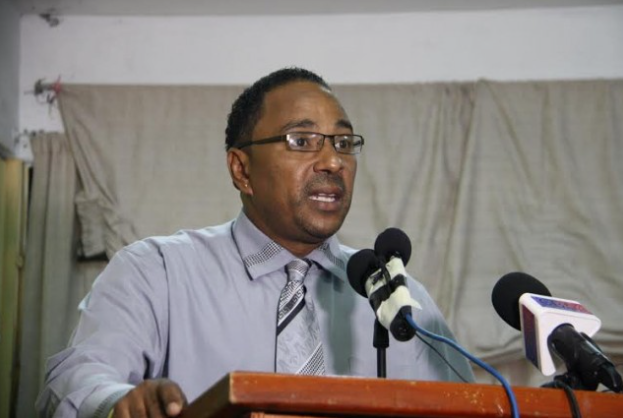
Audley Shaw
Minister of Finance Audley Shaw

It looks like one major campaign promise made by the new Jamaican government may already in jeopardy. The currently ruling Jamaica Labor Party (JLP) swept into office largely on their popularly received promise to eliminate the income tax for those earning under J$1.5 million (US$12,327) annually. The promise was much welcomed by the majority of voters – as well as those closely watching the elections among the Diaspora. For Jamaicans living abroad with family back home, a tax break would have eased the burden of sending frequent remittances to their relatives in Jamaica. For Jamaican retirees living abroad, a tax break would have also alleviated some of the tax pressures accrued on their pensions.

The new government however, has encountered a stumbling block, as Minister of Finance Audley Shaw recently announced that the main source of revenue – a gas tax – that the government was anticipating to use to fill the budgetary void resulting from the planned tax relief, had already been spent by the outgoing government. Although the prime minister subsequently announced the promised tax relief would be honored, it seems the government is in a predicament to implement this promised policy.

This predicament isn’t surprising. Several analysts and economists questioned the practicality of this tax measure, estimated to cost the government J$11.5 billion annually. For one, under the current funding agreement between Jamaica and the International Monetary Fund (IMF), the Fund is insistent the government implement tax reforms aimed at increasing the nation’s income-tax revenues. The proposed tax break would do the exact opposite, depleting revenue. Moreover, as the government faces with financial challenges to meet public sector expenses, taxes would have to be applied to other sources to make the promised tax break feasible. The question now is where to turn for these extra funds?

In response to the announced dilemma, there have been some interesting suggestions offered for sourcing alternative revenue to fund the tax relief measure. One suggestion is for the government to use 50 percent of Jamaica’s Tourism Enhancement Fund (TEF), created in 2001 to promote growth and development in the tourism sector, which is currently earning some US$50 million annually from a US$20 head tax on visitors flying into Jamaica. However, one questions the feasibility of utilizing a significant percentage of this fund outside the growth and development of Jamaica’s tourism industry, particularly when fierce competition from Cuba’s booming tourism sector is brewing.

Also, the TEF could benefit the Diaspora by developing Jamaica’s secondary tourism sector, especially smaller hotels on the island’s north, northeast and southern coast. This would create an attractive, affordable product for visitors from the Diaspora who cannot afford the island’s more expensive tourism products, but who yearns to make Jamaica their vacation destination.

Another suggestion is for the government to implement a small tax on financial remittances from the Diaspora. The island’s gross remittances, according to a recent report from the Bank of Jamaica (BOJ), were calculated at US$2.2 billion  in 2015 – which marked a fourth consecutive year of increased remittances. Of that amount, net remittances totaled US$1.99 billion, or US$63.5 million more than a year earlier. However, rather than using this tax to fill a void created by an income tax break, it would possibly be more productive to use this revenue to create jobs for the thousands of unemployed Jamaicans.

While some sympathize with the government as it copes with this predicament, others are wondering if the JLP hadn’t thoroughly analyzed the pragmatics of implementing this measure. The government must be cautioned that voters take this promise seriously, and expect it to be kept. An extended delay in implementing the measure may make the young government risk losing its credibility at home and among the Diaspora.


 

Think ‘inside the box’ to protect your financial well-being

We all want to feel safe. However, almost 60 percent of adults believe the overall level of risk facing their family — whether to personal safety or financial assets — is increasing, according to Travelers 2015 Consumer Risk Index.

With so many creative and often confusing ways to achieve security, experts from the FBI to AARP agree that people need to start thinking “inside” of the box. That is, use a safe deposit box to store important documentation, jewelry, currency, collectibles and other valued possessions.

For baby boomers and seniors especially, “thinking inside the box” is one of the easiest, most effective and inexpensive ways to protect valued assets.

It is important, however, to also remember their limits.  Contrary to popular belief, safe deposit boxes are not insured by any financial institution or federal agency. This is why Safe Deposit Box Insurance Coverage, LLC (SDBIC) has recently introduced an affordable way to safeguard the contents of your box.

With this added security, here are three reasons why ‘store it and insure it’ should soon be a trending topic among certain groups.

Life transitions require blueprints

Life transitions are never easy and can often become entangled in unforeseen difficulties if a document is misplaced. The need to store important materials in a secure and accessible location, away from the shuffling of everyday life, is paramount.

Wills, trusts, titles, legal directives for financial holdings and other documentation are critical to keeping your life in order, plus ensuring that those closest to you have a complete and organized ‘blueprint’ for executing and managing your personal and financial wishes.

Moving makes you more vulnerable

Better Homes and Gardens survey found that 57 percent of boomers — amounting to almost 48 million — plan to move out of their current home. At the same time, their parents are often moving into assisted living facilities or retirement communities.

These kinds of physical relocations increase the risk of having valuable property lost due to human error, theft or larceny and make your home more vulnerable to burglary.

The chance of recovering stolen property remains dismal. FBI crime report statistics show that of the approximately $2.6 billion in jewelry, precious metals, currency, notes and other documents stolen from homes, less than 8 percent was ever recovered.

Natural disasters are increasing in frequency and severity 

Floods, fires, tornados, hurricanes and more continue to hammer both homes and businesses at an alarming pace, with three of five major natural disasters last year occurring right here in the U.S., according to ABC News.

During any of these, a commercial building — and especially a steel vault — stands a better chance of maintaining structural integrity than a home. Even if not for full-time storage purposes, you should use a safe deposit box or vault unit as a safe haven for your valuables.

As the recent, offseason floods along the Mississippi, in Texas and the southeast testify, these natural disasters are no longer predictable and some of the most destructive ever recorded.

Research suggests 40 to 60 percent of consumer’s valuable personal items damaged in these events are not protected by homeowners’ insurance.

The takeaway—store it and insure it

In addition to the peace of mind that comes with a safe deposit box, consumers can now easily access a patented, affordable insurance which provides blanket coverage for the entire contents of a safe deposit box without disclosures, appraisals or deductibles. It’s a new solution many banks across the country are beginning to offer their customers, according to the American Bankers Insurance Association (ABIA).

It is also the only insurance in the country that will now protect previously uninsurable items such as currency, bonds, cash, gold, silver and even important papers like wills, trusts, titles, deeds, photos and digital backups.

“Our goal has always remained the same,” says Gerald Pluard, president of SDBIC, LLC, “to help make the safest places even safer for consumers.”

Brandpointcontent.com

7 breakfast makeover meal tips for kids

Between transporting kids to school, getting to work on time and never missing extracurricular events, the minivan can feel like a second home, making eating on the run a necessity. Whether planning breakfasts on the way to school or snacks after soccer practice, the following tips can help upgrade parents’ minivan meal game.

Start the day right. Breakfast is the most important meal of the day, and many options are portable. Store peeled hardboiled eggs in the fridge overnight so they’re ready to take along in the morning. Bring yogurt in squeezable tubes, instant oatmeal in cups that can be microwaved right before heading out the door and easy-to-eat fresh fruits like bananas and apples.

Use drive-friendly dishware. Muffin liners make the perfect disposable dishware for snacks on the road. For an even easier solution, keep an empty muffin pan in the car and let kids use it for a lap tray to hold the snack-filled cups in place.

Make easy-to-hold foods. Instead of buying string cheese, cut back on packaging by making easy-to-hold cheese sticks. Cut off lengthwise pieces of naturally delicious Arla Dofino(R) Havarti for the perfect portable snack. Made with few ingredients, no added hormones and from local farmers’ milk, it’s a simple, nutritious and delicious take-along food that you can feel good about serving to the whole family.

Keep cool. To ensure that foods stay fresh, keep a cooler or insulated container in the car for storing foods to be eaten later in the day, and for leftovers from any unfinished meals and snacks. It’s also great for keeping cold water bottles available so everyone stays hydrated.

Be crafty with snacks. Raid the kids’ craft table to create quick on-the-go snacks. Popsicle sticks are the perfect vehicle to hold together bite-sized foods like cheese cubes, cucumber slices and cherry tomatoes.

Put a fresh face on food. Animal outlines like fish, bunnies and bears can put a fun spin on fresh foods. Use cookie cutters to cut fruit, veggies, cheese and bread into cute shapes ahead of time and store in a bring-along container.

Put magic into mini meals: Creative snacking keeps kids’ tummies full and their imaginations active. Create edible magic wands by topping pretzel sticks with Havarti cheese cut into star shapes. Pair cubed Arla Dofino(R) Smoked Gouda with satisfying beef jerky for a “caveman haul” snack, or add the cheese cubes to trail mix for an extra boost of protein.

Fast, fill ‘em up sandwiches. Bigger kids also need fuel to keep them going between all their activities. Top whole wheat bread with peanut butter, pre-sliced Gouda cheese and slivers of fresh pear. Pita bread is also a portable, edible container, perfect for filling with sliced turkey, Dill Havarti, hummus and chopped bell pepper.

Ensure less mess. Stock the minivan’s glove compartment with napkins and wet wipes to avoid a mealtime mess. Zip-top bags also come in handy for storing foods that kids might not have time to finish between activities. Keep a box of garbage bags in the car to easily stash the trash and dispose of it at home.

NY African Film Festival returns to Film Society of Lincoln Center

Filmmakers Ekwa Msangi & Iquo Essien with their guests at the 2015 NYAFF. Photo credit: Leon Williams

Celebrated film festival opens with Tanna by Bentley Dean and Martin Butler

On May 4-10, The Film Society of Lincoln Center and African Film Festival, Inc. will host the 23rd New York African Film Festival (NYAFF). Marking the 50th anniversary of Ousmane Sembène’s celebrated first feature, Black Girl, the 2016 festival is presented under the banner “Modern Days, Ancient Nights: 50 Years of African Filmmaking.”

Opening with a special advance-preview town-hall event on Sunday, May 1, the festival will present 25 feature-length films and 27 short films from 26 countries, bringing another thrilling and multifaceted selection of African films from the continent and the Diaspora to New York audiences. The festival continues throughout May at Maysles Cinema and the Brooklyn Academy of Music’s BAMcinématek.

“We are very pleased to partner with African Film Festival, Inc. once again for the 23rd edition of the New York African Film Festival,” said Film Society of Lincoln Center Director of Programming Dennis Lim. “This year’s lineup is an extremely diverse and rewarding mix of features, documentaries, and short films that are an exemplary celebration of the continent’s rich and varied voices.”

This year’s festival kicks off with a preview town-hall event featuring the Digital Diaspora Family Reunion Roadshow (DDFR), a community photo-sharing session and veritable show-and-tell of fascinating family stories, on Sunday, May 1 at 2 p.m. at the Film Society’s Elinor Bunin Munroe Film Center Amphitheater. Attendees to the free event are encouraged to bring their family photos, a selection of which will be shared with the audience. The DDFR Roadshow is a companion transmedia project for the Thomas Allen Harris film Through a Lens Darkly, and a panel discussion with African Diasporan creatives will follow the presentation. A digital exhibit of portraits and images from the DDFR Roadshow will run throughout the festival at this same venue.   

The Closing Night Spotlight on Tuesday, May 10 includes Manthia Diawara’s Negritude: A Dialogue Between Wole Soyinka and Senghor and a shorts program about New York’s African Diaspora, with several filmmakers in attendance. Negritude imagines a dialogue between Léopold Sédar Senghor and Soyinka. Historian and Columbia University Director of Institute for African Studies Mamadou Diouf and special guests will partake in a post-screening discussion that illuminates this historic period in the context of contemporary society.  

The 23rd edition also focuses on the correlation between activism and art, featuring the documentaries Martha & Niki, the story of the first female hip-hip duo to emerge victorious at the premier international street-dance competition.

For more information, visit filmlinc.org.

Jamaican man faces 5 years in prison for identity theft

A look at some of the top stories making the news today, April 13, across your Caribbean-American community in South Florida.

New reports say rents are rising rapidly in both Broward and Miami-Dade counties. Renters in Fort Lauderdale can expect to pay 45 percent of their income to housing, while renters in Miami Beach pay 56.9 percent. Renters throughout the tri-county area pay 43.8 percent of their income, compared to 28.5 percent before the housing bubble burst pre-2008.

Broward School superintendent Robert Runcie has rejected claims made in a Sun Sentinel report saying the county may have to pay back $23 million in federal funding for vulnerable schools, following a state audit questioning its expenditure. In an Op-ed letter, Runcie said the audit made no assertion that the district spent inappropriately, and that inconsistencies were caused by changes in school rankings after the district submitted its original application.

Jamaica’s First Lady of Jazz Myrna Hague heads to South Florida this Sunday for the special “Simply Myrna,” starting 7 p.m. at the Miramar Cultural Center. The Jazz singer will perform a repertoire of jazz classics, popular reggae and pop selections, and will be accompanied by local stars A. J. Brown of Third World, Ian Sweetness and the Eugene Grey Band.

In sports, 6 stars from the victorious West Indies Under-19 squad will play in the upcoming Caribbean Premier League. Players include Under-19 captain Shimron Hetmyer for Guyana Amazon Warriors, Anderson Phillip for Trinbago Knight Riders, and Oshane Thomas for Jamaica Tallawahs. South Florida fans will soon get a peak at the rising West Indies talent, when the league comes to Lauderhill for 6 games in July.

What’s trending:

Jamaican man Roland Jason Duckett faces 5 years in prison in a Charleston, South Carolina court, for using another person’s identity in an attempt to obtain a U.S. passport. Duckett said he entered the U.S. from Jamaica in 2007. When his visa expired, Duckett said he paid another individual for the use of identification documents. He will be sentenced in July.

For Today’s Weather Forecast:

Partly cloudy in Broward County with a high of 86 and a low of 68. For Miami-Dade, partly cloudy with a high of 83 and a low of 68.

For more information on these and other stories, visit caribbeannationalweekly.com. Remember to pick up this week’s copy of our Caribbean National Weekly at your nearest Caribbean outlet.

Barbados Opposition files “no confidence” motion in PM

Opposition Leader Mia Mottley

The main opposition the Barbados Labour Party (BLP) has announced plans to file a motion of no confidence in the Freundel Stuart administration. Opposition Leader Mia Mottley told a news conference that over the past 13 weeks, the country has been on auto pilot “lurching from crisis to crisis.”

“We cannot have a government by stealth, a government by rumor and a government by anonymity,” Mottley said, adding that this all adds up to “no government at all.” She told reports at a recent media briefing that there was a “culture of silence” within the government, “which is unacceptable, given the dire state of affairs in the country today.”

She said that the BLP met last week “against the background of 13 weeks of Barbados lurching from crisis to crisis and the continued suffering of Barbadians and we passed and agreed that we would next week file a motion of no confidence in the government of Barbados.”

Mottley said that said the BLP does not believe that “Barbados can continue to coast, or indeed drift for another 22 months on a platform of indifference, incompetence and indeed corruption. And to that extend Barbadians need to be given the facts. This motion of no confidence is not about having the parliamentary majority, because we clearly do not have the parliamentary majority, but it is about bringing the facts to the people of the country because Barbadians deserve the right to be able to determine their future and their destiny,” she added.

In the 2013 general election, the ruling Democratic Labour Party (DLP) in the Caribbean won 16 of the 30 seats in the Parliament.

Childhood obesity growing at alarming rate, says Dominica Health Minister

Minister of Health Dr. Kenneth Darroux

Calls surge of processed food and drinks a major factor

Minister of Health Dr Kenneth Darroux says childhood obesity is growing at an alarming rate among the younger generation, according to a newly released report.

Citing data from the report, Minister Darroux noted that “the prevalence of overweight and obese children (0 -59 months) increased from 9 percent in 2000 to 12 percent in 2009; and an estimated 24.8 per cent of adolescents (13-15 years) were overweight and 9.1 per cent, obese.”

Dr Darroux attributes the growing rate of obesity among Dominica’s children to the surge of processed food and drinks, combined with more sedentary lifestyles.

“Some of our children are fed foods and drinks with high sugar and salt contents daily. Some of these so-called snacks can be classified as non-foods, yet our children consume them every day,” said Dr. Darroux.

The rise in obesity rates among children is of particular concern and a major priority of the Health Ministry, said Dr. Darroux, because of the toll it takes on the healthy system in treating conditions stemming from clinical obesity, such as diabetes and heart disease.

“The cost of treating these complications and the associated human suffering is of grave concern to us at the Ministry of Health and Environment and the Government, by extension.”

He also said that children’s diet and lifestyle contribute greatly to the issue.

“It can be argued that much of the overweight and obesity among our children is directly related to the processed energy-dense, non-nutritious food and drinks that they consume, coupled with physical inactivity at home and in the school environment,” he explained.

“Some of our children are daily fed food and drinks of high sugar and salt contents—some of these so-called snacks can be classified as non-foods; yet, our children consume them every day. Meanwhile, physical inactivity is encouraged, with such energy-saving machines like motor vehicles, and passive entertainment machines, as computers, video games, and television.”

West Indies U19 World Champions sign up for CPL franchises

Fast bowler Alzarri Joseph

Tom Moody expects emerging local talent to make “significant inroads” this season

Six stars from the victorious West Indies Under-19 squad will feature in the 2016 HERO Caribbean Premier League (CPL) after the franchises completed their player rosters for the forthcoming campaign.

Three Caribbean players have been retained by their home teams; West Indies Under-19 captain Shimron Hetmyer(Guyana Amazon Warriors), fast bowler Alzarri Joseph (St Kitts & Nevis Patriots) and Gidron Pope (Zouks).

They have been joined by Anderson Phillip (Trinbago Knight Riders), Shemar Springer (Barbados Tridents) and Oshane Thomas (Jamaica Tallawahs).

As per CPL regulations, each franchise is invited to select one player from their home country for the fourth edition of CPL, which will take place between from 29 June until 7 August 2016.

CPL International Director of Cricket Tom Moody said: “Firstly, on behalf of the CPL, I would like to pay tribute to the West Indies Under-19 squad for a superb campaign in Bangladesh which culminated in a thrilling victory over India earlier this year.

“It was hugely exciting to see so many promising players expressing themselves with an attacking mind-set and it certainly bodes well for the future of the game across the Caribbean. The CPL is committed to encouraging future generations of players and followers to the game and I have no doubt that West Indies cricket will reap the benefit this season and for many years to come.

“In making their selections, the six franchises analysed and scrutinised in great depth the available talent on display and conducted internal camps to assess the players up close. It wasn’t a straightforward process, which is testament to the performances of the players.

“For those selected, this is another important step on their pathways and we wish each of them well in their preparations over the coming weeks and months ahead.”

Remembering Slavery

New MOCA exhibit looks at slavery’s history and legacy in the Caribbean

How should the Caribbean remember slavery? Figuring out how to memorialize the region’s length history of enforced enslavement – and how its legacy still affects society today – has always been tricky for Caribbean people. Do we focus on historical artifacts to show what life was like? Do we build monuments? Should we remember slavery as a historical period, or a cultural inheritance still influencing everyday life?

These are the questions Guadeloupean artist Marielle Plaisir explores in her latest exhibit, “Acta Non Verba,” which opened recently at the The Museum of Contemporary Art (MOCA) in Miami. The exhibit collects a section of the artst’s drawings, portraits, paintings, tapestries and video. Collectively, the work explores both historical and personal issues about colonialism, domination, and the construction of identity.

One medium particularly prominent is the use of clothing, such as the paper machete dresses cut in the fashionable styles of the 18th century, at the height of slavery in the Caribbean. Referring to the historical use of clothing to distinguish who was free and who was enslaved in colonial society, the clothes are meant to reflect on how materials thinks still shape identity and self worth in the Caribbean – who has the power, and who is powerless.

“My work interrogates the concept of domination, which has existed from the time of slavery until now,” Plaisir says, who dressed in colonial period clothing during the opening presentation held at MOCA last week. “The common thread throughout my work is a critique of prejudice, according to which political power is ‘a natural fact’.”

The show runs until May 29.

Jamaican Sports Minister calls for gender equality in sports

Sport Minister, the Honourable Olivia 'Babsy' Grange

Sport Minister, the Honourable Olivia ‘Babsy’ Grange has called on stakeholders within the sporting fraternity to join her in lobbying for greater gender equality in sport, particularly in the game of the cricket.

Jamaica’s Minister of Sports, Olivia “Babsy” Grange, says a decision to deny a female student at the Eltham High School in the central parish of St. Catherine, the change to represent the school in cricket is “disingenuous and discriminatory”.

Grange addressed the issue at a welcome home reception, held last week for  Stephanie Taylor the captain of the victorious West Indies Women’s cricket team.

The Sport’s minister said the omission of the student could deny her a chance to rise from the “doldrums and become a world star”  –  and walk in the footsteps of Taylor – who also attended Eltham High.

“This young lady is being denied the opportunity to represent her school. If this opportunity had been denied Stafanie, we would not be here celebrating her today. This young lady should not have been denied the opportunity of playing with the boys. Nothing is wrong with playing with the boys. It is her passion and she is saddened by it,” Grange said.

Can medications have an effect on my oral health?

The next time you pop a pill, ask yourself this question: What will this medicine do to my mouth and teeth? Many medications can affect your oral health. In addition to prescribed and over-the-counter drugs, vitamins, minerals, and herbal supplements can also cause oral health issues. Common adverse effects caused by medication include dry mouth, abnormal bleeding of the gums, gingival enlargement, and soft tissue reactions. However, these side effects can be minimized by good oral hygiene practices, including regular brushing with a fluoridated toothpaste and flossing.

Some common oral side effects include:

Dry mouth — antihistamines, blood pressure and heart medications, antidepressants and other drugs can cause a decrease in saliva, leaving your mouth prone to soft tissue inflammation, pain and infection. Tooth decay can also develop, and chronic dry mouth can create problems for people who wear dentures. Alleviate dry mouth by drinking more water or using sugarless lozenges or gum to stimulate the flow of saliva. Artificial saliva or, in some cases, medication may be recommended by your dentist or physician.

Gum tissue overgrowth — also referred to as “gingival hyperplasia,” gum tissue overgrowth is associated with anti-seizure medications, immunosuppressant drugs such as those taken by organ transplant patients and calcium channel blockers taken by heart patients. Studies suggest that gum tissue overgrowth can be controlled if meticulous oral hygiene is started at the same time or before medication is taken. Tissue overgrowth can complicate oral hygiene. Sometimes, a gingivectomy (a procedure used to remove excess tissue) may be necessary.

Soft-tissue reactions — oral sores, inflammation or discoloration of the soft tissue can result from taking medications prescribed for blood pressure control, immunosuppressive agents, oral contraceptives and some chemotherapeutic agents. Your dentist may recommend an oral hygiene program to limit the discomfort associated with such side effects.

Abnormal bleeding — reduced blood clotting is a result of aspirin and prescribed anticoagulants, like heparin or warfarin. These medications are prescribed to treat strokes or heart disease, but can cause bleeding problems during oral surgery or periodontal treatment. If you’re having dental treatment, talk to your dentist about these medications, especially if the dental procedure involves bleeding.

Tooth discoloration — intake of tetracycline products when teeth are developing can cause permanent staining in those teeth. Cosmetic dentistry techniques like veneers, crowns, bonding procedures, or, in some cases, bleaching may be used to lighten teeth with tetracycline stains.

Oral candidiasis— certain inhaler medications used for asthma may lead to a yeast infection in the mouth. Rinsing your mouth out with water after using an inhaler can help prevent this side effect.

Dr. Sharon Robinson DDS may be reached at The Dental Place  located at 6738 W Sunrise Blvd, Suite #105, Plantation, Fl. 33313. Dr Robinson may be contacted at 954-792-1857 or visit the website www.dentalplace4u.com.

5 ways to snack better

Snacking is part of our daily lifestyles, making up half of all eating occasions, according to a report from The Hartman Group. With snacking on the rise, healthy eating is often a challenge. However, when done in moderation with nutritious options, grazing can help you maintain energy throughout the day and ensure your body gets the calories and nutrients it needs. To nosh the sensible way, follow these simple tips.

– Plan ahead: When it comes to eating a well-rounded diet, preparation is the first step toward success. Prior planning ensures decent choices are at your fingertips and helps you avoid the temptation of purchasing junk food. Before taking a trip to the market, create a list packed with fruits, vegetables and whole grains. Once finalized, stick to it!

– Mix it up: Smoothies are now more popular than ever, with Americans consuming a whopping 7.4 billion smoothies last year alone. Perfect for taking on the go, smoothies are easy to make and packed with nutrients. These satiating snacks allow us to consume healthy selections, such as citrus fruits, berries, leafy greens, almonds, chia seeds and flaxseed—all in one delicious drink. When the 10 a.m. or 3 p.m. craving hits, indulge in your healthful smoothie.

– Go nuts: How you fuel your body can make a difference in how you feel. Foods such as nuts and seeds are high in protein, so opt for a handful of raw almonds, pumpkin seeds or a seed and nut mix to keep you full between meals. Nut butters provide a sweet and salty fix and are another great way to add a dose of protein and healthy fat. Blend fresh peanut, almond or cashew butters and store in your refrigerator for easy access.

– Snacks to stash: Whether you are hauling your children from practice to practice, juggling multiple projects at work, or studying for exams, stress may bring mindless munching. Luckily, there are plenty of favorites you can make yourself that can satisfy your cravings in a more healthy manner. If you’re a fan of chips, consider baking your own, which will enable control over fat and sodium content, and allow you to consume all-natural ingredients. Pita chips hold up to dips and sauces such as spicy hummus, guacamole or mayo salsa, which are loaded with nutrients and provide an alternative to calorie-laden selections.

– Satisfy your hunger: Eating well doesn’t have to be a time-consuming chore. Choose items that are packed with fiber, protein or slow-digesting carbs to help you stay satisfied longer. Hardboiled eggs, air-popped popcorn and oatmeal are great options.

Victims of the US$68 Million ponzi scheme to be compensated

A look at some of the top stories making the news today, April 12, across your Caribbean-American community in South Florida.

Police officials from across the country arrive today for the weeklong National Black Police Association conference, to be held at the Fort Lauderdale Marriot North Hotel. The conference will culminate this Friday with the free public forum, where a panel of law enforcement officials will discuss how to improve police and civilian relations across the country.

Local victims of the George Theodule ponzi scheme can now get some relief, following the approval of 5 million dollar fund. Court-ordered receiver Jonathan E. Perlman will oversee all claims. Victims have until August 16 to file. Orchestrated by self-proclaimed pastor George Theodule, the scheme collected an estimated $68 million, mostly from the South Florida Haitian community.

Residents celebrated wellness this past weekend at the City of Miramar Run/Walk and Health Fair at the Miramar Town Center. In addition to the 3K Run, the event provided free medical screening, aerobic classes, and cooking demonstrations. The day also sought to highlight important community health initiatives, such as Caribbean-American “Nuh Guh Deh” campaign against child abuse

In sports, it was victory for Trinidad and Tobago and Jamaica at the recent Lauderhill T20 tournament. Now a report from Cerone White on the T20 showdown.

Team T&T won 177 for 4 against India, while Jamaica enjoyed a razor close victory against Pakistan, scoring 162 for 7, beating Pakistan by just 2 runs.

What’s trending:

Jamaican chef and Food Network’s “Chopped” champion Andre Fowles returns to TV tonight to compete in the “Chopped Champions” tournament. The culinary showdown starts at 10 p.m. EST.

For Today’s Weather Forecast:

Partly cloudy in Broward County with a high of 84 and a low of 67. For Miami-Dade, partly cloudy with a high of 84 and a low of 67.

For more information on these and other stories, visit caribbeannationalweekly.com. Remember to pick up this week’s copy of our Caribbean National Weekly at your nearest Caribbean outlet.

This Day in History

The Right Honorable Sir Kennedy Alphonse Simmonds

The Right Honorable Sir Kennedy Alphonse Simmonds was born

On this day in history, on April 12, 1936, the Right Honorable Sir Kennedy Alphonse Simmonds, the Premier of St. Kitts and Nevis was born in Basseterre, St. Kitts.

In 1965, at the age of 28, Simmonds became a Founding Member of the People’s Action Movement, (P.A.M.)in Saint Kitts and Nevis, and was elected President of the party in 1976.

Simmonds was the country’s first prime minister from February 21, 1980 to September 1983, when Saint Kitts and Nevis obtained its independence from the United Kingdom. He is also one of the founding members of the People’s Action Movement (PAM).

On September 16, 2004 Simmonds was appointed as a Knight Commander in the Most Distinguished Order of Saint Michael & Saint George.  On September 16, 2015, National Heroes Day, Simmonds was honored as the fifth person to be named a National Hero and the first living person to receive the honor.

Simmonds was lauded for ushering the “world’s smallest and freest” country into Nationhood and for steering the country to highest levels of growth in the Hemisphere.

Sir Kennedy is married to Lady Mary Simmonds. He has five children – Pauline, Michael, Kennedy Alphonse, Kenrick and Keris.


Victims of George Theodore’s ponzi scheme to get money back

Ponzi scheme victims face deadline to recover some losses

Local victims of the George Theodule ponzi scheme can now get some relief, following the approval of a 5 million dollar fund.

Court-ordered receiver Jonathan E. Perlman will oversee all claims. Victims have until August 16 to file.

While the scheme involved $68 million, more than a third of the money was used to pay early investors the promised exorbitant returns of 33 percent a month, said Jonathan E. Perlman, the receiver appointed by the federal court to try to recover assets for victims.

When appointed in December 2008 as receiver, Perlman said, Theodule-related companies had about $28,000 in bank accounts.

It took 31 lawsuits and more threatened actions to claw back the money, including most helpfully claims against four banks and brokers who the legal team accused of either aiding or abetting Theodule’s breach of duty to his investors, or fraudulently transferring money for someone they should have known was up to no good.

The claims against the banks were originally dismissed by a trial judge in 2012, but the firm’s attorneys appealed to the 11th Circuit Court of Appeals in Atlanta, which reversed the dismissals and reinstated the cases in 2014. Wells Fargo wound up agreeing to pay more than $3 million to settle one of the lawsuits.

For 18 months ending in 2008, a former Pahokee grocery store clerk and used car salesman ran a $68 million Ponzi scheme that swindled thousands of people, many of them working-class Haitian-Americans like him, who he met through churches.

While George Theodule is in the third year of his 12.5-year federal prison sentence, victims of his Creative Capital Consortium since 2008 were left with nothing of their “investments.”

Diaspora pens open letter protesting State Department’s stance on elections

As the debate over Haiti’s election verification continues, select members of the Diaspora community in the U.S. have stepped into the fray, penning an open letter to the State Department calling for the U.S.’s support in investigating the outcome of last year’s elections.

The U.S. should support investigations into the flaws and deficiencies of the August and October elections and any and all consequent recommended corrections to them,” said the letter. “Investigating the massive fraud in the elections and re-running races will take time and money but is far preferable in the medium and long term to an illegitimate legislature and presidency disrespected by most Haitians.

Several U.S. representatives, most recently U.S. Ambassador Peter Mulrean said Provisional Electoral Council’s current proposal to form an independent verification commission to examine claims of ballot tampering and fraud in last year’s election was not necessary. And Haiti Special Coordinator Kenneth Merten has been making the rounds with international leaders and organizations to support the current plan to hold the presidential run-off on April 24.

The open letter to the White House, however, called on the State Department to “adopt a policy that prioritizes respect for Haitians’ democratic rights, not political expediency.”

“U.S. diplomats continue to disregard the broad consensus of Haitian political and civil society and of Haitian-Americans in favor of an investigation,” said the letter. “Haiti’s leading electoral observation bodies for these reasons consider a full and independent investigation into voting fraud to be an indispensable condition for re-establishing confidence in the electoral process. This demand is supported by a broad spectrum of human rights leaders, opposition parties, and civil society groups, and by tens of thousands of Haitians who have taken to the streets repeatedly in the past few months.”

In addition, the group called for Secretary of State, John Kerry, to “publicly and forcefully condemn calls by Martelly supporters, especially drug dealer and 2004 coup leader Guy Philippe, to violently oppose the transitional government.”

“The threat of paramilitary violence is hanging over the head of the transitional government as it attempts to restore fairness and credibility to the electoral process,” said the letter. “Given Philippe’s role in overthrowing Haiti’s elected government in 2004, his known involvement in drug trafficking (Philippe is on the DEA’s Wanted list), and his close ties to former President Martelly and the right wing, U.S. officials should loudly and clearly denounce this electoral intimidation rather than ignoring it.”

Signatories of the letter came across the United States, including several organizations and advocates from South Florida. South Florida organizations included the Center for Self-Sufficiency in Miami, the Haitian Women of Miami (FAMN), the Haitian American Grassroots Coalition, National Haitian Student Alliance, Voice of Haitian Americans in the Diaspora (VHAD), and Sant La, Haitian Neighborhood Center, Inc. Local officials who also signed the letter include Daphne D. Campbell, State Representative, Florida House of Representatives (District 108), and Alix Desulme, Vice Mayor and Councilman, City of North Miami, FL (representing District 4).

T&T Prime Minister to meet with US Vice President

Trinidad’s Prime Minister Dr Keith Rowley heading for US for medical check-up
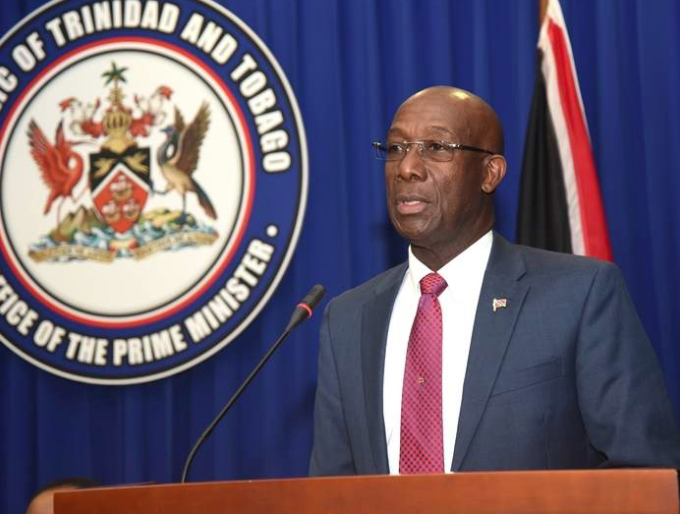
Prime Minister Keith Rowley

Two officials to discuss energy and security related issues

Energy and security related issues are expected to dominate talks next month with Prime Minister Dr Keith Rowley, heads to the United States to meet with US Vice President Joe Biden .

This was disclosed  last week, by Minister in the Attorney General and Prime Minister’s office, Stuart Young, who said Rowley will be leaving for Washington on May 2.

The meeting in Washington will be held on May 3 and 4.

From Washington DC, the Prime Minister will go to New York, where he has accepted an invitation to deliver the feature address at Medgar Evers College on May 5 for the first annual awards dinner recognizing individuals and corporate contributions.

“The importance of this Medgar Evers College is that T&T nationals account for 23 percent of the College’s international student population,” said Young.

The Prime Minister will then head to the United Kingdom for a meeting with Robert Dudley, the Chief Executive Officer of BP on May 7.

On May 8, the Prime Minister will embark on an official visit to Ghana, on the invitation of President John Dramani Mahama who extended the invitation when he and Dr Rowley met at the Commonwealth Heads of Government Meeting (CHOGM) in Malta.

“This is the continuation and exploration of bilateral discussions between Trinidad and Tobago and Ghana in the areas of investment such as banking, governance, institutional co-operation and technology transfer but also for us to explore energy sector related investments and how we may be able to assist Ghana.

He revealed that a private sector contingent has been invited to join the Prime Minister and the list is still being compiled.

The Ghana trip will take place from May 8 to 11

From Ghana, Dr Rowley will return to the UK for the Anti-Corruption Summit called by Prime Minister David Cameron. Stuart said he will be joining the PM there on May 12.

On May 13, they will meet with anti-corruption heads and units, an invitation, Stuart said, was extended to Dr Rowley personally by the UK Prime Minister based on discussions held in Malta.

“We are featuring quite brightly in the International spotlight in the fight against corruption and we came for special mention in those meetings based on contributions we have made at that level,” said Stuart.

Stuart said while the cost of the trips is still being tabulated, whatever the cost, it can be justified.

“Right now the Government has to take certain steps and initiatives to see what can be done outside of Trinidad and Tobago and this  trip to Ghana is very important in that aspect. The second one is a vital trip to meet the Vice President of the United States and to lead the Caricom delegation with respect to both energy and security matters. And then of course I am sure everyone would want us to be in the fight against corruption,” Young said.


Jamaica Agriculture ministry to increase ginger production for export

Ministry seeks to increase number of ginger farmers across the island

Jamaica is looking to export ginger by increasing production.

General manager of the Export Division of the Ministry of Industry, Commerce, Agriculture and Fisheries, Byron Henry says the authorities will seek also to increase the number of ginger farmers across the island and the ministry is focusing on the tissue culture method in order to produce disease-free ginger plants for farmers, especially in the parishes of St James, Portland, Manchester, St Thomas and Clarendon.

What we really need to do is to push the tissue culture production, so that we can provide clean seed materials for the farmers. What we are promoting is that the farmers do not replant what they have out in the field, but to visit a nursery or producer of tissue culture material and use that continuously to replenish their stock.”

Henry said  Jamaica’s ginger production continues to suffer from the rhizome rot disease, which damaged the industry in the 1990s, although there was some level of recovery in 2013.

He added that there is currently a domestic demand for over three million pounds of ginger annually, while the demand for the product on the export market is significantly higher.

The ministry is now collaborating with the Scientific Research Council (SRC) in the production of clean ginger plants, so that within a year, there will be enough disease-free planting material for farmers, including greenhouse operators.


T&T to host CARIFTA Water Polo Championships

At least five countries are down to participate in the 2016 CARIFTA Water Polo Championships being held at the Marlins Aquatics Club in West Moorings from Friday to Sunday.

Bahamas, Barbados, Curacao, Bonaire and the hosts have so far been confirmed for the event being staged by the Amateur Swimming Association of Trinidad and Tobago (ASATT) National Water Polo Committee.

T&T will enter three teams in the competition – an Under-14 co-ed, an Under-16 male and an Under-19 male team.

“It is the intention of the organisers to give our regional youths in this sport an opportunity for further training and development in a highly competitive environment that will strengthen the camaraderie amongst ourselves and our regional water polo players and teams,” said a statement from the ASATT.

The Under-19 Boys team is made up of Kryztien Sharpe, Adrian Hinds, Kristof West, Jamali Lewis, Christian Gillette, Justin Bhola, Sergio de Vignes, Leon Daniel, Liam Smith, and Tyrece Joseph.

The members of the Under-16 Boys team are Rajeev Ramdeen, Chad Rowley, Charles Gillette, Jason Hackett, Luke Gillette, Jean Luc Hinds, Joshua Welch, Tierce Clement, Daniel Ammon, Jamiel Attieh, Matthew Nimblett, Sebastian Rudden, and Enrique Shampoo

Among the under-14 Co-eds will be Zoe Van Reeken, Victoria Gillette, Yasmin Mohammed, Tahirah Beepat, Abel Valentine, Ross Gillette, Nathan Hinds, Antonio Newell, Christian Chin Lee, Tommy Ou, Everson Latchman, Nicholai Yorke, Gabriel Dos Santos.

sportsmaxtv.com

A Trinidadian meal that will leave you wanting more

Pelau is a one pot Caribbean dish and it’s a true Trinidad dish. No other island one pot dish can even come close to the Trinidadian Pelau. If you are a vegetarian or vegan, you can still enjoy this dish, just omit the chicken, add some extra veggies and you’re good to go.

Ingredients

  • 2 – 2 ½ lbs. mixed chicken pieces or legs and thigh, cut up and rinse with lime juice
  • 2 limes, juiced
  • ¼ cup green seasoning
  • 1 teaspoon salt
  • 1 teaspoon black pepper
  • 1 medium onion, chopped
  • 1 plum tomato, chopped
  • 1 medium size carrot, diced
  • 1 small red bell pepper, diced/chopped
  • 1 small green bell pepper, diced/chopped
  • 1 stalk celery, chopped
  • 6 sprigs fresh thyme, DE-stemmed or leave whole
  • 4 pimento flavoring peppers, chopped, optional
  • 2 cups frozen pigeon peas, boiled for 15 minutes
  • 2 cups parboiled long grain rice
  • 2 tablespoon canola or vegetable oil
  • 3 tablespoon brown or white sugar
  • 1 cup coconut milk
  • 2 cups hot water
  • 4 sprigs parsley, chopped
  • 1 teaspoon ketchup
  • 2 packs chicken or vegetable bouillon
  • 1 tablespoon cooking margarine (golden ray) optional
  • 1 scotch bonnet pepper, optional

Method

  1. [Marinating Chicken]
  2. Marinade chicken with green seasoning salt and black pepper for a minimum of 2 hours or overnight.
  3. Add onion, tomato, carrot, bell peppers, pimento peppers, celery and thyme to marinated chicken, set aside.
  4. [.Caramelizing or Browning the Sugar and making the Pelau]
  5. Heat a large pot on high heat, add oil and heat for about 2 minutes .Add the sugar, DO NOT STIR! 
  6. Allow the sugar to melt until it starts to get brown around some of the edges. Using your pot spoon, stir the sugar around, about 3 – 4 times until it starts to melt and become like liquid.
  7. It should start getting light brown in color, and going from liquid too almost frothy and bubbly in less than a minute .
  8. Stir the sugar again with your spoon, it should be darker in color at this point. The entire browning process, should take at least 2 – 3 minutes or so.
  9. Start adding the seasoned chicken a few pieces at a time, stir constantly to ensure all the pieces get coated evenly with the caramelized/burnt sugar.
  10. Do not add the seasonings from the bowl, you will be using it shortly
  11. After adding all the chicken pieces cover the pot and allow to cook on medium heat for about 10 minutes
  12. Open pot lid, turn up the heat for about 3 – 5 minutes so as to allow the chicken to get A NICE AND FINAL brown color, STIR!
  13. Add any seasonings that was left over from the marinated chicken bowl, Stir.
  14. Add the drained cooked pigeon peas, Stir. Cover Pot with lid for 5 more minutes
  15. While chicken is cooking, rinse rice in warm water about 3 – 4 times and drain.
  16. Add rice to pot and stir. Add golden ray butter if using, bouillon seasoning, ketchup, coconut milk, STIR!
  17. Add water and mix together. Cook on high uncovered for 2-3 minutes.
  18. Add the whole scotch bonnet pepper, 
  19. Turn heat to very low, cover pot and simmer for about 30 – 35 minutes, checking periodically to ensure it’s not sticking to the bottom of the pot, Taste and adjust seasoning if you need too.
  20. After you turn the heat off, add the parsley and mix in with your pelau.

Notes

The chicken will release a lot of it’s own juices at the first simmer, so you will have some liquid in the pot after this, so be very careful in adding liquids to the pot,

Just keep in mind your liquid should be about an inch or so above your rice, the trick here is to allow your pelau to simmer on very low! You can also use canned pigeon peas, if you use the can, there is no need to boil before use. If you can get the fresh peas, even better, just follow the same directions as for the frozen.

Most Trinidadians like eating their pelau with a cucumber salad, coleslaw, avocado and pepper sauce.

Debra LB., simplycaribbean.net

Walk a Mile with a Child

Participants at the 2013 Walk a Mile with a Child event

Event helps promote healthy lifestyle among the minority community

Celebrating National Minority Health Month, community wellbeing will be at the top of the agenda for the 9th annual Dr. Nelson L Adams “Walk a Mile with a Child,” set for Saturday, April 16, from 8:30 a.m. to 12 p.m. The walk will begin at Gibson Park and go through historic Overtown.

Hosted by the National Medical Association (NMA), James Wilson Bridges, M.D. Medical Society (JWBMS), and Sunshine Health, this free annual event seeks to empower minority community, providing  practical tools families can incorporate for a healthier home.

Promoting exercising is a crucial goal of the event, particularly as overweight and obesity rates are higher among African American children, with obesity rates increasing faster at earlier ages and with higher rates of severe obesity. Approximately 60 percent of Florida’s overweight children have at least one risk factor for cardiovascular disease such as high blood pressure or high cholesterol. With this in mind, the walk hopes to encourage adults to serve as community mentors by walking with the children and inspiring them to keep their minds and bodies active.

“The health and wellness of Florida’s children should be our primary focus,” said Dr. Nelson L. Adams, Chairman of the Board of Directors for Sunshine Health. “There are many chronic conditions associated with obesity that are easily preventable with a healthy lifestyle.”

The walk will be followed by a pop-up health and wellness fair that will be held at Gibson Park in Miami. Attendees will have an opportunity to participate in the fitness clinic, face painting, games, family Zumba class, as well as learn ways to improve the health and well-being for the whole family.

The event is just part of the health initiatives launched by NMA, a 121-year-old not-for-profit organization representing the interests of over 40,000 African American physicians and the patients they serve. As the local arm of the NMA, the JWBMS is just as committed to promoting optimal health for communities of color.

This Day in History

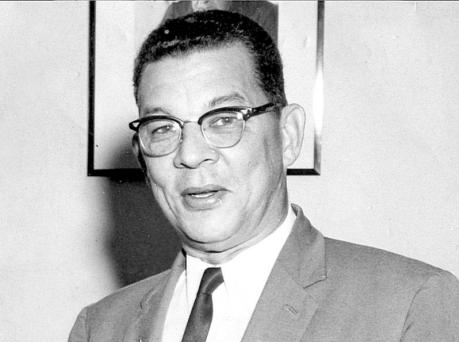
Sir Donald Burns Sangster

Sir Donald Burns Sangster, Jamaica’s second Prime Minister, dies

On this day in history April 11, 1967, Sir Donald Burns Sangster, the second Prime Minister of Jamaica died at the age of 56 from a subarachnoid hemorrhage. Sangster was in office for only 48 days and after his death, he was succeeded by Hugh Shearer, who was in office from 1967–1967.  

Born on October 26, 1911, Sangster is best remembered for his work to have Jamaica accepted in all major international organizations such as the United Nations, the World Bank and the International Monetary Fund. He also advocated for the development of Jamaica’s second largest airport located in Montego Bay, which now carries his name The Sangster International Airport.

Sangster entered politics in 1933 at the age of 21 with his election to the council of the Parish of St Elizabeth, Jamaica.

He became Acting Prime Minister in February 1964 when Prime Minister Sir Alexander Bustamante became ill.

Five days before he died, he was knighted by Queen Elizabeth II.

The former Prime Minister’s face appears on the Jamaican One Hundred Dollar Bill. 

The Jamaican one hundred dollar bill bears Donald Sangster’s face.

Genetically modified mosquitoes in the Florida Keys?

A look at some of the top stories making the news today, April 11, across your Caribbean-American community in South Florida.

The FDA has extended public feedback period to May 13 over the proposed trial introduction of a thousand genetically modified mosquitoes in the Florida Keys. The DNA altered mosquitoes, designed to produce offspring that will die off early, is intended to curb the population of the disease-carrying insect. The company, Oxitec, reports that past trials have seen 90% reductions in the population within 6 months.

Promoting naturalization among South Florida’s immigrant community, local leaders hosted free citizenship drives for local residents this past weekend. Broward County commissioner Dale Holness hosted a 2-day drive at the Lauderhill Mall, while Miramar Commissioner Winston Barnes held a free drive for families at the Youth Enrichment Center.

It was a delicious celebration this past weekend at the annual Trinidad and Tobago Food Fest, held at Christ the King Catholic Church in Miami. Festival organizer Jerry Alleyne-Nagee says the event is part of the Church’s efforts to raise fund for their independence celebration in September.

In sports, it was heartbreak for Melrose Strikers following their epic loss against 4th ranked Lauderhill Juniors 7-0 at this past Saturday’s CASA soccer Super League tournament, held at Lauderhill Sports Park. Now in 9th place, Melrose Captain David Jemesion says the team aims to rally from the defeat.

What’s trending:

New UNICEF/Respect Jamaica survey reports that 81 per cent of Jamaicans between the ages of 14 and 40 want to migrate abroad. Most who reported a desire to migrate said they want to leave for better job opportunities.

For Today’s Weather Forecast:

Partly cloudy in Broward County with a high of 80 and a low of 67. For Miami-Dade, partly cloudy with a high of 81 and a low of 67.

For more information on these and other stories, visit caribbeannationalweekly.com. Remember to pick up this week’s copy of our Caribbean National Weekly at your nearest Caribbean outlet.

From at school to home: 5 steps to keep kids active

Nearly one in six of all U.S. children and adolescents are obese, according to the U.S. Center for Disease Control. And with some struggling schools forgoing traditional physical education classes, health experts view this issue as a growing concern. The regular physical activity encouraged in PE classes not only helps build and maintain healthy bones and muscle, it has also been shown to improve students’ academic performance.

“Research shows that school is one of the first places where kids establish health habits,” says Jen Ohlson, co-founder of Interactive Health Technologies LLC (IHT), a company pioneering customized P.E. curricula through the use of heart rate monitoring. “As a solution, many health advocates are turning to physical education to positively impact adolescents’ overall health. With the right tools and resources available in school that can extend to home, teachers and parents alike can reach students on an individual level, helping them achieve their own fitness goals.”

Ohlson offers her top five tips for teachers, parents and caregivers looking to help their kids get more active:

1. Set measurable short term goals.

Motivation is all about goal setting. Teaching your kids or students to evaluate their habits and make changes that will improve their well being helps them learn the importance of living a healthy lifestyle. Setting goals can be a fun project that teachers, parents and students can work on collaboratively, just be sure the goals are measurable, timely and realistically achievable.

2. Use technology to help them understand.

“Research shows kids in the U.S. are spending more than 7.5 hours a day using technology. Alarming as it may sound, we see leveraging technology as an opportunity to help kids get and stay active,” Ohlson says. “Having worked with adidas to develop adidas ZONE for IHT Spirit, the first wrist-based heart rate monitoring device built specifically for PE, we’re using wearable technology to motivate students to work out to their own individual potential. Harnessing the power of heart rate zone training, these young athletes can reach their goals by running around, jumping, dancing, really any activity that raises their heart rate, no longer needing to race against their classmates or shoot a certain number of baskets.”

3. Make sure they know the “why” and “how.”

For students to excel athletically, they need to understand the “how,” “why” and “feel” behind the skill in their activity. If a child gets involved in a sport simply because their parents pushed them to, they likely won’t be motivated to improve or continue playing. It’s important to help your kids find activities that boost their self-esteem.

4. Be a model for active behaviors.

Show your kids how important staying active is by setting a good example. Younger children tend to follow the lead of their parents, so make sure you’re looking after your own health. Make the physical health of your entire family a priority.

5. Get involved in group activities.

Kids are more likely to be motivated when they receive support from a group of peers. Whether it’s a sports or dance team, running club or an active play date, encourage your kids to get out and be active with their friends.

While rising obesity rates and dwindling physical education classes continue to be a concern, the right approach and resources can help teachers and parents take matters into their own hands. Tools like the IHT Spirit System are certainly a big step forward, and following these tips can also play a part in helping every child get their health on track.

Japan triples investments in C’bean, LatAm energy projects

(L-R) Manabu Sakai, Japan’s State Minister of Finance, Hidetoshi Irigaki, the Vice President of JICA and Luis Alberto Moreno, President of the IDB after signing the agreement at the IDB’s 2016 Annual Meeting in Nassau, Bahamas

JICA, IDB expands co-financing arrangement to $3 billion

Through a new agreement with the Inter-American Development Bank (IDB), the Japan International Cooperation Agency (JICA) will invest a total of $3 billion in Latin America and the Caribbean to support renewable energy and energy efficiency projects, as well as quality infrastructure projects related to energy savings.

The new IDB-JICA agreement expands on the Co-financing for Renewable Energy and Energy Efficiency (CORE) program, which was created in 2012 to support energy investments to mitigate climate change impacts in Central America and the Caribbean.

The new agreement will increase the target amount of JICA’s highly concessional loan window from US$1 billion to US$3 billion, and will extend the term of the program until April 2021. This will also broaden CORE’s geographical reach, enabling partners to fund projects in all low-and middle- income IDB borrowing member countries, as well as more vulnerable Caribbean economies not previously covered by the program.

An innovative aspect of this arrangement is the Japanese government’s creation of the Japan Quality Infrastructure Initiative (JQI), the IDB’s first built-in grant mechanism for a co-financing arrangement. Additionally, its prioritization of infrastructure furthers the Japanese government’s aim to promote quality infrastructure in Latin America and the Caribbean as a way of improving energy efficiency, safety, and sustainability.

The agreement was signed by IDB President Luis Alberto Moreno and JICA’s Vice President Hidetoshi Irigakiduring the IDB’s 2016 Annual Meeting in Nassau, Bahamas. The signing took place in the presence of Mr. Manabu Sakai, State Minister of Finance of Japan.

“Japan has been a valuable partner as we have worked hard to put sustainability at the front and center of our operations,” said IDB President Luis Alberto Moreno. “Latin America and the Caribbean have enormous energy and infrastructure needs and we believe the program will help ensure that these investments have an even greater positive impact.”

JICA Vice President Mr. Hidetoshi Origami stressed, “With the second expansion of the CORE program, JICA is pleased to say that it has become the IDB’s largest co-financing partner. JICA will continue to work with the IDB on challenges in Latin America and the Caribbean, mainly in the fields of renewable energy and energy efficiency, now under the Japanese government’s initiative to globally promote quality infrastructure.”

Established in 2012 with an initial target amount of $300 million and later expanded to $1 billion in 2014, the CORE mechanism has proven an effective approach to promoting renewable energy and energy efficiency in Central America and the Caribbean. To date, the program has channeled approximately $800 million of JICA’s highly concessional resources, which are leveraged by IDB loans, to the LAC region.

This financing will move the LAC region forward in its efforts to meet the goals set by COP21 as well as by the United Nations’ Sustainable Energy for All (SE4All) initiative which aims to double energy efficiency and renewable energy use in the region by 2030.