Nearly one in six of all U.S. children and adolescents are obese, according to the U.S. Center for Disease Control. And with some struggling schools forgoing traditional physical education classes, health experts view this issue as a growing concern. The regular physical activity encouraged in PE classes not only helps build and maintain healthy bones and muscle, it has also been shown to improve students’ academic performance.
“Research shows that school is one of the first places where kids establish health habits,” says Jen Ohlson, co-founder of Interactive Health Technologies LLC (IHT), a company pioneering customized P.E. curricula through the use of heart rate monitoring. “As a solution, many health advocates are turning to physical education to positively impact adolescents’ overall health. With the right tools and resources available in school that can extend to home, teachers and parents alike can reach students on an individual level, helping them achieve their own fitness goals.”
Ohlson offers her top five tips for teachers, parents and caregivers looking to help their kids get more active:

1. Set measurable short term goals.
Motivation is all about goal setting. Teaching your kids or students to evaluate their habits and make changes that will improve their well being helps them learn the importance of living a healthy lifestyle. Setting goals can be a fun project that teachers, parents and students can work on collaboratively, just be sure the goals are measurable, timely and realistically achievable.
2. Use technology to help them understand.
“Research shows kids in the U.S. are spending more than 7.5 hours a day using technology. Alarming as it may sound, we see leveraging technology as an opportunity to help kids get and stay active,” Ohlson says. “Having worked with adidas to develop adidas ZONE for IHT Spirit, the first wrist-based heart rate monitoring device built specifically for PE, we’re using wearable technology to motivate students to work out to their own individual potential. Harnessing the power of heart rate zone training, these young athletes can reach their goals by running around, jumping, dancing, really any activity that raises their heart rate, no longer needing to race against their classmates or shoot a certain number of baskets.”
3. Make sure they know the “why” and “how.”
For students to excel athletically, they need to understand the “how,” “why” and “feel” behind the skill in their activity. If a child gets involved in a sport simply because their parents pushed them to, they likely won’t be motivated to improve or continue playing. It’s important to help your kids find activities that boost their self-esteem.

4. Be a model for active behaviors.
Show your kids how important staying active is by setting a good example. Younger children tend to follow the lead of their parents, so make sure you’re looking after your own health. Make the physical health of your entire family a priority.
5. Get involved in group activities.
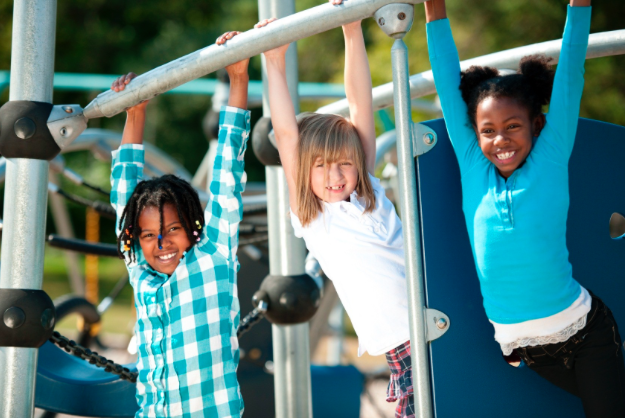
Kids are more likely to be motivated when they receive support from a group of peers. Whether it’s a sports or dance team, running club or an active play date, encourage your kids to get out and be active with their friends.
While rising obesity rates and dwindling physical education classes continue to be a concern, the right approach and resources can help teachers and parents take matters into their own hands. Tools like the IHT Spirit System are certainly a big step forward, and following these tips can also play a part in helping every child get their health on track.