Skin Cancer Awareness Month highlights sun exposure risk
The Caribbean is defined by its sunshine—beaches, tourism, outdoor living, and year-round heat. But that same sun exposure is also driving a health issue that remains under-recognized across much of the region: skin cancer.
May is observed globally as Skin Cancer Awareness Month, a campaign supported by cancer research and dermatology organizations worldwide, including the American Academy of Dermatology Association. While much of the messaging originates in higher-latitude countries, health experts say the Caribbean cannot afford to treat the issue as distant.
The sun factor
Ultraviolet (UV) radiation is the leading cause of skin cancer. The Caribbean’s geographic location near the equator means UV levels are consistently high throughout the year, not just in summer months.
Research from global cancer agencies, including the World Health Organization, shows that excessive UV exposure is strongly linked to melanoma and non-melanoma skin cancers. While darker skin offers some natural protection, it does not eliminate risk—particularly for delayed diagnosis, which can lead to more severe outcomes.
A hidden regional risk
Skin cancer is often underreported in Caribbean health statistics, but medical professionals across the region have increasingly warned that cases are being detected later than in North America and Europe.
One key issue is awareness. Many people associate skin cancer primarily with fair skin populations, which can lead to reduced use of sunscreen and lower vigilance about changes in skin pigmentation, moles, or lesions.
Outdoor workers—farmers, fishermen, vendors, and construction workers—are especially exposed, often spending long hours in direct sunlight with limited protective measures.
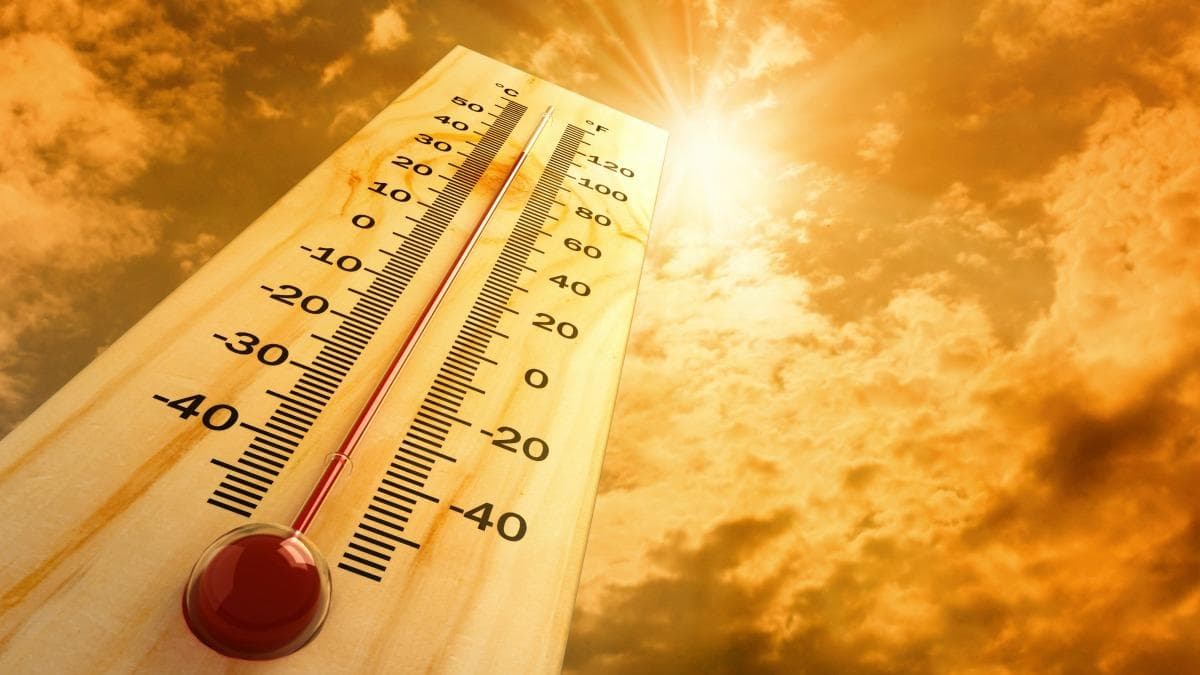
With rising global temperatures, heat exposure is becoming more intense across the Caribbean. This does not directly cause skin cancer, but it does increase cumulative sun exposure risks as people seek shade less consistently or underestimate UV strength on cloudy days.
Reflective surfaces like water and concrete can also intensify UV exposure, increasing risk even during routine daily movement.
Prevention is still simple—but uneven
Dermatologists stress that most skin cancers are preventable with basic protective habits:
- Regular use of sunscreen (SPF 30 or higher)
- Wearing hats and protective clothing
- Seeking shade during peak sun hours
- Monitoring skin changes early
However, access and affordability remain barriers. Sunscreen is still considered a luxury item in parts of the region, and public awareness campaigns are limited compared to other health priorities.
Early detection saves lives
Unlike many cancers, skin cancer is highly treatable when caught early. The problem, experts say, is timing. Delayed presentation remains the most significant factor in poor outcomes.
Health practitioners are encouraging Caribbean residents to treat skin checks as routine—not optional—and to pay attention to any new or changing skin marks, particularly in high-exposure individuals.
As the Caribbean continues to promote tourism and outdoor lifestyles, health experts argue that sun safety must become part of everyday public health messaging—not just seasonal advice.