Why hypertension remains one of the Caribbean’s deadliest health threats
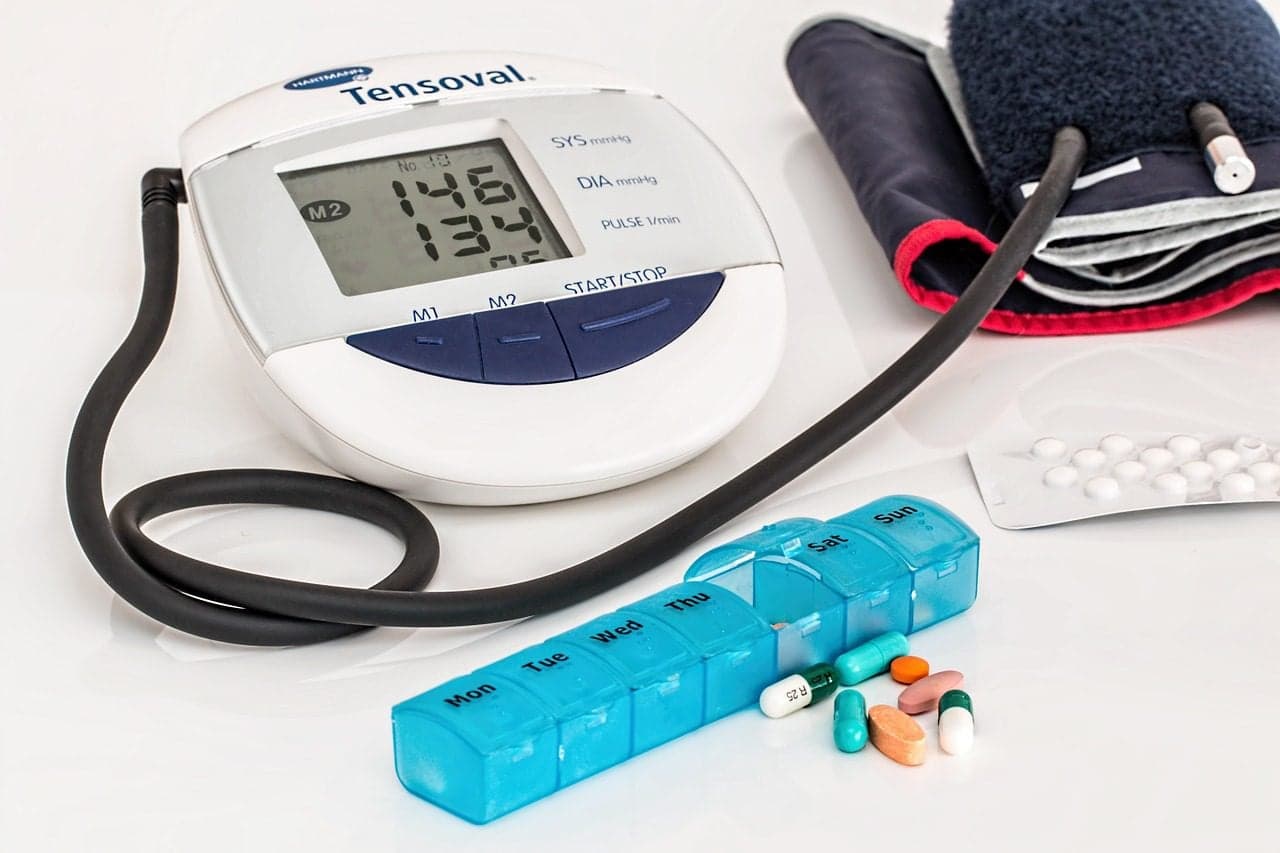
Ahead of World Hypertension Day, health experts are again warning that hypertension—often called the “silent killer”—remains one of the region’s most persistent and underestimated health crises.
Observed annually on May 17, World Hypertension Day is led globally by the World Hypertension League and supported by the World Health Organization to raise awareness of the condition, which affects an estimated 1.3 billion people worldwide.
But in the Caribbean, the concern is particularly urgent.
Non-communicable diseases (NCDs), including hypertension, account for roughly 70% of deaths in the Caribbean, according to public health research across CARICOM states. High blood pressure is one of the leading contributors to stroke, heart failure, and kidney disease—conditions that continue to strain public health systems from Jamaica to Trinidad and Tobago.
Health officials consistently warn that a large proportion of people living with hypertension in the region are undiagnosed. Even among those diagnosed, control rates remain low due to inconsistent medication use, cost barriers, and lifestyle factors.
Hypertension often develops without obvious symptoms, making it especially dangerous. A person can appear healthy while experiencing dangerously elevated blood pressure for years before a major event such as a stroke or heart attack occurs.
Doctors across the region repeatedly link the condition to diet patterns high in sodium, low physical activity levels, chronic stress, and genetic predisposition—factors that are common across Caribbean populations, including African, Indian, and mixed-heritage communities.
While hypertension is not directly caused by heat, rising temperatures across the Caribbean may worsen related risks. Prolonged heat exposure can place additional strain on the cardiovascular system, particularly for outdoor workers such as farmers, vendors, and construction labourers.
Dehydration—more common during hot months—can also contribute to blood pressure instability, especially among older adults and people already on medication.
Prevention gaps remain
Despite ongoing public health campaigns, routine screening remains inconsistent. Many people only discover they have hypertension after emergency hospital visits.
Experts continue to emphasize simple prevention strategies:
- Regular blood pressure checks
- Reduced salt intake (especially processed and packaged foods)
- Increased physical activity
- Medication adherence where prescribed
- Stress management and sleep improvement
The challenge, they say, is not knowledge alone—but sustained behaviour change and access to affordable care.
As World Hypertension Day is marked globally, Caribbean health authorities are once again urging residents not to wait for symptoms before acting—because in most cases, by then, the damage has already begun.