A guide to preventing the spread of waterborne diseases at home
Key Points(5)
- <span style="font-weight: 400;">Waterborne diseases are more common than many people realize, especially in homes where water hygiene is not carefully maintained.
- With the right approach, you can protect your household and create a safer living environment.
- As long as you take the right steps before it’s too late, the diseases can’t touch anyone at your home.
- If your water source is questionable, boiling it before use is one of the simplest and most reliable solutions.
- </span> <span style="font-weight: 400;">Note that one in four people lacks access to safe drinking water.
Waterborne diseases are more common than many people realize, especially in homes where water hygiene is not carefully maintained. Ingesting or coming into contact with polluted water can expose people to dangerous pathogens, including viruses and microbes, which often trigger severe medical conditions.
The good news is that preventing these diseases is not complicated if you stay consistent with a few smart habits. With the right approach, you can protect your household and create a safer living environment.
Be it through ensuring safe drinking water for everyone or regular sewage backup cleanup, preventing the spread of waterborne diseases shouldn’t be that difficult. As long as you take the right steps before it’s too late, the diseases can’t touch anyone at your home.
This guide walks you through a few effective tips you can start using right away to prevent the spread of waterborne diseases at home.
Always Ensure Access to Safe Drinking Water
Safe drinking water should always be your top priority when it comes to protecting your health at home. If your water source is questionable, boiling it before use is one of the simplest and most reliable solutions.
Note that one in four people lacks access to safe drinking water. A UNICEF report states that this includes 106 million individuals who consume untreated surface water. Additionally, over three billion people still don’t have access to safely managed sanitation services.
Caribbean residents face a severe water crisis as well, with average nonrevenue water losses reaching 46%. Infrastructure challenges cause water losses up to 75%, far exceeding standard utility efficiency levels. Furthermore, frequent drought conditions are aggravating the shortages for local communities.
Maintaining a consistent supply of purified water in the household is a critical health priority. Utilizing home filtration systems is an effective strategy for eliminating impurities and enhancing the water’s overall safety profile. To prevent the introduction of pathogens, dust, or pests, always keep drinking water in sanitized, sealed vessels.
Keep Your Kitchen Clean and Hygienic
The kitchen is one of the most sensitive areas in your home when it comes to hygiene and food safety. Washing fruits and vegetables thoroughly before cooking helps remove dirt, chemicals, and harmful microbes.
You should avoid using the same cutting boards or utensils for raw and cooked foods without washing them properly in between. Kitchen surfaces, including countertops and sinks, should be cleaned regularly using safe cleaning products.
Dishwashing should always be done with clean water, and drying racks should not be left damp for long periods. A clean kitchen environment plays a huge role in preventing contamination and keeping your meals safe.
Act Quickly When Sewage Problems Occur
As Advanced 24/7 Restoration notes, a sewage backup is a distressing and hazardous home disaster. The resulting mess, odor, and health risks can feel overwhelming. However, safe restoration is possible with a proper plan and protective measures.
Handling sewage issues promptly is crucial to preventing serious health risks in your home. If you notice any signs of overflow or contamination, it is important to take immediate action.
Professional sewage backup cleanup services can efficiently manage the situation and reduce exposure to harmful substances. They specialize in sewage backup removal and thorough sewage water damage cleanup to restore safe conditions.
Effective sewage overflow cleanup often includes sewage water removal and proper drain backup cleanup procedures. Addressing these problems without delay can protect your family from dangerous waterborne diseases.
Dispose of Waste Properly and Consistently
According to the BBC, Caribbean tourism drives economies but creates excessive waste that overwhelms local infrastructure, causing serious pollution problems. Record visitor numbers are overloading island landfills, with Antigua recently receiving thousands of tonnes of ship rubbish. Urgent waste management improvements are needed to protect fragile island environments from being overwhelmed by tourism waste.
Such improper waste disposal can easily contaminate your surroundings and even affect your water supply. Always place garbage in sealed bags and dispose of it in designated collection areas. Letting waste pile up can attract pests such as flies and rodents that spread harmful bacteria.
It is also important to clean your garbage bins regularly to prevent odor and bacterial buildup. Make sure wastewater drains properly and does not collect near your home, as stagnant water can become a breeding ground for disease. Maintaining proper waste management habits helps keep your environment clean and reduces the chances of infection.
Practice Good Personal Hygiene Daily
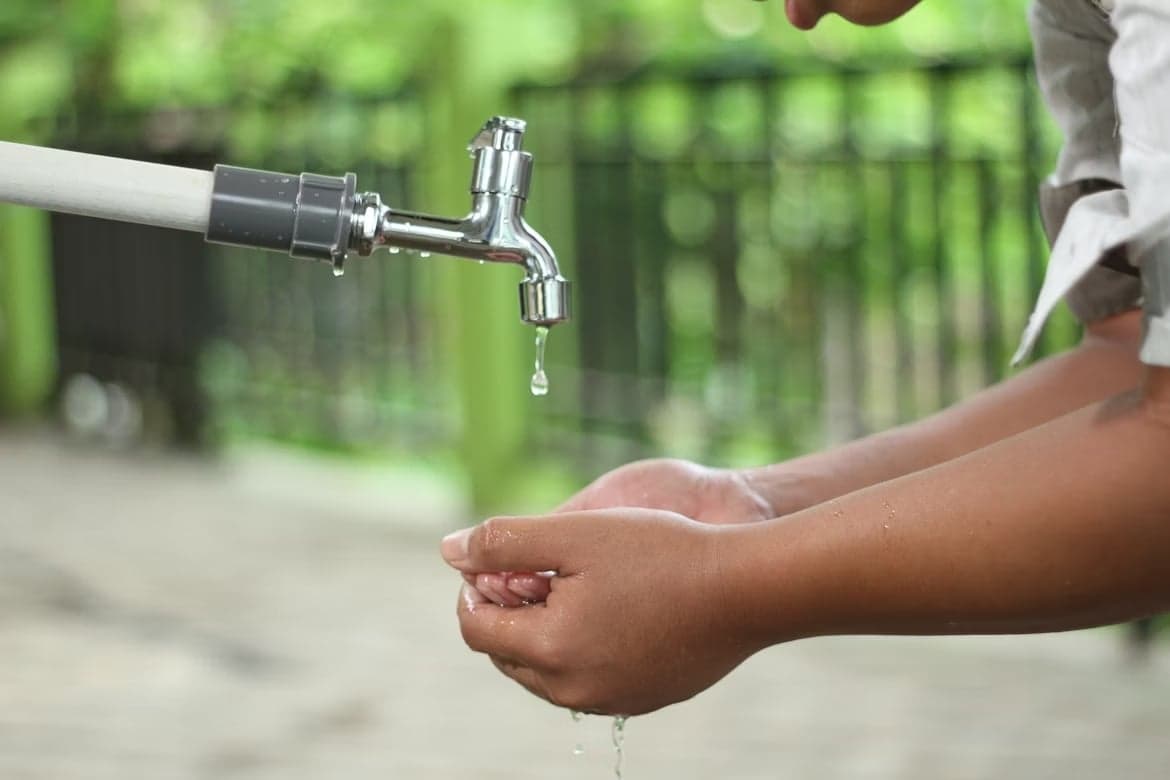
Maintaining proper self-care is a straightforward yet powerful strategy for halting the transmission of diseases. It is vital to wash hands with soap and fresh water before handling or consuming any food. Cultivating these routines in children early on is crucial, ensuring they maintain these healthy practices throughout their lives.
Regular bathing and wearing clean clothes also help reduce exposure to harmful microorganisms. Avoid sharing personal items like towels, as they can transfer bacteria between individuals. When good hygiene becomes part of your daily routine, it creates a strong barrier against many preventable diseases.
FAQs
Where do waterborne diseases originate from?
Pathogens such as bacteria, viruses, and parasites found in tainted water sources are the root cause of waterborne illnesses. These conditions frequently arise from inadequate sanitation infrastructure, compromised sewage systems, and unsafe drinking water supplies. Diseases such as cholera and typhoid fever are commonly transmitted through these polluted water channels.
How do low-income countries deal with waterborne diseases?
Low-income countries address waterborne diseases by improving sanitation, promoting hygiene, and expanding access to clean water. Efforts include water treatment programs, public health education, and vaccination campaigns. International aid and community initiatives also play key roles in reducing disease outbreaks.
Can drinking directly from the tap cause waterborne illnesses?
Yes, drinking directly from the tap can cause illness if the water is not properly treated. Contaminated tap water may carry harmful microorganisms. Safety depends on local water quality, so filtration, boiling, or verified safe supply systems are important in areas with uncertain standards.
Safeguarding a household from waterborne illnesses does not necessitate drastic overhauls. Rather, it hinges on consistent habits and vigilance.
Implementing these simple measures helps establish a healthier, secure environment for everyone in the home. Beginning these practices now allows them to become an effortless part of a daily routine.



.jpg&w=3840&q=75)