
Oral Cancer Awareness Month: Why prevention and early detection matter now more than ever
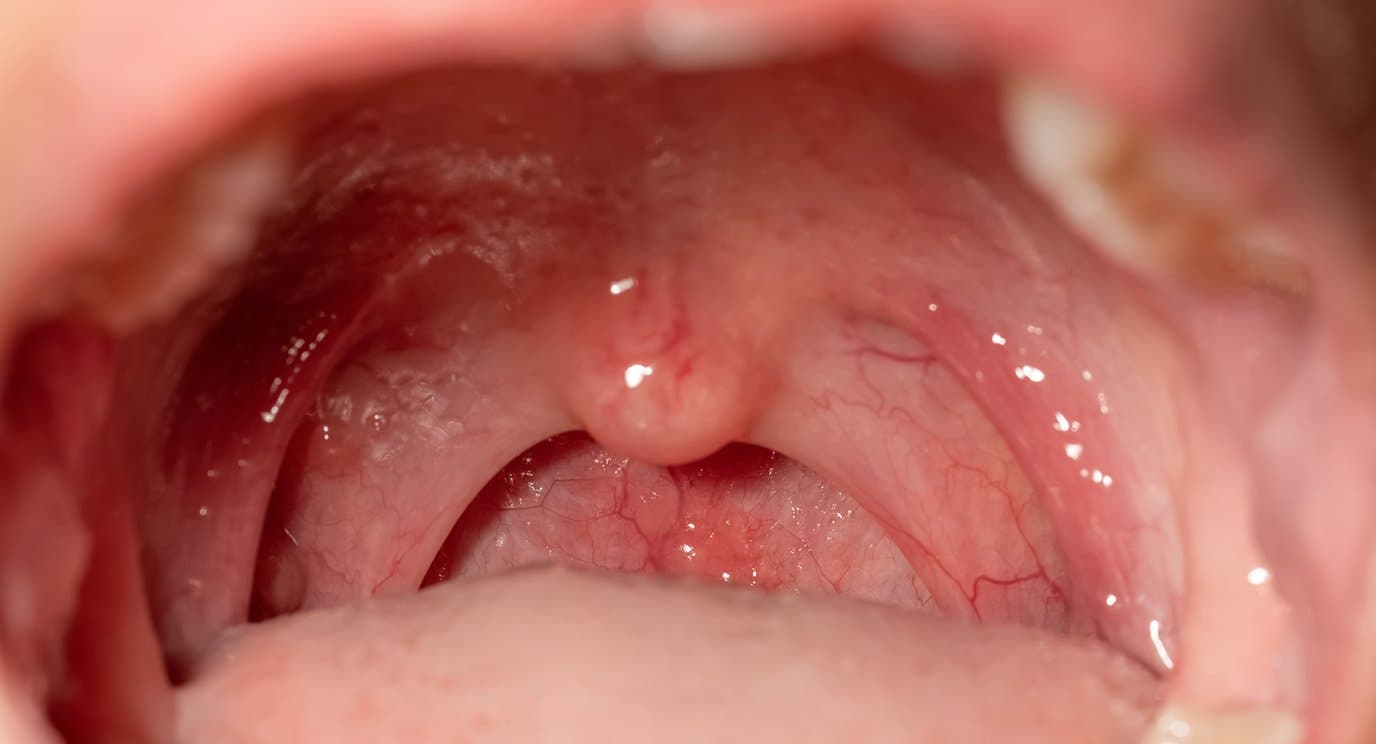
Key Points(5)
- Every April, health professionals and advocates mark Oral Cancer Awareness Month to draw attention to one of the most preventable — yet often deadly — forms of cancer.
- Oral and oropharyngeal cancers include malignancies of the lips, tongue, floor of the mouth, and throat.
- Alone in the United States, an estimated 60,480 new cases were expected in 2025, with more than 13,000 deaths attributed to late‑stage diagnosis — roughly one person every hour.
- These statistics underscore that delayed detection significantly worsens outcomes, and survival rates can improve dramatically when cancer is caught early.
- Traditional risk factors for oral cancer have long included tobacco use in all forms (smoking, chewing, vaping) and heavy alcohol consumption.
Every April, health professionals and advocates mark Oral Cancer Awareness Month to draw attention to one of the most preventable — yet often deadly — forms of cancer.
Oral and oropharyngeal cancers include malignancies of the lips, tongue, floor of the mouth, and throat. Alone in the United States, an estimated 60,480 new cases were expected in 2025, with more than 13,000 deaths attributed to late‑stage diagnosis — roughly one person every hour. These statistics underscore that delayed detection significantly worsens outcomes, and survival rates can improve dramatically when cancer is caught early.
Traditional risk factors for oral cancer have long included tobacco use in all forms (smoking, chewing, vaping) and heavy alcohol consumption. In many Caribbean nations, tobacco and alcohol remain prevalent, and combined use multiplies cancer risk. However, the landscape is shifting: infection with human papillomavirus (HPV), especially type 16, is now recognised as a major driver of oropharyngeal cancers, particularly among younger adults who have never smoked. This trend has reshaped screening and prevention strategies globally.
Despite the severity of oral cancer, public awareness remains relatively low compared with other cancers. Early signs — including persistent mouth sores, unusual lumps, white or red patches, numbness, or persistent sore throat — are often dismissed. Yet when detected at an early stage, oral cancer can be highly treatable, often with less invasive interventions and better quality of life after treatment. This is why routine screenings by dentists and health professionals are critical: comprehensive oral exams are non‑invasive, can be done in minutes, and should be part of regular dental check‑ups for adults.
Prevention strategies extend beyond screenings. HPV vaccination, recommended for adolescents in many countries, including the U.S., is a powerful long‑term preventive tool. While primarily promoted to prevent cervical and other anogenital cancers, HPV vaccines also reduce the risk of HPV‑driven oropharyngeal cancers. Public health campaigns during Oral Cancer Awareness Month increasingly emphasise vaccination as part of a holistic cancer prevention approach.
In the Caribbean, dental associations and ministries of health use April to organise free screening events, community education sessions, and outreach to high‑risk populations. These campaigns aim to reach people who may have limited access to regular dental care. Local health workers often carry out mouth self‑check demonstrations and distribute information on risk factors, symptoms, and when to seek professional evaluation — efforts shown to increase early detection in community settings.
Oral Cancer Awareness Month serves both as a reminder and a call to action: invest in prevention (like tobacco cessation and HPV vaccination), integrate routine oral screenings into primary health services, and educate the public on early warning signs. The best outcome — reducing incidence and saving lives — depends on combining individual awareness with accessible, science‑based public health actions.



.jpg&w=3840&q=75)