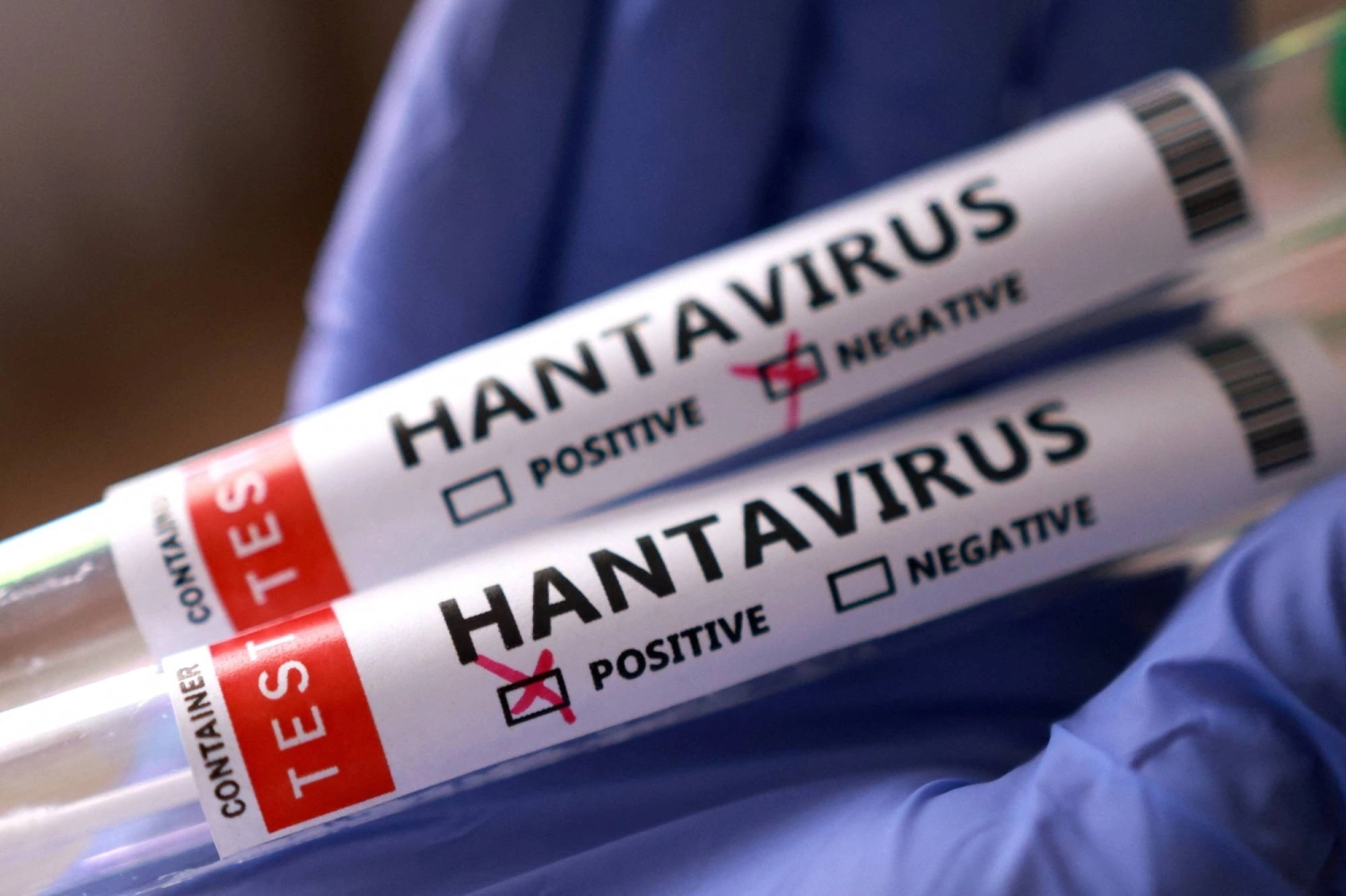
The Caribbean Public Health Agency is urging vigilance across the region following reports of a hantavirus cluster aboard a cruise ship, while maintaining that the overall risk to the Caribbean remains low.
In a statement issued Tuesday from Port of Spain, CARPHA said it was alerted on May 3 through its Information Environment and Monitoring platform after the World Health Organization was notified of a cluster of respiratory illness affecting passengers and crew aboard a cruise ship in the Central Atlantic Ocean.
According to WHO, laboratory confirmation of hantavirus was identified in one critically ill patient.

As of May 6, WHO reported eight cases linked to the cluster, including three confirmed cases, five suspected cases and three deaths.
Hantaviruses infect rodents and can be transmitted to humans through contact with contaminated urine, droppings or saliva.
CARPHA Executive Director Lisa Indar said the current threat level for the Caribbean remains limited.
“At this time, the risk to the Caribbean region is considered low. In the Americas, hantaviruses are most commonly transmitted by wild field rodents rather than urban rat populations, where transmission is less likely,” Indar stated.
She also noted that although human-to-human transmission is possible, it is considered rare.
CARPHA said the advisory comes as the Caribbean continues to maintain its position as the world’s leading cruise destination, accounting for approximately 44 per cent of global cruise traffic and an estimated 16.3 million passengers in 2025.
The regional public health body is encouraging member states to remain vigilant and strengthen vessel surveillance systems and public health protocols, particularly at ports of entry.
CARPHA said it will continue supporting safer tourism across the region through enhanced surveillance systems, including the Tourism and Health Information System (THiS) and the Caribbean Vessel Surveillance System (CVSS).
“These systems enable timely information sharing, strengthen decision-making, and support rapid, targeted responses by national health authorities,” Indar said.
According to CARPHA, the CVSS has already shown success in detecting syndromic cases before ships arrive at Caribbean ports, with more than 96 per cent of cruise ship alerts being reported to member states within 24 hours.
The agency said it will continue monitoring the situation closely alongside regional and international partners and will issue updates as necessary.