WHO certifies The Bahamas for eliminating mother-to-child transmission of HIV

Key Points(4)
- Tedros Adhanom Ghebreyesus, WHO Director-General.
- “By ensuring that children are born free of HIV, we are securing a healthier, brighter future for the next generation.”</p> <p data-start="951" data-end="1114">Dr.
- This includes expanded HIV prevention tools such as pre-exposure prophylaxis (PrEP), alongside free antiretroviral treatment, STI care, and family planning services.</p> <p data-start="2360" data-end="2623">“For years, The Bahamas has been working very hard to address HIV/AIDS,” said Dr.
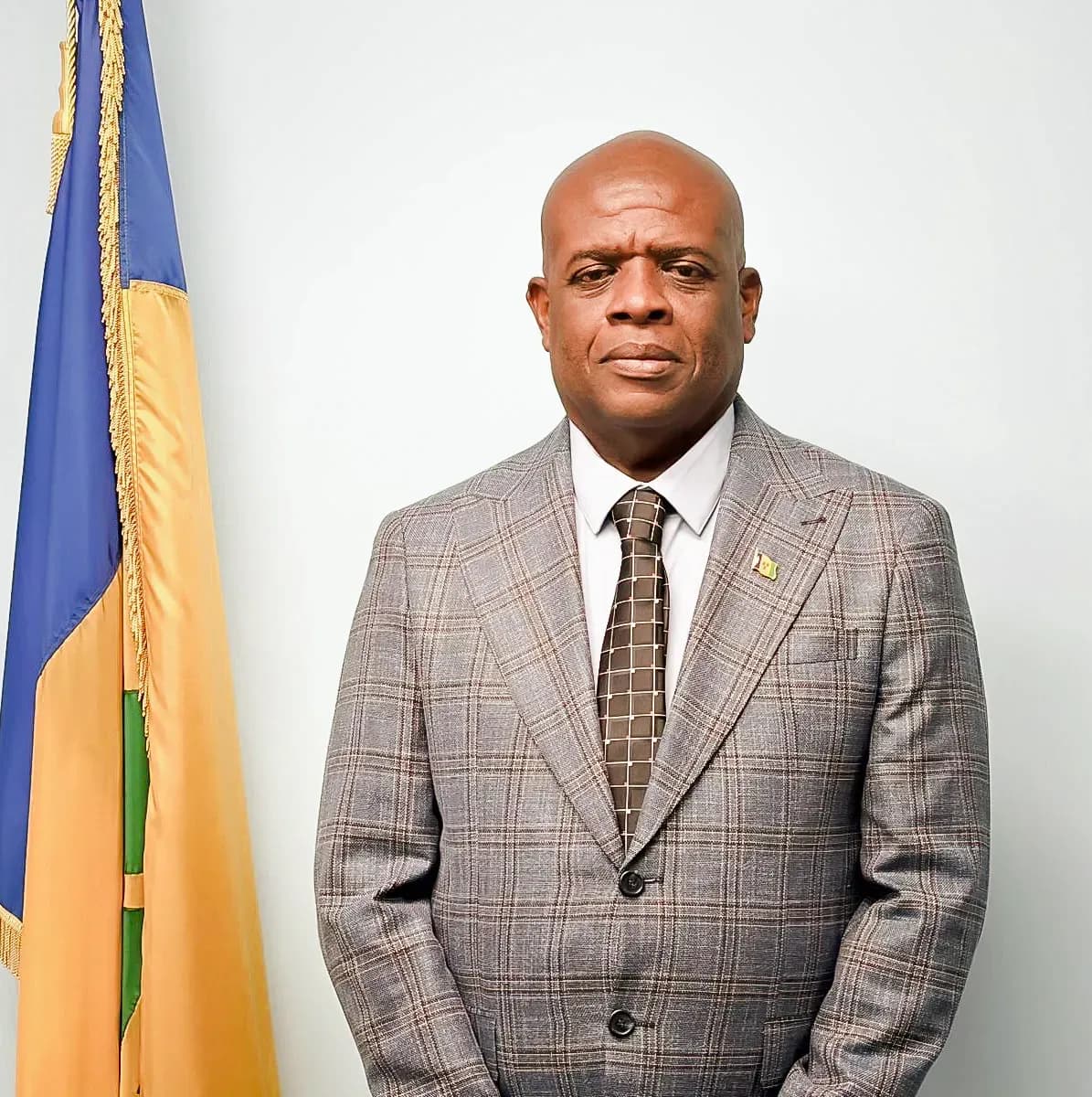
- Michael Darville, Minister of Health and Wellness.
The World Health Organization (WHO), alongside the Pan American Health Organization (PAHO), has congratulated The Bahamas Ministry of Health and Wellness for achieving certification for eliminating mother-to-child transmission of HIV, marking a major public health milestone for the Caribbean.
The announcement places The Bahamas among a select group of countries recognized for eliminating vertical transmission of HIV, a significant achievement in global HIV prevention efforts.
“I congratulate The Bahamas on this outstanding achievement, which solidifies years of political commitment and the dedication of health workers,” said Dr. Tedros Adhanom Ghebreyesus, WHO Director-General. “By ensuring that children are born free of HIV, we are securing a healthier, brighter future for the next generation.”
Dr. Jarbas Barbosa, Director of PAHO and WHO Regional Director for the Americas, said the milestone reflects sustained leadership and investment in health systems.
“This achievement reflects sustained political commitment and strong national leadership, alongside the dedication and compassion of the health workforce,” he said. “As we look ahead, this milestone is not only a moment of national pride but also an opportunity to build on this success and further advance efforts to end HIV and other communicable diseases as public health threats across the Caribbean and the Americas.”
Strengthening maternal and child health systems
Health officials credited The Bahamas’ success to a comprehensive, integrated healthcare approach that prioritizes universal antenatal care, early testing, and treatment.
The country offers antenatal services to all pregnant women regardless of nationality or legal status, supported by a coordinated laboratory network and a structured testing protocol that screens women at their first visit and again in the third trimester.
Prevention of mother-to-child transmission services are fully integrated into maternal and child health programming and linked with national infectious disease services. This includes expanded HIV prevention tools such as pre-exposure prophylaxis (PrEP), alongside free antiretroviral treatment, STI care, and family planning services.
“For years, The Bahamas has been working very hard to address HIV/AIDS,” said Dr. Michael Darville, Minister of Health and Wellness. “Our nurses, doctors, and public health teams across our archipelago have all played a critical role in achieving this milestone.”
Regional leadership in HIV elimination
With this certification, The Bahamas joins a small but growing group of countries in the Region of the Americas that have eliminated mother-to-child transmission of HIV, alongside pioneers such as Cuba and Brazil.
Global health agencies noted that more than half of all countries and territories that have achieved elimination are located in the Americas, highlighting the region’s leadership in HIV prevention.
UNICEF’s global associate director for HIV/AIDS, Anurita Bains, said the achievement underscores the region’s continued progress.
“Latin America and the Caribbean have long been a beacon of progress in this global effort,” she said. “This is a legacy of leadership that continues to inspire the world.”
UNAIDS Executive Director Winnie Byanyima also praised the milestone, calling it proof that elimination is achievable with sustained investment in primary healthcare.
“When women can test early in pregnancy, start treatment quickly, and stay in care, every child has a better chance of being born free of HIV and other STIs,” she said.
Meeting global elimination targets
To receive WHO certification, countries must meet strict criteria, including reducing transmission rates to below 2 percent, maintaining fewer than five pediatric infections per 1,000 live births, and achieving at least 95 percent coverage for antenatal care, testing, and treatment among pregnant women.
The Bahamas’ success forms part of the broader EMTCT Plus Initiative, which also targets the elimination of syphilis, hepatitis B, and congenital Chagas disease. The initiative is part of PAHO’s wider regional elimination strategy aimed at eradicating more than 30 communicable diseases and related conditions in the Americas by 2030.