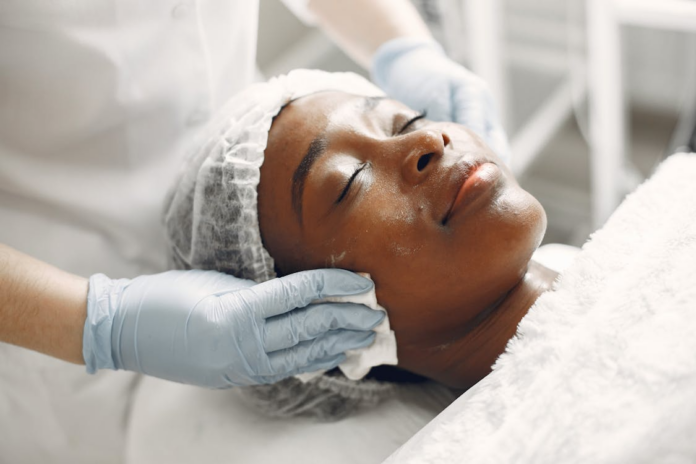
Everyone’s on the eternal quest for better skin. But are you wondering if red light therapy is an appropriate tool to rejuvenate your complexion? If you have more pigmentation, you’ll need to be careful.
Yes, red light therapy can help melanin-rich skin. But it’s important to be mindful of your device’s settings and time your sessions carefully. Keep reading to learn more!
Understanding Red Light Therapy
Red light therapy uses near-infrared light wavelengths to enhance cell energy production. Red light therapy can boost skin health by absorbing light through the skin. Devices can also help treat muscle pain and improve post-workout recovery times.

The results include fewer wrinkles, less inflammation, and diminished age spots. Many red light therapy devices use wavelengths of 630-850 nm to help repair tissue. These wavelengths can increase collagen production, creating better skin elasticity.
Evaluating the Unique Considerations of Melanin-Rich Skin
While red light therapy generally is safe, individuals with more pigmentation in their skin should exercise caution. Some forms of skin-focused therapies can cause burning or other side effects.
Thankfully, red light therapy doesn’t carry high risks of damaging pigmentation. It doesn’t heat pigments on the skin’s surface, and it uses non-thermal light. In general, treatments that use longer wavelengths and lower intensity tend to be safer choices for melanin-rich skin.
Seeing the Benefits of Red Light Therapy
For individuals with more pigmentation, red lighterapy offers lots of clear benefits. Skin that carries acne scars, for instance, can start to look more even with regular treatments. Red light therapy can help skin heal and lower inflammation.
For individuals concerned about wrinkles and aging, red light therapy can make a noticeable difference. Alongside a healthy diet and ample hydration, therapy can soften fine lines.
Additionally, red light therapy can support better hair growth. It does this by enhancing blood circulation around the scalp, which promotes a longer growing phase for hair. Red light therapy can help minimize hair thinning, too.

Choosing the Right Device
It’s important to know that red light devices will vary. You’ll need to find one with the appropriate settings and wavelengths for the best results.
Stick with around 650 nm to treat the surface of the skin, while 800 nm may be more appropriate for deeper tissue work. MitoPro Red Light Therapy Panels, for instance, provide clear details on wavelength and power settings so you can choose the right device.
Make sure you read the instructions for the device you select, and start with short, five-minute sessions a few times each week. Try the device on a small area of skin first, too, and be consistent with your use. When you’re just getting started, evaluate your skin after 24 hours to ensure you’re not experiencing any side effects.
Helping Your Skin with Red Light Therapy
With red light therapy, it’s smart to understand what you need and use your device as indicated. Individuals with melanin-rich skin can gain significant benefits, like smoother skin and thicker hair, when using these devices carefully. Watch for any concerning side effects, and be consistent with your treatments.
With the right approach, red light therapy can nourish your skin and help you feel more vibrant.