Miami-Dade County health officials and mosquito experts from all over the state recently met in Doral to talk about strategies for killing Zika-carrying mosquitoes.
“They’re just a tough mosquito to kill,” said Chris Pederson, a mosquito control consultant at ADAPCO.
The threat of Zika is not as big of a problem this year as it was last year. County officials are not about to let their guard down because the Zika virus could flare up again.

Ground Zero
South Florida was ground zero for the Zika virus last year, which is especially dangerous for pregnant women because it can cause birth defects.
The authorities have set aside $61 million for prevention and preparedness.
So far this year, there have been six cases of locally transmitted Zika infections, compared to 285 cases last year.
“While we certainly have fewer cases of Zika compared to last year, we must remain vigilant,” Florida Surgeon General Celeste Philip said.
Speeding up testing

One problem officials are trying to solve is how to speed up Zika testing.
“One of the issues we had last year is we sent tests to Colorado, and hopefully we won’t have to do that any longer,” Scott said.
More Zika testing is happening this year here in Florida.
“However, (the) CDC has issued information regarding current testing is not as accurate as we all would like,” Philip said.
The state is investing $25 million for universities to develop better testing.
Officials said another problem is that the mosquitoes are becoming resistant to some pesticides, forcing officials to use rotating chemicals that the bugs aren’t used to.
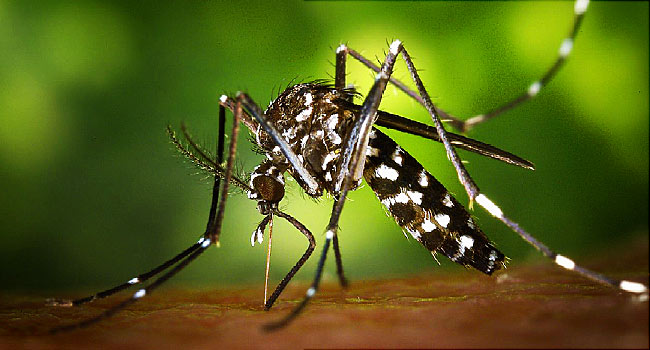
Aedes egypti mosquito
The Zika virus is spread mostly by the bite of an infected Aedes species mosquito (Ae. aegypti and Ae. albopictus). These mosquitoes bite during the day and night. It can be passed from a pregnant woman to her fetus. Infection during pregnancy can cause certain birth defects. There is no vaccine or medicine for Zika.