Broward County voters will decide in November whether to approve a proposed health care surtax aimed at expanding access to medical services for residents, after county commissioners voted unanimously on Tuesday to place the measure on the 2026 General Election ballot.

The proposal, brought forward by Broward Mayor Mark Bogen, calls for a 0.25 per cent sales surtax that would be in effect for five years. If approved, the tax is expected to generate approximately $120 million annually to fund preventive care, primary care, and hospital services for eligible residents, including those who are uninsured or underinsured. The initiative would benefit Broward County’s diverse population, including thousands of Caribbean-American residents, many of whom are part of communities that have historically faced barriers to consistent health care access.
Bogen has argued that the initiative is critical to addressing gaps in access to care, particularly for residents who cannot afford treatment or whose insurance does not fully cover their medical needs. The plan would also support indigent care and expand access to services for major illnesses such as heart disease and cancer.

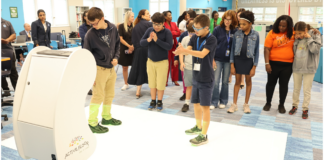
The proposal builds on the success of the Broward County/Florida Panthers “Take Heart Test” program, which has provided free screenings to more than 7,000 residents. Officials say the results were striking, with more than half of participants showing abnormalities requiring follow-up care — a finding that helped drive momentum behind a broader, county-funded health initiative.
That program itself grew out of a $10 million pilot launched in 2022 to provide advanced cardiac screenings, including coronary CT scans, targeting older residents and underserved communities. County data has shown that a significant percentage of those screened required further medical attention, reinforcing concerns about undiagnosed conditions across the population.
However, the path to Tuesday’s vote was not without controversy. In earlier commission meetings, some officials questioned whether a new tax was justified, pointing to the pilot programme’s slower-than-expected rollout and the fact that only a portion of its budget had been spent.
“We can’t get people to take these tests,” said Commissioner Michael Udine during a March commission meeting. “I want to keep promoting the heart tests if we can do it. But if that turns out to where we can’t even make that happen, we have to really rethink where all these dollars are going to come from.”
Others also raised concerns about how revenues from a surtax would be allocated and whether existing hospital systems should take on a larger role in funding care. An audit of the pilot program was subsequently launched to review spending, including administrative and advertising costs, as well as the overall effectiveness of the initiative.
Despite those concerns, commissioners ultimately reached consensus this week that the issue should be decided by voters.

If approved, the surtax would represent one of the county’s most significant public health investments, with funds also expected to support local hospitals and trauma services, in addition to expanding direct patient care.
With the measure now officially headed to the November ballot, county leaders say the focus will shift to public education, as they seek to inform residents about how the tax would work and who stands to benefit.