Secretary of State Marco Rubio says US 'has no problem' with Cuban doctors
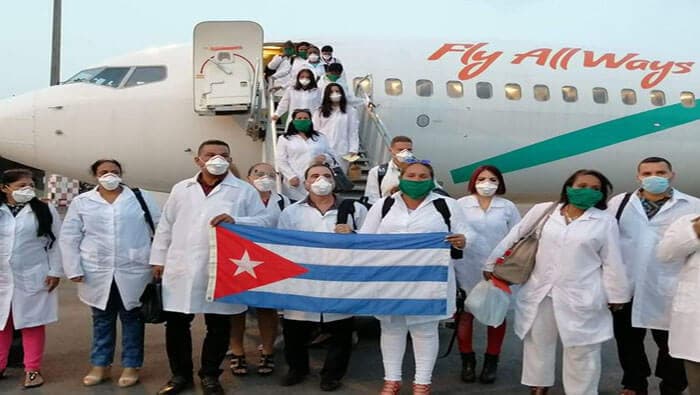
Key Points(5)
- Secretary of State Marco Rubio clarified that the U.S.
- government's concerns about Cuba’s medical missions are not directed at doctors themselves, but rather at how the program is structured and operated in some countries.
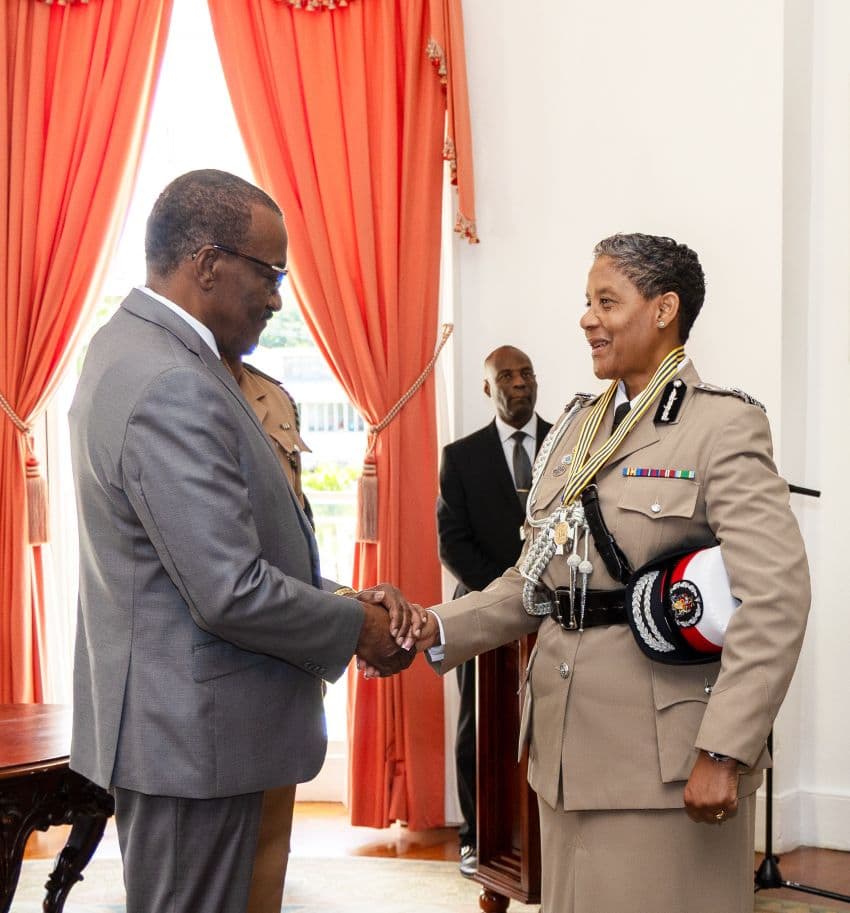
- At a <a href="https://www.youtube.com/watch?v=ThUW2iztwTI">press conference</a> in Jamaica alongside Prime Minister Andrew Holness on Wednesday, Rubio was asked about his stance on the Cuban medical program.
- He said, “The first thing is to separate the medical [professionals] from the labor issue that we are pointing to.
- This is not about doctors.
U.S. Secretary of State Marco Rubio clarified that the U.S. government's concerns about Cuba’s medical missions are not directed at doctors themselves, but rather at how the program is structured and operated in some countries.
At a press conference in Jamaica alongside Prime Minister Andrew Holness on Wednesday, Rubio was asked about his stance on the Cuban medical program. He said, “The first thing is to separate the medical from the labor issue that we are pointing to. This is not about doctors. This is not about the provision of health assistance. We have no problem with doctors. We have a problem—and I'm not speaking about Jamaica—but I'm just talking about this program in general and how it's operated around the world.”
Rubio alleged that in many cases, Cuban doctors working abroad are underpaid, with the Cuban government taking the majority of their earnings while also restricting their freedoms. “ pay the Cuban government, and the Cuban government decides how much of anything to give . They take away their passports. They basically operate as forced labor in many places,” he stated.
He emphasized the broader issue of labor trafficking, saying, “We can all agree that trafficking of labor, be it doctors or farm workers, is not something that we would want to be supportive of. We find that to be an egregious practice on the part of the Cuban regime.”
Rubio noted that due to the close ties between the U.S. and Jamaica, the two nations would engage in further discussions on the matter. “Because of our relationship with Jamaica, we're going to engage with them on this and talk about it further to have a better understanding. Perhaps none of this applies in the way it’s handled here, but generally, that's the problem with the program,” he said.
Prime Minister Andrew Holness, however, defended Jamaica’s use of Cuban medical professionals, stressing that they are treated fairly under the country’s labor laws. “Let us be clear, the Cuban doctors in Jamaica have been incredibly helpful to us. Jamaica has a deficit in health personnel, primarily because many of our health personnel have migrated to other countries. We are very careful not to exploit the Cuban doctors who are here. We ensure that they are treated within our labor laws and benefit like any other worker,” Holness stated. “So any characterization of the program by others certainly would not be applicable to Jamaica.”
The U.S. visa restriction policy, announced by Secretary Rubio, aims to penalize current or former Cuban government officials and foreign officials deemed complicit in Cuba’s labor export program. “The United States is expanding its Cuba-related visa restriction policy… to hold accountable those responsible for or complicit in the exploitation of Cuban workers,” Rubio stated on February 25.
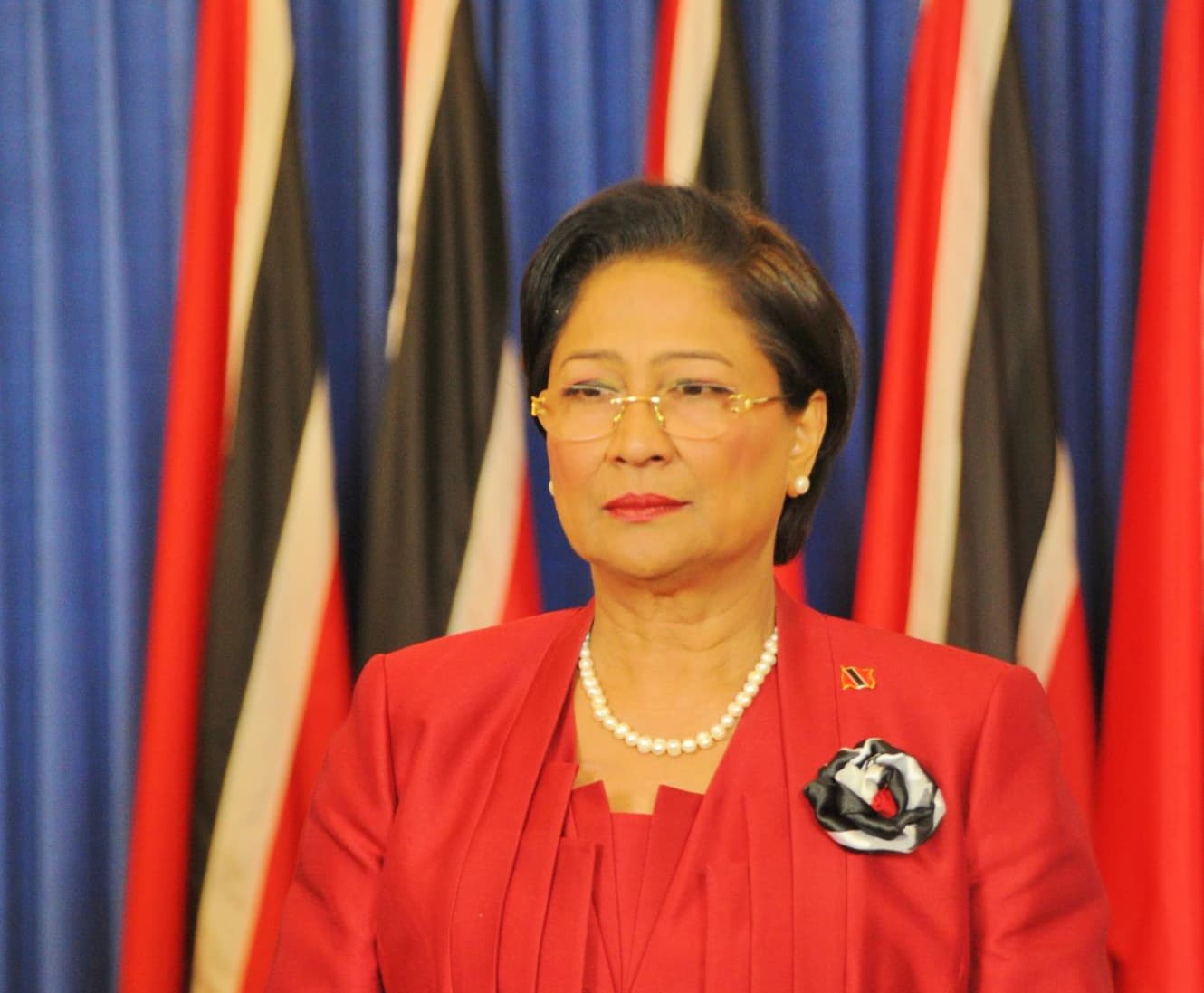
However, several Caribbean leaders have rejected these claims and defended Cuba’s medical initiative. The leaders of The Bahamas, Antigua and Barbuda, and Trinidad and Tobago have publicly opposed the U.S. stance. Grenada’s Foreign Minister Joseph Andall has also reinforced his country’s “legal, moral, and ethical obligation” to stand by Cuba. Additionally, Barbados’ Prime Minister Mia Mottley and St. Vincent and the Grenadines’ Prime Minister Ralph Gonsalves have expressed their willingness to give up U.S. visas in solidarity with Cuba.


Tags:featured