MSF warns of worsening humanitarian crisis as healthcare collapses in Haiti
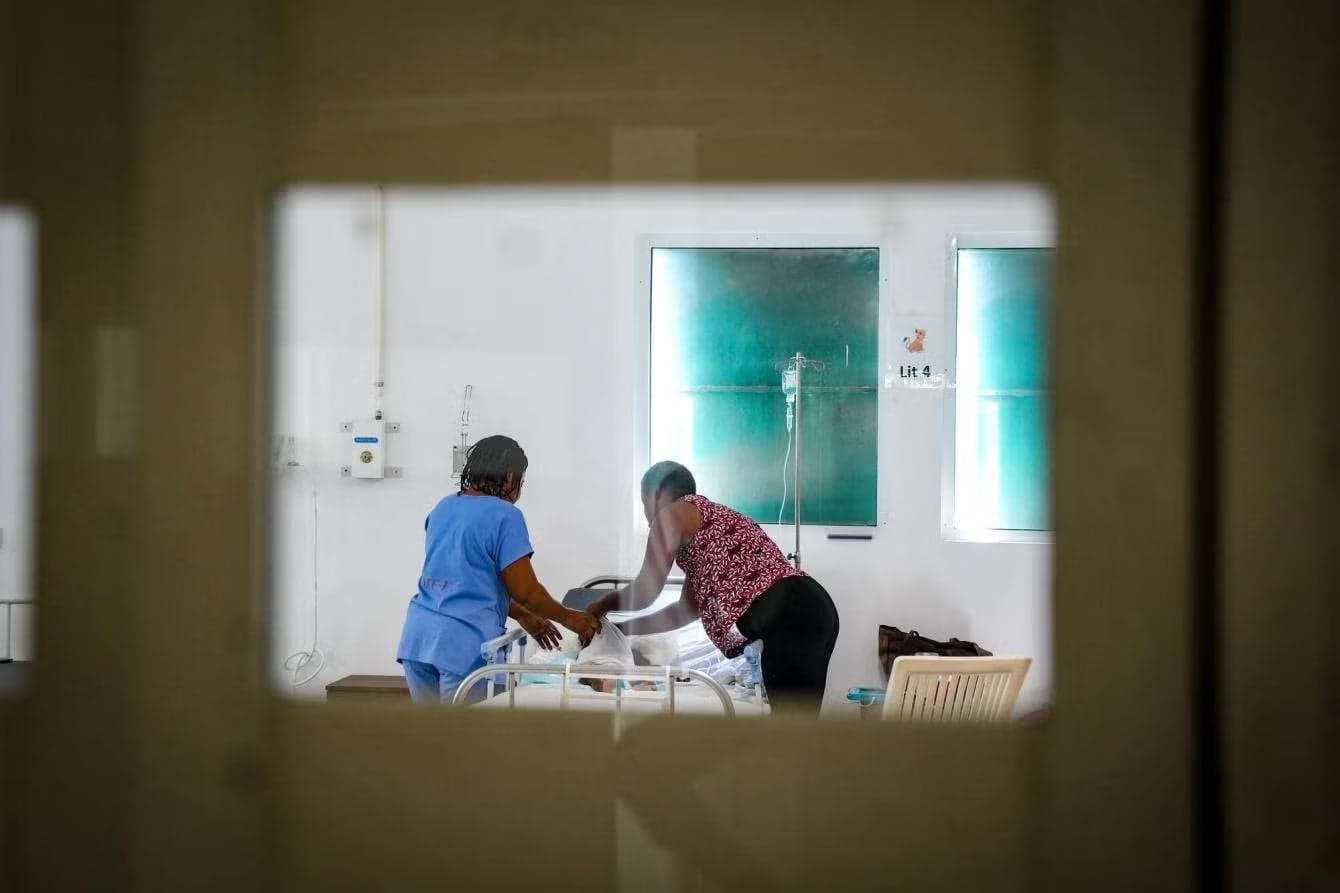
Doctors Without Borders/Médecins Sans Frontières (MSF) is warning that Haiti’s humanitarian situation has continued to deteriorate sharply, with escalating violence, collapsing public services, and widespread displacement severely restricting access to healthcare and basic services.
MSF says conditions in the country have become increasingly dangerous for civilians, particularly in Port-au-Prince and surrounding regions, where armed groups continue to clash for territorial control. The organisation reports that residents are routinely exposed to violence, forced displacement, and insecurity that makes even basic movement hazardous.
“Haiti has become a far more dangerous place to live, work, or seek medical care,” said Tirana Hassan, CEO of MSF USA. She said insecurity has intensified across multiple regions, including the Artibonite and Centre departments, where essential services such as water, sanitation, and healthcare have significantly declined.
MSF reports that more than 60 per cent of medical facilities in Port-au-Prince are now either closed or only partially functioning. Some have been damaged, looted, or abandoned, while others face severe shortages of staff, medicines, and supplies.
The organisation says violence has also disrupted access to care, with many residents too afraid to seek treatment even in urgent cases. In some neighbourhoods, fighting between armed groups has forced families to flee their homes with little warning.
MSF head of mission in Haiti Davina Hayles said staff were also affected by recent outbreaks of violence. “Over the weekend of April 18 and 19, members of our staff called us to say they were trapped in their homes due to gunfire and had no way to escape,” she said, adding that dozens of people, including staff and their families, sought refuge at an MSF hospital in Cité Soleil.
According to United Nations estimates, more than 1.4 million people are currently internally displaced in Haiti. Many are sheltering in overcrowded makeshift camps or public buildings such as schools, often with limited access to clean water, sanitation, or medical care.
MSF mobile clinics have reported rising cases of illness linked to poor water conditions, while hospitals continue to operate under extreme pressure. Only one public hospital in Port-au-Prince is currently able to perform surgeries, and it is routinely overwhelmed.
“People are risking their lives simply to reach a medical facility — sometimes while in labor, after being wounded, or following sexual violence,” Hassan said. “This is an intolerable situation, and urgent attention is needed to address the scale of the crisis.”
MSF, which has worked in Haiti for 35 years, says its teams provided more than 129,000 medical consultations last year, along with emergency care for violence-related injuries, maternal health services, and treatment for survivors of sexual violence.