



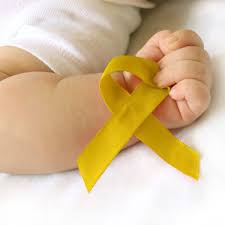
The World Health Organization (WHO) has launched a new platform aimed at providing cost-free cancer medicines to children in low- and middle-income countries, addressing the growing gap in survival rates. The initiative began with the delivery of the first medicines to Mongolia and Uzbekistan, with additional shipments planned for Ecuador, Jordan, Nepal, and Zambia as part of the pilot phase.
This project aims to provide uninterrupted supplies of quality-assured childhood cancer treatments to around 5,000 children across at least 30 hospitals in these six nations by the end of the year. The WHO emphasizes that the medicines will be provided at no cost to the countries involved.
The WHO said that childhood cancer survival rates in low- and middle-income countries were often below 30 per cent, compared with around 80 per cent in high-income countries.

The initiative began with the delivery of medications to Mongolia and Uzbekistan, with plans for shipments to Ecuador, Jordan, Nepal, and Zambia as part of the pilot phase. Additional countries such as El Salvador, Moldova, Senegal, Ghana, Pakistan, and Sri Lanka are expected to join soon.
WHO Chief Tedros Adhanom Ghebreyesus emphasized that “for too long, children with cancer have lacked access to life-saving medicines,” adding that the platform would bring “health and hope to children around the world.” The goal is to expand the program to 50 countries over the next five to seven years, aiming to provide medicines to approximately 120,000 children.
An estimated 400,000 children are diagnosed with cancer globally each year, with most cases occurring in resource-limited areas. According to the WHO, 70% of children in these settings die from cancer due to factors such as lack of appropriate treatment, treatment interruptions, or substandard medications.
The platform is a collaborative effort between the WHO and St. Jude Children’s Research Hospital in Memphis, Tennessee, first announced in December 2021.
The non-profit paediatric treatment and research institution has committed US$200 million to its launch, the WHO said, calling it the largest financial commitment ever made for childhood cancer medicines globally.
The WHO said cost-free provision would continue beyond the pilot phase, and the platform is working on developing its sustainability over the longer term.

WHO’s Andre Ilbawi, the technical lead for the cancer control program, explained that the platform’s goal is to involve more partners and ensure a sustainable, long-term solution for providing free medications beyond the pilot phase. “This marks the beginning of a global movement to provide children with cancer the medicines they need, regardless of where they live or their ability to pay,” Ilbawi said.
He also noted that childhood cancer is increasingly becoming a leading cause of death for children aged 5-14 in wealthier countries, prompting governments to pay closer attention to the issue. Despite the U.S. government’s recent decision to withdraw from the WHO, Ilbawi assured that the platform would not be impacted by this change.








 launched a new platform aimed at providing cost-free cancer medicines to children in low income countries)