Why Caribbean-Americans may need to “go back to roots” for a healthier lifestyle
In today’s “get-quick” culture, discussions about healthy eating and exercise are too often concentrated on the next super food ingredient or work-out craze. But living healthier could be as simple as returning to the old-fashioned Caribbean style of living, says Dr. Cheryl L. Holder, a board certified internist and Associate Professor at Florida International University’s Department of Humanities, Health and Society.
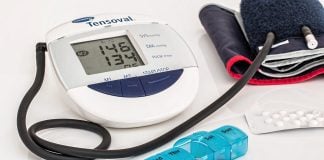
A longtime advocate for healthy living, particularly among underserved communities, Dr. Cheryl L. Holder has grown concerned about “the significant rise in hypertension, diabetes and other lifestyle issues in the Caribbean and among the Diaspora.” The increase in such issues, believes Dr. Holder, can be traced “to our changed lifestyles” as a community. Caribbean people (as well as Caribbean-Americans) “eat completely differently as they did when I was a child in Jamaica.”
To bring a little bit more of the healthy Caribbean way of life to our daily routines, here are Dr. Holder’s tips on healthy eating and living.

Diet
Eat early, eat naturally
“In Jamaica growing up,” recalled Dr. Holder of her childhood in St. Catherine, Jamaica, “we ate most of our food in the day. We would get up early for breakfast, then for a final meal, have a small supper around 5 in the afternoon. We never had the dinner at 9 p.m. at night that so many of us do now.” Research has shown that eating later in the day, when we are most active, is best to maintain and lose weight. Also, noted Dr. Holder, “many of our traditional meals included lots of complex carbohydrates rich in nutrients and fiber, from root vegetables like yam and cassava to fresh fruit.” She suggests families “avoid processed food as much as possible, and try to cook with ingredients in their most raw state.” And don’t forget fruit! “You should be eating 5 serving of fruit a day,” said Dr. Holder.
Exercise
Walking is Healing
Many older Caribbean-American grew up using public transportation or walking around their community, but living in South Florida, may have adopted a more sedentary lifestyle. But getting active doesn’t mean an expensive gym membership, or enrolling our children in expensive sports programs. “Walking once a day around your neighborhood for 30 minutes makes all the difference,” says Dr. Holder.
The upcoming Dr. Nelson L Adams “Walk a Mile with a Child,” (set for April 16 at Gibson Park in Miami) hopes to encourage families to walk regularly together for exercise. The event is hosted by the James Wilson Bridges, M.D. Medical Society (JWBMS) – of which Dr. Holder is a member. “The JWBMS is all about inspiring mentorship, encouraging health living by example rather than preaching,” says Dr. Holder. “We know what to do, what’s healthy for us. We just need to be shown practical ways to really make healthy living a part of our lives.”