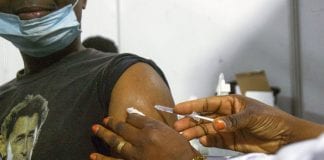
Childhood immunization coverage in Latin America and the Caribbean showed signs of improvement in 2024, but new data from the World Health Organization (WHO) and UNICEF reveal that significant gaps remain — especially when it comes to reaching the most vulnerable children.
More than 1.4 million children in the Americas region did not receive even a single dose of the diphtheria, tetanus, and pertussis (DTP)-containing vaccine, a category referred to as “zero-dose” children. This marks an increase of 186,000 compared to the previous year, according to the 2024 WHO and UNICEF Estimates of National Immunization Coverage (WUENIC).
“The Americas has shown a firm commitment to protecting its child population, but the gaps in vaccination coverage remind us that more must be done,” said Dr. Jarbas Barbosa, Director of the Pan American Health Organization (PAHO), the regional arm of WHO. “Vaccination remains one of the most effective tools to prevent diseases and save lives. We cannot allow any child to be left unprotected.”

Encouraging Gains in HPV, MMR, and Hepatitis B
Several vaccine programs across the region made positive strides in 2024. Coverage for the first dose of the MMR (measles, mumps, rubella) vaccine increased from 86% to 88%, while the second dose rose from 75% to 77%. Hepatitis B vaccination at birth — critical to long-term disease prevention — climbed from 64% to 68%. The pneumococcal conjugate vaccine (PCV3) also saw an increase from 76% to 79%.
Notably, the region leads globally in HPV vaccine coverage, with 76% of girls under 15 receiving at least one dose. However, PAHO cautions that more must be done to reach the 90% target.
DTP Coverage Declines, Dropouts a Concern
While other vaccines saw improvements, coverage for the first dose of DTP declined slightly, from 90% in 2023 to 89% in 2024. This drop contributed to the growing number of zero-dose children. DTP3 coverage held steady at 86%, but 9 out of 35 countries and territories reported rates below 80%, raising concerns about potential outbreaks. Three countries also reported dropout rates exceeding 10% between the first and third DTP doses.
These figures point to enduring barriers in equitable access to vaccines — especially among marginalized populations — as well as challenges with follow-up and service continuity.
Strengthening Systems, Targeting Missed Children
In response, PAHO is working with governments across the region to strengthen national immunization programs. Over the last two-and-a-half years, 12 countries completed Expanded Program on Immunization (EPI) Maturity Assessments, with ongoing efforts in the Dominican Republic, Honduras, and Bolivia.
PAHO is also helping countries identify and reach children who missed routine vaccines during the COVID-19 pandemic. Preliminary estimates suggest coverage could improve by 1–4% in those affected age groups.

Recommended priority actions include:
-
Identifying and reaching zero-dose children with locally tailored strategies
-
Strengthening follow-up systems to lower dropout rates
-
Ensuring vaccine supply and accessibility
-
Training health workers and engaging communities to address vaccine hesitancy
-
Embedding immunization into strong primary health care frameworks
“Member States must remain committed to strengthening immunization strategies through joint efforts so that the region can reclaim its historic leadership in vaccination and protect the health of present and future generations,” Dr. Barbosa emphasized.
A Global Push for Equitable Immunization
The findings from the Americas reflect global trends. While 85% of children worldwide completed the full DTP3 vaccine series in 2024, progress has largely stalled. Nearly 20 million children missed at least one DTP dose, including 14.3 million zero-dose children.
WHO and UNICEF are now urging countries to:
-
Increase domestic investment in immunization
-
Close the funding gap for Gavi’s 2026–2030 strategic cycle
-
Reach children in conflict-affected and fragile settings
-
Tackle vaccine misinformation and improve data systems
With focused attention and sustained commitment, public health officials believe the Americas — and the world — can reverse these worrying trends and ensure that no child is left behind.