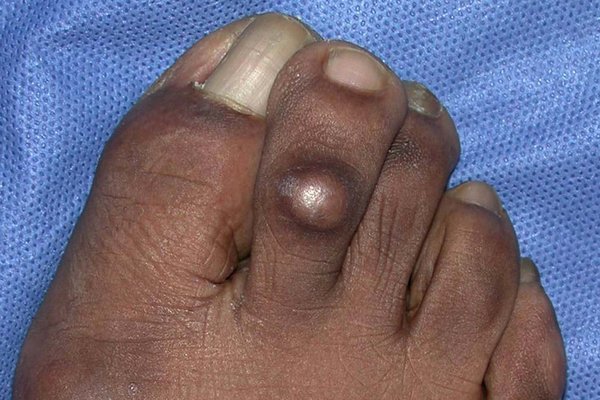
Corns on the foot are common but uncomfortable. These areas of thickened skin typically develop when your skin repeatedly rubs against another surface. As a result, people often resort to home remedies. But self-treatment can exacerbate the problem and create complications. Understanding how proper professional attention makes a difference will help prevent mistakes and improve foot health.
Understanding Corns and Their Causes
Corns grow as the body’s response to occasional rubbing or squeezing. Ill-fitting shoes, improper walking, or foot deformities usually cause them. If this situation persists, irritated skin will harden, and you may experience pain and swelling. Awareness of these triggers is vital for both prevention and safe care. Foot health treatments sometimes require consultation with a corn podiatrist in Auckland.
Common DIY Corn Treatments
Most people treat corns with over-the-counter pads, pumice stones, or even homemade corn treatments. These methods sound too promising to be accurate, fast, effective, and convenient and are a quick fix. The sad thing is that self-care routines often do not account for these underlying factors. Implementing temporary solutions has no lasting effect without addressing the underlying causes of sustained pressure. Some people may use acid-based pads, which can injure healthy skin when misused.

Risks Associated with Home Remedies
There are several risks associated with removing corn at home. Acid treatments for corn may also affect the surrounding tissue. Such effects can lead to sores and infections or even ulcers in the case of individuals with diabetes or poor blood flow. If corns are physically shaved/cut, bacteria on the skin can easily enter the body, causing more serious foot problems.
Why DIY Efforts Often Fail
Home remedies do little to address the underlying causes of corn. If shoes do not fit and the gait is abnormal, removing the surface skin will not correct it. However, if a corn fades away temporarily, it will most likely return unless pressure is lightened. By addressing only the symptoms, people miss big problems, such as bones out of alignment or a foot under constant stress over time.
The Importance of Professional Assessment
Receiving guidance from a subject matter expert has many benefits. Experts can determine whether it is a corn, callus, wart, or another dermatological condition causing the thickening. Each requires a different approach. A complete evaluation will help ensure proper treatment and prevent a recurrence. Tailored recommendations, such as footwear, cushioning, or even orthotic bracing, will likely prevent potential trouble.
Safe and Effective Removal Options
Somebody who is trained uses clean equipment and careful methods to remove corns по 1000. They provide gentle debridement without damaging surrounding healthy tissue. Occasionally, a custom shoe insert helps disperse pressure, reducing the risk of developing a new corn. These machines provide comfort for an extended period of time and help the patient avoid complications.
Preventing Corns in Everyday Life
As always, prevention is better than a cure. Wearing properly fitted shoes with a spacious toe box reduces friction and pressure on the feet. Keeping skin hydrated makes it soft and supple, reducing the risk of thick skin. Regular foot checks allow for the identification of early changes before discomfort escalates.
When to Seek Professional Help
Any pain, swelling, or redness that doesn’t go away should never be overlooked. If there is a foot injury, it is essential to seek medical assistance quickly, as complications are common in people with diabetes and foot circulation is often poor. The procedure will help safeguard against long-term damage, as professional assistance ensures we treat all health-related issues early on.

Conclusion
Although it appears safe to treat a corn at home, it is not correct to say so, as it often does more harm than beneficial effects. Treating yourself incorrectly with self-medication likely worsens the infection or disease, preventing its eradication and causing its return. By seeking treatment from a trained professional, you can receive safe, effective treatment and keep your feet happy and healthy. Investing in prevention and seeking professional advice helps keep discomfort at bay and contributes to long-term well-being.