Three new cases of zika virus reported in Miami-Dade

Local initiatives to control Aedes-aegypti mosquito continue

Florida State health officials have confirmed 3 new cases of the Zika virus in Miami Dade County.

- Advertisement -

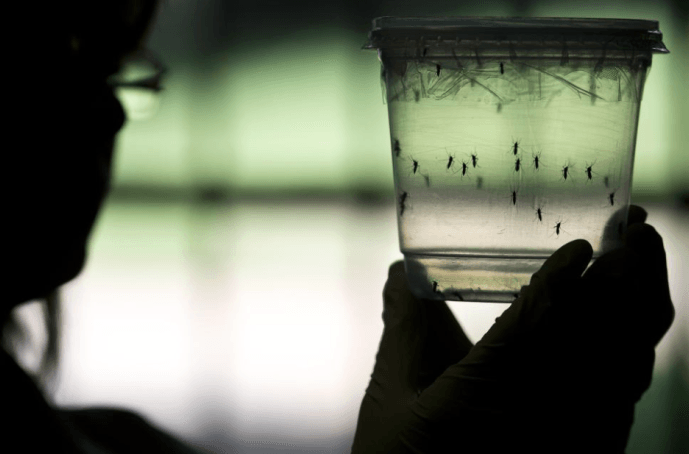
This brings to total count to 30 infections in Miami Dade, and 10 in Broward. Officials are urging residents to take precaution when outdoors. The Zika virus is reported to be spread through Aedes aegypti mosquito bites, blood transfusions, and sexual intercourse.

Miami-Dade now currently has 39 of the state’s 91 reported cases of the mosquito-borne disease.

Five Zika virus cases were confirmed in Florida late February including one pregnant patient, according to state health officials. The cases included 3 more infections in Miami-Dade County and one more in Broward County.

Read more: Five new zika virus cases confirmed in Florida

Zika Virus, also known as Zika Fever, often causes no or only mild symptoms, similar to a mild form of Dengue fever. Since the 1950s, it has been known to occur within locations among Africa and Asia. In 2014, the virus spread eastward across the Pacific Ocean to French Polynesia, then to Easter Island, and in 2015 to Mexico, Central America, the Caribbean, and South America, where the Zika virus outbreak has now reached epic proportions.

As of February 2016, there is evidence that Zika fever in pregnant women can cause abnormal brain development in their fetuses by mother-to-child transmission, called microcephaly.

As the Sunshine state leads the nation in the number of newly confirmed Zika virus infections, Florida will likely become a major focus for a new White House proposal to provide $510 million in the fight against the mosquito-borne virus, which has been linked to higher birth defects. Local initiatives to control the Aedes-aegypti mosquito have increased through spraying and other methods in South Florida cities.

Read more: Florida gears up for Zika

- Advertisement -
Uber Free Rides 728x90

The CDC wants travelers returning to South Florida and other regions in the U.S. to take extra steps to avoid being bitten by mosquitoes, so the insects won’t spread the virus. The agency indicated it expects some clusters of homegrown Zika in mosquito-prone regions like Florida, but is working these regions, states and local governments, to boost mosquito control.

More Stories

Antigua to amend law to fine those who use marijuana in Public

Two different perspectives on cannabis use in sports

At his 2021 Pro Football Hall of Fame enshrinement, legendary Detroit Lions wide receiver Calvin Johnson issued a direct challenge to the world of...
heatwaves climate crisis Caribbean

Skin Cancer Awareness Month highlights sun exposure risk

The Caribbean is defined by its sunshine—beaches, tourism, outdoor living, and year-round heat. But that same sun exposure is also driving a health issue...
hypertension

Why hypertension remains one of the Caribbean’s deadliest health threats

Ahead of World Hypertension Day, health experts are again warning that hypertension—often called the “silent killer”—remains one of the region’s most persistent and underestimated...
flu Caribbean

Caribbean reaches 95% childhood vaccination target

Childhood vaccination coverage across the Caribbean has reached the 95 percent regional target, up from 92 percent in 2022, marking a major milestone in...
vaccination Broward county

PAHO urges vaccination push as measles cases surge across the Americas

The Pan American Health Organization (PAHO) is calling on countries across the region to intensify immunization campaigns during Vaccination Week in the Americas, running...
breastfeeding of newborn babies

WHO certifies The Bahamas for eliminating mother-to-child transmission of HIV

The World Health Organization (WHO), alongside the Pan American Health Organization (PAHO), has congratulated The Bahamas Ministry of Health and Wellness for achieving certification...

Simple tips to protect your teeth and gums every day

Daily dental care doesn't have to be complicated. In fact, small, consistent habits often have the biggest impact on your oral health. A healthy...
Waterborne diseases

A guide to preventing the spread of waterborne diseases at home

Waterborne diseases are more common than many people realize, especially in homes where water hygiene is not carefully maintained. Ingesting or coming into contact...
mental health counseling

Caribbean nations showing major gains in mental health, disaster preparedness, says PAHO

Caribbean countries are emerging as key bright spots in the Pan American Health Organization’s (PAHO) 2025 Annual Reports, with major advances in mental health...

School food choices driving childhood obesity in Jamaica and the Caribbean, PAHO warns

The food children eat at school is shaping lifelong health habits, contributing to rising obesity rates and diet-related diseases in Jamaica and across the...

Latest Articles