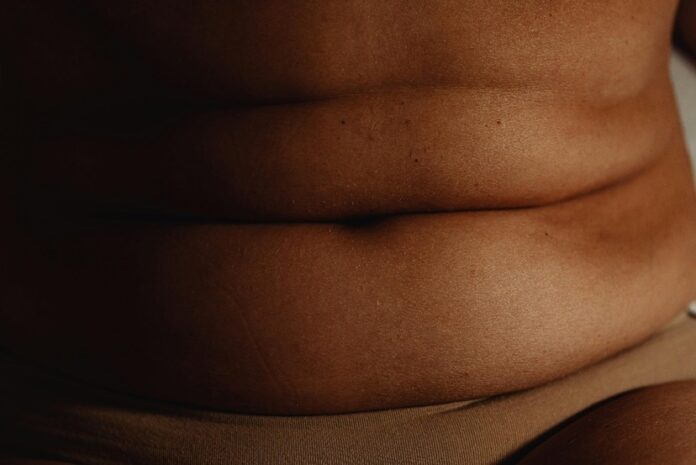
While being obese certainly changes the way you look, it’s also important to note that obesity is a health condition and can also impact other aspects of your health. According to the World Health Organization, more people are obese than underweight in every region except the South-East Asia Region.
Since 1990, the prevalence of obese adults has more than doubled globally. A study found that 43% of adults were classified as overweight in 2022. Meanwhile, obesity has long been linked to the development of severe diseases and health conditions such as cardiovascular disease, diabetes, and some cancers, leading to a demand for improved healthcare systems globally.
However, where does the Caribbean lie on this scale? In this post, we’ll take a closer look at obesity in the Caribbean and what we can do to pursue and promote healthy weight loss methods to prevent the development of severe or life-threatening diseases and conditions:

Obesity in the Caribbean
Unfortunately, obesity is no longer a problem in developed countries. According to insights on obesity levels from the Caribbean Public Health Agency, the Caribbean has some of the highest rates of overweight and obesity in the Americas. This includes adults ranging from 18.9% in Antigua and Barbuda to 31.6% in the Bahamas. Meanwhile, the number of children aged five to nine years old in CARICOM countries continues to increase, with the highest rate recorded in the Bahamas at 39.5%. In fact, the prevalence of obesity in Caribbean children is two to three times higher than in the rest of the world. As such, to prevent the rising risk factor for non-communicable diseases, it’s important to address the obesity epidemic.
Based on data from the Turks and Caicos Ministry of Health and Human Services, the rising obesity rates may have to do with the continued modernization seen in the Turks and Caicos Islands and other Caribbean nations. This notes a significant shift away from more traditional diets based on plants, whole grains, beans, and fish. Instead, diets tend to consist of processed sugars, fats, and high levels of salt. The rise of digital technology has also been linked to a concerning trend towards more sedentary lifestyles.
In response to these findings, the local government reiterates the need for collective action across society to promote healthy lifestyles, including proposals for schools to introduce healthy lunches, and communities and workplaces taking part in wellness programs.
Healthy weight loss methods
As mentioned above, the importance of lifestyle changes can’t be ignored if we want to promote healthier and more sustainable means of weight loss in the long term. Unfortunately for many, even when the solutions are suggested and recommended, there’s still the obstacle of getting started.
In this case, joining a weight loss program can help provide extra guidance and direction to keep you motivated and accountable throughout your weight loss journey. In line with continued modernization in the region, modern weight loss programs can be accessed online and on various devices, from computers to tablets and smartphones. These programs promote healthy eating without restrictive diets and behavioral changes like upping physical activity and improving sleeping habits.
Finally, another important step in promoting healthy weight loss and reducing obesity rates is to maintain regular physical activity in one’s daily lifestyle. Researchers have noted that increased physical activity can help supplement lifestyle modifications like reduced caloric intake to help reduce obesity rates. At the same time, physical activity also offers numerous health benefits and can significantly impact critical health markers. More importantly, this isn’t restricted to people who are obese. Data indicates that physical activity can improve other health markers in individuals, including improved overall quality of life, brain health, cognition, memory, sleep, and anxiety.

Read: Lancet study reveals over 1 billion affected by obesity worldwide