In honor of National Stroke Awareness Month, the Florida Department of Health in Broward County (DOH-Broward) underscores the critical importance of understanding the risk factors and symptoms associated with strokes.
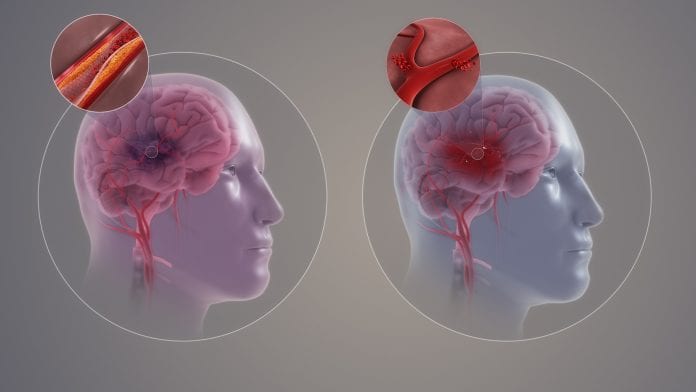
A stroke, often referred to as a cerebrovascular accident (CVA), is a medical emergency that occurs when blood flow to a part of the brain is interrupted or reduced, depriving brain tissue of oxygen and nutrients. This disruption in blood flow can be caused by a blockage (ischemic stroke) or the rupture of a blood vessel (hemorrhagic stroke).
Ischemic strokes, which account for the majority of strokes, occur when a clot obstructs a blood vessel supplying blood to the brain. Hemorrhagic strokes, on the other hand, result from the rupture of a weakened blood vessel, leading to bleeding into the brain tissue.

The lack of oxygen and nutrients to brain cells during a stroke can cause brain damage within minutes. The severity of the damage depends on the location and extent of the blockage or bleeding, as well as how quickly medical treatment is administered.
Common symptoms of stroke include sudden weakness or numbness in the face, arm, or leg (usually on one side of the body), difficulty speaking or understanding speech, sudden confusion, trouble seeing in one or both eyes, difficulty walking, dizziness, or severe headache with no known cause.
Stroke stands as a prominent contributor to mortality rates nationwide. Swift recognition of stroke symptoms can be pivotal, as prompt intervention can mitigate potential brain damage and significantly enhance survival prospects.
Remember F.A.S.T. and Dial 9-1-1:
- Face: If one side of the face droops, it could signal a potential stroke.
- Arms: Inability to raise both arms is another indicator of a stroke.
- Speech: Slurred speech and difficulty understanding simple sentences may also signify a stroke.
- Time: Witnessing any of these symptoms warrants an immediate call to 9-1-1.
Factors Contributing:
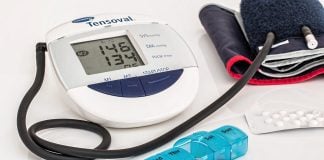
- High Blood Pressure: Elevated blood pressure poses a significant risk factor.
- Excessive Alcohol Consumption: Heavy drinking can increase susceptibility to strokes.
- Physical Inactivity: A sedentary lifestyle can heighten the risk of stroke.
- Diabetes: Individuals with diabetes face an elevated stroke risk.
- High Cholesterol: Elevated cholesterol levels can contribute to stroke risk.
- Smoking: Tobacco use is strongly associated with an increased risk of stroke.
- Heart Disease: Cardiovascular issues can amplify the likelihood of experiencing a stroke.
Strategies to Mitigate Stroke Risk:
- Healthy Diet: Adopting a nutritious eating plan can help reduce stroke risk.
- Maintain Healthy Weight: Maintaining a healthy weight is crucial for stroke prevention.
- Regular Exercise: Engaging in physical activity on a regular basis can lower stroke risk.
- Quit Smoking: Ceasing tobacco use can significantly reduce the likelihood of stroke.
- Moderate Alcohol Intake: Limiting alcohol consumption can aid in stroke prevention.