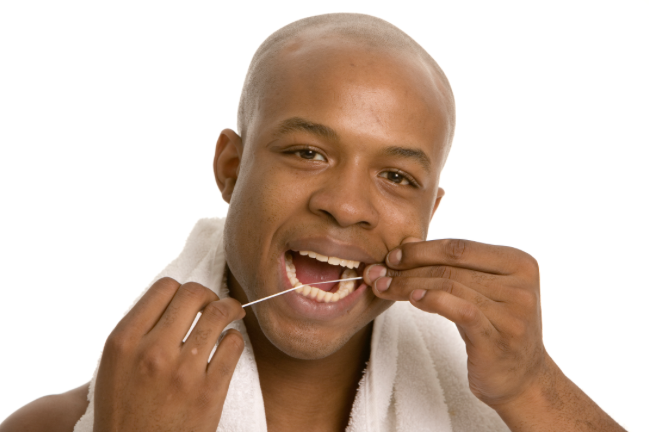
Is flossing necessary?

Why this extra dental task is important

Though it’s one extra task in your daily dental care, flossing is an essential part of preserving the health of your teeth and gums. The American Dental Association recommends flossing at least once a day to help remove plaque from the areas between your teeth where your toothbrush can’t reach. This is important, because plaque not removed by brushing can eventually harden into calculus or tartar. Flossing also helps prevent cavities and event gum disease. If left untreated, gum disease can be a risk factor for heart disease, diabetes, and a high body mass index. In addition, bacteria can cause bad breath. By also removing the residue that can make your teeth look less white, flossing can also improve the appearance of your mouth.

- Advertisement -
Journey to Kingston-728x90

What Type of Floss Should I Use?

Nylon (or multifilament) floss

The more affordable option, nylon floss is available both waxed and unwaxed, and in a variety of flavors. But because this type of floss is made up of many strands of nylon, it may sometimes tear or shred, especially between teeth with tight contact points.

PTFE (monofilament) floss

While more expensive, single filament (PTFE) floss slides easily between teeth – even through tight spaces – and is virtually shred-resistant. This makes it a great option for those on the go. But, when both are used properly, they prove equally excellent at removing plaque and debris.

Simple Steps to Floss 

We know we should floss at least once a day, but not everyone knows the right way to do it. Use this step-by-step guide to find out how to properly floss your teeth:

  • Break off about 18 inches of floss and wind most of it around one of your middle fingers. Wind the remaining floss around the same finger of the opposite hand. This finger will take up the floss as it becomes dirty.
  • Hold the floss tightly between your thumbs and forefingers.
  • Guide the floss between your teeth using a gentle rubbing motion. Never snap the floss into the gums.
  • When the floss reaches the gum line, curve it into a C shape against one tooth. Gently slide it into the space between the gum and the tooth.
  • Hold the floss tightly against the tooth. Gently rub the side of the tooth, moving the floss away from the gum with up and down motions. Repeat this method on the rest of your teeth. Don’t forget the back side of your last tooth.

More Stories

Antigua to amend law to fine those who use marijuana in Public

Two different perspectives on cannabis use in sports

At his 2021 Pro Football Hall of Fame enshrinement, legendary Detroit Lions wide receiver Calvin Johnson issued a direct challenge to the world of...
heatwaves climate crisis Caribbean

Skin Cancer Awareness Month highlights sun exposure risk

The Caribbean is defined by its sunshine—beaches, tourism, outdoor living, and year-round heat. But that same sun exposure is also driving a health issue...
hypertension

Why hypertension remains one of the Caribbean’s deadliest health threats

Ahead of World Hypertension Day, health experts are again warning that hypertension—often called the “silent killer”—remains one of the region’s most persistent and underestimated...
flu Caribbean

Caribbean reaches 95% childhood vaccination target

Childhood vaccination coverage across the Caribbean has reached the 95 percent regional target, up from 92 percent in 2022, marking a major milestone in...
vaccination Broward county

PAHO urges vaccination push as measles cases surge across the Americas

The Pan American Health Organization (PAHO) is calling on countries across the region to intensify immunization campaigns during Vaccination Week in the Americas, running...
breastfeeding of newborn babies

WHO certifies The Bahamas for eliminating mother-to-child transmission of HIV

The World Health Organization (WHO), alongside the Pan American Health Organization (PAHO), has congratulated The Bahamas Ministry of Health and Wellness for achieving certification...

Simple tips to protect your teeth and gums every day

Daily dental care doesn't have to be complicated. In fact, small, consistent habits often have the biggest impact on your oral health. A healthy...
Waterborne diseases

A guide to preventing the spread of waterborne diseases at home

Waterborne diseases are more common than many people realize, especially in homes where water hygiene is not carefully maintained. Ingesting or coming into contact...
mental health counseling

Caribbean nations showing major gains in mental health, disaster preparedness, says PAHO

Caribbean countries are emerging as key bright spots in the Pan American Health Organization’s (PAHO) 2025 Annual Reports, with major advances in mental health...

School food choices driving childhood obesity in Jamaica and the Caribbean, PAHO warns

The food children eat at school is shaping lifelong health habits, contributing to rising obesity rates and diet-related diseases in Jamaica and across the...

Latest Articles