


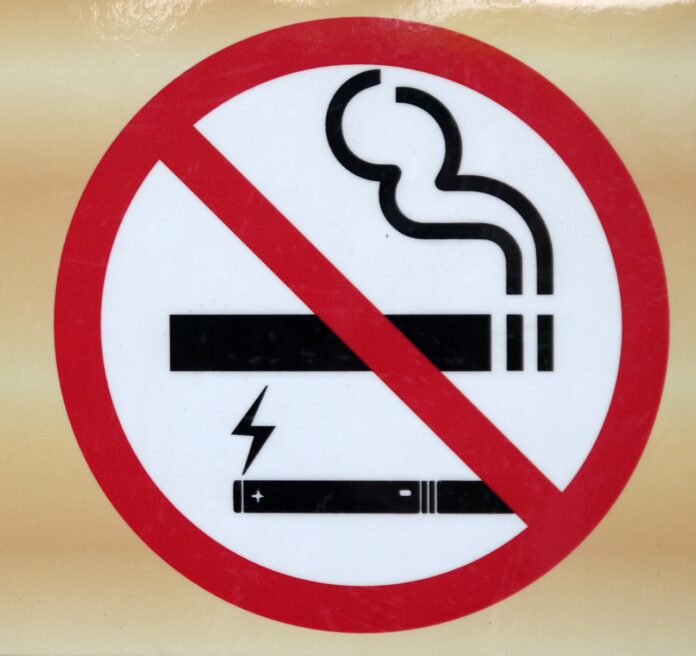
The World Health Organization (WHO) has advocated for the prohibition of smoking and vaping within educational institutions.

This proposal stems from the continual targeting of young individuals by the tobacco industry with nicotine and tobacco products.
WHO has noted that these marketing strategies have significantly contributed to the rise in e-cigarette use among youth, with the initiation age of smoking dropping alarmingly to as early as 11 in some cases.


The pivotal role of schools
WHO points out that educational institutions serve a crucial function in the lives of children, who spend approximately one-third of their waking hours within school premises.
It notes that during this significant period, children are exposed to peer pressures, including the enticement to smoke or vape.
WHO believes that schools thereby have the advantage and responsibility to substantially influence and mold students’ perspectives and behaviors regarding smoking and vaping.
Rising trend in e-cigarettes
WHO reports that there has been an upswing in the development and accessibility of new tobacco and nicotine products designed to appeal to the youth.
These products, including e-cigarettes, are not only available but also affordable due to the sale of single-use items.
WHO believes that these often lack the requisite health warnings, further endangering young lives.












 has advocated for the prohibition of smoking and vaping within educational institutions. )