

PAHO issues health guidance ahead of 2026 FIFA World Cup
Key Points(5)
- The Pan American Health Organization (PAHO) has released new public health recommendations for travellers and spectators attending the 2026 FIFA World Cup™, which will be hosted across Canada, Mexico, and the United States.
- The guidance forms part of PAHO’s “With Health, We All Win” campaign, which aims to promote safer participation in mass gatherings such as matches, fan zones, celebrations, and other large-scale public events expected to draw millions of people.
- PAHO said the World Cup will bring together vast crowds not only in stadiums, but also in public transport systems, restaurants, and other shared spaces—conditions that can increase the risk of infectious diseases, heat-related illnesses, and injuries.
- “The celebration happens both inside and outside the stadiums, but to fully enjoy it, it’s important to take care of yourself and stay informed,” the organisation said.
- Vaccination urged amid rising measles concern A key focus of the guidance is ensuring travellers are up to date on vaccinations, particularly against measles, which PAHO says has seen a recent increase in cases across the Region of the Americas, including in all three host countries.
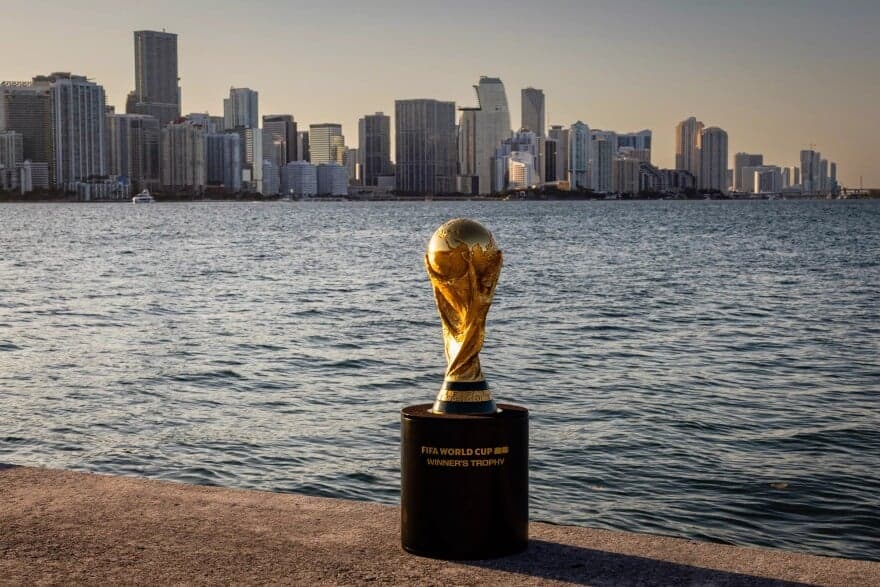
The Pan American Health Organization (PAHO) has released new public health recommendations for travellers and spectators attending the 2026 FIFA World Cup, which will be hosted across Canada, Mexico, and the United States.
The guidance forms part of PAHO’s “With Health, We All Win” campaign, which aims to promote safer participation in mass gatherings such as matches, fan zones, celebrations, and other large-scale public events expected to draw millions of people.
PAHO said the World Cup will bring together vast crowds not only in stadiums, but also in public transport systems, restaurants, and other shared spaces—conditions that can increase the risk of infectious diseases, heat-related illnesses, and injuries.
“The celebration happens both inside and outside the stadiums, but to fully enjoy it, it’s important to take care of yourself and stay informed,” the organisation said.
Vaccination urged amid rising measles concern
A key focus of the guidance is ensuring travellers are up to date on vaccinations, particularly against measles, which PAHO says has seen a recent increase in cases across the Region of the Americas, including in all three host countries.
The organisation warned that measles is highly contagious and can spread rapidly in crowded environments such as stadiums and fan zones, with a single infected person capable of transmitting the virus to up to 18 unvaccinated individuals.
Travellers are also encouraged to review protection against other illnesses, including influenza, COVID-19, hepatitis A and B, and Tdap (tetanus, diphtheria, and pertussis), depending on personal health needs and destination.
Travel preparation and safety measures
PAHO is advising visitors to prepare ahead of travel by assembling a basic health kit, carrying sufficient medication, and confirming insurance coverage. It also recommends keeping copies of key documents such as passports and vaccination records in case of emergencies.
Basic health habits—such as adequate rest, balanced nutrition, and physical activity before departure—are also encouraged to help travellers manage the demands of large-scale events.
Risks in mass gatherings
The organisation highlighted that crowded environments can increase exposure to respiratory infections, foodborne illnesses, heat stress, and injuries.
Preventive measures include frequent handwashing, drinking safe water, eating properly cooked food, ensuring ventilation in enclosed spaces, and staying alert to surroundings in crowded venues.
With matches expected during summer conditions, PAHO also warned of heightened risks linked to extreme heat, including dehydration and heat exhaustion, advising fans to stay hydrated, seek shade, and avoid peak heat hours.
Mosquito-borne diseases and sexual health precautions
In some host cities—particularly in Mexico—travellers may also face risks from mosquito-borne diseases such as dengue, Zika, and chikungunya. PAHO recommends using insect repellent and wearing protective clothing.
The guidance also addresses sexual health, encouraging condom use to reduce the risk of sexually transmitted infections, and warns that alcohol consumption can increase health risks by impairing judgment and contributing to dehydration.
Monitoring symptoms after travel
PAHO is urging travellers to remain vigilant for symptoms after returning home, noting that certain infections may appear days after exposure. Measles, for example, can develop within 7 to 14 days, while diseases such as dengue, Zika, or mpox may also have delayed onset.
Anyone experiencing fever, rash, or respiratory symptoms is advised to seek medical attention promptly and disclose recent travel and attendance at mass events.
The organisation said early action is critical both for treatment and to prevent further transmission, underscoring that health safety during major global events is a shared responsibility between individuals and public health systems.

.jpg&w=1920&q=75)