Cayman Islands confirms imported cyclosporiasis case amid U.S. outbreak investigation
Key Points(5)
- The Cayman Islands has confirmed one case of cyclosporiasis, but public health officials say the infection was acquired overseas and there is currently no evidence of local transmission.
- The confirmation comes as health authorities in the United States investigate a widespread outbreak of the intestinal illness, with more than 1,600 domestically acquired cases reported since May and thousands of additional cases under investigation.
- health officials believe the outbreak may be linked to contaminated packaged lettuce and other leafy greens, though the specific source has not yet been confirmed.
- Cyclosporiasis is caused by the parasite Cyclospora and is typically contracted through consuming food or water contaminated with the parasite, particularly raw fruits and vegetables exposed to water contaminated by human waste.
- Symptoms commonly include diarrhoea, which can persist for weeks or months without treatment, as well as nausea, vomiting, loss of appetite, stomach cramps, bloating, fatigue and weight loss.
The Cayman Islands has confirmed one case of cyclosporiasis, but public health officials say the infection was acquired overseas and there is currently no evidence of local transmission.
The confirmation comes as health authorities in the United States investigate a widespread outbreak of the intestinal illness, with more than 1,600 domestically acquired cases reported since May and thousands of additional cases under investigation.
U.S. health officials believe the outbreak may be linked to contaminated packaged lettuce and other leafy greens, though the specific source has not yet been confirmed.
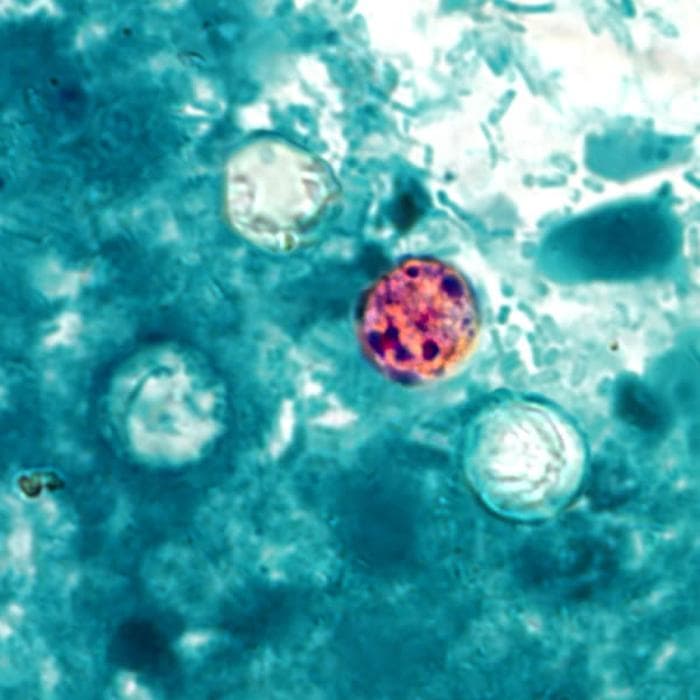
Cyclosporiasis is caused by the parasite Cyclospora and is typically contracted through consuming food or water contaminated with the parasite, particularly raw fruits and vegetables exposed to water contaminated by human waste.
Symptoms commonly include diarrhoea, which can persist for weeks or months without treatment, as well as nausea, vomiting, loss of appetite, stomach cramps, bloating, fatigue and weight loss. Most people recover with appropriate medical care.
Despite the ongoing investigation in the United States, Cayman Islands Chief Medical Officer Dr. Hilary Wolf said there is no evidence that residents face an increased risk.
She said the Cayman Islands Molecular Biology Laboratory is equipped to detect Cyclospora infections, while health officials continue to monitor developments through international public health partners and maintain enhanced surveillance.
Medical Officer of Health Dr. Eryka Simmons said no specific food product, brand or retailer has been identified as the source of the U.S. outbreak. However, the U.S. Centers for Disease Control and Prevention has identified lettuce and other leafy greens, particularly pre-packaged salads, as possible sources of infection.
Simmons encouraged residents to practise good hand hygiene and thoroughly wash fresh fruits and vegetables before consumption, even when products are labelled as pre-washed.
Department of Environmental Health Director Richard Simms said imported produce continues to undergo routine inspections to ensure proper transportation and refrigeration. He added that any spoiled or contaminated produce identified during inspections is removed and destroyed.
Health officials are advising anyone experiencing persistent diarrhoea or other symptoms associated with cyclosporiasis, especially after recent travel to the United States or consumption of fresh produce, to seek medical attention.
The Public Health Department is also reminding residents to follow good food safety practices, including washing hands regularly, cleaning fresh produce, refrigerating perishable foods, drinking safe water and monitoring official food recall notices.
Health Minister Katherine Ebanks-Wilks said the government will continue to monitor the situation and provide updates if public health guidance changes.