Jamaica strengthens monitoring of imported produce amid U.S. cyclospora outbreak
Key Points(5)
- The Ministry of Agriculture, Fisheries and Mining says it has intensified its monitoring of imported fruits and vegetables following an ongoing multistate outbreak of cyclosporiasis in the United States that has been linked to contaminated shredded iceberg lettuce.
- The move comes as U.S.
- public health authorities continue investigating the outbreak, which is caused by the parasite Cyclospora cayetanensis .
- According to the U.S.
- Centers for Disease Control and Prevention (CDC), as of July 18, 2026, there have been 1,644 confirmed cases of the intestinal illness across multiple states, including 94 hospitalizations.
The Jamaican Ministry of Agriculture, Fisheries and Mining says it has intensified its monitoring of imported fruits and vegetables following an ongoing multistate outbreak of cyclosporiasis in the United States that has been linked to contaminated shredded iceberg lettuce.
The move comes as U.S. public health authorities continue investigating the outbreak, which is caused by the parasite Cyclospora cayetanensis. According to the U.S. Centers for Disease Control and Prevention (CDC), as of July 18, 2026, there have been 1,644 confirmed cases of the intestinal illness across multiple states, including 94 hospitalizations.
The U.S. Food and Drug Administration (FDA) has also issued a recall of a specific brand of shredded iceberg lettuce over suspected Cyclospora contamination while expanding traceback investigations, product sampling and border screening efforts to determine the source of the outbreak.
In response, Jamaica's Ministry of Agriculture, Fisheries and Mining said its Plant Quarantine and Produce Inspection Branch (PQPIB) has heightened surveillance of imported plant products that could potentially pose a risk to local consumers.
The ministry noted that Jamaica imports a wide range of fruits and vegetables from the United States for both the domestic market and the tourism sector, making it essential to closely monitor the evolving situation.
"Given the uncertainties surrounding the ongoing outbreak in the United States and pending further information from U.S. authorities and the completion of the traceback investigation, the PQPIB has strengthened its monitoring of imports of plant products that may pose a potential risk of Cyclospora contamination," the ministry said.
The ministry explained that the PQPIB, which regulates the importation of plants and plant products into Jamaica, has been actively tracking developments to safeguard public health.
As part of the enhanced measures, the ministry is working alongside the Ministry of Health and Wellness, the Consumer Affairs Commission, the National Compliance and Regulatory Authority, the Jamaica Customs Agency and other regulatory bodies to strengthen surveillance at Jamaica's ports of entry.
The increased scrutiny will focus particularly on products identified in FDA food safety advisories and recall notices.
Officials also confirmed that all consignments of imported iceberg lettuce, along with other leafy vegetables and fruits originating in or passing through the United States, are being carefully reviewed to verify traceability documentation and ensure compliance with Jamaica's import regulations.
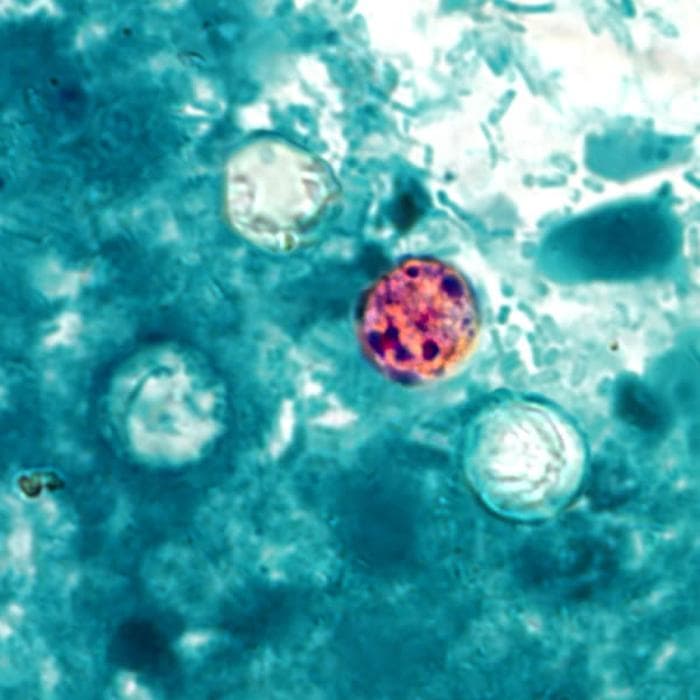
Cyclospora is a microscopic parasite that causes cyclosporiasis, an intestinal illness commonly associated with the consumption of contaminated fresh produce or water.
Symptoms can include prolonged diarrhea, loss of appetite, stomach cramps, nausea, fatigue and weight loss. While the illness can resolve on its own in some cases, treatment with prescribed antibiotics is often required.
The ministry said it will continue monitoring the situation in collaboration with international and local public health agencies and will implement additional measures if necessary.
Consumers are encouraged to stay informed by following official food safety updates issued by the Ministry of Agriculture, Fisheries and Mining, the CDC and the FDA, particularly regarding product recalls and ongoing investigations.