Trinidad PM Kamla Persad-Bissessar rejects recession claims
Key Points(5)
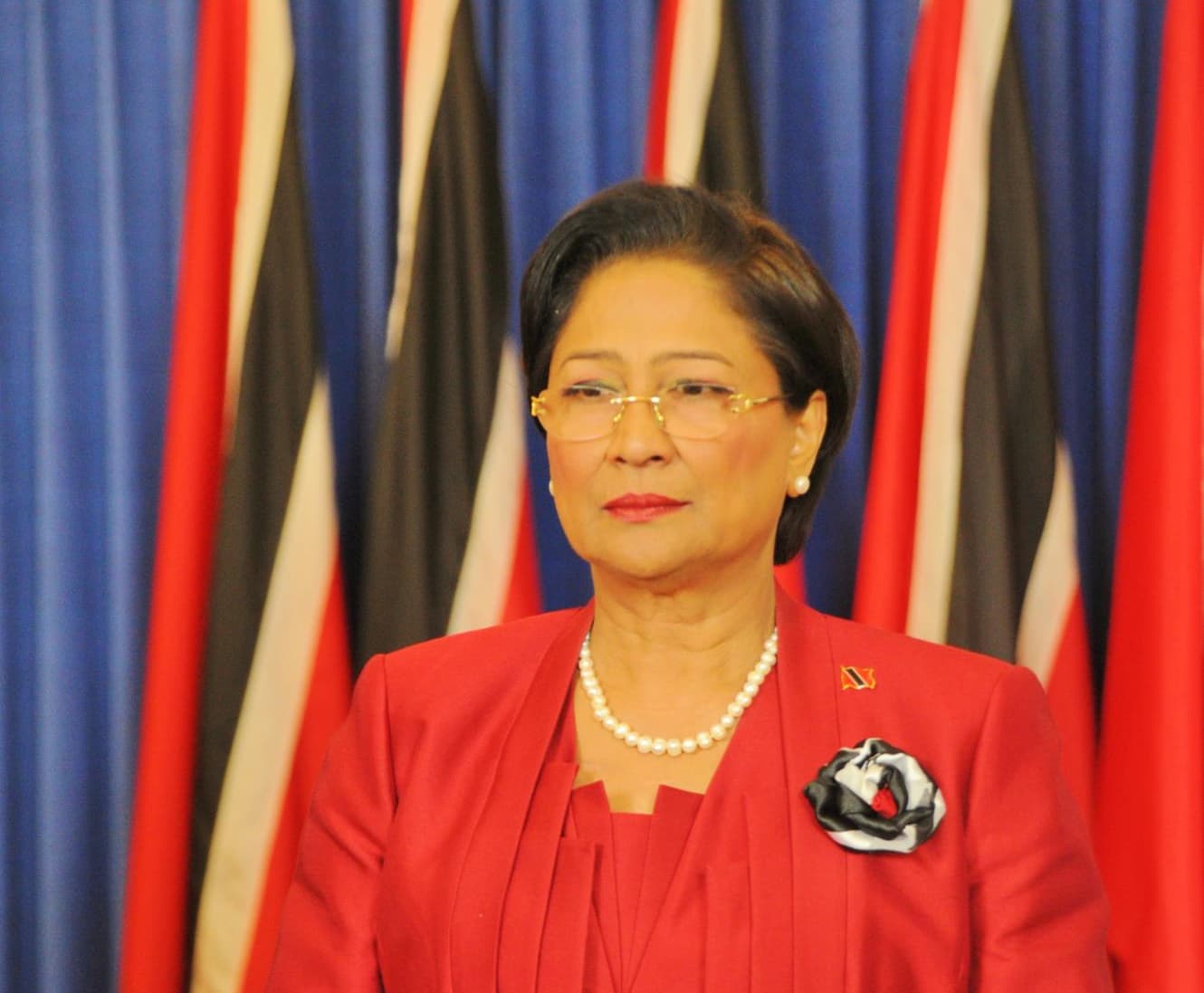
- Trinidad and Tobago Prime Minister Kamla Persad-Bissessar has rejected Opposition claims that the country is in recession, citing projected economic growth while defending her administration’s plans to divest loss-making state enterprises.
- Speaking during the 2027 Budget debate in the House of Representatives, Persad-Bissessar dismissed Opposition Leader Pennelope Beckles’ assessment of the economy and argued that the country was making economic progress.
- “Trinidad and Tobago is not standing still.
- Trinidad and Tobago is in progression,” she said.
- The prime minister also mocked the opposition People’s National Movement (PNM) over the apparent halt in construction at its Balisier House headquarters, suggesting that the party was experiencing its own financial difficulties.
Trinidad and Tobago Prime Minister Kamla Persad-Bissessar has rejected Opposition claims that the country is in recession, citing projected economic growth while defending her administration’s plans to divest loss-making state enterprises.
Speaking during the 2027 Budget debate in the House of Representatives, Persad-Bissessar dismissed Opposition Leader Pennelope Beckles’ assessment of the economy and argued that the country was making economic progress.
“Trinidad and Tobago is not standing still. Trinidad and Tobago is in progression,” she said.
The prime minister also mocked the opposition People’s National Movement (PNM) over the apparent halt in construction at its Balisier House headquarters, suggesting that the party was experiencing its own financial difficulties.
“Balisier House funding is in recession. Cakes, fudge, toolum seems to not be selling anymore, so construction stopped. So I suppose the PNM is facing a recession,” Persad-Bissessar said.
She also rejected Beckles’ characterization of the government as a dictatorship, questioning how the opposition leader could make such a claim while addressing a democratically elected Parliament.
“The irony of falsely declaring a dictatorship while speaking inside a republican parliament with 40 other democratically elected representatives,” she said.
Persad-Bissessar ended her response with a further criticism of the opposition party, calling it “the absolute dumbest version of the PNM.”
Economic growth and debt
To counter the opposition’s claims about the economy, Persad-Bissessar cited International Monetary Fund projections indicating that Trinidad and Tobago’s economy was expected to grow by 0.8% in 2026, 3% in 2027 and an average of approximately 3.5% in 2028 and 2029.
She argued that the projections contradicted the opposition’s assessment of the country’s economic performance.
The prime minister also blamed the former PNM administration for leaving substantial debt obligations, saying adjusted government debt increased from $75.38 billion in fiscal 2015 to $140.58 billion in fiscal 2024, an increase of 86.5%.
Persad-Bissessar said her administration had borrowed more than $21 billion to refinance inherited debt, with another $70 billion in debt falling due over the next five years.
Government defends divestment plans
Persad-Bissessar also rejected opposition claims that the government was conducting a fire sale of state assets, defending plans to divest enterprises that have incurred sustained financial losses.
“I heard one of them say it’s a fire sale. Nothing is further from the truth,” she said.
The prime minister questioned why taxpayers should continue subsidizing businesses that consistently record losses and identified the Magdalena Grand Beach and Golf Resort, the Trinidad Hilton and the Caribbean Dockyard and Engineering Company (Caridoc) among the entities earmarked for divestment.
She said the Magdalena Grand had accumulated losses of $240 million and disclosed that the government had been asked to provide approximately $400 million for upgrades at the Hilton.
“No government should be running hotels,” Persad-Bissessar said.
Her defense of the proposed divestments formed part of a broader response to the opposition’s criticism of the government’s economic management during the budget debate.