Understanding fibroids: What every woman should know this Fibroid Awareness Month
Key Points(5)
- July is recognized as Fibroid Awareness Month, an opportunity to shine a spotlight on one of the most common yet misunderstood health conditions affecting women.
- While fibroids are noncancerous growths that develop in or around the uterus, their impact can range from virtually unnoticed to significantly disruptive, depending on their size, number, and location.
- The good news is that fibroids are treatable, and understanding the condition is the first step toward taking control of your reproductive health.
- Fibroids are extremely common during a woman's reproductive years.
- In fact, many women have fibroids without ever realizing it because they experience no symptoms.
July is recognized as Fibroid Awareness Month, an opportunity to shine a spotlight on one of the most common yet misunderstood health conditions affecting women. While fibroids are noncancerous growths that develop in or around the uterus, their impact can range from virtually unnoticed to significantly disruptive, depending on their size, number, and location.
The good news is that fibroids are treatable, and understanding the condition is the first step toward taking control of your reproductive health.
Fibroids are extremely common during a woman's reproductive years. In fact, many women have fibroids without ever realizing it because they experience no symptoms. Others, however, may face challenges that interfere with their daily lives, including heavy menstrual bleeding, pelvic pain, pressure on surrounding organs, frequent urination, and even fertility concerns.
Although fibroids can affect women of all backgrounds, women between the ages of 30 and 50 are at the highest risk. A family history of fibroids also increases the likelihood of developing the condition. Women of African descent are disproportionately affected, often developing fibroids at a younger age and experiencing larger or more numerous growths. Other risk factors include obesity and prolonged exposure to higher levels of the hormone oestrogen.
While these factors cannot always be controlled, being aware of them can encourage women to seek medical advice if symptoms arise.
Recognizing the symptoms
Fibroids do not always cause symptoms, but when they do, they can have a significant effect on quality of life. Some of the most common warning signs include:
- Heavy or prolonged menstrual periods
- Pelvic pain or pressure
- Frequent urination
- Constipation
- Pain during sexual intercourse
- Difficulty becoming pregnant
Because these symptoms may also be associated with other medical conditions, it is important not to self-diagnose. A healthcare professional can determine the underlying cause and recommend the most appropriate course of action.
Diagnosis usually begins with a thorough medical history and a pelvic examination. If fibroids are suspected, imaging tests are often used to confirm their presence.
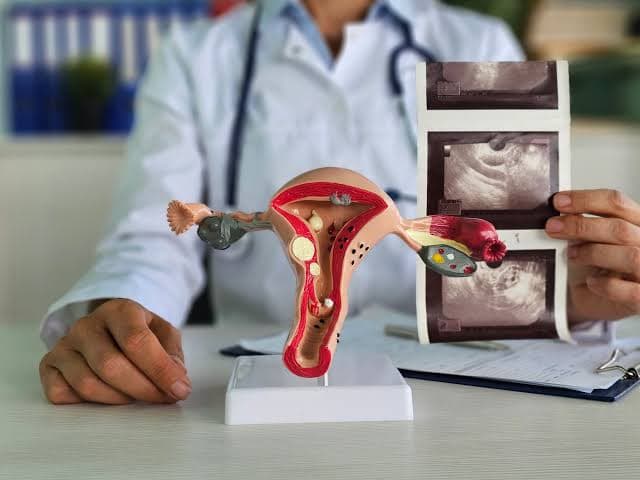
An ultrasound is the most common diagnostic tool and can provide clear images of the uterus and any fibroids present. In cases where more detailed information is needed, particularly before treatment planning, an MRI may be recommended. In selected cases, a hysteroscopy, which allows a doctor to examine the inside of the uterus using a thin camera, may also be performed.
Treatment options
Not every fibroid requires treatment. Management depends on several factors, including the severity of symptoms, the size and location of the fibroids, the woman's age, and whether she plans to have children in the future.
Treatment options may include:
- Observation: Small fibroids that are not causing symptoms may simply be monitored over time.
- Medication: Certain medications can help manage symptoms, such as heavy bleeding, or temporarily shrink fibroids.
- Minimally invasive procedures: Advances in medicine now offer treatments that can reduce or destroy fibroids without major surgery.
- Myomectomy: A surgical procedure that removes fibroids while preserving the uterus, making it an option for women who wish to maintain their fertility.
- Hysterectomy: Removal of the uterus may be recommended in some cases, particularly when symptoms are severe and other treatments have not been successful or are unsuitable.
This Fibroid Awareness Month, make your health a priority. Listen to your body, pay attention to any changes, and never ignore symptoms that seem unusual. When in doubt, speak with a qualified gynaecologist. Seeking professional medical advice early can provide peace of mind, ensure an accurate diagnosis, and help you make informed decisions about your health.