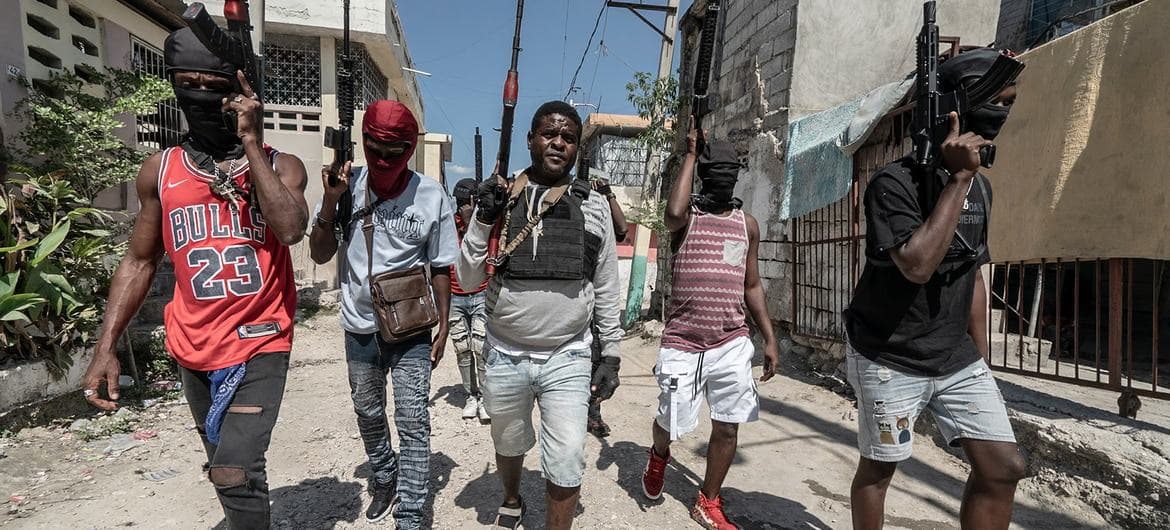
As murders fall, Jamaica faces another deadly front: Road fatalities
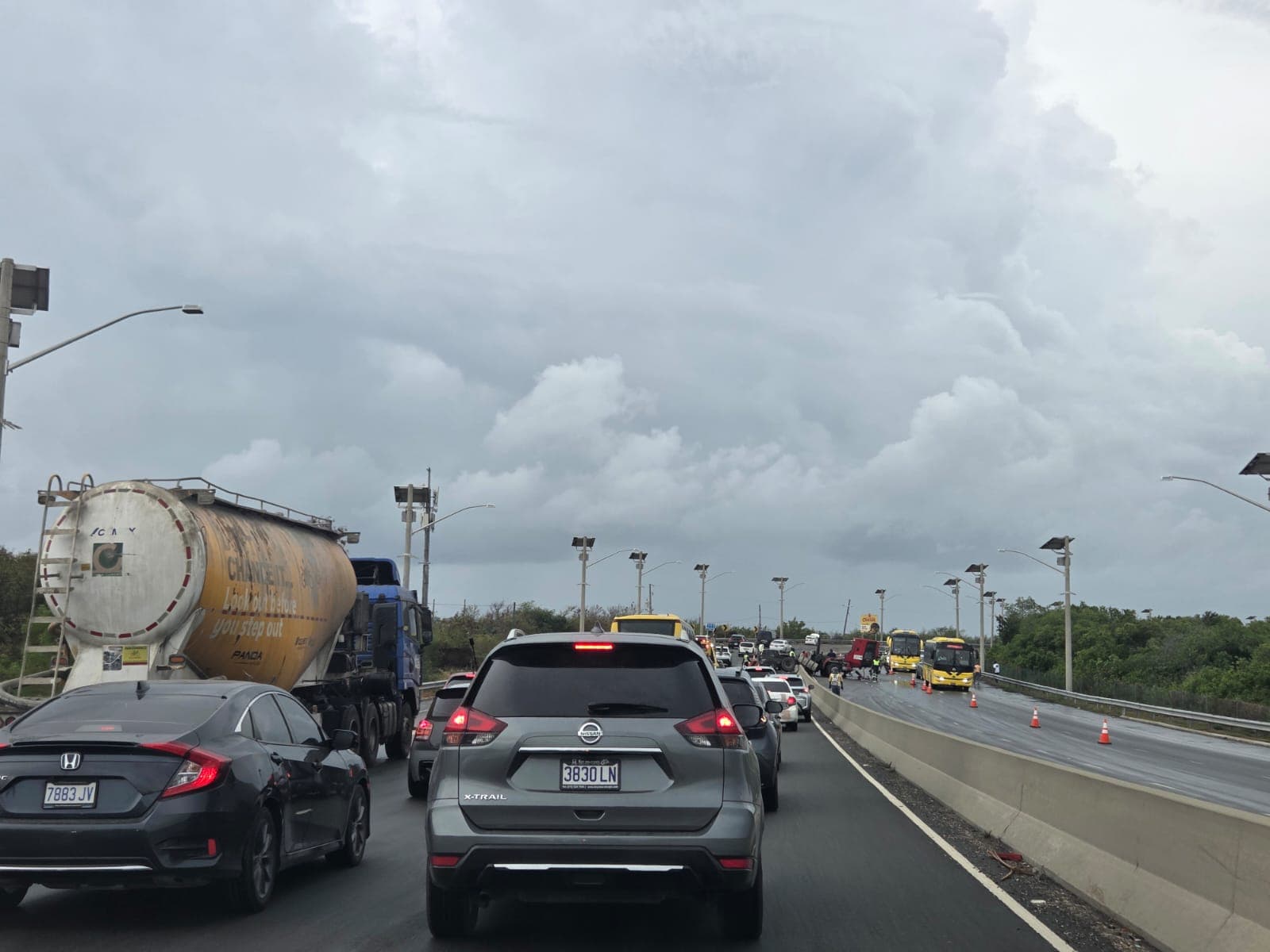
A Traffic pileup along the Portmore leg of highway 2000 as a trailer truck sits along the median following an accident involving a Toyota Probox motorcar on Monday Sep 21, 2026
Key Points(5)
- For decades, Jamaica became accustomed to counting its dead by the hundreds, not from hurricanes, epidemics or natural disasters, but from violence.
- Murder was so deeply embedded in the national conversation that Jamaica's homicide rate became synonymous with its international image.
- In 2017, the country recorded a staggering 1,647 murders, according to Jamaica Constabulary Force figures.
- Even as the numbers fluctuated in subsequent years, the burden of violent crime remained one of Jamaica's most persistent national crises.
- Now, remarkably, that story is changing.
For decades, Jamaica became accustomed to counting its dead by the hundreds, not from hurricanes, epidemics or natural disasters, but from violence.
Murder was so deeply embedded in the national conversation that Jamaica's homicide rate became synonymous with its international image. In 2017, the country recorded a staggering 1,647 murders, according to Jamaica Constabulary Force figures. Even as the numbers fluctuated in subsequent years, the burden of violent crime remained one of Jamaica's most persistent national crises.
Now, remarkably, that story is changing.
Jamaica recorded 673 murders in 2025, a 42 per cent decline from the 1,147 recorded in 2024 and the first time in 31 years that the annual murder toll fell below 700. Shootings also declined by 32 per cent, while overall major crime fell by 17 per cent.
The decline has continued into 2026. JCF figures show that between January 1 and September 5, 372 murders were recorded, compared with 474 over the corresponding period in 2025, a 21.5 per cent reduction. The force has said the country remains on a trajectory of historically low murder numbers, with August recording just 37 murders, one of the lowest monthly totals in more than three decades.
That is progress worth acknowledging.
However, as Jamaica learns what it feels like to live with fewer homicides, another uncomfortable reality is demanding attention: we are still losing too many people on our roads.
A different kind of deadly
The comparison is striking.
Between 2016 and 2025, more than 4,000 people were killed in road crashes, according to the National Road Safety Council, compared with more than 13,000 homicides over the same period. The NRSC has described road fatalities as the country's second-leading cause of violent deaths, particularly among people between 18 and 49.
In 2025, 374 people died on Jamaican roads, up from 365 in 2024. The figure remains well below the devastating 488 deaths recorded in 2022, but it nevertheless represented a reversal after two consecutive years of decline.
So far in 2026, the picture is somewhat better but hardly reassuring.
As of September 15, 242 people had been killed in 209 fatal crashes, according to the Island Traffic Authority. The national road-safety authorities are nevertheless pushing to finish the year with fewer than 300 deaths.
The goal is ambitious. The reality is sobering.
The causes are painfully familiar
Unlike many forms of violent crime, a significant proportion of road deaths are preventable.
The Island Traffic Authority reports that speeding and driver negligence remain the leading causes of fatal crashes, accounting for 24 per cent of road deaths recorded between April and June this year. Improper overtaking and failure to keep to the correct traffic lane are also among the major contributing factors.
Motorcyclists, pedestrians and occupants of private motor vehicles continue to bear a substantial share of the burden. Motorcyclists alone account for roughly 30 to 32 per cent of road fatalities annually, according to the JCF's Public Safety and Traffic Enforcement Branch.
The problem is not confined to driver behaviour. Jamaicans know about poorly maintained roads, inadequate lighting, dangerous shoulders and infrastructure that does little to protect vulnerable road users. Those concerns must be considered alongside the behaviour of the people using the roads.
Then there is the question of licensing.
In September, the Island Traffic Authority warned about reports of people being charged between $18,000 and $25,000 for unauthorised Road Code tests and purported learner's permits. The authority stressed that the official Road Code examination is administered by the ITA free of charge and urged the public to report fraudulent activity.
These reports raise a broader question: How can a country demand safer driving if its systems allow people to circumvent the processes designed to establish whether they understand the rules of the road?
There is an important difference between Jamaica's murder problem and its road-safety problem.
Murder is intentional violence. Road deaths generally are not. For the families left behind, the distinction does not make the loss less devastating.
A mother losing a son to gun violence and a mother losing a daughter in a road crash experience different circumstances, but both are forced to bury someone who should still be alive.
That is why Jamaica's improving murder figures should not create the impression that the country's wider safety problem has been solved.
Instead, the success against violent crime should demonstrate what is possible when a national problem receives sustained attention, resources, enforcement, data and political focus. The challenge now is to apply that same urgency to the roads.
Jamaica spent decades trying to bring down a murder rate that once seemed almost immovable. The country is now seeing tangible results.
The next question should be just as straightforward:
How many lives can we save if we decide that dying on Jamaica's roads is no longer something we are prepared to accept as normal?
Because whether the danger comes from a gun or a speeding vehicle, the outcome is the same: another life lost, another family changed forever, and another empty seat at the table.