Haiti's second woman prime minister talks democracy and the country's future
Key Points(5)
- As Haiti's second woman prime minister, Michèle D.
- Pierre-Louis made history in 2008.
- Today, her work continues to focus on strengthening democracy, investing in Haitian institutions and ensuring that Haitians have a voice in shaping their country's future.
- For many people in the Caribbean and its diaspora, the names of Haiti's former political leaders are familiar.
- But the fact that two women have served as prime minister of Haiti is perhaps less widely known.
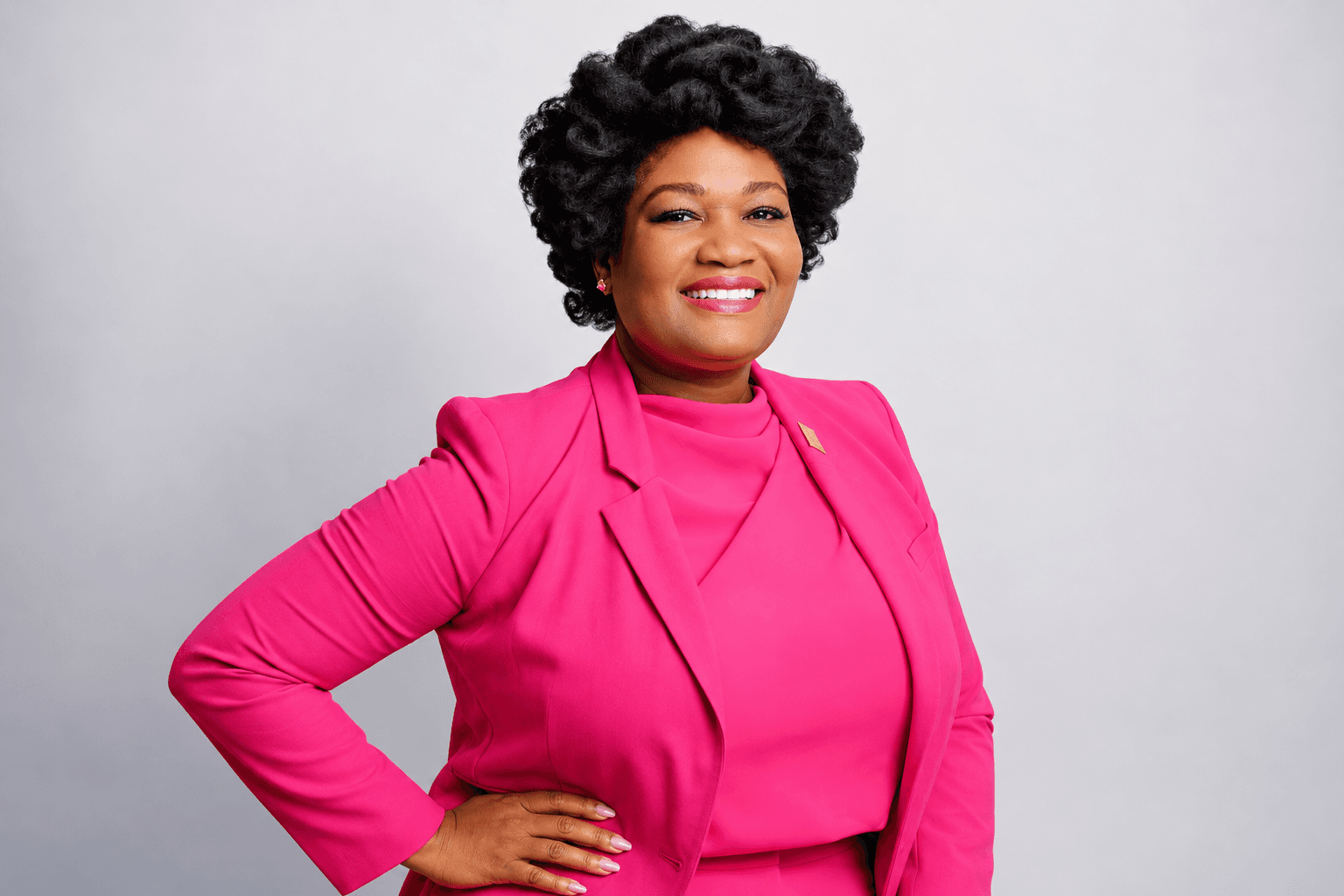
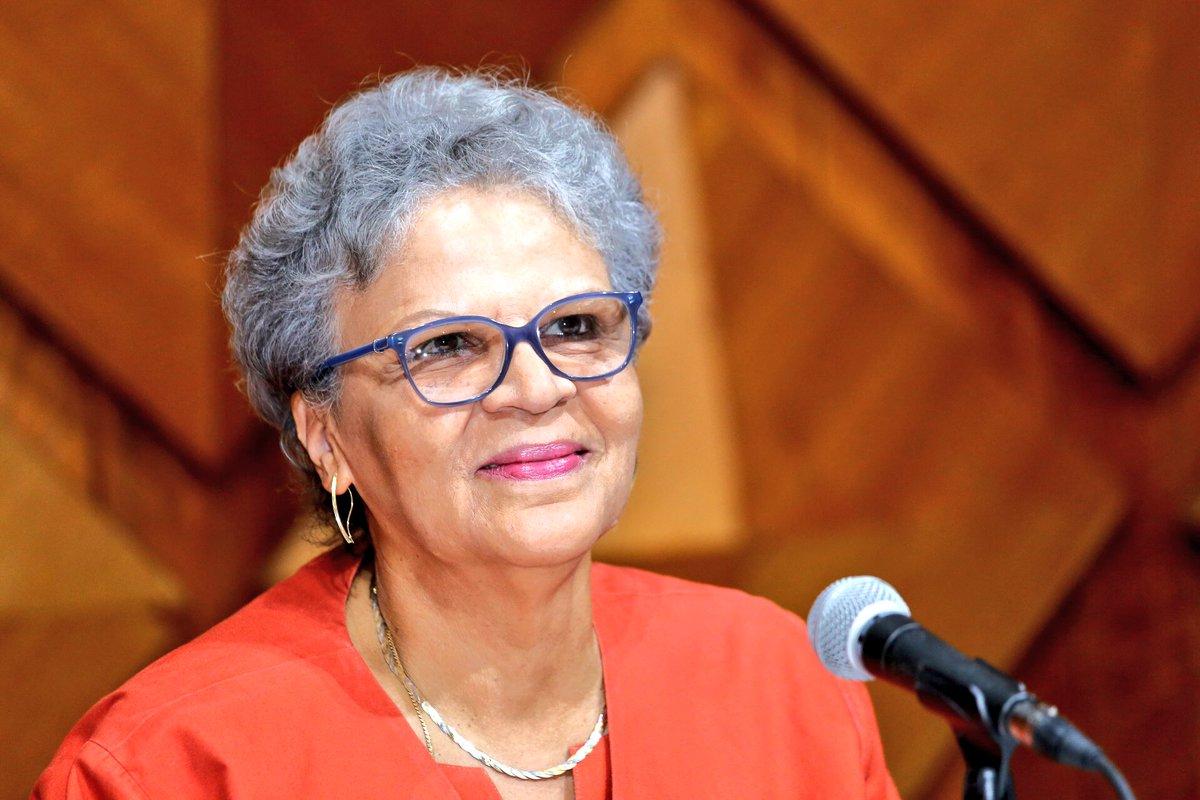
As Haiti's second woman prime minister, Michèle D. Pierre-Louis made history in 2008. Today, her work continues to focus on strengthening democracy, investing in Haitian institutions and ensuring that Haitians have a voice in shaping their country's future.
For many people in the Caribbean and its diaspora, the names of Haiti's former political leaders are familiar. But the fact that two women have served as prime minister of Haiti is perhaps less widely known.
Michèle Duvivier Pierre-Louis became the country's second woman prime minister in September 2008, succeeding Claudette Werleigh, who held the position from 1995 to 1996. Her appointment represented an important moment in Haiti's political history and placed her at the helm of government during one of the country's most challenging periods.
Haiti was confronting significant political and economic difficulties when Pierre-Louis took office. The situation had been further complicated by four hurricanes that struck the country in 2008, causing widespread destruction and leaving communities struggling to recover. Having previously served as minister of justice and public security, she assumed responsibility for leading the government until November 2009.
Her time as prime minister was only one chapter in a career that has been defined by public service and institution-building. An educator and advocate for democratic development, Pierre-Louis has spent much of her professional life working to expand access to education, strengthen civil society and support the cultural institutions that contribute to Haiti's national identity.
Today, she remains active in these areas as president of Fondation Connaissance et Liberté (FOKAL), the organization she established in 1995. She is also a professor at Université Quisqueya, chair of Le Centre d’art and chair of the Caribbean Culture Fund.
Her work is guided by a conviction that Haiti's future depends not only on political leadership but also on the strength of its institutions and the ability of citizens to participate meaningfully in public life.
Rethinking what democracy means
One of the messages Pierre-Louis continues to emphasize is that democracy cannot be measured by elections alone.
While elections provide an essential mechanism for political representation, she believes democratic societies must also invest in education, public accountability and informed citizenship.
“Democracy requires enlightened leaders and educated informed people,” she says.
Her perspective is informed by decades of work in education, including her involvement in Haiti's Mission Alpha literacy campaign. Through FOKAL, she has continued to support educational initiatives and organizations working to strengthen civic participation.
She often references a statement by French philosopher Jacques Rancière: “Democracy is not a destination, it is a way to travel!”
For Pierre-Louis, this means democracy must be continuously developed. Citizens need the knowledge and opportunities to understand their rights, question decisions and participate in determining the direction of their communities.
It is an especially important distinction in Haiti, where political transitions have frequently attracted international attention, sometimes overshadowing the longer-term work required to build effective public institutions.
A call for Haitian leadership
Pierre-Louis also wants to challenge the way international organizations and development partners approach Haiti.
She recognizes the importance of international cooperation but argues that development initiatives must be grounded in an understanding of the country's own history, institutions and social realities.
Her message to international partners is clear: “Listen to us. Trust those that can be accountable.”
She believes Haitian professionals, organizations and community leaders must have a meaningful role in determining the priorities and direction of development initiatives. Too often, she argues, solutions are designed externally without sufficient consultation with the people expected to implement them or live with their consequences.
Her work through FOKAL reflects this commitment to strengthening local organizations and supporting initiatives that emerge from within Haitian communities.
For Pierre-Louis, building a stronger Haiti requires investment in the capacity of its own people and institutions. International assistance can contribute to that process, but it cannot replace local leadership or the need for accountability.
The role of culture in shaping society
Her commitment to Haiti also extends to the arts and cultural sector. As chair of Le Centre d’art and the Caribbean Culture Fund, she has advocated for greater recognition of culture as an essential component of social and economic development.
She sees artists as important contributors to national life, preserving history, examining questions of identity and offering perspectives on the social issues affecting their communities.
Through the Caribbean Culture Fund, she has also advanced the importance of investing in cultural initiatives that engage with broader issues such as climate change, community development and social cohesion.
“Philanthropy is power,” she has said, calling for art to exist “at the intersection of every other sector.”
It is a perspective that challenges the tendency to separate cultural investment from other development priorities. For Pierre-Louis, creativity and cultural expression are among the resources through which communities understand their past, engage with their present and imagine their future.
Leadership beyond political office
Pierre-Louis's appointment as Haiti's second woman prime minister remains a notable achievement in the country's history. But her continued work demonstrates that leadership is not confined to political office.
Through education, civil society, philanthropy and cultural development, she has continued to contribute to conversations about the kind of institutions and opportunities Haiti needs.
Her message is particularly relevant to Caribbean audiences. The challenges of democratic participation, institutional accountability, international development and women's representation are not exclusive to Haiti. They are questions that resonate across the region and its diaspora.
For Pierre-Louis, however, the starting point is clear: Haitians must be central to determining Haiti's future. Building democracy requires educated citizens, institutions that serve the public and a development process that recognizes the knowledge and contributions of the people it is intended to benefit.
It is a vision that extends well beyond her historic appointment, reflecting a lifetime of work dedicated to strengthening the foundations of Haitian society.