More than 1,100 killed in Haiti in three months, UN reports
Key Points(5)
- At least 1,167 people were killed and another 459 injured in Haiti between July and September 2026, as gang violence and security operations continued to claim lives across the country, according to a new United Nations report released Wednesday.
- The latest quarterly report from the United Nations Integrated Office in Haiti (BINUH) documents widespread human rights violations and abuses, particularly in the Port-au-Prince metropolitan area and the Artibonite and South-East departments.
- According to the report, gang members were responsible for more than 45% of those killed or injured during the third quarter.
- In Port-au-Prince, gangs maintained control over several neighborhoods, carrying out targeted killings against residents accused of violating their rules, refusing to pay extortion demands or cooperating with security forces.
- Some residents were also killed for denouncing attempts by gang leaders to interfere in the electoral process.
At least 1,167 people were killed and another 459 injured in Haiti between July and September 2026, as gang violence and security operations continued to claim lives across the country, according to a new United Nations report released Wednesday.
The latest quarterly report from the United Nations Integrated Office in Haiti (BINUH) documents widespread human rights violations and abuses, particularly in the Port-au-Prince metropolitan area and the Artibonite and South-East departments.
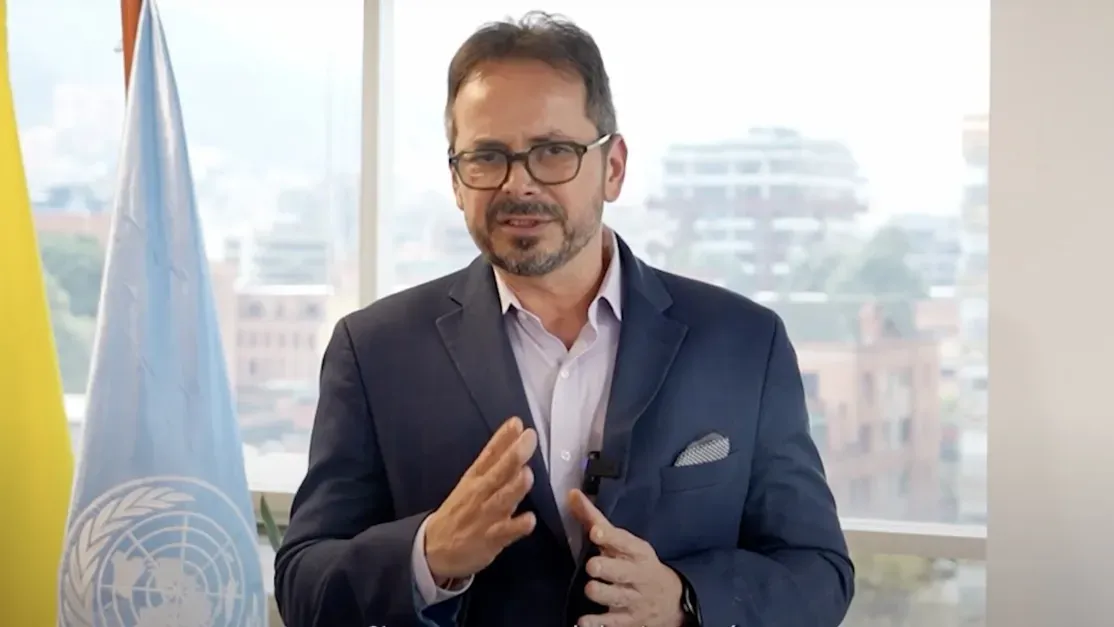
“The scale of the massacres documented during this period, particularly in Kenscoff and several other localities that had previously been spared, reminds us of the absolute need to strengthen both mechanisms for protecting the population and the presence of the State in recently liberated areas,” said Carlos Ruiz Massieu, special representative of the UN secretary-general in Haiti and head of BINUH.
According to the report, gang members were responsible for more than 45% of those killed or injured during the third quarter.
In Port-au-Prince, gangs maintained control over several neighborhoods, carrying out targeted killings against residents accused of violating their rules, refusing to pay extortion demands or cooperating with security forces.
Some residents were also killed for denouncing attempts by gang leaders to interfere in the electoral process.
The report found that gang members had gradually returned to neighborhoods such as Bel Air and La Saline after being driven out by security operations earlier in the year.
Among the deadliest incidents documented was the beheading of at least 19 people, including 12 elderly women, in Cité Soleil in early August.
In Kenscoff, two attacks in July and August left at least 105 residents dead, including 19 children. More than 36 victims were shot and killed in the courtyard of a Protestant church.
Attacks were also reported in Saint-Michel-de-l'Attalaye in Artibonite and Marigot in the South-East department, areas previously largely spared gang infiltration.
Kidnappings also increased sharply, with at least 137 people abducted for ransom during the quarter, compared with 81 between April and June. Children accounted for 10% of kidnapping victims.
Sexual violence remained widespread, with BINUH documenting 344 victims, ranging in age from eight to 75. Gang rape accounted for 77% of the documented cases.
The report also raised concerns about the continued recruitment and exploitation of children by armed gangs.
In August, at least 32 boys between the ages of 14 and 16 who had been forcibly recruited by a gang were killed during exchanges of gunfire with security forces in Gressier.
While gang members were responsible for a significant share of the violence, the report found that more than 50% of those killed or injured during the quarter were casualties of ground or aerial operations conducted by security forces against gangs, sometimes with support from a private military company using drones.
More than 16% of the victims of these operations were not associated with gangs.
At least four people, including two children, were killed and 10 others injured in attacks involving explosive drones.
Self-defense groups were responsible for an estimated 5% of killings and injuries, targeting gang members and individuals suspected of collaborating with them.
BINUH also documented 44 cases of extrajudicial executions and attempted extrajudicial executions involving members of the Haitian National Police, up from 14 during the previous quarter.
Despite the quarterly increase, the number of victims of extrajudicial executions or attempted executions during the first nine months of 2026 was nearly half the figure recorded during the same period in 2025.
The UN office emphasized that anti-gang operations must comply with international human rights law and that allegations of violations must be investigated.
The report acknowledged progress in establishing two specialized judicial units tasked with addressing mass crimes, including sexual violence, and financial crimes. However, it urged Haitian authorities to make the units fully operational and begin trials to combat impunity.
BINUH also called for stronger protection and assistance for victims of violence, particularly survivors of sexual violence, along with expanded programs to prevent child recruitment and support disarmament and reintegration.
The UN urged the international community to accelerate the deployment of the Gang Suppression Force and strengthen efforts to prevent the illegal trafficking of weapons and ammunition into Haiti.