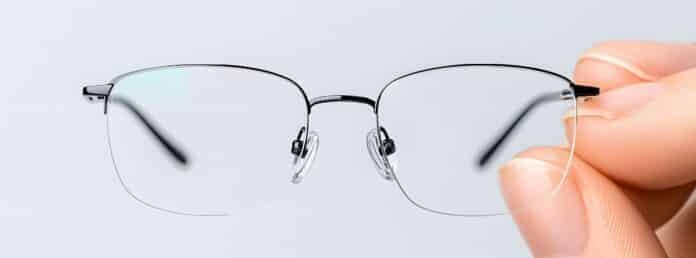
That favorite pair from years past still holds value, and many wonder if it can handle today’s lens tech. Style, fit, and comfort already work, so replacing lenses feels smart. However, modern lenses follow tighter rules than older designs, which raises fair questions.
Older frames can accept modern high-index lenses in many cases, but blue-light filters require new lenses, and frame condition and design decide success. High-index lenses often fit if the frame stays sturdy, is well-sized, and is free of stress cracks. Blue-light filtering, therefore, must come built into brand-new lenses rather than added later.
This topic matters because small details decide success or failure. Frame material, rim thickness, and lens shape all affect compatibility. In addition, blue-light features bring limits that surprise many people, which makes the rest of the article worth close attention.
Compatibility of Older Frames with Modern Lenses
Older frames can work with newer lens types, but fit and structure decide the result. Frame wear, lens thickness, and design limits all affect success, especially with high-index or blue-light filtering lenses.
Assessing Frame Condition and Suitability
A frame must stay solid before any lens work starts. Loose hinges, cracked rims, or weak nose pads raise the risk of breakage during lens fitting. Plastic frames should feel firm, not dry or brittle. Metal frames should hold shape and show no rust.
An optician or a fast lens replacement service online often checks these points before cutting lenses. They also confirm lens size, shape, and groove depth. These details affect how well modern coatings and filters sit in the frame.
Older frames that pass inspection often accept new lenses without issue. Frames with past repairs or stress marks may fail during lens removal or refit.
Limitations Due to Frame Design or Age
Frame style limits lens options. Rimless and semi-rimless frames need precise drilling or grooving. Some older designs lack the support modern lenses need, especially for thicker prescriptions. Small or narrow frames also limit lens thinning options.
Age matters as well. Frames older than two or three years may weaken from daily use, heat, and skin oils. Even frames that look fine can snap under pressure. As a result, many providers do not offer guarantees on older frames.
Blue-light filtering lenses usually fit most frames. However, older frames with curved fronts or uneven rims may cause lens stress or poor alignment.
High-Index Lenses and Frame Compatibility
High-index lenses reduce thickness, but they demand precise frame support. Frames must hold lenses evenly to avoid edge chips or poor vision quality. Thin metal frames or flexible plastics sometimes fail this test.
Stronger prescriptions increase the challenge. Even with high-index material, lens edges may still feel thick. Full-rim frames hide edges better and protect lenses from impact.
Frame size also plays a role. Larger lenses increase thickness at the edges, even with high-index materials. Therefore, older oversized frames may limit how thin lenses can go, despite modern lens tech.
Blue-Light Filtering Lenses: Features, Installation, and Considerations
Blue-light lenses can fit many older frames if the frame condition and shape allow modern lens technology. The choice often comes down to how the blue light filter works, how the lab installs it, and which coatings support comfort and clarity.
Methods of Adding Blue-Light Filtering to Existing Frames
Labs can add blue-light filtering to older frames in several ways. The most common method uses a blue light lens coating applied to the finished lens surface. This approach works well for plastic, acetate, and many metal frames that remain stable and properly aligned.
Another method uses lenses with blue light filters built into the lens material. These lenses require precise cutting, so the frame must hold shape and allow accurate mounting. Frames with warped rims, thin bridges, or worn screws may limit success.
Older frames with unusual shapes or deep grooves may restrict lens thickness choices. As a result, high-index blue light lenses may not fit without frame adjustment or lens redesign.
Blue-Light Lens Coatings Versus Embedded Filters
Blue-light glasses rely on either surface coatings or embedded filters. Each method affects performance and appearance.
A coated blue light filter reflects a portion of the blue-violet light emitted by screens. These lenses often show a faint blue or purple reflection. They preserve clear color vision and suit readers who use screens for work or study.
An embedded blue light filter absorbs some blue light within the lens material. These lenses may show a slight yellow tint. That tint can reduce glare and eye strain but may alter color accuracy.
Coatings allow easy replacement and work well in older frames. Embedded filters last the life of the lens but limit adjustment once made.
Role of Anti-Reflective and Other Lens Coatings
Anti-reflective coating, also called AR coating, plays a key role in blue-light lenses. AR coating reduces glare from screens and overhead light. It also improves clarity, especially in low-light settings.
Many blue-light blocking glasses combine AR coating with a blue light filter. This pairing cuts reflections on both lens surfaces and improves comfort during long screen use. Without AR coating, reflections may cancel some of the benefits of blue light filters.
Other coatings may include scratch- and smudge-resistance. These features matter more in older frames, which may lack modern frame stability. Together, proper coatings support clear vision and daily wear without distraction.
Conclusion
Older frames often work with modern high-index and blue-light-filter lenses; however, fit and frame strength determine the outcome. Material, rim style, and lens size guide whether upgrades stay safe and comfortable.
As a result, an eye care professional may adjust lenses or suggest small frame changes. With the right checks, many older frames still support modern lens features without loss of comfort or vision quality.