



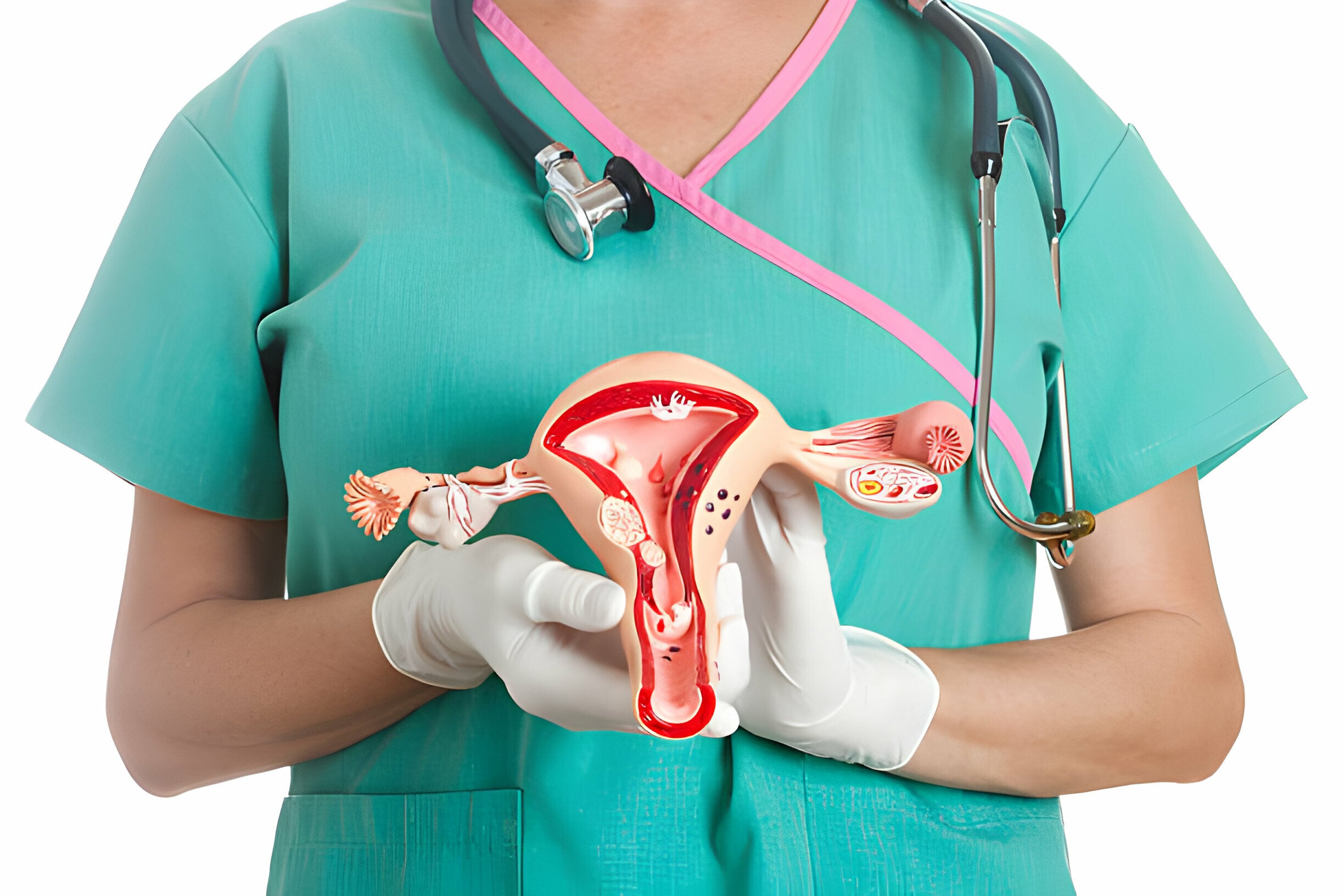
The Pan American Health Organization (PAHO) is urging countries in the Americas to accelerate cervical cancer prevention and care efforts, warning that progress is falling short of meeting 2030 elimination targets despite gains in HPV vaccination.
In a statement issued ahead of World Cancer Day on Feb. 4, PAHO said that with just five years remaining to reach global goals, the current pace of implementation risks leaving thousands of women behind, particularly in Latin America and the Caribbean.
Each year, more than 78,000 women in the Americas are diagnosed with cervical cancer, and over 40,000 die from the disease. PAHO estimates that 83% of these deaths occur in Latin America and the Caribbean, where mortality rates are three times higher than in North America, reflecting stark disparities in access to prevention, early detection, and timely treatment.

Cervical cancer is among more than 30 diseases targeted under PAHO’s Disease Elimination Initiative. To achieve elimination by 2030, countries must reach three benchmarks: vaccinating 90% of girls against human papillomavirus (HPV) before age 15; screening 70% of women using high-performance tests at ages 35 and 45; and ensuring treatment for 90% of women diagnosed with precancerous lesions or invasive cervical cancer.
“Important progress is already being seen in the Region,” PAHO Director Dr. Jarbas Barbosa said in a video message. He noted that the HPV vaccine is now available in 49 of the 51 countries and territories in the Americas, with first-dose programmatic coverage reaching 70% among women. Barbosa added that 24 countries and territories have adopted a single-dose HPV vaccine schedule, a move that significantly improves coverage.
However, PAHO said major gaps remain in screening and treatment. While 14 countries have introduced HPV testing into their screening programs, overall coverage remains low and data reporting is limited. Treatment capacity also remains uneven, with only 18 countries reporting the availability of radiotherapy services.
If current trends continue, PAHO projects that cervical cancer deaths in the Americas could exceed 46,200 by 2030, underscoring the urgency of scaling up proven, cost-effective interventions.
To support countries, PAHO is providing technical cooperation to develop national plans for comprehensive cervical cancer care. Through its Regional Revolving Funds, member states can access HPV vaccines, screening tests, colposcopes, thermal ablation devices, and electrosurgical equipment at reduced costs. PAHO said integrating these tools into primary health care systems is critical to closing access gaps.
The organization is also working with partners, including Unitaid and the Spanish Agency for International Development Cooperation, to strengthen prevention, detection, and treatment efforts across the region.





 is urging countries in the Americas to accelerate cervical cancer prevention and care efforts.)