Home Blog Page 25

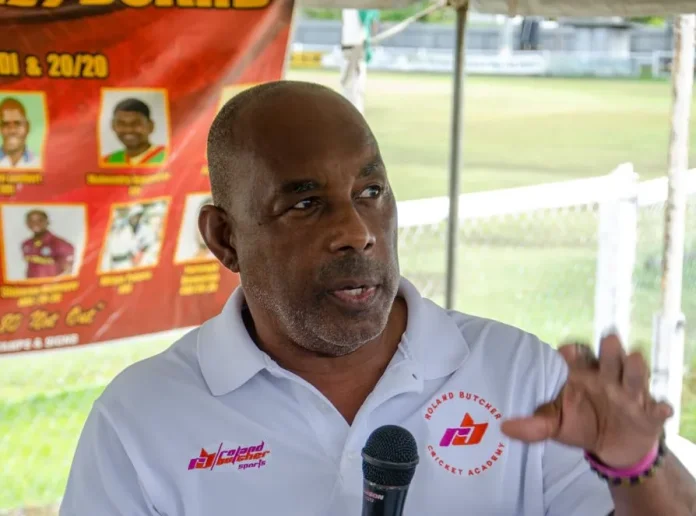
Trailblazer Roland Butcher to be honored with Lifetime Achievement Award

Roland Butcher
Roland Butcher.

In a moment that bridges history and legacy, Roland Butcher is set to receive one of sport’s most meaningful accolades, a Special Lifetime Achievement Award from Sporting Equals.

The ceremony, scheduled for April 18 in Bridgetown, will celebrate a man whose career not only produced excellence on the field but reshaped the very fabric of cricket’s inclusivity.

At 72, Butcher’s recognition stands as both tribute and testament.

Breaking cricket’s color barrier

Butcher’s place in history was sealed in 1980 when he became the first Black cricketer to represent England in Test cricket, an achievement that transcended sport and resonated across generations.

His rise was no fleeting moment. Across a distinguished county career with Middlesex County Cricket Club from 1974 to 1990, Butcher became a cornerstone of one of the club’s most dominant eras. Six County Championship titles followed, with his influence woven into each triumph.

Yet, Butcher’s contribution did not end when he stepped away from competitive cricket.

He transitioned seamlessly into roles as coach, administrator, and mentor, continuing to shape the sport from within. His autobiography, “Breaking Barriers,” offers a deeply personal account of both struggle and progress, charting the journey of a pioneer who refused to be defined by limitations.

Reflecting on the honor, Butcher said: “I’m delighted and truly honoured to be nominated for a Special Lifetime Achievement Award by Sporting Equals and to receive this recognition alongside Maggie Alphonsi. I’m really looking forward to attending the 2026 Sporting Equals Awards, and joining a prestigious group of past recipients.”

Sharing the spotlight with a rugby great

Joining Butcher among this year’s honorees is Maggie Alphonsi, one of the most influential figures in women’s rugby.

Alphonsi’s career is defined by dominance and distinction: 74 caps for England, 28 tries, and a pivotal role in an unprecedented run of seven consecutive Six Nations titles. She was also instrumental in England’s victory at the 2014 Women’s Rugby World Cup and their recognition as BBC Sports Personality Team of the Year.

With this honor, Butcher and Alphonsi join an illustrious roll call of past recipients, including Denise Lewis, Sol Campbell, Jason Robinson, and Linford Christie, figures whose careers have not only achieved greatness but driven meaningful change.

Acting CEO Nik Trivedi emphasized the broader significance of this year’s honorees:

“Roland Butcher and Maggie Alphonsi are true pioneers whose influence extends far beyond their sporting achievements. They have inspired generations, challenged established norms and helped create a more inclusive future for sport. We are proud to recognise their extraordinary contributions.”

For Butcher, the award is more than a personal milestone; it is a recognition of progress, perseverance, and the enduring power of representation.

Decades after he first stepped onto the field and changed the face of English cricket, his impact continues to ripple outward, reminding the sporting world that true greatness is measured not only in records, but in barriers broken and paths created for others to follow.


Red Force run riot in Antigua; Harpy Eagles edge toward victory

Emrit urges Red Force to stay sharp amid Championship break

Trinidad and Tobago Red Force opened their campaign in the West Indies Championship with emphatic authority, dismantling the Leeward Islands Hurricanes by an innings and 271 runs inside three days in St John’s.

It was the first victory of the season, and it arrived with overwhelming force.

At Coolidge Cricket Ground, the match turned decisively on a towering, unbeaten fifth-wicket stand between Amir Jangoo and Terrance Hinds.

Resuming on 380 for five, Red Force surged to 507 without further loss before declaring, Jangoo unbeaten on a magnificent 203 and Hinds anchoring the effort with a composed 100.

Jangoo’s innings, his second double century in first-class cricket, came off 287 balls and featured 16 fours and five sixes. Hinds complemented him perfectly, striking five fours and five sixes in a 195-ball stay that marked his second career century.

The Hurricanes, under captain Justin Greaves, simply had no answer. Six bowlers were deployed, none able to break the partnership that ultimately defined the match.

Collapse complete: Hurricanes crumble under pressure

Trailing by a daunting 369 runs after the first innings, the Hurricanes needed resilience. What followed instead was another dramatic collapse.

Their second innings lasted barely long enough to delay the inevitable, bundled out for just 98, with only two batters reaching double figures.

The early damage was inflicted by Jayden Seales, who removed Mikyle Louis cheaply. Anderson Phillip then struck twice in quick succession, leaving the Hurricanes reeling at six for three.

A brief 35-run stand between Keacy Carty and Greaves offered resistance, but once left-arm spinner Khary Pierre trapped Carty lbw for eight, the innings unraveled rapidly.

Lower-order contributions proved fleeting, Jahmar Hamilton (3), Jeremiah Louis (4), Rahkeem Cornwall (0), and Nathan Edward (4) all departed quickly as the score slumped to 68 for eight.

Greaves stood alone, unbeaten on 56 from 128 balls, sharing a brief partnership with Daniel Doram (16), but the end came swiftly.

Pierre led the demolition with 4 for 37, supported by Bryan Charles (2-15) and Phillip (2-18), as Red Force wrapped up a resounding victory.

Harpy Eagles turn the tide in Antigua

Across the island at Sir Vivian Richards Stadium, defending champions Guyana Harpy Eagles edged closer to victory in a tightly contested battle against the Windward Islands Volcanoes.

After conceding a slim first-innings deficit of 22 runs, bowled out for 264, the Harpy Eagles responded decisively with the ball.

Gudakesh Motie spearheaded the fightback with a four-wicket haul, dismantling the Volcanoes’ second innings alongside fellow spinner Veerasammy Permaul.

Support came from seamers Keemo Paul and Nial Smith, as the Volcanoes were dismissed for 209.

Chase set, advantage secured

Set a target of 231 for victory, the Harpy Eagles closed the day at 38 for one, requiring a further 194 runs on the final day.

After a match marked by shifting momentum, the defending champions now hold the advantage, and the opportunity to strike the opening blow of their title defense.

While Red Force delivered a statement of dominance, the Harpy Eagles’ measured pursuit underscores a different kind of control, calculated, patient, and within reach.

As the Championship gathers pace, one message is already clear: early momentum may prove decisive.

Warrican and Wickham power Barbados Pride into control against Scorpions

Barbados Pride dominate Scorpions in convincing 9-wicket victory

After three days of gripping, seesaw cricket in the West Indies Championship, the balance has finally begun to tilt.

At Chedwin Park, the visiting Barbados Pride have inched ahead of the Jamaica Scorpions, thanks to the commanding influence of two standout performers: Jomel Warrican and Kevin Wickham.

With one day remaining, Pride’s position is far from secure, but it is undeniably stronger.

If Barbados needed a steadying force, they found it once again in Wickham.

Fresh off a superb 153 in the first innings, the young batter returned with equal composure, finishing the third day unbeaten on 81. His knock, punctuated by six boundaries and two sixes, has been as controlled as it has been decisive.

Alongside Shamar Springer, who is unbeaten on 37, Wickham has guided Pride to 255 for five in their second innings. The pair has already stitched together an unbroken 87-run stand for the sixth wicket, extending their team’s overall lead to 261 runs.

Solid foundations, sudden stumble

Earlier, Pride’s innings was built on a firm opening platform.

Captain Kraigg Brathwaite (44) and Shayne Moseley (65) combined for a fluent 98-run partnership, setting the tone for what looked like a dominant push.

But the Jamaica Scorpions refused to yield quietly.

Abhijai Mansingh and Peat Salmon struck twice apiece, triggering a mid-innings wobble that briefly pulled the contest back into the hosts’ grasp, before Wickham and Springer wrestled back control.

The turning point of the match, however, came earlier in the day with the ball.

Resuming on 275 for six, Jamaica appeared poised to overtake Barbados’ first-innings total of 348. Peat Salmon (45) and Romaine Morris (42) looked threatening as they chipped away at the deficit.

Salmon briefly ignited hopes with a towering six off Warrican, but fell the very next ball attempting a repeat, skying a catch to wicketkeeper Leniko Boucher.

Moments later, Warrican struck again, removing Morris in the deep just eight runs short of a half-century, leaving Jamaica wobbling at 297 for eight.

Late resistance falls short

The fight was not over.

Odean Smith launched a counterattack, blasting an unbeaten 49 from just 38 balls in a spirited attempt to push Jamaica ahead. Alongside Ojay Shields, he added a valuable 42 runs for the final wicket.

But the gamble proved costly.

Shields fell for a duck, miscuing a looping delivery from Kyle Mayers to the deep, ending Jamaica’s innings at 342, just six runs shy of Pride’s total.

Warrican emerged as the chief architect of the collapse, finishing with superb figures of 5 for 71, while Mayers provided support with 2 for 17.

Final day beckons: Pressure on the hosts

With a 261-run lead and five wickets still in hand, Barbados Pride have positioned themselves to dictate terms heading into the final day.

Wickham and Springer remain firmly set, and every additional run could stretch the Scorpions further out of reach.

For Jamaica, the equation is simple but demanding: early wickets or looming defeat.

After three days of fluctuating momentum, the final chapter now hinges on whether the Scorpions can strike back, or whether Pride’s two Ws will complete the job.


Why companies are prioritising resilience in their digital infrastructure

business

Organisations are no longer focused solely on efficiency, scalability or innovation. Increasingly, they are asking a more fundamental question: how well can their systems withstand disruption and recover when something goes wrong. This shift reflects a growing recognition that digital infrastructure is not just a support function but the backbone of modern business operations.

The urgency behind this change has been shaped by a series of high-profile incidents in recent years, ranging from cyber attacks and system outages to supply chain disruptions and geopolitical instability. Each event has highlighted vulnerabilities in digital ecosystems and exposed the potential consequences of inadequate preparation. For many companies, these lessons have been costly, both financially and reputationally.

As a result, organisations are reassessing how they manage and protect their digital environments. This includes a closer focus on operational continuity, system redundancy and proactive maintenance. In some regions, particularly in fast-growing technology hubs, businesses are investing in more structured approaches, such as Microsoft patch management in Dubai, reflecting a broader effort to ensure systems remain secure, up to date and resilient against emerging threats.

A Shift from Efficiency to Continuity

For years, digital transformation strategies were largely driven by the pursuit of efficiency. Cloud computing, automation and data analytics enabled organisations to streamline operations and reduce costs. While these benefits remain important, they are now being balanced against the need for reliability and continuity.

The pandemic played a significant role in accelerating this shift. As businesses moved rapidly to remote and hybrid working models, the resilience of digital infrastructure was put to the test. Systems that were not designed to handle sudden increases in demand or distributed access struggled to cope. This exposed gaps in planning and highlighted the importance of building infrastructure that can adapt to changing conditions.

Today, resilience is seen as a core component of digital maturity. It is no longer enough for systems to perform well under normal circumstances. They must also be able to withstand stress, recover quickly and continue to deliver essential services even in adverse conditions.

The Evolving Threat Landscape

Cybersecurity remains one of the most significant drivers behind the focus on resilience. Threat actors are becoming more sophisticated, employing advanced techniques to exploit vulnerabilities and disrupt operations. Ransomware attacks, in particular, have demonstrated the potential to bring entire organisations to a standstill.

However, the threat landscape extends beyond malicious actors. Natural disasters, technical failures and human error can all have serious consequences for digital infrastructure. In many cases, these risks are interconnected. For example, a system outage caused by a technical fault can create opportunities for cyber attacks, while a cyber incident can trigger wider operational disruptions.

This complexity has led organisations to adopt a more comprehensive approach to risk management. Rather than addressing individual threats in isolation, they are focusing on building resilient systems that can handle a wide range of scenarios. This includes investing in monitoring tools, incident response capabilities and regular testing of contingency plans.

Regulatory Expectations and Governance

Regulation has also played a crucial role in shaping how companies approach digital resilience. Authorities in many jurisdictions have introduced stricter requirements around data protection, system security and operational continuity. These regulations often require organisations to demonstrate that they have robust processes in place to prevent, detect and respond to incidents.

For boards and senior leaders, this has elevated resilience from a technical concern to a governance issue. They are expected to oversee risk management strategies, ensure compliance and provide assurance to stakeholders that the organisation is prepared for potential disruptions.

This shift has led to greater collaboration between different parts of the organisation, including IT, risk management, legal and compliance teams. By aligning these functions, companies can develop more cohesive and effective strategies for managing digital risks.

Financial and Reputational Stakes

The financial implications of digital disruption are significant. Downtime can result in lost revenue, increased operational costs and penalties for failing to meet contractual obligations. In highly competitive markets, even a short disruption can lead to customer dissatisfaction and loss of business.

Reputational damage is another critical factor. In an era where information spreads quickly, news of system failures or security breaches can have an immediate and lasting impact on public perception. Customers and partners expect reliability and security, and failure to meet these expectations can undermine trust.

These risks have made resilience a key consideration in investment decisions. Companies are increasingly willing to allocate resources to strengthen their infrastructure, recognising that the cost of prevention is often lower than the cost of recovery.

Technology as a Foundation for Resilience

Advances in technology have provided organisations with new tools to enhance resilience. Cloud platforms, for example, offer built-in redundancy and scalability, allowing systems to continue operating even if individual components fail. Similarly, modern cybersecurity solutions can detect and respond to threats in real time, reducing the likelihood of successful attacks.

Automation is another important factor. By automating routine tasks such as updates, monitoring and incident response, organisations can reduce the risk of human error and ensure more consistent performance. This is particularly important in complex environments where manual processes can be time-consuming and prone to mistakes.

However, technology alone is not sufficient. It must be implemented and managed effectively to deliver the desired outcomes. This requires a clear understanding of organisational needs, as well as ongoing evaluation and improvement.

Building a Culture of Resilience

Resilience is not just about systems and processes. It is also about people. Employees play a critical role in maintaining and protecting digital infrastructure, and their actions can have a significant impact on overall security and reliability.

Organisations are therefore placing greater emphasis on training and awareness. Staff are being educated about potential risks, such as phishing attacks and unsafe practices, and are encouraged to follow established protocols. This helps to create a culture where resilience is embedded in everyday operations.

Leadership is also crucial in driving this cultural change. By prioritising resilience and demonstrating its importance, senior executives can ensure that it becomes a shared responsibility across the organisation.

The Role of Data in Driving Decisions

Data plays a central role in modern resilience strategies. By analysing system performance, incident reports and threat intelligence, organisations can identify patterns and areas for improvement. This enables more informed decision-making and helps to prioritise investments.

Metrics and reporting are also important for accountability. Boards and senior leaders require clear insights into the organisation’s resilience posture, including potential risks and the effectiveness of mitigation measures. This information supports strategic planning and ensures that resilience remains a focus at the highest levels.


Record prize pool signals new era for Women’s T20 World Cup

Women's T20 World Cup

The ICC Women’s T20 World Cup is set to break new ground in 2026, not just in competition, but in compensation.

In a decisive step forward for the women’s game, the International Cricket Council (ICC) has announced a record prize pool of US$8,764,615 for the upcoming tournament, marking a 10 percent increase from the 2024 edition.

The message is unmistakable: the global rise of women’s cricket is being matched by meaningful investment.

Expanded field, elevated stakes

For the first time in the tournament’s history, 12 teams will compete for the title, expanding the competitive landscape and amplifying the stakes.

Set to unfold across England and Wales from June 12 to July 5, the tournament promises not only broader representation but deeper competition.

And the financial rewards reflect that ambition.

The champions of the 2026 edition will claim a winner’s purse of US$2,340,000, while the runners-up will secure US$1,170,000.

Both losing semi-finalists will earn US$675,000 each, reinforcing the value of reaching the tournament’s final stages.

Even at the group level, every victory carries tangible reward, with teams receiving US$31,154 per win. Importantly, all 12 participating nations are guaranteed a minimum payout of US$247,500, ensuring financial recognition across the board.

According to Sanjog Gupta, Chief Executive Officer of the ICC, the figures reflect more than just financial growth, they symbolize a sport in full ascent.

“The growth of women’s cricket continues to accelerate, and the expansion of the ICC Women’s T20 World Cup to 12 teams, combined with a record prize pool, underlines our commitment to building a stronger, more competitive global game.

The continued rise of women’s cricket through increased investment and opportunity reflects the growing influence and impact of female athletes on the global stage.”

Beyond the boundary: A global impact

Gupta believes the 2026 tournament could transcend traditional sporting benchmarks.

“With that same momentum building across every aspect of women’s cricket, this event is shaping up to not only set a host of new attendance and viewing records in the sports and media ecosystems, but also leave a lasting impact on the wider socio-cultural landscape across the world.”

With expanded participation, record-breaking prize money, and surging global interest, the 2026 Women’s T20 World Cup is shaping up as a defining chapter in the sport’s evolution.

It is no longer just about growth, it is about arrival.

And this time, the stage, and the rewards, are bigger than ever.


Love supports our well-being, so why does dating feel so draining

For something so essential to human well-being, love is becoming increasingly difficult to find. People still believe in meaningful relationships, but the process of getting there feels more complicated than ever. 

Dating apps promise endless options, yet many users feel stuck in cycles of ghosting, mixed signals, and emotional fatigue.

It’s no surprise that some are stepping back from casual dating altogether. In some cases, they’re turning to more intentional options like luxury matchmaking services to find partners who align with their long-term goals.

This shift reflects something deeper. Love is no longer just seen as a romantic ideal. It’s increasingly understood as a key part of overall health. As people recognize its value, they’re also becoming more aware of how difficult it is to find the right kind of connection.

Why Love Matters for Your Health

The importance of healthy relationships goes far beyond companionship. According to OnlyMyHealth, supportive relationships can reduce stress, improve emotional stability, and even strengthen the immune system. When people feel secure and supported, their bodies function better, from improved sleep to better stress management.

The opposite is also true. Unstable or emotionally draining relationships can increase stress levels, weaken immune response, and contribute to long-term health issues. Over time, the body absorbs the strain of uncertainty, conflict, and inconsistency, which can quietly affect overall well-being.

This connection between love and health is reshaping how people approach dating. It’s no longer just about finding someone. It’s about choosing a relationship that supports both emotional balance and physical health, rather than adding unnecessary stress.

The Search for Love Feels More Draining Than Rewarding

Despite all the tools available today, dating often feels more exhausting than exciting. A growing number of people describe the experience as repetitive and emotionally draining rather than fulfilling.

Part of this comes down to how modern dating platforms work. While they offer access to more people, they also encourage fast decisions and low-effort interactions. Conversations start easily, but they often lack depth or direction.

This isn’t just anecdotal. Forbes reports that 78% of Gen Z experience dating app burnout, highlighting how widespread this fatigue has become. Instead of simplifying the process, dating platforms have, in many cases, made it more overwhelming.

As a result, people are putting in more effort but seeing fewer meaningful outcomes. That imbalance is one of the main reasons the search for love feels harder today.

Frustration Builds When Expectations Don’t Match Reality

As dating becomes more complex, frustration often comes from a mismatch between what people want and what they experience.

The Jamaica Observer highlights this clearly, noting a concerning trend among women who feel empowered in their personal lives but exhausted by dating. They report that many women feel frustrated because, for them, Jamaican men’s obsession with being unattached can be draining.

This reflects a broader issue. People are entering dating with different expectations; some looking for commitment, others avoiding it. When those intentions aren’t clear from the start, it leads to confusion and emotional strain.

At the same time, insights from MadameNoire show that this idea is a common perception. However, it isn’t necessarily a universal truth. Generalizations can shape how people approach dating, sometimes making it harder to build trust from the beginning.

The result is a cycle where expectations, perceptions, and experiences don’t always align, making meaningful connections more difficult to establish.

When Dating Becomes Stressful, People Start Rethinking It

As frustration and burnout grow, people are beginning to change how they approach relationships. The shift isn’t about giving up on love. It’s about avoiding the emotional cost of doing it the wrong way.

Many are becoming more intentional, focusing on:

  • Clarity from the beginning
  • Shared values
  • Consistent communication

This mindset is also changing how people meet potential partners. Instead of relying only on dating apps or chance encounters, some are turning to more niche and structured options, including luxury matchmaking services.

Rather than depending on algorithms or endless swiping, professional matchmakers take a more thoughtful and personalized approach, Cinqe Matchmaking notes. By prioritizing compatibility early on, they reduce much of the uncertainty that defines modern dating and create space for connections that feel more aligned and meaningful.

The Real Shift Is Toward Healthier Relationships

At its core, the conversation around dating is shifting from convenience to well-being. People are no longer willing to tolerate relationships that feel confusing, inconsistent, or emotionally draining. The focus is moving away from simply finding someone to building something that actually supports everyday life.

They’re asking different questions now:

  • Does this relationship support my life?
  • Does it bring stability or stress?
  • Is it aligned with what I actually want?

These questions reflect a deeper shift in mindset. Love is no longer seen as just an emotional experience or social milestone. Instead, it’s being understood as something that directly affects mental clarity, emotional balance, and even physical health.

In that sense, choosing the right relationship is no longer optional. It’s part of maintaining overall well-being and creating a life that feels stable, healthy, and genuinely fulfilling.

FAQs

Can humans survive without love?

Humans can survive without romantic love, but not without connection. Emotional bonds, whether through family or friendship, are essential for mental stability and resilience. Without meaningful connections, people often experience loneliness, stress, and a decline in overall well-being over time.

How do relationships affect you physically?

Relationships directly affect the body through stress and emotional regulation. Healthy relationships can lower cortisol levels, improve heart health, and strengthen the immune system. Toxic or unstable relationships can increase inflammation, disrupt sleep, and raise the risk of long-term physical health issues.

What does dating burnout feel like?

Dating burnout feels like emotional exhaustion mixed with frustration and detachment. People often feel tired of repeating conversations, facing inconsistency, and investing effort without meaningful results. It can lead to disengagement, reduced motivation to date, and a growing preference for being alone instead.

All things considered, love hasn’t become less important. If anything, people value it more now because they understand what’s truly at stake. What’s changed is the process of finding it.

The search feels more complex than before. Expectations are higher, and the tolerance for confusion is much lower. People are no longer willing to invest in connections that feel uncertain or emotionally draining.

They aren’t stepping away from love itself. Instead, they’re stepping away from everything that makes it harder to find the right kind. The focus is shifting toward clarity, stability, and relationships that genuinely support a better, healthier life.


 

Why at-home entertainment is making a strong comeback

Nights that once revolved around crowded venues and expensive outings are increasingly being replaced with something more relaxed and intentional. The idea of staying in no longer feels like settling; it feels like choosing comfort, control, and genuine connection.

You can clearly see it in the way evenings are planned now. For instance, friends gather at a home early and start enjoying their favorite show or playing poker. The Caribbean has multiple gambling hubs, such as the Bahamas, Puerto Rico, Dominican Republic, and more. So, getting personalized poker cards with inside jokes or images for at-home entertainment has grown in popularity.

In many homes, small touches are making these gatherings feel special. These details don’t dominate the experience, but they quietly shape the atmosphere. You’re not just passing time; you’re creating moments that feel tailored and memorable.

A Shift in Priorities

You are living in a time where convenience and intention intersect more than ever. Going out still has its place, but it often involves planning, travel, and rising costs that can detract from the actual experience. Staying at home, on the other hand, gives you full control over how your time unfolds.

This change points to a wider shift in what people value most. You’re placing more value on comfort, meaningful interaction, and the ability to shape your environment. The pressure to constantly be out and about has softened, giving way to a growing appreciation for slower, more grounded entertainment.

Rising inflation and the cost of a single night out with friends are other factors influencing this shift. In fact, bars across the U.S. are increasingly serving “tiny” or mini cocktails. This is because Americans are cutting back on alcohol consumption and spending due to rising drink prices and changing habits.

With cocktails in major cities reaching around $25, smaller portions offer a more affordable option while still allowing variety and quality. The trend is also tied to broader lifestyle shifts, including health awareness, weight-loss goals, and a growing preference for moderation.

The Appeal of Personal Space

Your home offers familiarity, which no external venue can fully replicate. You know the lighting, the seating, the music, and the pace. That sense of control makes it easier to relax and engage with the people around you.

How you perceive and regulate personal space, specifically interpersonal distance (IPD) and peripersonal space (PPS), plays a key role in social behavior. A ScienceDirect study explains that IPD refers to the physical distance people maintain for comfort in social interactions. On the other hand, PPS refers to the immediate space around the body that is used for action and perception.

Disruptions in how these spaces are represented or adjusted are linked to various psychiatric conditions. Going out to a party or having a night out can affect how you regulate your personal space. At-home entertainment ensures you can enjoy your time while being comfortable.

There’s also a level of creativity that comes into play. For instance, suppose you decide to play poker with family or invite some friends. According to 52Cards.com, you can design your own set of cards with different text, images, colors, designs, etc. With this, you can reflect the bond and personal space you have built with your friends and family over the years.

Technology Without Overwhelm

Technology still plays a role, but it’s no longer the center of attention. Streaming platforms, smart speakers, and interactive games support the experience rather than define it. You’re using these tools to enhance the moment, not replace it.

At the same time, there’s a growing awareness of screen fatigue. After spending much of the day connected, you may find yourself wanting a different kind of engagement in the evening. Activities that encourage conversation, laughter, and presence are becoming more appealing because they offer a break from constant digital input.

You are also becoming more selective about how and when you use technology during your downtime. Instead of passively scrolling or multitasking across multiple screens, you’re choosing experiences that feel more intentional.

Winning social security disability benefits in Greensboro

lawyer

It may seem like a maze trying to navigate through the Social Security Disability system and to top it off you already have a severe ailment. Numerous applicants find themselves overwhelmed with complicated guidelines, due dates, and turning down of claims. Having a Greensboro Social Security Disability attorney can be a great help as he can take you through the entire process and increase your chances of success.

Learning about Social Security Disability Benefit.

The Social Security Disability benefits are meant to help individuals who are no longer able to work because of a disabling condition by offering them some financial help. The programs, including SSDI (Social Security Disability Insurance) and SSI (Supplemental Security Income), serve as a safety net among long-term or permanent disabled people.

But to become a recipient of the benefits is not as easy as showing that you are injured or sick. The Social Security Administration (SSA) has a very strict definition of disability and establishes claims according to medical evidence, work history, and also on the severity of your condition.

Due to these stringent requirements, several first time applicants are refused- even when they really require help.

The reasons behind rejection of applications.

The initial claim denials are one of the worst parts of the process because of their high rate. This usually occurs as a result of:

  • Paperwork that is not completed or incorrect.
  • Inadequate medical evidence.
  • Failure to meet SSA’s definition of disability
  • Late deadlines or reports.

Actually, there are numerous appeals, which must be passed before any claims can be approved, and the process is more stressful and time-consuming.

In this case, legal advice is critical.

The job of a disability lawyer.

An experienced Social Security Disability attorney does much more than just complete paperwork. They have a wide range of services that fortify your case at the outset.

Here are some ways they are beneficial:

Case Evaluation: Decides whether or not you are eligible.

Evidence Gathering: Collects medical histories, physician reports and opinions of experts.

Application Assistance: Makes sure that all forms are correct and complete.

Representation on Appeals: Handles the rejected claims and prepares for hearings.

Contact with SSA: Coordinates the contacts and pursues your case.

Lawyers know what the SSA expects and are able to make your case in such a manner that meets those expectations.

Reasons behind the significance of good medical evidence.

Medical documentation is one of the most significant aspects when it comes to any disability claim. The SSA provides a list of qualifying impairment, such as cardiovascular system, neurological, cancer and mental health conditions.

Although your condition is not mentioned, you might be eligible as long as it severely restricts your working capacity. A lawyer can make sure that your medical records are effective to prove the seriousness of your condition and its effects on your everyday life.

Going through the Appeals Process.

You are not the only one who wants to have your claim denied, and you still have a choice. The normal process of an appeal is often a series of steps, such as reconsideration, hearings with an administrative law judge.

This procedure may be complex and time-consuming. For example:

  • There might be very few days in which you can appeal.
  • Further proof might be necessary.
  • You might be required to give evidence in a hearing.

A skilled lawyer will help you through the entire process, train you on how to hearings and represent you in order to stand a better chance of winning.

Reasons to hire a local Greensboro Lawyer.

Hiring a local lawyer has a number of benefits. A local lawyer, based in Greensboro, will be familiar with local processes and will have experience of dealing with local SSA offices and judges. This knowledge will assist in making your case easier and prevent any unnecessary delays.

Also, there are numerous disability law firms that operate on a contingency basis, that is, they do not get paid unless and unless you win your case. This renders legal representation to be more affordable to people who are already struggling with finances.

What is to be anticipated of the Process.

The process to file Social Security Disability is seldom fast. It may involve months, or even years, depending on the need to have appeals. Critical in this is patience and persistence.

You will be able to expect:

  • Detailed instructions of what to follow at every phase.
  • Help prevent typical errors.
  • Stronger evidence to support your claim
  • Increased or better benefits or approval.

Finally, legal representation would help to minimize the stress or enable you to concentrate on your health.

Giving the First Step to Approval.

You do not need to go through the process on your own in case you are not able to work because of a disability. A good legal counsel may be the difference between the success of your case and your general experience.

Having a well-informed attorney will guarantee that your claim is well-written, your rights are not violated, and your case is made as well as possible. When you are prepared to take the next step and find out what you have to do to get the benefits you are entitled to, take the time to go through this site and understand how legal practitioners may be of help to you.


Why should you have a Workers Compensation Attorney in Washington?

Injuries at work may be witnessed in any environment, be it in construction, healthcare or retail store or even in a company office. Workers compensation systems are formed with the aim of benefiting the injured workers, but this is not necessarily an easy task and fair game. Numerous employees are dealing with benefit denials, delayed benefits or a legal tangle. That is why it is necessary to employ the help of a Workers’ Compensation Lawyer in Washington who can be the next step on the way to securing your right and to receiving the needed compensation.

Types of Claims that are Generally covered by Workers Compensation.

Workers should not be covered with basic medical insurance. It is an organized program that is supposed to take care of financially and physically of employees in case of a workplace accident. Benefits may include:

Wage Replacement: Replacement partial income, until you can work again.

Temporary Disability Benefits: Fill out the application, if you are unable to work temporarily because of an injury.

Permanent Disability Benefits: To be used on long-term or life altering injuries.

Vocational Rehabilitation: Training in case you will have to pass on to a new job.

Death Benefits: Dependent benefits in cases of death.

To gain a complete insight of these benefits, it would be very crucial to appreciate that numerous workers who suffer injuries do not actually know the extent of benefits that they might receive.

Obscure ramifications of Claims Process.

On the surface, it can be easily understood that it might be simple to file a workers compensation claim. Nevertheless, numerous instances would be hard to follow because of details and courtroom processes. Common issues include:

  • Remiss or poorly done paperwork.
  • Missed filing deadlines
  • Controversies about whether the injury is occupational or not.
  • Challenges facing the claim by employers.
  • Minimizing severity of injuries by insurance companies.

The slightest error can hold up your claim, or decrease your benefits. It is here that a lawyer’s advice is indispensable.

The significance of excellent Medical Evidence.

Medical documentation is one of the most important things of an effective claim. To medical records, insurance companies put a lot of value in deciding the extent of compensation that you will get. When assisted by a lawyer, the person will ensure:

  • You have appropriate diagnosis and documentation of your injuries.
  • You are directed to suitable medical experts.
  • The kind of treatment you have is an indication of the severity of the condition.
  • Medical examination is done properly even independently.

Lack of good medical evidence may lead to your statement being downplayed and even refuted.

The Art of case-building by a Lawyer.

A Workers Compensation Attorney in Seattle has a strategic approach towards your case. In addition to paper work they actively develop a robust claim by:

  • Carrying out thorough investigations of the workplace incident.
  • Compiling witness testimonies and reports about accidents.
  • Inspection of safety records of employers.
  • Referral to the medical and vocational professionals.
  • Adding the amount of both present and future losses.

This holistic strategy will make sure that no single part of your claim is disregarded.

Learning Tactics of Employers and Insurance.

Employers and insurance companies tend to put their interests first and foremost in consideration- cost reduction. Injured workers can be exposed to:

  • Load to resume work too soon.
  • Watching over actions or activities.
  • Demand of written statements which can be used against them.
  • Checks that are given at low settlement values which are not based on long term requirements.

Legal representation is a way to safeguard against such tactics. Your attorney will serve as a buffer and will make sure that no rights will be jeopardized.

When a Lawyer is the Most Helpful.

Though even minor trauma might not be a case that needs a lawyer, some cases acutely need professional help:

  • Severe injuries or long-term injuries.
  • Claims which have been disputed or rejected.
  • The reprisal or injustice of the employer.
  • Instances of complicated cases that involve various parties.
  • Problem in comprehension of the legal procedures.

Hiring an experienced lawyer could be a valuable factor in the result of your claim in such situations.

Making the first step towards recovery.

Workplace injury recovery is not only a physical healing process although it will help you to get your life and finances up again. The workers compensation system was designed to assist and so in the absence of adequate guidance the workers compensation system may be more of a burden instead of something to be frustrated with.

With a Workers’ Compensation Lawyer in Washington, you have an individual who knows the legal system; who will defend your interest, as well as serve your best interest to the fullest. And should you be willing to look into your prospects and get to know more about how to proceed in your life despite yet having got injured in the workplace, you should find the time to browse this website and see what kind of resources are at hand to help you through your recovery process.


Hiring a car from Darwin Airport: What travelers should know before they land

Arriving at Darwin International Airport is your gateway to Australia’s Top End. The Northern Territory offers wild national parks and vibrant city life, perfect for exploration. Renting a car at the airport gives you the freedom to create your own itinerary and discover ancient Aboriginal rock art and breathtaking landscapes at your own pace. Get ready for an unforgettable road trip through this remarkable region.

Benefits of Hiring a Car from Darwin Airport

While public transport is available, hiring a car from Darwin Airport offers unmatched freedom and flexibility. With your own vehicle, you’re not limited by bus schedules or costly taxis—you can easily reach the city center and explore top destinations like Litchfield and Kakadu National Parks at your own pace. A rental car lets you discover hidden gems off the beaten path, making your Northern Territory journey truly personal.

Renting at Darwin Airport is simple and gives you peace of mind from arrival. Choose from a range of vehicles to suit your needs, sign the agreement, and start your adventure—just bring your driver’s license. This hassle-free option puts you in control of your itinerary, so you can focus on enjoying the region’s stunning landscapes and attractions.

Booking Your Car Hire: Advance Versus On-Arrival Options

Planning is the best strategy for car rentals. Booking your Darwin Airport car hire in advance usually gets you a better price and ensures your preferred vehicle, especially during peak season. Online reservations also speed up the process at the counter, letting you start your trip sooner.

While you can book on arrival, you’ll face limited choices and higher prices. Most rental systems accept credit or debit cards, making pre-booking quick and easy. Confirming your booking beforehand means less hassle and more time to enjoy your holiday.

Document Checklist: What You Need to Hire a Car from Darwin Airport

To ensure a quick and smooth pick-up, have all required documents ready. At the rental counter, staff will ask to see key items to finalize your agreement. Being prepared helps you avoid delays.

Before leaving home, make sure you have:

  • A valid driver’s license held for at least 12 months.

  • An official translation or an International Driving Permit if your license isn’t in English.

  • A valid credit card in the main driver’s name (some locations may accept a debit card—check ahead).

  • Your passport as secondary ID, if required.

Car Hire Fleets at Darwin Airport: Vehicle Types and Options

Darwin Airport car hire companies such as Bargain Car Rentals offer a wide range of vehicles to suit every traveler, from solo adventurers to large groups. Choose from economical compact cars for city trips, spacious SUVs and people movers for families, and commercial vehicles like utes and 4WDs for rugged terrain. Medium and large SUVs are especially popular for their comfort and versatility.

Vehicle Category Description
Compact Cars Ideal for city driving, couples, and budget travelers.
SUVs Spacious and versatile—great for families and exploring.
People Movers 8- or 12-seaters for larger groups and families.
Commercial Vehicles Utes and 4WDs for off-road adventures.

Understanding Rental Costs and Fees at Darwin Airport

When budgeting for your trip, understand all rental car costs. While daily rates can be affordable—especially in the wet season—watch for extra fees. Always read your rental agreement to avoid surprises; common charges include young driver surcharges and fees for additional drivers.

To save money, book longer rentals, as weekly rates are often lower per day. Confirm what’s included in your quote, such as mileage and basic insurance. Ask about any extra fees—like payment method surcharges or optional add-ons—before booking to ensure you know the total cost.

Insurance and Protection Options When Hiring a Car

Choosing the right insurance is an important part of renting a car, giving you peace of mind while you travel. Your rental agreement will specify the standard damage liability—the maximum amount you’d pay if there’s an accident. Make sure to understand what this coverage includes and excludes.

For extra protection, you can purchase additional insurance to reduce or even eliminate your liability. While this adds to your daily rental cost, it can save you significant expenses if something goes wrong. If you have questions about coverage options, the rental staff can explain them in detail.

Age and Driving Requirements for Car Hire in Darwin

Before booking your rental car, check the age and license requirements. Most companies require drivers to be at least 21, and those aged 21–24 often pay a daily young driver surcharge due to higher insurance risk.

All drivers must present a full, valid license held for at least one year—learner’s permits aren’t accepted. Make sure everyone meets these requirements to ensure a smooth pick-up and start your Northern Territory trip without delays.

Unique Road Rules and Driving Tips in the Northern Territory

Driving in the Northern Territory is unique, with specific road rules and conditions. The remote landscapes and long distances require careful planning and a focus on safety. Following local driving tips helps ensure your rental car journey is safe, enjoyable, and meets all requirements.

Understanding these local details is essential for a smooth trip. Next, we’ll cover key considerations for driving in this region.

Speed Limits, Wildlife, and Weather Considerations

When driving in the Northern Territory, watch for changing speed limits—up to 130 km/h on highways, but lower near towns and roadworks. Stay alert for wildlife like kangaroos and livestock, especially at dawn and dusk; slow down in signed areas. Weather affects road conditions: heavy rains and flooding during the wet season (November–April) may close roads. In the dry season (May–October), conditions are more stable, but always check road reports before traveling.

  • Follow posted speed limits.

  • Watch for wildlife, especially at dawn/dusk.

  • Check road conditions during the wet season.

  • Drive during daylight for best visibility.

Driving Distances and Planning Safe Journeys

Distances between towns and attractions in the Northern Territory are often vast, so careful planning is essential. Before visiting places like Kakadu or Litchfield National Parks, map your route and set realistic driving times—don’t try to do too much in one day.

Fuel stations are scarce in remote areas. Always fill up when you can, even if your tank isn’t low. Running out of fuel in the Outback is dangerous, so err on the side of caution.

Ensure your rental includes roadside assistance and keep the contact number with you. Always carry extra water and snacks in case of delays.

  • Plan your route and allow for long drives.

  • Refill fuel at every opportunity.

  • Bring extra water and snacks.

  • Confirm roadside assistance is included with your rental.

Picking Up and Returning Your Rental Car at Darwin Airport

Collecting and returning your hire car at Darwin Airport is straightforward. Many rental companies, including Bargain Car Rentals, operate off-airport and offer a free shuttle to and from the terminal for a seamless transfer.

Understanding your rental company’s pick-up and return procedures will save time and reduce stress. Here are the typical steps at the Darwin Airport branch.

Pick-Up Procedures: Where and How

After collecting your luggage at Darwin Airport, call Bargain Car Rentals using the provided number to request the shuttle. You’ll receive instructions on where to wait—usually in the Coach Park or Charter Bus Transfer area. Follow airport signs to the designated spot.

A team member will pick you up and take you to the rental depot. There, present your reservation and required documents to complete your paperwork and receive your keys.

Quick steps:

  • Call for a shuttle service after getting your baggage.

  • Go to the charter bus pick-up area.

  • Shuttle transports you to the rental location.

  • Show documents at the counter to get your keys.

Returns: Step-by-Step Guide and After-Hours Options

When your trip ends, simply return the car to the same off-site depot. Allow enough time for the return process and shuttle ride back to the airport terminal.

Most rentals require a full tank of fuel on return. Fill up at a nearby gas station before arriving to avoid extra charges. Staff will complete a quick inspection when you drop off the car.

For after-hours returns, follow the provided instructions—usually leaving keys in a secure drop-box. Keep the company’s phone number handy if you need assistance.

  • Return the vehicle to the designated depot.

  • Ensure the tank is full.

  • Take the shuttle to your terminal.

  • Confirm after-hours return procedures if needed.

Conclusion

In summary, renting a car from Darwin Airport gives you the freedom to explore at your own pace. Understanding rental costs, insurance options, and local road rules ensures a smooth trip. Check your documents, learn local driving conditions, and plan your routes for a seamless journey. Ready to start? Contact us for a free consultation!

Frequently Asked Questions

What documents do I need to bring when hiring a car from Darwin Airport?

You will need a valid driver’s licence held for at least one year. If your licence isn’t in English, an International Driving Permit or official translation is required. You must also present a valid credit card in the driver’s name. A passport may also be requested as a secondary ID.

Are there any hidden fees when renting a car at Darwin Airport?

To avoid unexpected costs, it’s important to read your rental agreement thoroughly. Potential additional charges can include a young driver daily surcharge, fees for extra services, or refueling costs if the car isn’t returned with a full tank. Always clarify all costs before signing the agreement.

Is it better to book a Darwin Airport car hire in advance?

Yes, a booking is highly recommended. Making your car rental booking ahead of time usually secures a better rate, a wider choice of vehicles, and a faster experience at the rental counter. You can reserve your car online using a credit card or, in some cases, a debit card.


A guide to preventing the spread of waterborne diseases at home

Waterborne diseases

Waterborne diseases are more common than many people realize, especially in homes where water hygiene is not carefully maintained. Ingesting or coming into contact with polluted water can expose people to dangerous pathogens, including viruses and microbes, which often trigger severe medical conditions.

The good news is that preventing these diseases is not complicated if you stay consistent with a few smart habits. With the right approach, you can protect your household and create a safer living environment. 

Be it through ensuring safe drinking water for everyone or regular sewage backup cleanup, preventing the spread of waterborne diseases shouldn’t be that difficult. As long as you take the right steps before it’s too late, the diseases can’t touch anyone at your home. 

This guide walks you through a few effective tips you can start using right away to prevent the spread of waterborne diseases at home.

Always Ensure Access to Safe Drinking Water

Safe drinking water should always be your top priority when it comes to protecting your health at home. If your water source is questionable, boiling it before use is one of the simplest and most reliable solutions. 

Note that one in four people lacks access to safe drinking water. A UNICEF report states that this includes 106 million individuals who consume untreated surface water. Additionally, over three billion people still don’t have access to safely managed sanitation services.

Caribbean residents face a severe water crisis as well, with average nonrevenue water losses reaching 46%. Infrastructure challenges cause water losses up to 75%, far exceeding standard utility efficiency levels. Furthermore, frequent drought conditions are aggravating the shortages for local communities.

Maintaining a consistent supply of purified water in the household is a critical health priority. Utilizing home filtration systems is an effective strategy for eliminating impurities and enhancing the water’s overall safety profile. To prevent the introduction of pathogens, dust, or pests, always keep drinking water in sanitized, sealed vessels. 

Keep Your Kitchen Clean and Hygienic

The kitchen is one of the most sensitive areas in your home when it comes to hygiene and food safety. Washing fruits and vegetables thoroughly before cooking helps remove dirt, chemicals, and harmful microbes. 

You should avoid using the same cutting boards or utensils for raw and cooked foods without washing them properly in between. Kitchen surfaces, including countertops and sinks, should be cleaned regularly using safe cleaning products. 

Dishwashing should always be done with clean water, and drying racks should not be left damp for long periods. A clean kitchen environment plays a huge role in preventing contamination and keeping your meals safe.

Act Quickly When Sewage Problems Occur

As Advanced 24/7 Restoration notes, a sewage backup is a distressing and hazardous home disaster. The resulting mess, odor, and health risks can feel overwhelming. However, safe restoration is possible with a proper plan and protective measures.

Handling sewage issues promptly is crucial to preventing serious health risks in your home. If you notice any signs of overflow or contamination, it is important to take immediate action. 

Professional sewage backup cleanup services can efficiently manage the situation and reduce exposure to harmful substances. They specialize in sewage backup removal and thorough sewage water damage cleanup to restore safe conditions. 

Effective sewage overflow cleanup often includes sewage water removal and proper drain backup cleanup procedures. Addressing these problems without delay can protect your family from dangerous waterborne diseases.

Dispose of Waste Properly and Consistently

According to the BBC, Caribbean tourism drives economies but creates excessive waste that overwhelms local infrastructure, causing serious pollution problems. Record visitor numbers are overloading island landfills, with Antigua recently receiving thousands of tonnes of ship rubbish. Urgent waste management improvements are needed to protect fragile island environments from being overwhelmed by tourism waste.

Such improper waste disposal can easily contaminate your surroundings and even affect your water supply. Always place garbage in sealed bags and dispose of it in designated collection areas. Letting waste pile up can attract pests such as flies and rodents that spread harmful bacteria. 

It is also important to clean your garbage bins regularly to prevent odor and bacterial buildup. Make sure wastewater drains properly and does not collect near your home, as stagnant water can become a breeding ground for disease. Maintaining proper waste management habits helps keep your environment clean and reduces the chances of infection.

Practice Good Personal Hygiene Daily

Maintaining proper self-care is a straightforward yet powerful strategy for halting the transmission of diseases. It is vital to wash hands with soap and fresh water before handling or consuming any food. Cultivating these routines in children early on is crucial, ensuring they maintain these healthy practices throughout their lives.

Regular bathing and wearing clean clothes also help reduce exposure to harmful microorganisms. Avoid sharing personal items like towels, as they can transfer bacteria between individuals. When good hygiene becomes part of your daily routine, it creates a strong barrier against many preventable diseases.

FAQs

Where do waterborne diseases originate from?

Pathogens such as bacteria, viruses, and parasites found in tainted water sources are the root cause of waterborne illnesses. These conditions frequently arise from inadequate sanitation infrastructure, compromised sewage systems, and unsafe drinking water supplies. Diseases such as cholera and typhoid fever are commonly transmitted through these polluted water channels.

How do low-income countries deal with waterborne diseases?

Low-income countries address waterborne diseases by improving sanitation, promoting hygiene, and expanding access to clean water. Efforts include water treatment programs, public health education, and vaccination campaigns. International aid and community initiatives also play key roles in reducing disease outbreaks.

Can drinking directly from the tap cause waterborne illnesses?

Yes, drinking directly from the tap can cause illness if the water is not properly treated. Contaminated tap water may carry harmful microorganisms. Safety depends on local water quality, so filtration, boiling, or verified safe supply systems are important in areas with uncertain standards.

Safeguarding a household from waterborne illnesses does not necessitate drastic overhauls. Rather, it hinges on consistent habits and vigilance. 

Implementing these simple measures helps establish a healthier, secure environment for everyone in the home. Beginning these practices now allows them to become an effortless part of a daily routine.

Steps to take when a crash occurs in a truck’s no-zone

Rhino Fuel

If you are involved in a crash in a truck’s no-zone, the first steps are to ensure safety, call emergency services, document the scene, and avoid admitting fault. Acting quickly and carefully is essential to protect yourself physically, legally, and financially. Knowing what to do immediately after the crash can make a big difference in preventing further injury and preserving evidence for potential insurance or legal claims.

It is important for all drivers to get to know about truck no-zone areas, which are the blind spots around large trucks where crashes are more likely. These areas include directly in front, directly behind, and along both sides of a truck. 

Being aware of these zones helps drivers avoid accidents, but even with precautions, crashes can still happen. Understanding the proper steps after an accident in a no-zone ensures your safety and protects your rights.

Ensure Immediate Safety

The first priority after any accident is safety. This includes:

  • Move to a safe location if possible without leaving the scene of the crash.
  • Check for injuries to yourself, passengers, and others involved.
  • Call 911 to report the crash and request medical assistance if needed.

Even minor crashes can result in hidden injuries. Medical attention should be sought immediately, as symptoms may not appear right away.

Call Emergency Services and Law Enforcement

Always contact the police after a crash in a truck’s no-zone. Police reports are often required for insurance claims and may be crucial in legal proceedings.

  • Provide clear and factual details about the crash
  • Avoid speculating or admitting fault
  • Ask for a copy of the police report or the report number

Under most state laws, including Texas Transportation Code §550.023 and similar statutes nationwide, reporting serious accidents to law enforcement is required, especially if there are injuries or significant property damage.

Document the Scene

Documentation is vital for insurance claims and potential legal actions. Take the following steps:

  • Take photos and videos of vehicle damage, skid marks, and the surrounding area.
  • Record details such as truck company name, truck number, license plate, driver information, and witnesses
  • Note environmental conditions like weather, lighting, and road conditions

Accurate documentation helps establish what happened and can support your case if liability is disputed.

Exchange Information

Even if the crash seems minor, exchange information with the truck driver:

  • Name and contact information
  • Trucking company details
  • Insurance information
  • Driver’s license and vehicle registration

Do not argue or admit fault at the scene. A calm and factual exchange is best.

Seek Medical Attention

After leaving the crash scene, see a healthcare professional even if injuries seem minor. Some injuries, such as whiplash or internal trauma, may not show symptoms immediately. Medical records will also serve as evidence if you pursue a personal injury claim.

Notify Your Insurance Company

Contact your insurance provider as soon as possible:

  • Provide accurate information about the crash
  • Submit documentation and photos.
  • Avoid giving recorded statements to the trucking company’s insurer before consulting your own

Insurance companies often investigate truck crashes thoroughly. Prompt reporting helps protect your claim.

Consider Legal Advice

Truck crashes can be complex due to federal regulations, trucking company liability, and commercial insurance policies. Consulting a personal injury attorney experienced in truck accidents is often a smart step.

An attorney can:

  • Review evidence and police reports.
  • Handle communication with insurance companies
  • Protect your legal rights and pursue compensation for injuries and damages

Key Takeaways

  • Immediately ensure safety and call emergency services.
  • Do not admit fault at the scene.
  • Document the accident thoroughly with photos, notes, and witness information.
  • Seek medical attention promptly, even for minor injuries.
  • Notify your insurance company, but consult an attorney before speaking to the truck’s insurer.
  • Truck no-zones are high-risk areas; awareness can prevent accidents, but proper steps after a crash are critical.


South Florida commuters eligible for free Uber rides home under new program

uber ridesharing

A commuter support program is offering free Uber or Lyft rides home for eligible workers and students in South Florida who regularly use alternative transportation methods such as carpooling, vanpooling, public transit, walking, or cycling.

The Guaranteed Ride Home (GRH) program is designed to provide a safety net for commuters who do not drive alone, ensuring they can still get home in the event of an unexpected situation.

Under the initiative, qualifying participants receive up to six free rides per year. The service can be used during emergencies or unplanned circumstances such as illness affecting the commuter or an immediate family member, unscheduled overtime or extended work hours, a carpool or vanpool driver being unable to complete a scheduled trip due to illness or work changes, or when regular transit service is unavailable or inaccessible.

To qualify, commuters must use one of the approved alternative transportation methods at least three days per week. Eligible participants include transit riders, carpoolers, three-member carpools, and vanpool users.

The program is available to residents in several counties, including Miami-Dade County, Broward County, Palm Beach County, Monroe County, Martin County, St. Lucie County, and Indian River County.

When a qualifying situation arises, commuters can request a ride by calling 1-800-234-RIDE (7433), where customer service representatives arrange the trip on their behalf.

Program organisers say the initiative is intended to encourage greater use of shared and sustainable commuting options by removing concerns about how participants would get home during unexpected disruptions

Canadian woman sued for CAD$6M fraud, including US$750K sent to Jamaican dancehall artist

A former financial director of a First Nations non-profit is facing allegations in a civil lawsuit that millions of dollars in federal funding were misused, including payments tied to a Jamaican dancehall artist and activity on TikTok.

Court documents filed in Manitoba allege that Melanie Desjarlais, formerly the financial director of the First Nations National Guardians Network (NGN), diverted more than CAD$6 million between August 2025 and March 2026 while she had sole day-to-day control of the organization’s finances.

Investigators, including accounting firm KPMG, reviewed hundreds of pages of records cited in the court filings. The allegations have not been tested in court, and no statement of defence has been filed.

A key element of the claim involves payments allegedly routed through TikTok. According to the documents, nearly $5 million was spent on the platform during the period in question, including the purchase of TikTok coins—digital currency used to send virtual gifts during livestreams that can later be converted into cash-like “diamonds.”

The filings allege those transactions were used as a “vehicle for money laundering,” redirecting funds linked to the network toward a Jamaican dancehall artist. PayPal records cited in the case show more than US$750,000 was sent to Jamaican musician Conrad Williams, known online as “Short Ghad,” who also maintained a TikTok presence.

The documents further state that Desjarlais and Williams may have had a romantic relationship. Some of the transfers included personal messages such as “Happy early birthday!” and “Love you and I’m sorry for everything,” according to the court record.

Williams has not been accused of wrongdoing in the filings, and none of the allegations have been proven in court.

The lawsuit also claims the non-profit’s funds were used for luxury travel and personal expenses, including trips to Jamaica and other discretionary spending. It further alleges that by early 2026, dozens of Indigenous guardian programs were left waiting for funding after payments were halted.

Desjarlais, through her lawyer, has declined to comment on the allegations. The First Nations National Guardians Network has said it is pursuing recovery of funds and cooperating with federal authorities, while the Government of Canada has since moved to take over distribution of the Indigenous Guardians program funding and expand audits following the allegations.

A judge has also approved an injunction freezing Desjarlais’s assets as the civil case continues.

Florida adds 5 new specialty license plates under new law

South Florida authorities to crackdown on illegal customization of License plates

A new law signed by Gov. Ron DeSantis will introduce five additional specialty license plates across Florida, expanding the state’s lineup of themed plates tied to charities, educational institutions, and public service organizations.

The legislation, SB 246, authorizes the Florida Department of Highway Safety and Motor Vehicles to develop plates supporting a range of causes, with proceeds from annual use fees directed to designated nonprofit and institutional partners.

New specialty plates approved

The new plates include designs for the Ultimate Fighting Championship, Miami Northwestern Senior High School alumni, the “Outsider” foundation, St. Petersburg College, and first responders’ mental health support.

The UFC plate will support the UFC Foundation, funding initiatives such as children’s hospitals, first responder and military support, and youth mentorship programs. The legislation requires the words “UFC Lives Here” to appear on the plate.

The Miami Northwestern Alumni Association plate will direct funds to the Miami Northwestern Alumni Association, supporting academic and athletic programs as well as need-based scholarships for students at Miami Northwestern Senior High School and its Performing and Visual Arts Center.

The “Outsider” plate will benefit the Hoober Brothers Foundation, which focuses on improving public spaces across the state. The word “OUTSIDER” will be displayed on the plate.

A St. Petersburg College plate will support the St. Petersburg College Foundation, funding scholarships and student success initiatives, while a First Responders Resiliency plate will benefit the First Responders Resiliency Foundation Corp. to expand mental health services for emergency personnel. That plate must display the words “First Responders Resiliency.”

Rollout timeline and requirements

Officials said drivers will be able to begin purchasing the new plates starting October 1, although actual production may take longer depending on demand and pre-sale performance.

Organizations sponsoring each plate must begin offering pre-sale vouchers once the law takes effect. They will then have two years to sell 3,000 vouchers in order for the plate to be manufactured. If that threshold is not met, the plate will be deauthorized and not produced, with refunds available for customers who purchased vouchers.

Each sponsoring organization must also submit a proposed design to the Division of Motorist Services within 60 days of October 1.

Design standards

State guidelines require all specialty plates to measure 12 inches by 6 inches, with clear contrast for visibility by law enforcement. The word “FLORIDA” must appear at the top in Arial font, while sponsor text must appear at the bottom in Arial Bold.

Plates may feature either a centered or left-aligned graphic design, with strict size limits for imagery and character placement depending on the format.

While final designs have not yet been released, officials say they must meet state specifications ensuring readability and uniformity across all specialty plate offerings.

Reggae artist Zaila-Jazz releases new single ‘STONY’ celebrating Stony Hill roots

Zaila-Jazz

Emerging reggae artist Zaila-Jazz has released her latest single, “STONY,” along with an official music video on Tuesday, April 6, 2026.

Blending reggae roots with a modern, conscious edge, the track is produced by German of Emudio Records and accompanied by a video directed by Gareth Daley. The release delivers a playful yet satirical love story inspired by her upbringing in Stony Hill, paying tribute to the community that helped shape her identity and artistry.

With smooth lyricism layered over reggae rhythms, “STONY” explores themes of love, community, and cultural expression in Jamaica.

Raised in a musical household, Zaila-Jazz says her early exposure to music and culture heavily influenced her sound, which blends traditional reggae with contemporary storytelling.

Since her debut single “Abeng” and her featured collaboration “Lifted” alongside reggae veteran Sizzla, she has steadily gained recognition within the reggae scene. Her track “Dangerous” has also been gaining traction on UK charts, while her breakout viral moment came with “S.M.D – Sex, Money, Drugs,” which surpassed one million views across digital platforms and expanded her international audience.

She recently performed at a Louise Bennett benefit concert in Florida and is preparing for upcoming projects, including a collaboration with dancehall artist Rytikal on a single titled “One More Time.” She is also scheduled to perform in the British Virgin Islands in May 2026 for her first appearance there.

Speaking on the release, Zaila-Jazz described “STONY” as a reflection of her personal journey.

“The journey so far has been both humbling and empowering,” she said. “Growing up in Stony Hill shaped who I am, not just as an artist but as a person. ‘STONY’ is my way of celebrating where I come from while telling a story people everywhere can connect to. I hope listeners feel the energy, essence, and the pride that comes with representing your roots.”

With her growing catalogue and distinctive blend of reggae tradition and modern storytelling, Zaila-Jazz continues to position herself as one of the emerging voices in contemporary reggae music.

Faith on two paths: How Christianity diverges in America and the Caribbean

Photo Courtesy of Christopher Nowlan

Some Americans refer to the Sunday after Easter as “Low Sunday” because, unlike Easter Sunday, most U.S. Christian churches have relatively low attendance. This annual trend raises the question of whether American Christians are less committed or simply people who show up mainly on special religious holidays.

The idea of “Low Sunday” is not new; American pastors have discussed it for decades. But it does not necessarily mean American Christians are “fake.” It reflects how religion is practiced rather than whether belief exists at all.

The question of whether American Christians are “real” Christians depends on what is meant by “real.”

In America, many people identify as Christian because of family, tradition, or identity, even if they do not attend church regularly. This is often called “cultural Christianity.” Major religious days like Easter and Christmas still draw large crowds, including people who may believe but are not weekly churchgoers.

Some people also practice Christianity more privately—through prayer and personal belief—rather than regular church attendance.

So, it is less about “fake versus real” and more about different levels of engagement.

Beyond the decline in attendance from Easter to other Sundays, several trends stand out. Foremost is the long-term decline in weekly church attendance in the United States. “Low Sunday” reflects that shift toward less regular participation.

There is also a rise in Americans claiming no religious affiliation, particularly within traditional churches such as Catholic, Episcopal, Methodist, and Baptist denominations. This does not always mean atheism, but often reflects being spiritual but not religious. Online sermons, podcasts, and personal spirituality are replacing traditional church for some, while megachurches and smaller congregations grow in different ways.

Religion in America is also shaped by a generational divide, with Millennials and Gen Z less likely to attend church regularly, even though many still express belief in God or spirituality.

Christianity in the United States is unlikely to disappear, but it will likely continue to change. Fewer people may attend church regularly, while many remain spiritual in more personal or small-group settings. Christianity may no longer be the default religious identity for most Americans.

The trend toward more diverse religious expression is likely to continue, including growth in non-denominational churches, home fellowships, and independent ministries.

The empty pews after Easter do not necessarily mean hypocrisy, but a broader cultural shift. America is moving from “everyone is Christian by default” to “those who are Christians are more intentional about it.”

Christianity in the Caribbean looks similar on the surface, but is different in practice.

In the Caribbean, churchgoing is generally more consistent and expected. Sunday services remain a central part of community life, and even people who are not deeply devout often attend regularly out of habit, family, or respect.

In America, church attendance is more optional and individualized, and faith is more personal than communal. In the Caribbean, Christianity is more of a shared social rhythm.

Religion is also more closely tied to cultural identity in the Caribbean, influencing music, language, politics, and daily life.

Caribbean church services are often more expressive and energetic, with strong influence from African traditions in music, singing, altar calls, and emotional preaching.

There is also more social expectation around church attendance in the Caribbean. Not attending church can stand out, especially in smaller communities, where pastors and churches often have real influence. In the United States, there is less pressure, and opting out of religion is increasingly seen as a personal choice.

Christianity will likely remain stronger longer in the Caribbean than in the United States, though it is slowly changing. Younger generations are questioning traditional religion, and global culture is gradually reshaping religious life.

Still, Christianity remains deeply woven into Caribbean identity. In the United States, it is becoming more of a personal, chosen belief system, which explains the contrast between high holiday attendance and lower regular Sunday turnout.

Ultimately, it is not really “real vs fake Christians,” but community-centered faith versus individual-centered faith. Religion in the Caribbean remains fundamentally more communal than in the United States.

Florida to add citizenship status to driver’s licenses under new election security law

Miami-Dade driver’s licenses

Driver’s licenses and identification cards issued in Florida will begin displaying the legal immigration status of holders starting January 1, 2027, under new legislation signed into law by Florida Governor Ron DeSantis as part of a sweeping election security package.

The measure, House Bill 991, forms part of the broader Florida SAVE Act, which state officials say is designed to strengthen voter verification and election security systems.

Under the law, all new, renewed and replacement driver’s licenses and state identification cards issued on or after January 1, 2027, will indicate whether the holder is a U.S. citizen or has another legal immigration status. Existing licenses will remain valid until their expiration dates, and residents will not be required to immediately replace current documents.

The change will be phased in as Floridians renew or replace their licenses beginning in 2027.

Miami-Dade tax office calls move “significant step”

Dariel Fernandez, Miami-Dade County Tax Collector, whose office administers driver’s license and identification services in the county, described the law as a major modernization of identification systems.

“My office is at the center of many of these processes because we handle driver licenses and identification services for our residents,” Fernandez said in a statement.

He added that including legal status on identification documents represents “a significant step toward greater transparency and accountability in government records.”

Fernandez said his office is “proactively evaluating how these changes will be implemented locally” and pledged a “smooth transition for residents.”

State leaders defend election overhaul

Florida Secretary of State Cord Byrd said the law continues the state’s post-2020 election reforms.

“Since 2020, Florida has enacted more significant election integrity reforms than any other state in the country,” Byrd said. “The Florida SAVE Act upholds the Florida Constitution by ensuring only citizens can vote in Florida elections.”

Florida Senator Erin Grall said the legislation improves accountability while streamlining voter systems.

“While Florida already conducts some of the most secure elections in the country, we will continue to raise the bar and set the national standard,” said Florida Representative Jenna Persons-Mulicka. “This legislation ensures that only eligible voters participate in our elections and that voters can have full confidence in the results.”

What the law changes

The Florida SAVE Act includes several major provisions affecting voter registration, election administration and candidate requirements:

  • Requires verification of U.S. citizenship using REAL ID data for new and updated voter registrations
  • Establishes a process to identify and remove potentially ineligible noncitizens from voter rolls
  • Expands coordination between state and local agencies to maintain accurate voter databases
  • Requires voting to be conducted using paper ballots for a verifiable audit trail
  • Increases documentation and disclosure requirements for candidates, including dual citizenship declarations and stock trading disclosures
  • Establishes a five-year statute of limitations for felony election offenses
  • Prohibits foreign contributions to candidates, political committees and parties

State officials say the legislation builds on reforms enacted since 2020, including stricter vote-by-mail ID requirements, limits on ballot harvesting, bans on unsolicited ballot applications and the creation of the Office of Election Crimes and Security in 2022.

The new identification format will begin rolling out January 1, 2027, as residents renew or replace their driver’s licenses and ID cards.


Jamaican wanted for murder arrested in Florida after dragging trooper with car

A Jamaican national wanted for murder in his home country has been arrested in Florida following a joint operation involving U.S. Immigration and Customs Enforcement and the Florida Highway Patrol.

Authorities said Ragar Mandela Allen, 32, was taken into custody on March 31 after attempting to evade arrest and dragging a highway patrol officer with his vehicle, sending the officer to the hospital with non-life-threatening injuries.

According to the Department of Homeland Security, Allen is a member of the Craig Town Gang and was wanted in Jamaica for murder.

Officials said ICE received information on March 27 from its attaché in Jamaica indicating that Allen had unlawfully returned to the United States and was being sought by Jamaican authorities.

Law enforcement conducted a targeted vehicle stop on March 31, but Allen allegedly attempted to flee. During the incident, authorities said he dragged an FHP trooper with his car into a fence. The injured officer was taken to a local hospital and treated before being released.

Authorities also reported that Allen was in possession of narcotics and a stolen handgun at the time of his arrest.

The Department of Homeland Security said it is working with the U.S. Attorney’s Office and the Florida Attorney General’s Office to prosecute Allen on multiple felony charges, including aggravated battery on a law enforcement officer, felony fleeing and eluding, possession of a stolen firearm, alien in possession of a firearm, and illegal re-entry after deportation.

ICE has also placed a detainer on Allen with authorities in Duval County, meaning he will be transferred to immigration custody after criminal proceedings are completed.

Acting Assistant Secretary Lauren Bis said the arrest removed a dangerous individual from the community and credited collaboration between federal and state law enforcement agencies.

Allen was previously apprehended on December 12, 2021, near San Ysidro, California after attempting to enter the United States illegally. He was placed into immigration proceedings, issued a final order of removal on February 28, 2022, and deported on April 28, 2022.

Authorities said he later illegally re-entered the United States at an unknown time and location, which constitutes a felony offense.

USCIS completes FY 2027 H-1B visa registration selection process

us-visa Ireland imposes visa requirement on Trinidad

The U.S. Citizenship and Immigration Services (USCIS) has announced that it has received enough electronic registrations to meet the fiscal year 2027 numerical allocation for the H-1B visa, including the advanced degree exemption, commonly known as the master’s cap.

In a statement released March 31, USCIS said it selected enough unique beneficiaries with properly submitted registrations to fill the annual cap. Prospective petitioners with selected beneficiaries have been notified and are now eligible to file H-1B cap-subject petitions. Registrants can check their status through their online accounts.

USCIS said petitions for FY 2027 may be filed beginning April 1, 2026, provided they are submitted for a selected beneficiary and based on a valid registration. Only petitioners whose beneficiaries were chosen in the selection process will be permitted to file cap-subject petitions.

The agency noted that petitions must be filed at the appropriate location or online and within the filing period listed on the selection notice, which will be at least 90 days. Petitioners are also required to include a copy of the selection notice with their submission.

USCIS further indicated that a new edition of Form I-129, Petition for a Nonimmigrant Worker, dated February 27, 2026, must be used for all FY 2027 H-1B cap-subject filings. Beginning April 1, only this version of the form will be accepted.

The agency emphasized that petitions must contain the same identifying and job-related information submitted during registration. Petitioners must also provide evidence of the beneficiary’s valid passport or travel document used at the time of registration, along with documentation supporting the wage level selected.

USCIS additionally reminded applicants that a presidential proclamation restricting entry of certain nonimmigrant workers requires some H-1B petitions filed on or after September 21, 2025, to include an additional US$100,000 payment as a condition of eligibility.

The agency stressed that selection in the registration process only allows petitioners to file an H-1B petition and does not guarantee approval, noting that applicants must still submit supporting evidence and demonstrate eligibility under program requirements.

UHWI in Kingston owes over J$40 billion in unpaid taxes and fees

Jamaican children get free access to healthcare amid increase in viral illness
University Hospital of the West Indies (UHWI). Photo credit: Jamaica Gleaner.

The University Hospital of the West Indies (UHWI) in Kingston, Jamaica, owes more than J$40 billion in unpaid taxes and fees to the Tax Administration Jamaica (TAJ) and other government agencies, Parliament’s Public Accounts Committee (PAC) heard on Tuesday.

Acting Chief Executive Officer Eric Hosin told the committee that, excluding interest and penalties, the debt stands at more than J$18 billion. He noted that the outstanding amount has accumulated over several years but does not include employee contributions, and has not affected the hospital’s ability to access loans.

The disclosure came as UHWI officials appeared before the committee amid ongoing investigations into the alleged misuse of the hospital’s tax exemption status to facilitate the importation of goods on behalf of private companies. A recent report from the Auditor General’s Department flagged the institution for the breach, which reportedly resulted in losses exceeding J$20 million.

The Auditor General’s report also revealed that the hospital failed to provide documentation for work contracts valued at approximately J$521 million.

Responding to questions from PAC Chairman Julian Robinson, Hosin said the hospital is now current on payments to the National Insurance Scheme (NIS) and the National Housing Trust (NHT).

“We are now current with our payments for NIS and NHT. So every month we pay that amount,” Hosin told the committee.

However, he acknowledged that the hospital does not currently have sufficient funds to meet its other tax obligations and confirmed that there is no payment plan in place with TAJ.

Hosin also revealed that UHWI is currently operating under a temporary Tax Compliance Certificate (TCC), which is set to expire next month. He was subsequently asked to provide additional documentation, including details on the total amount owed, the portion relating to employee contributions, and the time period over which the debt accumulated.

Meanwhile, the opposition People’s National Party criticized the situation in a social media post, highlighting the scale of the debt and raising concerns about accountability.

“$40 billion owed. Let that sink in. The University Hospital of the West Indies is under pressure as unpaid taxes, penalties, and years of financial strain come to light. So much so they were not tax compliant until they were issued a temporary TCC which expires next month. The big questions are… what’s the plan moving forward and will anyone be held accountable?” the party said.

The PAC has requested further information from UHWI as scrutiny continues into the hospital’s financial management and compliance with tax obligations.

Two Haitian officials dismissed after deadly stampede at historic Citadelle

Haiti Citadelle Laferrière

Two state officials in Haiti were dismissed on Tuesday following a deadly stampede at the historic La Citadelle that left 25 people dead over the weekend.

The Ministry of Culture and Communication announced in a statement that it fired a director from the Institute for the Preservation of National Heritage, citing “serious negligence.” Another director within the ministry was also dismissed for what officials described as “biased passivity.”

The stampede occurred Saturday at the mountaintop fortress in northern Haiti during an event organized by a local DJ and promoted on social media. The gathering was also advertised through loudspeakers mounted on a vehicle that drove through surrounding neighborhoods, drawing large crowds to the site.

“The Ministry of Culture and Communication, without going into the details of the criminal investigation, believes that the tragedy at La Citadelle is the result of administrative negligence,” the ministry said, adding that the state “will fully assume its responsibilities.”

Dozens of people were injured in the incident. Officials reported late Monday that 30 individuals who had been hospitalized were later released.

Authorities have arrested nine suspects in connection with the tragedy, including five police officers. Two of those detained were identified as employees of the Institute for the Preservation of National Heritage, which oversees La Citadelle.

Eno Zephirin, a prosecutor in Cap-Haitien, told Radiotélévision Caraïbes that authorities are continuing investigations into what triggered the stampede. He declined to identify two of the suspects arrested.

Officials said the investigation remains ongoing as authorities work to determine responsibility for the deadly incident.

Two Americans plead not guilty to 2023 murder of Canadian couple in Dominica

Daniel Langlois and Dominique Marchand

Two United States nationals charged in connection with the 2023 killing of Canadian animation pioneer Daniel Langlois and his partner Dominique Marchand pleaded not guilty when they appeared in court on Tuesday in Dominica.

Jonathan Lehrer, 57, and 62-year-old Robert Snider Jr. entered their pleas before High Court Judge Sejilla McDowall.

During the hearing, defense counsel Tiyania Behanzin unsuccessfully attempted to prevent the indictment from being read to the accused. The defense argued that documents alleging “abuse of process” had already been filed on behalf of the men and that it would be improper to proceed with reading the charges.

However, the prosecution, led by Director of Public Prosecutions Sherma Dalrymple, objected, telling the court that the indictment had been properly filed and that there was no reason to delay reading the charges so the accused could enter their pleas.

Judge McDowall agreed with the prosecution and ruled that the indictment should be read and that the defendants be required to plead guilty or not guilty. The court, however, granted the defense time to properly file and serve its “abuse of process” application, which the prosecution will then be required to respond to.

Prosecutors allege that between November 29 and December 2, 2023, the two Americans murdered Langlois and Marchand. The couple’s bodies were later found in a burned vehicle near Gallion, Dominica, close to where they owned a resort. The pair had been reported missing for several days before the discovery.

The killings reportedly followed a long-standing dispute over access to a public road. Lehrer owned the 53-acre Bois Cotlette Inc. Estate adjacent to the couple’s eco-luxury resort, Coulibri Ridge.

The matter has been adjourned to May 1, 2026.

37 candidates nominated for Antigua and Barbuda snap general election

Antigua PM

The Antigua and Barbuda Electoral Commission says 37 candidates have been nominated to contest the snap general election scheduled for April 30 in Antigua and Barbuda.

Prime Minister Gaston Browne called the election nearly two years ahead of the constitutional deadline. His ruling Antigua and Barbuda Labour Party, which won nine of the 17 seats in the January 18, 2023, general election, has nominated candidates in all 17 constituencies.

ABEC said the main opposition United Progressive Party will contest the 16 seats on Antigua, while its affiliate, the Barbuda People’s Movement, will contest the Barbuda constituency.

There are also three independent candidates in the race, including Alan Greg Weston, a property manager who will contest the St. Paul constituency currently held by Foreign Affairs Minister E.P. Chet Greene. The United Progressive Party candidate for that seat is Franz DeFreitas.

The other independent candidates are Debbie Pero Weston and Nigel Bascus.

Meanwhile, ABEC is urging citizens to take better care of their voter identification cards amid a growing number of replacement requests.

ABEC Public Relations Officer Elisa Graham said many individuals are seeking replacements for cards that were issued only recently. She emphasized the importance of keeping voter identification cards secure and recommended that electors store them alongside other important documents, such as passports, or in easily accessible personal items like wallets or purses.

The commission noted that it has been meeting demand for replacement cards, adding that the waiver of the replacement fee for lost cards has contributed to the increase in requests, as individuals take the opportunity to renew their documents ahead of the April 30 polls.

St. Lucia PM warns of ‘horrendous’ impact if oil prices reach US$200

St. Lucia Prime Minister

Prime Minister Phillip J. Pierre has warned that a sharp surge in global oil prices driven by the ongoing conflict involving the United States, Israel and Iran could have devastating consequences for Saint Lucia.

Speaking to reporters while preparing his budget policy statement scheduled for April 21, Pierre said he is deeply concerned about volatility in the global economy, particularly fluctuations in fuel prices.

“I have great concern about it. There are some experts who predict that oil on the world market may go up to US$200 a barrel. If that happens, the lag effect on us will not come as soon as the price goes up, but when it does, it is going to be horrendous, to say the least,” Pierre said.

The Prime Minister noted that Saint Lucia, like many small island developing states, has limited control over global oil prices but would feel the impact significantly if forecasts materialize.

“Whether we have any control of that, we don’t. The sad thing is we do not. But if what some experts are predicting comes true — that oil on the world market goes up to US$200 a barrel — it will have a serious effect on us,” he added.

Pierre said his administration is working to cushion the potential impact of rising energy costs, although the upcoming budget was not specifically designed around oil reaching those levels.

“The budget is not being presented with that eventuality, but we are going to put some measures in place to cushion the effect, as far as possible,” he said.

He also sought to reassure citizens that the government would continue efforts to protect households and businesses from rising costs.

“I can assure the people of Saint Lucia that the Government of Saint Lucia, as we have always cared for the people, will continue to do what we can to cushion the effect. Hopefully, good sense will prevail and the price of oil on the world market will not reach these heights,” Pierre added.

Last month, Pierre presented an EC$2.189 billion budget to Parliament, expressing confidence that prudent policies and strong fiscal management would help the country navigate global uncertainties.

Presenting the Estimates of Revenue and Expenditure ahead of his policy statement, the Prime Minister said he remained optimistic about economic growth despite geopolitical tensions.

“This year’s budget estimates are based on projections for continued economic growth, supported by improved performance in the tourism sector, increased public and private sector construction activity, and expansion in domestic economic activity through growth in the orange and youth economy,” Pierre told legislators.

He added that the 2026–2027 budget proposals will focus on strengthening national resilience to climate change and economic shocks, improving productivity, and enhancing the efficiency of government services.

Pierre also emphasized that the private sector would play a key role in improving Saint Lucia’s ease of doing business as the country seeks to maintain growth amid global uncertainty.