Some Americans refer to the Sunday after Easter as “Low Sunday” because, unlike Easter Sunday, most U.S. Christian churches have relatively low attendance. This annual trend raises the question of whether American Christians are less committed or simply people who show up mainly on special religious holidays.
The idea of “Low Sunday” is not new; American pastors have discussed it for decades. But it does not necessarily mean American Christians are “fake.” It reflects how religion is practiced rather than whether belief exists at all.
The question of whether American Christians are “real” Christians depends on what is meant by “real.”

In America, many people identify as Christian because of family, tradition, or identity, even if they do not attend church regularly. This is often called “cultural Christianity.” Major religious days like Easter and Christmas still draw large crowds, including people who may believe but are not weekly churchgoers.
Some people also practice Christianity more privately—through prayer and personal belief—rather than regular church attendance.
So, it is less about “fake versus real” and more about different levels of engagement.
Beyond the decline in attendance from Easter to other Sundays, several trends stand out. Foremost is the long-term decline in weekly church attendance in the United States. “Low Sunday” reflects that shift toward less regular participation.
There is also a rise in Americans claiming no religious affiliation, particularly within traditional churches such as Catholic, Episcopal, Methodist, and Baptist denominations. This does not always mean atheism, but often reflects being spiritual but not religious. Online sermons, podcasts, and personal spirituality are replacing traditional church for some, while megachurches and smaller congregations grow in different ways.
Religion in America is also shaped by a generational divide, with Millennials and Gen Z less likely to attend church regularly, even though many still express belief in God or spirituality.
Christianity in the United States is unlikely to disappear, but it will likely continue to change. Fewer people may attend church regularly, while many remain spiritual in more personal or small-group settings. Christianity may no longer be the default religious identity for most Americans.
The trend toward more diverse religious expression is likely to continue, including growth in non-denominational churches, home fellowships, and independent ministries.
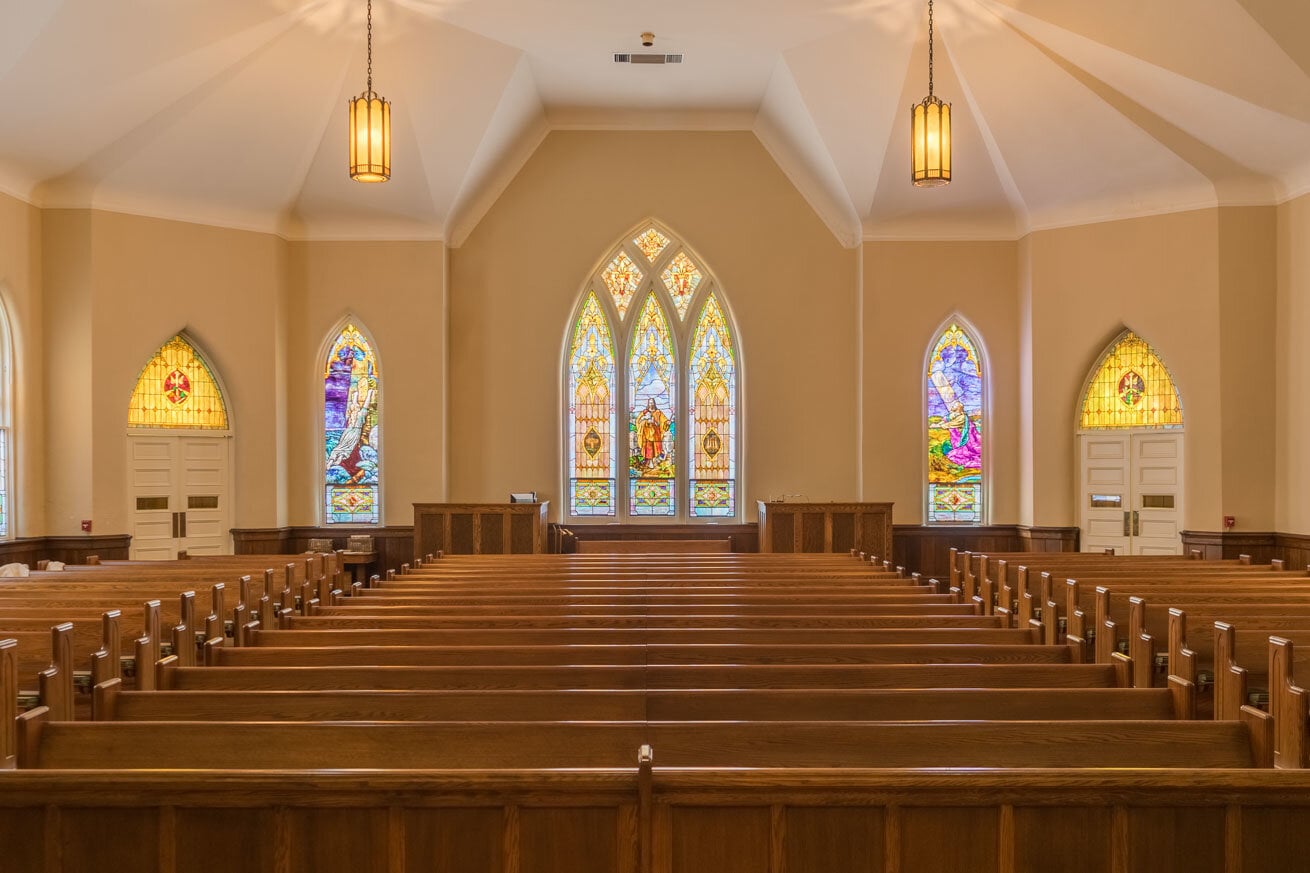
The empty pews after Easter do not necessarily mean hypocrisy, but a broader cultural shift. America is moving from “everyone is Christian by default” to “those who are Christians are more intentional about it.”
Christianity in the Caribbean looks similar on the surface, but is different in practice.
In the Caribbean, churchgoing is generally more consistent and expected. Sunday services remain a central part of community life, and even people who are not deeply devout often attend regularly out of habit, family, or respect.
In America, church attendance is more optional and individualized, and faith is more personal than communal. In the Caribbean, Christianity is more of a shared social rhythm.
Religion is also more closely tied to cultural identity in the Caribbean, influencing music, language, politics, and daily life.
Caribbean church services are often more expressive and energetic, with strong influence from African traditions in music, singing, altar calls, and emotional preaching.
There is also more social expectation around church attendance in the Caribbean. Not attending church can stand out, especially in smaller communities, where pastors and churches often have real influence. In the United States, there is less pressure, and opting out of religion is increasingly seen as a personal choice.
Christianity will likely remain stronger longer in the Caribbean than in the United States, though it is slowly changing. Younger generations are questioning traditional religion, and global culture is gradually reshaping religious life.
Still, Christianity remains deeply woven into Caribbean identity. In the United States, it is becoming more of a personal, chosen belief system, which explains the contrast between high holiday attendance and lower regular Sunday turnout.
Ultimately, it is not really “real vs fake Christians,” but community-centered faith versus individual-centered faith. Religion in the Caribbean remains fundamentally more communal than in the United States.