Home Blog Page 13

Ky-Mani Marley named Race Ambassador for Jamaica Hi-5 5K in South Florida

Reggae artist Ky-Mani Marley has been named Race Ambassador for the 2026 Jamaica Hi-5 5K Reggae Run/Walk, bringing added star power to the South Florida-based wellness and charity event set for May 9 at Miramar Regional Park.

The son of reggae icon Bob Marley will headline what organizers expect to be another record staging of the event, which combines fitness, philanthropy and Jamaican culture.

Led by Jamaica’s Consul General to the Southeast United States Oliver Mair and hosted by Wayne Messam, the Jamaica Hi-5 5K serves as a major fundraiser for the Adopt-A-Clinic initiative, which provides assistance to healthcare facilities across Jamaica.

“More than just a race, the Jamaica Hi-5 5K is a movement,” Mair said. “It’s about bringing people together for a great cause, celebrating our culture, and encouraging healthier lifestyles within our communities.”

Joining Marley as ambassadors this year are Spragga Benz and fitness and lifestyle coach Patrice J. White, adding further momentum to what has become a marquee health and wellness event within South Florida’s Caribbean community.

Organizers say participants can expect a lively race-day atmosphere, with music along the course provided by DJ Radcliffe and City Rock, energizing runners and walkers throughout the route.

Open to participants of all fitness levels, the timed 5K begins at 7:00 a.m., with all entrants receiving medals upon completion. A post-race celebration will follow, featuring Jamaican cuisine, reggae music and community fellowship.

Now firmly established as both a fitness event and a platform for giving back, the Jamaica Hi-5 5K continues to channel proceeds toward healthcare support in Jamaica through the Adopt-A-Clinic programme.

Organizers are anticipating another strong turnout, reflecting sustained community support for wellness initiatives and charitable outreach.

The event is backed by a range of sponsors, including Grace Foods USA, Digicel, JN Money Services and the Jamaica Tourist Board.

Registration is currently open at jamaicahi5krun.com, with organizers encouraging early sign-ups as space is limited.

Chronic Law I.C.E (Inside Cold & Empty) is here and it hits different

Dancehall artist Chronic Law has released his latest EP, I.C.E (Inside Cold & Empty), marking what is being framed as a defining chapter in his career.

The seven-track project, released on April 24, is already gaining traction across major digital platforms, with songs circulating widely on YouTube and Audiomack. The lead single “Like Samson” has emerged as a focal point of the rollout, generating strong engagement through shares, user-generated content and fan reactions. Early listener response points to the EP’s raw storytelling and spiritual themes as key drivers of its momentum, with growing discussion across the dancehall community positioning it among the more emotionally grounded releases of the year.

The project’s foundation was laid under unusual circumstances. While facing 73 days in U.S. immigration detention earlier this year, Chronic Law continued developing the EP through daily calls with executive manager Alexandre ‘Bashy’ Jones. Instrumentals were shared over the phone, with lyrics written in real time, resulting in a body of work shaped by personal experience and discipline.

Bashy explains:

“From day one, we never let the situation stop the work. Every day mi link him, play the riddims, and him just started to write. Everything was built off real emotions — no filter, no distraction. It was spiritual in a way, because even in that space, the music was still flowing.”

By the time the artiste was released without charge on March 26, the direction of the EP had already been established.

At its core, I.C.E explores themes of isolation, loyalty, betrayal and inner strength. The lead track, “Like Samson,” draws inspiration from the Biblical figure Samson, weaving themes of strength, purpose, loss and redemption into a modern-day narrative.

Chronic Law shared:

“Samson’s story is powerful because he was chosen, but he still goes through betrayal and loss. A dat mi relate to. ‘Like Samson’ a show says even when yuh feel weak or stripped, God still have a plan to restore yuh strength. A faith carry yuh through everything.”

Bashy added:

“That song is bigger than music. It’s about knowing your strength — not just physical, but spiritual. Samson loses everything but never loses purpose. Same way, no matter the pressure, we stand firm because we know who guides us. That’s what the track represents.”

The EP is produced by 1Law Entertainment, Collect Di Bread Entertainment and Notnice Records, with creative direction shaped by the collaboration between Chronic Law and Jones. Billboard-charting producer Ainsley ‘Notnice’ Morris played a key role in defining the project’s sonic direction, contributing to the cohesion of the seven-track release.

Additional tracks, including “Ride or Die” and “Prayer Works,” have also gained traction since the EP’s release, further expanding its reach. Lead single “Like Samson,” which debuted on April 17 via ONErpm, has surpassed 1.3 million views on YouTube VEVO.

Chronic Law described the project as deeply personal:

“This EP is not just music — it’s my reality. Every line comes from a real place. Pain, faith, growth… everything is in there. I.C.E shows who I am, not just as an artiste, but as a man still standing through everything.”

As dancehall continues its global evolution, I.C.E (Inside Cold & Empty) underscores the enduring power of authenticity, with Chronic Law positioning himself not only as a performer, but as a storyteller rooted in lived experience, resilience and spiritual awareness.

Visually impaired singer Nigy Boy writing a new chapter on the ‘Hill & Gully’ riddim

A new chapter in dancehall’s evolving riddim culture is taking shape, with singer Nigy Boy at the center of attention on the buzzing Hill & Gully Riddim. His contribution, titled “Wah Mi Money,” was produced by acclaimed hitmaker Stephen “Di Genius” McGregor.

The visually impaired Montego Bay native—known for songs such as “Continent,” “Karma,” and “Goodness of God”—continues to establish himself as one of the more distinctive voices in modern dancehall. His latest entry arrives on a riddim that has quickly become one of 2026’s most discussed juggling projects, blending nostalgic Jamaican folk influences with contemporary dancehall energy.

While the project has gained traction, it has also sparked debate around its lyrical direction, with some critics pointing to a growing dominance of sexually explicit content across several tracks.

Supa Jamz radio host Jimmy Bascom suggested the riddim’s current output may be missing a key audience segment: radio listeners.

“Nigy Boy’s caliber is different from the norm,” Bascom said. “It can be played on commercial radio, and that’s what we need. We need stronger content when it comes on to a rhythm of this nature.”

Choosing a Different Lane

Rather than follow prevailing trends, Nigy Boy said he intentionally approached the riddim from a different creative angle.

“Well, I chose a different lane from most because it’s always good to be unique,” he explained. “This is a juggling… having a diverse set of topics adds more depth and value.”

He emphasized that differentiation is essential in a juggling format, where multiple artists compete over the same beat.

“Even if five songs are talking about girls, you can still say more than one thing regarding a girl,” he added, pointing to the importance of lyrical variety.

Early industry reactions suggest his approach is already resonating, with some insiders describing his track as a standout on the project.

This is not the first time Nigy Boy has made an impact on a juggling. He previously gained attention with “Judgement” on the Payment Plan Riddim, “Options” on the Story Book Riddim, “Risk It All” on the WYFL Riddim, and “Take Care of You” on the Sandy Park Riddim.

Inspiration From Film and Folk Roots

Nigy Boy said the creative spark for “Wah Mi Money” came from an unexpected source.

“The lightbulb idea was the Jamaican movie Shirley Duppy,” he revealed.

The cult horror-comedy series follows supernatural events surrounding a deceased woman named Shirley who is said to haunt her community.

“I approached the rhythm with a vocal arrangement that blended modern dancehall with Mento,” he said, highlighting his fusion-driven style.

That blend mirrors the riddim’s foundation, which draws from the traditional folk song “Hill and Gully Rider,” long associated with Jamaican cultural icon Louise Bennett-Coverley (Miss Lou). Over time, however, interpretations of the song have shifted.

“The song took on a life of its own,” Nigy said. “Based on word choice, individuals interpret it as having sexual undertones. It all comes down to interpretation.”

Industry Support for a Balanced Approach

Roadblock radio personality Black Barbie, based in Connecticut, has been among those backing Nigy Boy’s direction on the project.

“That is amazing that Nigy went in a different direction. We need that,” she said. “It’s always great to get different perspectives—that’s how successful riddims are built.”

She also stressed that the riddim’s cultural roots remain intact despite its modern reinterpretations.

“It’s not messing with Miss Lou’s legacy; it’s adding to the value. It brings our Jamaican roots back to the forefront,” she added.

Among Heavyweight Company

Nigy Boy joins a roster that includes some of dancehall’s most prominent names, such as Masicka, Valiant, and Elephant Man. Despite the heavyweight lineup, observers note that his melodic control and clean vocal delivery give him a distinct presence on the project.

With summer approaching, industry watchers are already predicting that the Hill & Gully Riddim could become a defining soundtrack of the season, with Nigy Boy positioned as one of its key contributors.

“The song I put on the Hill & Gully Riddim can be as massive as ‘Continent,’” he said confidently. “It more than has the potential.”

In an era often driven by shock value, Nigy Boy’s approach offers a reminder that storytelling, culture, and creative restraint still have a strong place in dancehall. And if early reactions are anything to go by, his more measured, culturally grounded direction may not just stand out—it could very well lead the pack.

ABLP secures landslide victory as Browne’s snap election gamble pays off

Antigua and Barbuda to host investment conference in March 2025
Prime Minister Gaston Browne

Prime Minister Gaston Browne’s decision to call a general election nearly two years ahead of the constitutional deadline paid off on Thursday, with his ruling Antigua and Barbuda Labour Party (ABLP) securing a commanding victory at the polls.

Preliminary results indicate the ABLP won 15 of the 17 seats contested, a significant improvement from its narrow 9–7 margin in the January 2023 general election.

“We are humbled and honoured by your support and confidence. Now is the time to move forward together, build on our gains and continue our work on this long journey toward the betterment of our society and the upliftment of our people. From each and every one of us, THANK YOU,” Browne wrote on the party’s official Facebook page.

Addressing supporters, Browne expressed gratitude for the confidence placed in his leadership and that of the ABLP to continue the country’s socio-economic development.

“We are here to serve all the people of Antigua and Barbuda. Education, jobs, business opportunities will be open to all who are prepared to seize them and I say to my distinguished countrymen and countrywomen … when we create these opportunities for you, please seize them,” he said.

“And I add here again that no one will be left behind who is willing to move forward. And notwithstanding your political persuasion, this is not a time for laggards. This is a time for all of us to perform, to increase our productivity and to make sure that Antigua and Barbuda becomes one of the most productive small island states globally.”

Browne said projects are already underway across the country, transforming communities, strengthening the economy and improving lives.

“And we will build on that foundation, advancing new initiatives that uplift our people, enhance our dignity and deepen our pride as citizens of Antigua and Barbuda,” he added.

He also urged national unity and confidence on the regional and international stage.

“We must remain a dignified people. We must not cower to anyone. We must not be timid. We must stand tall in every forum, every regional, every international forum as Antiguans and Barbudans,” he said.

Despite the scale of the victory, Browne said it was not a moment for triumphalism.

“So, just in case anyone expected me to gloat, at the end of the day, the contest is over. From all indications, the people who have supported us to get between 15 of the 17 seats, that in itself is a resounding mandate for which we are eternally grateful,” he added.

According to preliminary figures from the Antigua and Barbuda Electoral Commission (ABEC), Opposition Leader Jamale Pringle of the United Progressive Party (UPP) was the only candidate from his party to retain a seat, defeating ABLP candidate Anthony Smith.

On Barbuda, incumbent Trevor Walker of the Barbuda People’s Movement (BPM) held his seat with 609 votes, compared to 398 for ABLP candidate Kendra Beazer.

Pringle thanked supporters and congratulated the ABLP on its victory.

“I want to thank all Antiguans and Barbudans who have supported the United Progressive Party. We’re indeed grateful and you will hear from us in a short time,” he said.

He acknowledged the party’s defeat while pledging its continued presence.

“Just as we did in 2018, we’ll still be standing. We can’t get enough of the United Progressive Party. We’ll still be there,” Pringle added.

Among those defeated was former finance minister Harold Lovell, who had returned to contest the All Saints West seat after stepping away from active politics following the 2023 election. He lost to Anthony Smith.

Browne, who retained the St. John’s City West seat he has held since 1999, becomes the first prime minister in Antigua and Barbuda to win four consecutive general elections.

He had framed the early election as a “Renaissance” campaign, arguing that a renewed mandate was necessary to sustain progress achieved under the ABLP since 2014.

Among the winning ABLP candidates was Browne’s wife, Maria Browne, who defeated UPP candidate Ashworth Azille in St. John’s Rural East.

Three independent candidates failed to make a significant impact and all lost their deposits.

Regional pollster Peter Wickham said the results highlight divisions within the opposition, noting that the UPP’s relatively strong performance in 2023 had “completely evaporated.”

“I am seeing overall a swing of more than five per cent, which will allow the ABLP to probably win all the seats on the mainland,” Wickham said during a television interview, adding that the polling data had accurately reflected the outcome.

Professor Justin Robinson, Pro Vice-Chancellor and Principal of the University of the West Indies Five Islands Campus, said the results addressed key concerns among voters about leadership.

“Can I see this person as leading my country and being the prime minister? And you’re also looking at candidates, you know, who might be the health minister … So, people are looking at that,” Robinson said during a panel discussion on state media.

He described Pringle as the “only man standing” within the UPP but suggested the party faces leadership challenges going forward.

Wickham argued that despite retaining his seat, Pringle should consider stepping down as party leader.

“My sense now is that I don’t believe that he will lead the UPP for much longer,” Wickham said, suggesting the party may turn to extra-parliamentary leadership.

“And if he is wise, he will essentially give them the opportunity for doing that… it appears as though the electorate has said they put their confidence in him. But the reality is that he had the strongest seat. So that’s the reason why he’s the last man standing,” he added.

He noted that similar dynamics have been observed elsewhere in the region, where individual constituency strength can allow candidates to withstand broader electoral swings, independent of wider leadership appeal.

BSO credits strategic investments for improved public safety services

BSO broward sheriff's office

The Broward Sheriff’s Office (BSO) says careful financial planning and behind-the-scenes administrative work continue to play a vital role in supporting frontline operations and strengthening public safety across Broward County.

In its May statement, BSO emphasized that while deputies and first responders operate on the front lines, their work is supported by the Department of Administration, which manages budgeting, purchasing, grants and strategic planning to ensure resources are used efficiently and transparently.

According to the statement, the department is responsible for ensuring every taxpayer dollar is strategically invested to enhance services, strengthen operational capabilities and address the evolving needs of residents. Central to this effort is the Office of Management and Budget, which directs resources toward personnel, equipment and programs designed to improve public safety outcomes.

BSO noted that its Finance Division oversees day-to-day financial operations, while the Purchasing Bureau secures essential equipment, technology and services for staff. These investments range from advanced training tools to critical field equipment, ensuring personnel are prepared to respond effectively.

The Grants Management Division also plays a key role by securing external funding to support specialized programs and outreach initiatives without increasing the burden on taxpayers. Through the Law Enforcement Trust Fund grant program, forfeiture funds are reinvested into local organizations that provide youth opportunities, educational support and other community services.

BSO also highlighted the work of the Office of Strategic Management, which oversees the agency’s strategic plan and focuses on measurable improvements. The office brings together stakeholders and subject-matter experts to identify needs, implement new technologies and evaluate performance using data-driven decision-making.

Officials said these initiatives are aligned with progress outlined in the 2024–2025 Annual Report, which details advancements made through disciplined financial management and strategic planning.

BSO encouraged residents to review the report to better understand how public funds are being used to support law enforcement and community programs.

The full 2024–2025 Annual Report is available at sheriff.org/sherifftony/report, where residents can review the agency’s performance, investments and ongoing efforts to improve public safety services.

The data-driven advantage of researching repossessed inventory

driving

Repossessed cars for sale attract serious buyers for one reason: these vehicles are usually in good condition. They weren’t wrecked. They weren’t flooded. They ended up at auction because a loan went unpaid, not because the car failed.

But “good shape” still needs to be verified. Maintenance gaps, undisclosed mileage irregularities, and clean-looking titles that hide a complicated history are all real risks in this segment. Researching before you bid is the difference between a smart purchase and a costly one.

In this post, we’ll break down a data-first approach to evaluating repo cars for sale — what to check, where to find the information, and how to use it to set a bid you won’t regret.

Understanding the Origin of Repossessed Assets

The term “repossession” often carries a stigma, but in the context of professional vehicle auctions, it simply refers to a change in ownership triggered by a financial default. These vehicles are often sourced from major lenders, credit unions, and captive finance companies. Because these institutions are in the business of lending rather than car sales, they utilize auction platforms to recoup the remaining loan balances as efficiently as possible.

When searching for repossessed cars for sale, you are often looking at a cross-section of the general driving public. These are not necessarily damaged cars; in many cases, they are well-maintained daily drivers that happened to be involved in a personal financial transition. This means the inventory frequently includes late-model SUVs, fuel-efficient sedans, and work-ready trucks that are only a few years old. The primary difference between these and a retail used car is the price point and the venue of sale.

The Strategic Value of Repo Auctions

The specialized nature of the bank repo auction creates a distinct pricing environment. Unlike a traditional used-car lot, where a dealer adds a markup to cover overhead, sales commissions, and marketing, an auction focuses on the true market value determined by active bidders. This pricing model offers a level of transparency rarely found in the retail world.

For a buyer, the goal is to identify vehicles that have been overlooked or undervalued by others. This is where integrating vehicle history data becomes essential. By reviewing the title records, lien history, and previous sales data, you can build a profile of the vehicle’s life before it reached the auction block. Knowing that a vehicle had a single owner or a clean maintenance record in a specific region provides the confidence needed to bid aggressively on high-quality assets.

Mitigating Risks Through Detailed Documentation

While the financial benefits of buying repossessed inventory are clear, the process is not without its variables. Since the previous owner may have been under financial stress, it’s possible that routine maintenance, such as oil changes or brake service, was deferred in the months leading up to the repossession.

When evaluating repo cars for sale, we recommend a data-first approach. This involves checking for any outstanding recalls and reviewing the odometer progression. A vehicle that shows a consistent, logical increase in mileage is often a reliable daily driver. Conversely, large gaps in the history or inconsistencies in the title branding should be flagged for further investigation. By using professional history reports, you can verify that the “bank-seized” status hasn’t masked other underlying issues, such as past accidents or mechanical failures that weren’t reported to the lender.

Comparing Financial Liquidations to Insurance Losses

It is important to distinguish between vehicles sold due to financial reasons and those sold due to damage. While insurance-sourced vehicles (such as salvage or rebuilt units) are priced based on repair costs, repossessed units are priced based on market demand and the lender’s urgency. This often results in a higher “floor” price for repossessed units, but with the trade-off of a much lower repair requirement.

For many buyers, the ideal scenario is finding a vehicle that fits into both categories — perhaps a repossessed unit with minor cosmetic flaws. These “hybrid” opportunities allow for the maximum possible discount. By focusing on the structural and mechanical health revealed in the data, you can determine if a vehicle is worth the investment. The availability of 2026-level diagnostic tools and historical auction photos makes it easier than ever to assess the car’s condition at the exact moment the bank took possession.

Navigating the Bidding Process With Confidence

Success at a bank repo auction requires a combination of discipline and speed. Because these auctions move quickly, having your research completed beforehand is vital. One of the steps you can take is to create a shortlist of potential targets and setting a maximum bid for each based on the all-in cost, including the winning bid, auction fees, and transport costs.

Once the bidding begins, the data you’ve gathered serves as your guide. If the price exceeds your calculated value, it is time to move on to the next unit. The volume of repossessed inventory is consistent enough that another opportunity is usually just a few days away. This patience-led strategy ensures you acquire only assets that meet your specific criteria for quality and price.

Finalizing the Logistics After the Auction Ends

The work isn’t finished when the screen says “Sold.” As mentioned, the transition period is critical. Most auction yards have limited space and will begin charging daily storage fees almost immediately. Coordinating with a reliable shipping partner ensures your new acquisition is picked up promptly, protecting your margins from unnecessary fees.

Furthermore, ensure that all title documentation is handled through the proper channels. Most auction platforms facilitate the transfer of title from the bank to the buyer, but timelines can vary by state and lender. Keeping a clear record of the bill of sale and the transport receipt is essential for a smooth registration process at the DMV.

Conclusion

The repossessed vehicle market is one of the most effective ways to acquire late-model transportation at a professional price. By moving away from the retail showroom and into the data-driven world of the auction, you gain access to a wider variety of inventory and a more transparent pricing structure. Whether you are a first-time buyer looking for a reliable sedan or a professional looking to expand a fleet, the combination of thorough history research and a disciplined bidding strategy is the key to unlocking the true value of repossessed assets.


Exploring Dubrovnik without the burden: Smart travel tips for a seamless experience

Dubrovnik

Dubrovnik, what many refer to as the “Pearl of the Adriatic,” is a travel destination that also heads the list in Europe. With its medieval architecture, beautiful coastline, and in-depth cultural heritage, the city sees millions of visitors a year. Also in the report we see that Dubrovnik has its issues, which it presents to the traveler, especially in its historic Old Town. Also here you will face the challenge of dealing with heavy luggage. But by traveling light and smart you can greatly improve your experience.

Why Traveling Light Matters in Dubrovnik

Dubrovnik’s Old Town is a UNESCO World Heritage Site that is known for its narrow stone streets, steep staircases, and pedestrian-only areas. Although these elements add to the city’s charm, they are not ideal for travelers with heavy suitcases or backpacks. Upon your arrival before check-in or after leaving the hotel with hours to pass, dragging that luggage around quickly becomes tiring.

This is the element of planning that comes into play. Presently, many travelers are into the use of flexible luggage storage solutions that enable them to travel around freely unencumbered.

Convenient Solutions for Luggage Storage

In Dubrovnik one of the best ways to see the city stress-free is to use the luggage storage services. There is Luggage Storage Dubrovnik safe and easy access to storage of your stuff for a few hours or a full day.

Services available are from Radical Storage’s partnership with local businesses like hotels, shops, and cafes to bring convenient storage options all over the city. They put at your disposal storage in very key locations like by major attractions, transit stations, or city centers, where you can leave your bags and then get back to your trip.

Unlike what you find at traditional lockers, these services have a greater range of what bag size and time options are offered, which in turn covers a wider range of travel needs.

Making the Most of Your First Day

In Dubrovnik early arrival is a mixed bag if you’re not in at your place of stay right away. Instead of sitting and waiting or dragging your bags through the crowds, it is suggested that you drop off your things nearby and go in to see what the city has to offer.

Start off your day with a walk along the old city walls, which present you with amazing 360-degree views of the Adriatic. See landmarks like Rector’s Palace, Sponza Palace, and the Dubrovnik Cathedral. With your hands free you’ll be able to fully engage in the experience, take in the photos, and easily make your way around the city.

Enjoying Your Last Day Stress-Free

The last day of the trip is usually very scheduled and full of logistical issues. Once you check out of the hotel, at that point you may still have a few hours before the flight leaves. Instead of sitting in a cafe watching over your bags, use a storage option that will allow you to enjoy the rest of the day.

Take in the sights on a cable car to Mount Srđ, lounge at Banje Beach, or go through the local markets for souvenirs. To keep your things safe will give you peace of mind as you enjoy the remainder of your stay.

Safety and Reliability Considerations

When it comes to luggage storage, choose safety first. Reputable companies go through in-depth backgrounds of their partner locations and also, in most cases, include insurance for your items.

Radical Storage also has a proven network of facilities, which they present to the public, as well as an easy-to-use booking system. Digital reservation options and transparent pricing are available, which allow travelers to find and book storage at their convenience, whether that be in advance or while on the go.

While other companies like Usebounce, Stasher, or LuggageHero also operate in many cities, what you should do is compare availability, pricing, and customer reviews before you decide.

Practical Travel Tips for Dubrovnik

To improve your stay, consider the following tips:.

  1. Visit Early or Late in the Day

In Dubrovnik it can be very crowded at times, especially during the height of the tourist season. If you go early in the day or late in the evening, you will have a better chance to avoid the crowds and enjoy a more quiet atmosphere.

  1. Wear Comfortable Footwear

The city’s pavements are of polished limestone, which at times may be slippery. Wear comfortable non-slip shoes for safe navigation of the terrain.

  1. Stay Hydrated

In the summertime, temperatures in Dubrovnik rise high. It is recommended to bring a reusable water bottle and also to use the public fountains, which are abundant throughout the city.

  1. Plan Transportation Ahead

If you are traveling by ferry or bus, check the schedules in advance and leave extra time for transfers, which may take longer during busy periods.

  1. Use Smart Storage Options

Into your travel plan, include services like Radical Storage, which will give you flexibility and convenience in between points of your trip.

Enhancing Your Travel Experience

Travel is not just about the destination point; it is about the experience. What you do while packing and with your luggage has great impact on your trip.

In the use of practical solutions like luggage storage, you are able to see and do in Dubrovnik as you please. From walking in old cobblestone streets to taking in the sea air or finding that which is out of the way, a flexible approach allows you to go into all that this city has to present.

Final Thoughts

Dubrovnik does best not to have a plan. Its beauty is in the discovery, the spontaneity, and the full experience. By the time you spend there to be worthwhile, don’t look too far ahead and don’t stress over the details; instead, focus on living it up and creating that which will be the best memories.

Smart travel is not just about the destination but also the trip itself.


How AI travel planning can help Caribbean trips feel better organized

Caribbean travel rarely fits one simple vacation pattern. Some travelers plan beach time, family visits, food stops, and local events together. Others fly for Carnival, weddings, business meetings, or a first trip home after many years. These trips need careful timing because island routes, ferry schedules, hotel locations, and weather can change the whole day. A traveler may know the destination well but still miss current prices or new booking rules. Good planning helps people avoid rushed decisions before they leave home. It also leaves more space for food, music, relatives, and places that deserve real attention.

AI Helps Sort the Details Before Booking

A traveler can use an ai trip planner to organize early research before choosing flights, hotels, and activities. Caribbean trips often start with too many open tabs. One page shows flight prices. Another shows hotel reviews. A family chat may include food ideas, driver contacts, or beach suggestions. Travel content can feel scattered when the trip includes several goals. AI can group these details into a first route. The traveler still needs to check local facts before booking. Opening hours, weather alerts, ferry times, and road conditions can change quickly. That final review keeps the plan realistic.

Good results depend on clear travel details. A request should name the island, dates, budget, group size, and transport needs. Food preferences and walking limits also matter. “Plan a Caribbean trip” gives weak results because the region is too varied. “Plan four days in Barbados with local food, beaches, and no late driving” gives stronger direction. The tool can then place activities in a more sensible order. It can also point out when a single day feels too packed. Travelers should still check the plan against tourism board updates, recent reviews, and local tips. AI can make planning easier, but common sense still needs the final word.

Caribbean Trips Often Mix Vacation With Real Life

Many Caribbean trips include personal duties alongside leisure. A traveler may visit relatives, attend church, handle paperwork, or join a community event. Those plans cannot be treated as empty space between attractions. Family time may take longer than expected. A meal may turn into a long afternoon. A local event may shift the best travel time for the whole day. A schedule should allow for that reality. This matters for Caribbean American readers because travel home often carries practical and emotional weight. The trip may involve memory, culture, family, and rest at once.

Planning also changes by island. Jamaica, Trinidad and Tobago, The Bahamas, Barbados, Saint Lucia, Curaçao, and Aruba each require different timing. A beach day near Montego Bay is not planned the same way as a food day in Port of Spain. A quiet stay in Curaçao differs from a Carnival week in Trinidad. A Bahamas trip may include boat timing, while Saint Lucia may include steep roads. AI can help compare choices, but travelers need to add local context. A good schedule should respect distance, daylight, meals, and the pace of the place.

What Travelers Should Check First

The first booking choices shape the whole trip. A cheaper hotel may cost more if taxis are needed daily. A late flight may make a long transfer tiring. A rental car may be harder to find during festivals or school breaks. A famous beach may need early arrival because parking fills fast. These details sound small during research, but they affect comfort later. Travelers should check the less exciting parts before building activity lists. That makes the trip easier to adjust when plans change.

Before booking, travelers should review:

  • Airport arrival time and transfer distance.
  • Hotel location near meals and planned visits.
  • Rental car supply during busy dates.
  • Ferry or regional flight schedules.
  • Outdoor backup options for rain.
  • Restaurant hours and reservation rules.

Timing Can Change the Whole Day

A Caribbean itinerary works better when timing receives serious attention. Some food spots sell out early. Some beaches are calmer in the morning. Some roads feel harder after dark. A market may be better before lunch. A boat trip may depend on wind, rain, or sea conditions. These details are normal, but they often decide how the day feels. AI can help place nearby stops together. It can also warn when a route looks too crowded. Travelers should then edit the plan with local updates. That step keeps the schedule useful without making it stiff.

Better Planning Leaves More Room for the Trip

The best Caribbean travel plans do not pack every hour. They help travelers avoid preventable stress before arrival. AI can compare routes, group nearby ideas, and show where time feels unrealistic. It can also help travelers test hotel locations against meals, beaches, and family visits. After that, the traveler should check local sources and adjust the schedule. This creates a plan that feels organized without becoming rigid. The trip still has space for weather, conversation, traffic, and slow meals.

Caribbean travel often means more than time away from work. It can connect people with food, language, relatives, music, and familiar places. Visitors also deserve accurate details before spending money. A planning tool helps most when it makes those details easier to review. It should support better choices, not decide everything alone. When the basics are checked early, travelers can arrive with fewer surprises. Then the trip has more room for the moments that cannot be planned perfectly.


Why your next medical certificate should come from an AHPRA-registered telehealth provider

Australia’s healthcare system is quietly shifting toward a “telehealth first” mindset. For routine needs—like taking sick leave—people aren’t asking if they can go digital anymore. They’re asking whether the document they receive will actually hold up when it matters.

If you’re searching for a medical certificate online Australia, the real question isn’t speed. It’s legitimacy.

And in 2026, legitimacy comes down to one thing: whether your certificate is backed by an AHPRA-registered doctor and issued under proper clinical standards.

The AHPRA Filter: Where Legitimacy Begins

Not all medical certificates are created equal. Some are the result of a proper clinical consultation. Others? They’re little more than PDFs generated after a form submission.

That distinction matters.

Under Australian law, a valid certificate must come from a registered health practitioner and be based on a real assessment—whether that happens in person or via telehealth . The Medical Board of Australia guidelines are clear: issuing a certificate is a clinical act, not an administrative shortcut.

Without that layer of clinical governance, the document simply doesn’t carry weight.

Workplace Compliance: Where Things Get Real

Employers don’t care how you got your certificate—they care whether it meets the Fair Work Act 2009 standard.

That standard is deceptively simple:

your evidence must satisfy a “reasonable person” that you were genuinely unfit for work

There’s no requirement for paper. No requirement for in-person visits. But there is an expectation that:

  • The doctor is AHPRA-registered
  • The consultation actually happened
  • The certificate clearly states your leave period

That’s where structured telehealth platforms—like NextClinic—position themselves differently. They align with compliance from the start, rather than treating it as an afterthought.

A Quick Reality Check: Not All Platforms Are Equal

Here’s where the gap becomes obvious:

Feature AHPRA-Registered Telehealth Unregulated Global Platforms
Doctor Verification Fully AHPRA-registered Often unclear or offshore
Clinical Assessment Real-time consultation required Sometimes form-based only
Legal Standing Meets Fair Work Act evidence standards May be rejected by employers
Documentation Includes provider details & traceability Generic or unverifiable
Patient Privacy Follows Australian privacy laws Varies widely

This isn’t about branding—it’s about risk. A certificate that doesn’t meet regulatory expectations can be challenged or even rejected.

Clinical Integrity: What Actually Happens Behind the Screen

There’s a misconception that telehealth is somehow “lighter” than in-person care. In reality, the expectations are the same.

A legitimate consultation involves:

  • Symptom review
  • Medical history discussion
  • Clinical judgement about fitness for work

AHPRA and the Medical Board require that certificates are only issued after a proper assessment—not automated or backdated without basis .

That’s why services like NextClinic emphasise real doctor interaction. It’s not just a compliance checkbox—it’s what protects both the patient and the practitioner.

The Convenience Factor (Without Cutting Corners)

Here’s the part most people care about: speed.

Digital healthcare has dramatically reduced friction. No travel. No waiting rooms. No reshuffling your day for a five-minute consult.

95% of NextClinic users receive documentation in under 60 minutes.

That kind of efficiency isn’t just convenient—it’s practical, especially for regional Australians or anyone juggling work and family commitments.

But speed only matters if the outcome is valid. A fast document that gets rejected isn’t efficient—it’s a problem.

The Bigger Picture: A Digital Health Ecosystem That Works

Australia’s digital health ecosystem is no longer experimental. Telehealth is recognised as a legitimate mode of care delivery, with millions of consultations already completed nationwide .

What’s changed is the expectation.

Patients now expect:

  • Clinical governance, not shortcuts
  • Patient privacy principles to be upheld
  • Clear compliance with workplace law

That’s why choosing the right provider matters. It’s not just about getting a certificate—it’s about getting one that stands up to scrutiny.

Final Word

If you’re choosing a medical certificate online Australia, you’re not just choosing convenience—you’re choosing whether your documentation will hold up when it counts.

AHPRA registration. Real consultation. Fair Work compliance.

That’s the standard now. And anything less isn’t worth the risk.

FAQ: Quick Answers That Matter

Is a telehealth medical certificate legally valid?

Yes—if it’s issued by an AHPRA-registered doctor after a proper consultation

Do employers have to accept it?

They must accept evidence that satisfies a reasonable person under the Fair Work Act

Is online the same as in-person legally?

Yes. The law focuses on the practitioner and process—not the format


SVG Sailing Week earns gold certification for sustainability

SVG Sailing Week

SVG Sailing Week 2026 has secured a major sustainability milestone, earning the Clean Regattas Gold Certificate following the successful staging of this year’s event.

The eight-day regatta once again positioned Saint Vincent and the Grenadines as a premier sailing destination, blending competitive racing with cultural programming and a strengthened focus on environmental stewardship.

The certification, issued by Sailors for the Sea through its Clean Regattas programme, recognizes regattas that meet high standards in waste reduction, ocean conservation and environmental protection. Organizers said the recognition places the event among the leading sustainable sailing competitions globally.

Central to that achievement was the expanded execution of the Sail Green SVG initiative, which introduced targeted measures to minimize the event’s environmental footprint. Organizers reduced single-use plastics and partnered with Action Bequia and All Island Recycling Inc to install clearly marked recycling stations and improve waste management where plastics were unavoidable. Paper use was also cut by moving schedules and race information online, while awards were locally crafted or repurposed trophies.

Racing took place across St. Vincent, Bequia and Canouan, drawing sailors from across the Caribbean and beyond for yacht, cruising and traditional double-ender competitions. The event also emphasized community engagement, with more than 40 volunteers from over a dozen organizations participating in a beach cleanup at Big Sands, Sandy Bay, collecting approximately 20 bags of waste. Educational sessions highlighted marine conservation, including the protection of leatherback turtles.

Green Campaign Lead Amber Glasgow said the certification represents a broader shift in how the event is being developed. “This is bigger than sailing. It’s about the kind of event we’re building, one that celebrates our culture, protects our environment and sets a new standard for sustainable tourism in the region.”

Organizers are now targeting Platinum status by 2027 as they seek to further strengthen the country’s position as a leader in sustainable tourism.

By combining competitive racing, community involvement and environmental action, SVG Sailing Week continues to set a benchmark for sustainable events across the Caribbean.

Florida mandates cursive instruction in elementary schools under new education law

cursive writing

Florida students will once again be required to learn cursive writing in elementary school under a sweeping new education law signed by Governor Ron DeSantis.

The legislation (SB 182), which takes effect July 1, mandates that public schools provide cursive instruction for students in grades three through five. By the end of fifth grade, students must demonstrate proficiency, including the ability to write upper- and lowercase letters, form words and sentences legibly, and apply cursive writing in essays and other assignments.

State officials said the move is aimed at ensuring cursive writing does not become a lost skill, reviving a requirement that was phased out in 2010 when Florida adopted Common Core standards.

The law also introduces additional measures, including a requirement for public schools to display portraits of George Washington and Abraham Lincoln in a prominent location.

Another provision establishes a School Teacher Training and Mentoring Program, allowing experienced or retired educators to support staff at underperforming schools. Participating teachers could receive stipends of up to $3,000.

However, questions remain about how some aspects of the law will be implemented, particularly as budget negotiations between lawmakers remain unresolved. Funding for both the portrait requirement and the mentoring program is subject to legislative approval, leaving uncertainty over whether schools or the state will bear the costs.

Despite the new mandate, some school districts say the impact may be minimal. Broward County Public Schools indicated that cursive writing is already part of its elementary curriculum.

The district’s chief academic officer, Fabian Cone, said the legislation would mainly help standardize instruction across schools rather than introduce significant changes.

Florida’s Department of Education has required cursive instruction at certain grade levels since 2014, but the new law formalizes proficiency standards and expands expectations as students prepare to leave elementary school.

First direct US–Venezuela flight in seven years set to land in Caracas

Miami International Airport

The first direct commercial flight between the United States and Venezuela in seven years was scheduled to land Thursday in the Venezuelan capital, marking a major step in the restoration of travel and diplomatic ties between the two countries.

Flight AA3599, operated by Envoy Air, a subsidiary of American Airlines, was set to depart Miami at 10:16 a.m. local time and arrive in Caracas roughly three hours later, before returning to Florida later in the day.

The airline said passengers traveling during the inaugural weekend would be treated to a special Venezuelan-themed onboard menu, including traditional dishes such as cachapas and ensalada de gallina.

The resumption of direct service follows a seven-year suspension imposed by the U.S. Department of Homeland Security over security concerns. The ban was lifted earlier this month after officials determined that conditions had improved.

The move also comes amid a broader thaw in relations between Washington and Caracas, including the reopening of the U.S. Embassy and renewed diplomatic engagement following the capture of Venezuelan leader Nicolás Maduro in January.

American Airlines said a second daily flight between Miami and Caracas is expected to begin on May 21 as demand grows.

The flights mark the first nonstop commercial link between the two countries since 2019, when diplomatic ties were severed and U.S. carriers pulled out. In the years since, travelers relied on indirect routes through other Latin American countries.

At its peak, American Airlines operated multiple daily flights to Venezuela, but it suspended all services in 2019 amid the country’s political and economic crisis. Other major U.S. carriers, including Delta and United Airlines, had already exited the market in 2017.

Airline officials say the restored route is expected to help reunite families and create new opportunities for business and travel between the two nations.

Venezuela dismisses Guyana, CARICOM concerns over Essequibo brooch

In this official Barbados government picture, Venezuela’s President, Delcy Rodriguez is seen wearing a brooch depicting a map of Venezuela that includes Guyana’s Essequibo Region as she interacts with the Prime Minister of Barbados, Mia Mottley.

Venezuela has brushed aside concerns raised by Guyana and the Caribbean Community (CARICOM) over a brooch worn by Acting President Delcy Rodríguez depicting a map that includes Guyana’s Essequibo region.

The 15-member regional bloc said earlier this week it had taken note of recent official engagements where material asserting Venezuela’s claim to the disputed territory was on public display, cautioning that CARICOM platforms should not be used to “legitimize” claims currently before the International Court of Justice.

Guyana’s President Irfaan Ali had expressed “grave concern” over Rodríguez’s use of the brooch during meetings with Caribbean leaders in Barbados and Grenada earlier this month, describing the display as “deeply regrettable.”

In a letter to CARICOM Chairman Terrance Drew, Ali said while Georgetown respects the right of member states to engage Venezuela diplomatically, such engagements should not feature symbols asserting claims over Guyanese territory.

But addressing an anti-sanctions rally in Carabobo, Rodríguez dismissed the criticism and insisted Caracas would continue to assert its claim to the Essequibo region.

“We will soon be at the International Court of Justice… to reaffirm our historic position,” she said, adding that the controversy over the brooch was misplaced. “You know that the President of Guyana is now causing a scandal because I always wear the pin… Now they are even bothered by how I dress.”

Venezuela’s Foreign Minister Yván Gil also defended the move, saying the country’s territorial sovereignty “cannot be erased with letters,” while accusing Guyana of attempting to deflect from the substantive dispute.

Meanwhile, President of Venezuela’s National Assembly Jorge Rodríguez reaffirmed Caracas’ position, describing the Essequibo as a “historical, legal and moral right” of the Venezuelan people.

The dispute over the resource-rich Essequibo region—comprising about two-thirds of Guyana’s landmass—remains before the ICJ, where Guyana is seeking validation of the 1899 Arbitral Award that established the boundary between the two countries.

The controversy is being addressed under the 1966 Geneva Agreement, which outlines mechanisms for a peaceful resolution. After bilateral efforts failed, the matter was referred to the court by the United Nations Secretary-General.

The ICJ has already ruled that it has jurisdiction to hear the case, clearing the way for full hearings on the merits, even as tensions continue to simmer between the two South American neighbors.

Jamaica House passes NaRRA bill after marathon debate, amid opposition concerns

Andrew Holness

The Jamaica Labour Party government led by Andrew Holness used its parliamentary majority in the early hours of Wednesday to pass the National Reconstruction and Resilience Authority (NaRRA) Act, paving the way for a new body to coordinate rebuilding efforts following Hurricane Melissa.

The legislation cleared the House of Representatives of Jamaica at about 1:30 a.m. after more than eight hours of debate, with the government securing 31 votes to the Opposition’s 15. Sixteen lawmakers were absent.

Proceedings were overshadowed by the earlier removal and suspension of Opposition MP Angela Brown Burke for what was described as “unparliamentary behavior,” following a tense exchange involving the ceremonial mace.

Opposition legislators attempted to delay passage of the bill by calling multiple votes, but each effort was defeated as the government pressed ahead using its majority.

The bill will now move to the Senate for further consideration.

The NaRRA legislation has faced intense public and political scrutiny since its introduction, with the Opposition warning that it grants sweeping powers without adequate checks and balances. More than 28 civil society groups and governance advocates also called for broader consultation and stronger safeguards, arguing that efficiency in recovery efforts must not come at the expense of accountability.

The government, however, has defended the measure as critical to accelerating reconstruction and improving coordination following Hurricane Melissa, which caused an estimated US$9.9 billion in damage and left 45 people dead when it struck the island on October 28.

During the debate, Opposition members argued that the legislation concentrated too much authority in the Office of the Prime Minister and lacked sufficient oversight mechanisms.

Leader of Government Business Floyd Green countered that the proposed authority mirrors international models, including the structure used by New Zealand following its devastating 2011 earthquake.

But Opposition MP Omar Newell argued that governance conditions differ, noting that New Zealand ranks more favorably on global corruption indices.

Prime Minister Holness pushed back on concerns, telling lawmakers that previous administrations, including the People’s National Party government, had pursued major reforms with bipartisan participation.

Despite objections, the government approved a series of amendments it said were designed to strengthen transparency and accountability within the new authority. These include requirements for regular consultations with affected communities, biannual reporting by the chief executive officer to the responsible minister, and the tabling of those reports in Parliament.

The legislation is expected to play a central role in Jamaica’s long-term recovery strategy as the country continues to rebuild from one of the most destructive hurricanes in its history.

Chaos in Jamaica Parliament as MP Brown Burke suspended over mace incident

Angela Brown Burke

Chaos briefly halted proceedings in the House of Representatives of Jamaica on Tuesday after Opposition MP Angela Brown Burke was named and suspended following an incident involving the ceremonial mace during debate on the National Reconstruction and Resilience Authority (NaRRA) Bill.

The confrontation unfolded during a sitting of the Committee of the Whole House, where lawmakers were examining the bill clause by clause. Tensions escalated when Brown Burke, the MP for St Andrew South Western, touched the mace—widely regarded as the symbol of Parliament’s authority—prompting immediate intervention from Speaker Juliet Holness.

“Member, at no time can you grab the mace in Parliament. Not even in jest, member. And not in protest either,” Holness warned after proceedings resumed.

Under parliamentary rules, the Speaker formally “named” Brown Burke for what was deemed gross disorderly conduct, triggering her suspension for the remainder of the sitting. Despite repeated instructions to leave, the Opposition MP initially refused, leading the Speaker to direct the marshal to remove her from the chamber.

“Marshal, could you please remove the member immediately,” Holness said, as tensions rose and Opposition MPs reportedly attempted to block Brown Burke’s departure.

Leader of Government Business Floyd Green subsequently moved a motion to suspend Brown Burke, which was approved by Government members.

The incident drew sharp condemnation from the governing Jamaica Labour Party (JLP), which described the MP’s actions as a serious breach of parliamentary rules and privilege.

“Removal of the mace is a clear breach of the Parliament’s Standing Orders and tantamount to disorderly conduct,” the party said in a statement on Wednesday, adding that interference with the mace is widely recognized across Commonwealth parliaments as a severe violation that can result in suspension or disciplinary action.

The JLP also criticized Brown Burke for initially defying the Speaker’s directive to leave the chamber, calling her behavior “unacceptable and a disgrace.”

JLP Communication Chairman Abka Fitz-Henley accused the Opposition of attempting to disrupt parliamentary business, particularly as lawmakers were debating legislation aimed at strengthening disaster recovery efforts.

The party further took aim at the People’s National Party (PNP), alleging that its members contributed to the disruption by supporting Brown Burke’s actions.

The dramatic exchange briefly overshadowed deliberations on the NaRRA Bill, a key piece of legislation intended to establish a national body to coordinate reconstruction and resilience efforts in the wake of disasters such as Hurricane Melissa.

Prime Minister Andrew Holness later appealed for calm, urging lawmakers to preserve the dignity of the House.

“What we are witnessing now is a display which… will not be among our best, and I think the order and dignity of the House must be preserved,” he said.

The sitting was suspended for five minutes before lawmakers resumed debate on the bill. Brown Burke later exited the chamber.


St. Vincent PM outlines rules-based plan to tackle debt and stabilize economy

Godwin Friday

Prime Minister Godwin Friday says his administration will pursue a rules-based fiscal strategy to address Saint Vincent and the Grenadines’s mounting debt and fragile economic position, warning that the country can no longer rely on hope that its challenges will resolve on their own.

Speaking at a news conference on Tuesday, Friday—who also holds the finance portfolio—said the government is charting a new course to stabilize the economy while ensuring fairness for vulnerable citizens.

“We cannot continue on the course that we have been going for the past several years and still expect that somehow the challenges will resolve themselves,” he said.

Friday outlined plans for a homegrown economic stabilization program, developed with technical support from the International Monetary Fund but rooted in national ownership. He was joined at the briefing by IMF mission chief Sergei Antoshin, who recently led a delegation to Kingstown.

“We will develop our own program… that will ensure national ownership of the recovery journey on which we are embarking,” Friday said, welcoming what he described as a balanced approach from international partners.

He emphasized that any adjustment measures must take into account the social impact of economic reforms, particularly amid high oil prices and inflation.

“It is not just a balance sheet matter—it involves people’s lives,” he said. “The costs… will not be borne disproportionately by those who are most vulnerable.”

Friday stressed that protecting low-income households will be central to the reform agenda, as the country grapples with rising debt and external shocks, including the lingering effects of recent natural disasters.

According to government data, the country’s debt-to-GDP ratio stood at 113 percent in 2025 and could climb to 145 percent by 2031 if current policies remain unchanged. St. Vincent and the Grenadines has also been classified as at high risk of debt distress since 2016.

“The present course has gotten us to where we are… a very difficult fiscal situation,” Friday said, noting that the country is still recovering from multiple crises.

To address the issue, the government plans to introduce a rules-based fiscal framework with legal backing, clear targets, and greater transparency. Among the key goals is achieving a primary surplus of three percent of GDP by 2029.

“It’s challenging… but we have to set ambitious targets,” Friday said, noting that similar fiscal turnarounds have been achieved in other countries.

He added that the administration aims to realign with Eastern Caribbean Currency Union benchmarks, including a debt-to-GDP target of 60 percent.

Friday also signaled a break from past fiscal practices under the former Unity Labour Party administration, which governed from 2001 until last November.

“We are prepared to do what is necessary… to set our country on a path toward fiscal responsibility, while also generating growth in a way that is responsible and sustainable,” he said.

JOA fuels Jamaica Lacrosse’s push toward Olympic qualification

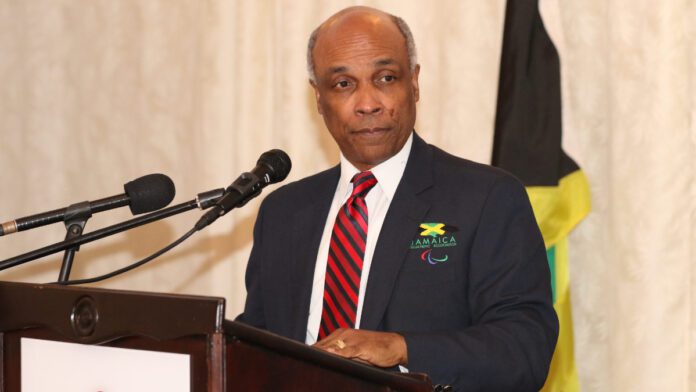
Samuda pushes for tri-partite JAdevelopment of para sports at Americas Paralympic Forum joa
Christopher Samuda

A pivotal chapter in Caribbean lacrosse history is set to unfold in Kingston next summer as the Jamaica Lacrosse Association prepares to host the Pan-American Men’s Lacrosse Championship from August 16-23, 2026.

The tournament, scheduled for Mico University College and Stadium East, will mark the first international lacrosse competition ever staged in both Jamaica and the wider Caribbean.

But the event represents far more than a historic hosting opportunity.

For Jamaica’s rising lacrosse program, it could become the gateway to the 2028 Summer Olympics, where the sport is poised to make a historic appearance on the Olympic stage.

JOA steps in again as costs rise

As the financial demands of international sport continue to intensify, national federations across Jamaica have increasingly relied on partnerships to sustain competition and host major events.

The Jamaica Olympic Association (JOA) has repeatedly played a central role in supporting those ambitions, helping member associations manage the mounting costs attached to international participation and event organization.

That support has again extended to Jamaica Lacrosse.

After assisting with the successful staging of the 2023 PALA Sixes Cup in Jamaica, the JOA has once more responded to the association’s request for financial assistance as preparations accelerate for next year’s championship and the country’s pursuit of Olympic qualification.

JOA President Christopher Samuda said the organization’s support reflects a broader philosophy of helping athletes and federations break through onto the world stage.

“They say history repeats itself. Well the JOA and the JLA can tell you that, for us, in sport that is a truism and the JOA will further tell you that it is a culture that we live in supporting the aspirations of the sportsmen and women and youth of our member associations and bringing them across thresholds towards the Olympic stage,” Samuda said.

Global powers to descend on Kingston

The championship is expected to deliver elite-level competition to Jamaican soil.

Among the teams expected to compete are international giants such as the United States men’s national lacrosse team, the Canada men’s national lacrosse team, and the Haudenosaunee Nationals, representatives of the Indigenous communities recognized as the creators of the sport.

With only limited qualification spots available, the pressure surrounding the tournament is expected to be intense.

Despite the formidable opposition awaiting them, Calbert Hutchinson believes Jamaica has earned its place among the region’s elite programs.

“Jamaica sits amongst the top lacrosse countries in the world and we have qualified both male and female teams at all levels in the sport and are a powerhouse in the Pan-American region,” Hutchinson said.

Still, he acknowledged the scale of the task ahead as Jamaica battles for one of only three available Olympic qualification positions.

“The road to the 2028 LA Olympics will be tough but highly possible for our rising stars. The JamLac team will be going up against the US and Canada within our region, amongst other countries, for only three allocated spots.”

“This has made the stakes very high but we are ready for the battle.”

Years of growth fuel Olympic belief

Jamaica’s confidence is rooted in a steady rise within the international lacrosse landscape.

The men’s national team achieved its highest-ever global ranking at the 2023 Men’s World Championship, finishing eighth overall.

The country’s Under-20 men’s team also made headlines in 2025 by reaching the quarterfinals after defeating Ireland 10-7 and overpowering New Zealand 18-6.

Meanwhile, Jamaica’s women’s program continued its own international development after competing at the 2024 Under-20 World Championship.

Together, those performances have strengthened belief that Jamaica can become a legitimate Olympic force as the sport prepares for its return to the Games.

“An August to remember”

For Samuda, the upcoming championship represents more than competition, it symbolizes Jamaica’s determination to leave a permanent mark on the international sporting landscape.

“We partner with our members to not only footprint regionally and globally but, importantly, to make their imprints indelibly in announcing their arrival on the world stage as of right and by virtue of merit,” he said.

“Lacrosse understands this, has bought into this vision and is on a mission.”

Then, reflecting on the significance of the tournament awaiting Kingston next August, Samuda added:

“It may not be a September to remember but I can tell you it will be an august August.”

As the countdown begins, Jamaica’s lacrosse program now stands within reach of a defining breakthrough, one capable of carrying the sport from regional promise to Olympic possibility.


Howard University to honor Jamaican-born Don Christian with President’s Medal of Achievement

Don Christian

Jamaican-born business leader and Howard University trustee Don Christian is to be conferred with the prestigious President’s Medal of Achievement at the university’s 158th Commencement Convocation on May 9, in recognition of his distinguished leadership, service, and longstanding contributions to the institution.

The honour, one of the university’s highest recognitions, will be presented during commencement exercises on Howard’s historic Yard before an audience expected to include some 3,000 graduating students and more than 15,000 family members, alumni, and guests.

In a formal invitation extended by Howard University President Emeritus Wayne A. I. Frederick, Christian was praised for a career spanning more than three decades at PwC, where he helped drive business transformation and technology adoption at the highest levels of global leadership.

“Your exemplary leadership and service reflect our enduring commitment to excellence in truth and service,” Frederick wrote, citing Christian’s professional accomplishments, his role as founding chairman of the Jamaica Howard University Affinity Network (JHUAN), and his ongoing contributions as a member of Howard’s Board of Trustees.

Christian, a Howard alumnus who earned a Bachelor of Business Administration in accounting in 1990, has served on the university’s Board of Trustees since 2018, including as a committee chair and executive committee member.

Now retired from PwC after a distinguished 36-year career, he served as a board member of both PwC International and PwC US, and held senior leadership roles as lead client partner, regional and market leader, and consulting partner, advising organizations in risk management, digital transformation, and technology adoption.

Beyond corporate leadership, Christian has remained deeply committed to expanding opportunities for students, particularly Jamaicans attending Howard. Through the Jamaica Howard University Affinity Network (JHUAN) Inc., which he founded, scholarships, mentorship, and other support have been provided to Jamaican students pursuing studies at the historic university. Howard officials said those efforts were among the key reasons for the recognition.

Christian has also been selected as the orator for Howard’s Charter Day Convocation, another significant honour highlighting his standing within the university community.

He has completed executive education at Harvard Business School, Carnegie Mellon University, and Massachusetts Institute of Technology.

Festivities surrounding the award will begin May 8 with a private reception and dinner honouring Christian and fellow recipients at the Four Seasons Hotel Washington DC in Georgetown.

The President’s Medal of Achievement is reserved for individuals whose lives and careers exemplify Howard University’s mission of excellence, truth, and service—a standard university leaders say Christian has embodied through professional distinction, philanthropy, and a steadfast commitment to education.

More than 500 Miami-Dade students earn degrees before high school graduation

Miami-Dade County Public Schools

More than 500 high school students in Miami-Dade County Public Schools have earned Associate in Arts degrees ahead of receiving their diplomas, underscoring the growing impact of dual enrollment programs and partnerships with higher education institutions.

The milestone, announced Wednesday in a release from school board member Roberto J. Alonso, highlights a long-standing collaboration between the district and Miami Dade College aimed at expanding access to college-level coursework for high school students.

“This is not just an accomplishment—it reflects what is possible when institutions work together with purpose,” said Alonso, who also serves as vice chair of the Miami Dade College Board of Trustees. “It’s about creating pathways, removing barriers, and giving students a head start on their future.”

Through dual enrollment and early college initiatives, students across the district are able to complete college-level courses while still in high school, significantly reducing both the time and cost required to earn a degree. Programs such as the School for Advanced Studies have been cited as national models for aligning K–12 and higher education systems.

Education leaders say the initiative is part of a broader push to rethink traditional academic timelines and better prepare students for college and careers.

“This is what the future of education should look like,” Alonso said. “A system where students are empowered to move at their own pace and graduate ready to lead.”

Alonso also credited teachers, administrators, and families for supporting students through the rigorous programs.

The achievement reflects a wider vision shared by both institutions to build a seamless K–20 education pipeline—one designed not only to increase graduation rates, but to equip students with the tools needed to succeed in a rapidly changing global economy.

How to use the Winbox web version on any device

Using the Winbox web version is among the most convenient solutions to playing casino games, without worrying about system compatibility, software upgrades or installation problems.

In 2026, it’s rare for anyone to play games on just one device. You might start playing on your smartphone on the way to work and then switch over to your tablet during lunch and your PC later in the day. So web-based services are increasingly popular.

Rather than installing software, you simply navigate to your browser, log onto your Winbox account and play straight away.

Here’s how the Winbox web version works, when to use it and how to access and play the game on various platforms.

What Is the Winbox Web Version?

The Winbox web version is, as the name implies, a browser-based version of Winbox, which allows you to play without downloading anything.

It’s all played within your web browser, and the user interface will adapt to your device.

How It Works

  • Launch a web browser (Chrome, Safari, Edge, etc.)
  • Enter the Web address for Winbox
  • Sign in to Winbox
  • Start playing instantly

What the Experience Looks Like

  • PC view: Multiple categories with panels and filters
  • Mobile view: Single panel with vertical scrolling and swipes

This adaptability is one of the main reasons players are shifting toward the Winbox web version.

Why Use the Winbox Web Version in 2026?

The main advantage is ease of use, with multi-platform flexibility and options.

Most online activity today happens on mobile devices, and people want quick and easy access. Many apps that need installing or setting up may lose some users early

Key Benefits

  • No setup required: No APK to install or iPhone setup required
  • Fast to start: Just open your browser and play
  • Use on multiple devices: Play with the same account on mobile, tablet and desktop
  • No need to update: It’s always up-to-date
  • Reduced risk of fake apps: No need to download APKs or unreliable apps

The web version is intuitive for people who are already used to the web. You can start quickly, it requires little to no set-up and can run across many different devices.

Who Should Use the Winbox Web Version?

The web version works for pretty much everyone, but it’s especially useful for some players.

Ideal Users

  • Users who use different devices: Maybe a tablet at work, computer at home
  • Apple users: No extensive setup steps needed
  • People with limited storage: Don’t require large apps
  • Casual players: Play without installation
  • Concerns about security: Can avoid downloading apps

Real Scenario Example

Someone logs in on a mobile device during their lunch break and then logs in on a desktop for a larger screen to play. The Winbox web version allows you to seamlessly switch devices.

When to Use the Winbox Web Version

Use the Web Version When

  • You want to use Winbox quickly and easily
  • You have access to a shared computer
  • Your app is out of date or not functioning
  • You want to avoid installation risks

Use the App When

  • You want slightly better performance
  • You play high intensity games often
  • You have a dedicated computer

Pro players use them interchangeably, depending on what the situation demands.

Where Can You Access the Winbox Web Version?

You can use the platform on any device that’s connected to the internet.

Supported Devices

  • Smartphones: Android and iOS browsers
  • Desktops and laptops: Windows and macOS
  • Tablets: iPad and Android tablets

Some Examples of Supported Browsers

  • Chrome
  • Safari
  • Edge
  • Firefox

Important: Domains may occasionally change or redirect, for example Winbox88MY4 to Winbox88MY6. Always confirm you are using the correct link before logging in. 

How to Use the Winbox Web Version

Step 1: Use a Secure Browser

Use Chrome, Safari or another up-to-date browser. Up-to-date browsers improve both speed and also security.

Step 2: Use the Official Winbox Web URL

Type it in manually, or use a reliable bookmark. Never click unknown links.

Step 3: Log into Your Winbox

Type in your username and password. Choose secure credentials and avoid storing them on public computers.

Step 4: Explore the Dashboard

After logging in, you’ll be presented with various game categories, promotions, and providers. Through this you can familiarise yourself with the layout.

Step 5: Start Playing

Select a casino provider like Pragmatic Play, PG Soft or JILI, set your stakes and start playing immediately.

Step 6: Log Out

Be sure to log out, particularly if you’re on a public computer.

How to Optimise for Performance

Although the web version is convenient, it also has performance limitations.

Mobile Optimisation

  • Have a reliable WiFi or 4G/5G connection
  • Close unnecessary apps to minimise lag
  • Avoid background downloads that consume bandwidth

Desktop Optimisation

  • Keep fewer tabs open to conserve resources
  • Regularly update your browser
  • Turn on hardware acceleration

Tablet Optimisation

  • Use landscape mode for better visibility
  • Treat it as a desktop-style experience for navigation

Troubleshooting Guide

Slow Loading

This usually occurs if you have poor internet or use too much data in the browser. This can be fixed by connecting to different networks, clearing all data or restarting the browser.

Login Issues

If you’re having trouble logging in, it is usually because you have entered the wrong password or the session has timed out. Make sure you input your information correctly, or refresh the session and try again.

Page Not Loading

If the page fails to load, this could be due to the domain being changed or browser compatibility issues. This can be resolved with a new browser or by checking the URL.

Gameplay Lag

Lag is often associated with your device or connectivity. Minimising distractions and browser clutter may help.

Cost Considerations

The Web version of Winbox is free, but there are other costs involved.

What You Might Spend On

  • Broadband data charges: Live video streams use more data than online casino games, generally
  • Casino spending: This depends on your gambling habits
  • Device limitations: Older machines may have difficulties with high-end graphics

For example, live dealer games can use significantly more bandwidth than standard slot gameplay, which can affect mobile data usage over time, especially if you play for long sessions. 

Web vs App Comparison

Feature Winbox Web Version Winbox App
Installation Not required Required
Accessibility Instant Requires setup
Performance Moderate Higher
Updates Automatic Manual
Storage usage None Uses device space
Compatibility Very high Device dependent

Security Best Practices

Security becomes more crucial when using a browser. Socially shared links can still be a source of phishing attacks and other forms of online fraud.

What To Do

  • Stick with official links: Always check the URL before you click
  • Use complex passwords: Letters, symbols and numbers
  • Don’t use public WiFi: Secure connections are best
  • Always log out: Particularly on public computers
  • Keep an eye on transactions: Check for suspicious logins

Just being vigilant and looking at the URL can avoid many problems.

Winbox Web: Game Availability

The Winbox web portal offers a variety of games including Slots, Roulette, Table Games, Poker, and so on, all directly within a web browser with no software or plug-in required. It’s similar to the app in terms of gameplay, offering easy provider and game type transitions.

Slots

  • Pragmatic Play: Well-known games such as Gates of Olympus, Sweet Bonanza, Starlight Princess
  • PG Soft (Pocket Games Soft): Mobile-optimised slots like Mahjong Ways, Lucky Neko
  • JILI: Quick-spinning, arcade-orientated slots and games
  • Spadegaming: Asia-focused slots with fishing and bonus-heavy mechanics

Slots generally load fast and are stable on the web, making them a great choice for mobile players or if you have a poor internet connection.

Live Casino

These will vary based on account/region, but many sites often feature some big-name live studios, including:

  • Evolution Gaming: Great live dealer tables with superior video quality
  • Playtech Live: Traditional table games with dealer chat
  • Pragmatic Play Live: Flexible tables with different levels of poker play

Live casino games are streamed, so you need a good internet connection. Performance on web is generally smooth if your connection is consistent.

Fishing Games

  • JILI Fishing: Basic gameplay and rapid-fire shooting
  • Spadegaming Fishing: Multiple targets and weapon shooter
  • CQ9 Fishing: Blending arcade and slot-machine gameplay

Fishing games remain highly popular among Southeast Asian players. The web version handles them well, though performance depends on device capability.

Table Games

For table games, lineups also differ, but typically offer some combination of:

  • Playtech: Variants of blackjack, roulette and baccarat
  • Evolution RNG: Web-based versions of table games
  • Local providers: Mostly baccarat and specialities

These games usually load faster than live streams and offer a more stable experience on slower connections.

Multi-Provider Access Advantage

One of the biggest features of the Winbox web version is how easily you can move between providers.

  • No downloads required when switching providers
  • No additional logins needed (once you’re already logged in)
  • Instant transitions between games

This makes it easy to explore different styles, test new games, or switch strategies mid-session without interruption. 

Practical Tip

For mobile or slow connections, start with slots or RNG-based table games before moving into live casino or fishing. These lighter options load faster and reduce the chance of lag. 

Promotions and Bonuses on the Web Version

The web version has access to pretty much every common promotion.

Common Offers

  • Welcome bonuses
  • Reload bonuses
  • Seasonal campaigns
  • Game-specific events

Certain campaigns may be tuned specifically for app customers, but most are accessible via the web browser.

Real-World Usage Scenario

Here’s an example player session:

  • Before work: Start the game on mobile, while on public transportation
  • Afternoon: Start a brief session on your tablet
  • Evening: Play the rest of the time on desktop

And the same login system regardless of device means no reinstalling when you switch devices. Whether you use Winbox login on the English interface, or Winbox网页版 in the Chinese interface, you can switch seamlessly and freely.

A Better Multi-Device Approach

The Winbox web version is now more than just another alternative. It is a nimble and dependable solution aimed at today’s multi-device gamers.

It eliminates the need to download and install an app, giving you immediate access to your game, while offering flexibility and control.

Frequently Asked Questions About Winbox Web Version Access

How Can I Safely Log Into The Winbox Web Version?

Only click on trusted links, check the URLs you are going to log into, and avoid suspicious sources. If you see anything suspicious, stop and think before acting.

Which Is Better, The Winbox Web Version Or The App?

They both have their advantages and disadvantages, so it depends on what you require. The web app is easier to access, but the app may run faster on your device.

Do I Need To Login With Different Accounts?

No, you can use the same Winbox account on your mobile, PC and tablet web browsers, as well as the app version.

Can I Play All Games On The Web Version?

Yes, all games are available on the web version. But not all features may work well on this version, so test and choose accordingly.

Why Is The Winbox Web Version Slow Sometimes?

It depends on your connection, web browser and computer performance. Check for adequate space, make sure you have a strong connection, and close any heavy background apps that may be running.

Do Promotions Work On The Web Version?

Yes, they are mostly available, though some may vary slightly compared to the app versions.

.

Two different perspectives on cannabis use in sports

Antigua to amend law to fine those who use marijuana in Public

At his 2021 Pro Football Hall of Fame enshrinement, legendary Detroit Lions wide receiver Calvin Johnson issued a direct challenge to the world of sports. He appealed to major leagues, college programs, and the International Olympic Committee to finally acknowledge the medicinal value of cannabis.

“It’s about time that we recognize the potential of phytomedicines — plant medicines — to aid and improve the mental health and quality of life for so many,” Johnson stated. “These plants, primitive in nature, provide an alternative to their destructive counterparts: opioids.”

A year before Johnson’s induction, the National Football League (NFL) significantly relaxed its drug policy regarding marijuana. The league reduced fines, eliminated suspensions for positive tests, and doubled the threshold of tetrahydrocannabinol (THC) allowed in a player’s system. Furthermore, the NFL is now funding clinical studies to determine if THC and cannabidiol (CBD) can serve as safer alternatives to opioids for treating chronic pain and the lingering effects of concussions.

Like the NFL, the National Basketball Association, Major League Baseball, and the National Hockey League have also dropped cannabis as a banned substance, as has the National Collegiate Athletic Association, although member schools can still prohibit its use. Athletes competing in Olympic trials and events, however, remain subject to testing for marijuana use.

Former college football standout Keith Davis views this shift through a more skeptical lens. While Davis understands that societal acceptance and medicinal appreciation have driven these policy changes, he worries about the trickle-down effect on younger generations. His primary concern is that increased tolerance in professional sports may embolden youth athletes to experiment with the substance prematurely and suffer health setbacks that could derail their aspirations to play at the next level. 

Davis’s caution is deeply personal. He grew up in an environment ravaged by substance abuse, losing his father to addiction and suicide while witnessing his mother’s struggle with alcoholism. However, Davis keeps an open mind about using cannabis to treat pain, having witnessed the drug’s efficacy firsthand when his mother battled cancer.

“My mother began to use cannabis in a way that, at the time, wasn’t really popular,” Davis recalls. “But it began to help her with her pain.”

While playing linebacker at the University of Southern California Trojans in the 1980s, Mr. Davis saw teammates get suspended for using marijuana or other substances, potentially hurting their chances to play in the NFL, a dream he pursued. 

After his attempt to make the New York Giants’ roster ended in a preseason injury, Mr. Davis went on to build a successful career as an entrepreneur and inspirational speaker, delivering more than 9,000 keynote addresses to audiences around the world. 

A frequent speaker at youth leadership conferences, he encourages young people to avoid substance use and live a clean lifestyle. He finds the current cannabis-vaping trend among youths quite distressing. 

“Especially with young high school players, a lot of them are into this vaping… and they don’t understand the dangers of vaping,” he says.

Mr. Davis shares a story of a young “phenomenal athlete” who unwittingly vaped marijuana laced with fentanyl. The young man suffered cardiac arrest followed by a stroke, leaving him unable to regain his athletic abilities.  

“I’ve seen some athletes who, because of the vape, have lung issues and all kinds of issues and can’t play anymore,” he offers as a cautionary tale.

Spurred by concerns over the dangers vaping poses, Florida A&M University’s Medical Marijuana Education and Research Initiative (MMERI) is developing a youth vaping education initiative that is preparing to launch soon.


To get involved or learn more, visit MMERI.FAMU.edu

Visit https://bit.ly/MMERIMarch2026 to watch MMERI’s Conversations on Cannabis Virtual Forum featuring Keith Davis discussing “Cannabis and Sports.”

Grenada strengthens Canadian tourism push with Toronto mission

Grenada Sign

The Grenada Tourism Authority (GTA) has wrapped up a high-level marketing mission in Toronto aimed at boosting arrivals from Canada, one of the destination’s key source markets.

The delegation, led by Chief Executive Officer Stacey Liburd, along with Director of Sales (Canada) Sekou Stroude and Marketing Executive Melinda Telesford, focused on strengthening partnerships with airlines, travel advisors, and media while positioning Grenada within the competitive luxury and leisure travel segments.

A major outcome of the mission was engagement with Canadian carrier WestJet, including discussions around extending its direct seasonal service to Grenada beyond the current December–April window to a longer November–May schedule. Talks with WestJet Vacations also explored expanding vacation packages to increase visibility and bookings.

“Our presence in Toronto reflects a deliberate and focused approach to strengthening Grenada’s position within the Canadian market,” Liburd said, noting that airline partnerships, trade outreach, and media exposure are central to driving sustained growth.

Grenada’s luxury appeal was also highlighted at Virtuoso On Tour Toronto 2026, where the team engaged more than 80 high-end travel advisors. The destination further showcased its offerings during a sponsored dinner featuring presentations, curated experiences, and prize giveaways from hotel partners including Calabash Grenada, Six Senses La Sagesse, and Silversands Grenada.

Media outreach formed another key pillar of the visit, with the GTA connecting with 20 journalists and influencers. The effort has already generated coverage, including a feature in Travelweek, with additional exposure expected. Liburd also appeared live on CHCH Morning Live, expanding the destination’s reach among Ontario viewers.

“Engagement across trade, media and airline partners continues to reinforce strong demand for Grenada within the Canadian market,” Stroude said, adding that the strengthened relationships are expected to drive both immediate bookings and long-term growth.

The mission also included targeted engagement with major travel agencies such as Flight Centre, U Travel, and Maritime Travel, as well as partnership discussions with Sandals Resorts for upcoming joint promotions in Canada.

In addition, collaboration with in-market partner VOX International pointed to strong campaign performance, with high engagement and conversion rates across ongoing initiatives.

The visit concluded with diplomatic engagement at the Grenada Consulate in Toronto, reinforcing alignment between tourism promotion and foreign service efforts as the island continues to expand its global footprint.

Sandals Foundation brings environmental learning to Caribbean students for Earth Day

Students of Chalky Hill Primary School receive an introduction to the resort’s natural landscape during a guided Earth Day mindfulness tour at Sandals Dunn’s River.

Students of Chalky Hill Primary School were among more than 300 children across nine Caribbean islands who stepped out of the classroom and into nature this Earth Day, as the Sandals Foundation rolled out a region-wide guided mindfulness program focused on environmental awareness and mental well-being.

The Jamaican leg of the initiative took place on the grounds of Sandals Dunn’s River Resort, where students participated in breathing exercises, nature walks, sensory observation, and guided discussions within the resort’s gardens. The experience aimed to deepen their connection to the natural environment while highlighting the role nature plays in supporting both physical and mental health.

A tranquil waterfall along the resort’s garden trail offered students a moment of reflection during
the guided mindfulness activity.

“By combining mindfulness with environmental education, we wanted to encourage students to slow down, be present, reflect, and appreciate the beauty of nature around them,” said Heidi Clarke, Executive Director at the Sandals Foundation. “We also wanted to share with students that sense of responsibility and power they each have to protect their community’s natural resources and the services those resources support.”

The program was coordinated by Sandals Foundation ambassadors and led by Ian Spencer, Regional Public Relations Manager, who described the response from students as overwhelmingly positive.

“The students responded with tremendous excitement, curiosity, and enthusiasm throughout the nature tour. Seeing them actively engage with the environment, ask thoughtful questions, and develop a greater appreciation for the importance of protecting our planet was truly inspiring,” Spencer said, noting the value of experiential learning in shaping environmentally conscious youth.

For student Othneil Gayle, the experience left a lasting impression. He said he learned “how important plants, animals, and clean water are to our world,” adding that the tour inspired him to help keep the environment clean and protected.

Principal Christine Badal McBean said the initiative underscored the importance of engaging students beyond the classroom.

“Earth Day is more than a celebration—it is a reminder that our children are the future guardians of our planet,” she said. “Experiences like these inspire young minds to become responsible, environmentally conscious citizens.”

Beyond Jamaica, students in Antigua, Barbados, St. Vincent and the Grenadines, Grenada, The Bahamas, Turks and Caicos Islands, Curaçao, and Jamaica visited national parks, mangrove forests, conservation areas, and Beaches Resorts gardens. The activities were designed to encourage a break from digital devices and promote mindfulness through direct interaction with nature.

The Earth Day initiative formed part of a broader environmental push by the foundation. On April 17, more than 40 team members from Sandals Ochi Beach Resort and the Jamaica Fire Brigade planted 300 trees in the Bogue II Forest Reserve. The effort marked the start of an islandwide commitment under the Forestry Department’s recently launched RE-LEAF programme, aimed at restoring degraded landscapes and strengthening natural barriers following the passage of Hurricane Melissa.

Across the Caribbean, the Sandals Foundation continues to expand its conservation work, having engaged more than 177,000 people in environmental education, planted over 28,000 trees, outplanted more than 38,000 corals, supported the safe hatching of over 221,000 sea turtles, and contributed to the protection of 23 marine and terrestrial areas.

Jamaican gov’t passes measure to tax Airbnb-style rentals starting 2027

Airbnbs in Jamaica
Airbnb In Montego Bay (Photo Credit: Airbnb)

The Jamaica House of Representatives has approved new tax measures that will impose General Consumption Tax (GCT) on short-term rental accommodations, including Airbnb-style properties, effective April 1, 2027.

The measure was passed in the early hours of Wednesday at the close of a marathon parliamentary sitting largely dominated by debate on the National Reconstruction and Resilience Authority (NaRRA) Bill.

Lawmakers gave the green light through the passage of the General Consumption Tax (Amendment of Schedules) Order, 2026, along with a related resolution under the GCT Act. The changes form part of the Government’s broader revenue measures for the 2026/27 financial year.

Finance Minister Fayval Williams said the adjustments are aimed at strengthening fiscal stability amid mounting expenditure pressures following Hurricane Melissa, while ensuring the Government can continue to fund essential services.

During the debate, Opposition Spokesman on Finance Julian Robinson sought confirmation that the amended provisions would apply to short-term rental operators such as Airbnb hosts.

Williams confirmed that they would, agreeing with Robinson’s assessment that the move effectively creates a new category of taxpayers. “This would, in effect, be a new category then that would be eligible to start paying tax as of April 1, 2027, because prior to this they would not have been captured in any form,” she said.

The decision marks a significant policy shift for Jamaica’s rapidly expanding short-term rental market, bringing it more directly into the tax net alongside traditional tourism operators. Large hotel operators have long raised concerns about the lack of regulatory parity with Airbnb-style accommodations.

The move is also expected to impact members of Jamaica’s diaspora, many of whom have invested in short-term rental properties across the island. While there is limited official data quantifying diaspora ownership in the sector, real estate and property management trends suggest a significant share of these properties are owned by Jamaicans living overseas, who often rely on local managers to operate Airbnb listings remotely. The tax change could therefore widen its reach beyond local hosts, affecting a global network of Jamaican property owners who have increasingly turned to short-term rentals as an investment and income stream.

The new measure comes alongside an announced increase in GCT on tourism activities, rising from 10 percent to 15 percent, also taking effect April 1, 2027.

Short-term rentals account for an estimated 20 percent of visitor experiences in Jamaica. The sector has grown rapidly in recent years, with the number of Airbnb guests rising from 59,500 in 2017 to more than 800,000 in 2024, generating over $32 billion in earnings for local property owners, according to data previously cited by then junior tourism minister Delano Seiveright.

Efforts to further regulate the sector have faced resistance. A Jamaica Tourist Board Bill tabled last summer, which proposed mandatory registration and licensing for most short-term rental operators, was stalled following pushback from some industry players. Tourism Minister Edmund Bartlett had framed the legislation as a move to modernise the sector and protect Jamaica’s tourism brand.

In addition to the short-term rental tax, the House also approved amendments to accommodate other previously announced revenue measures. These include increased taxes on alcoholic beverages and cigarettes, changes to motor vehicle duty concessions, and the introduction of a sugar-content-based tax on non-alcoholic sweetened beverages, set to take effect May 1, 2026.

The Government has positioned the package as part of a broader strategy to improve revenue mobilisation and respond to current economic challenges, particularly in the wake of Hurricane Melissa.

The resolution was approved by voice vote, with the Government using its majority to secure passage.

Red Force tighten grip as Harpy Eagles close in on another victory

Emrit urges Red Force to stay sharp amid Championship break

The Trinidad and Tobago Red Force stand one strong push away from victory at the Antigua Recreation Ground after seizing control of their West Indies Championship clash against the Leeward Islands Hurricanes heading into Wednesday’s final day.

Although the Hurricanes produced arguably their most spirited cricket of the tournament, they remain trapped in a battle for survival after being forced to follow on and then rocked again by the relentless pace of Anderson Phillip.

By stumps, the Hurricanes had crawled to 160 for 4 in their second innings, a fragile advantage of just 17 runs overall and far from safety.

Hurricanes fight back after mammoth Red Force total

The damage originated from Trinidad and Tobago’s towering first-innings declaration of 522 for 9, a total that placed enormous pressure on the home side from the outset.

To their credit, the Hurricanes responded with defiance.

Jahmar Hamilton counterattacked brilliantly with a blazing 121 from only 119 deliveries, unleashing nine sixes and nine boundaries in one of the most aggressive innings of the round.

At the other end, Karima Gore delivered a composed and elegant 90 from 98 balls, striking 16 fours as the Hurricanes attempted to climb back into contention.

Lower-order resistance from Rahkeem Cornwall, who added 38, and Cameron Pennyfeather, who contributed 29, pushed the innings to 345.

But the deficit remained too large.

Phillip finished with 4 for 92, while Terrance Hinds supported effectively with 3 for 49 as the Red Force enforced the follow-on.

Phillip tears through top order again

Any hopes of a stable second innings quickly unraveled once Phillip found rhythm with the new ball.

The fast bowler ripped through the top order, dismissing Kofi James for three, removing Gore for two, and sending back Mikyle Louis for 20.

The Hurricanes staggered to 55 for 3, once again facing collapse.

But Keacy Carty refused to surrender.

Carty steadied the innings with a 42-run partnership alongside Jewel Andrew before Andrew fell to Bryan Charles for 27.

Still, Carty continued to anchor the resistance.

Joined by captain Justin Greaves, he carried the Hurricanes safely through the closing stages in an unbroken 63-run stand that at least ensured Trinidad and Tobago will have to bat again.

Carty closed unbeaten on 84, while Phillip ended the day with figures of 3 for 30 in the second innings.

Chanderpaul rescues Harpy Eagles from trouble

Meanwhile, at the Coolidge Cricket Ground, defending champions Guyana Harpy Eagles moved into a commanding position against the Windward Islands Volcanoes despite surviving a dangerous middle-order collapse.

Resuming on 44 for 2 in their second innings, the Harpy Eagles soon found themselves under severe pressure as wickets tumbled around opener Tagenarine Chanderpaul.

The Volcanoes surged into control after removing captain Tevin Imlach for 32, Kemol Savory for 12, Keemo Paul for 11, and Richie Looknauth for one.

At 129 for 6, the defending champions were wobbling badly.

Then Chanderpaul took control.

Crucial partnerships shift the match

Displaying immense patience and discipline, Chanderpaul anchored the innings with an unbeaten 117 from 297 deliveries, an innings built on endurance as much as technical precision.

His most important alliance came with Gudakesh Motie, whose aggressive 53 from 66 balls transformed the momentum of the match.

Together, they added 91 runs that dragged the Harpy Eagles out of danger.

Even after Motie fell to Kavem Hodge, Chanderpaul continued accumulating alongside veteran spinner Veerasammy Permaul, who chipped in with 29.

Support from Shamar Joseph, who made 17, helped stretch the lead beyond the 300-run mark before Guyana were dismissed for 299.

The Volcanoes were set a demanding 318 for victory.

By the close, the Harpy Eagles had already struck an early blow, removing Ackeem Auguste as the Volcanoes stumbled to 17 for 1.

With one day remaining, both the Red Force and Harpy Eagles now stand firmly in command, each requiring only a final decisive effort to transform control into victory.