Home Blog Page 12

Why Caribbean Americans are choosing Sandals Resorts for the trips that matter most

Sandals Resorts

There is a particular feeling that comes over you when the plane begins its descent, and the island appears below, that unmistakable shoreline, the color of the water, the landscape that lived in your memory through every winter you spent far from it. For Caribbean Americans who grew up with one foot in the diaspora and another still planted in the soil of Jamaica, Antigua, St. Lucia, Barbados, or Grenada, returning home is never just a vacation. It is a reckoning with identity, a celebration of survival, a reconnection with the people and places that made you.

That is why, over the past several years, I have watched a growing number of Caribbean Americans make the same decision when it comes time for a milestone trip back to the islands: they choose Sandals resorts.

I have spent more than a decade staying at every Sandals and Beaches resort across the Caribbean and earning the brand’s highest credential, Sandals Chairman’s Royal Club Diamond Elite status. That firsthand experience is what Best Caribbean Resorts was built on. Rivage Travel, our advisory practice, has been recognized by Sandals as a Top US Travel Agency, and in all of that time, some of our most memorable clients are the ones we talk to who grew up in these islands, built their lives in South Florida, New York, Toronto, or Atlanta, and are now ready for a long-overdue trip back. These are people who spent years focused on building careers and raising families in cities where opportunity was plentiful. South Florida, especially, has long attracted Caribbean natives drawn to its diverse and growing economy, and who now have the time, the means, and the desire to finally make that trip home.

Among those, we’ve had the pleasure of working with a client from Florida who booked Sandals Royal Barbados for their 25th anniversary because one of them was raised in Christ Church. There was a family reunion that took place at Sandals Ochi in Jamaica because the grandparents met in St. Ann Parish, and we recently had a newlywed couple from Miami choose Sandals Grande St. Lucian in St. Lucia for their honeymoon because the bride’s mother always said that Castries was one of the most amazing places on earth. Travel Tip: We think so, too!

For our clients, these are not random resort selections. They are deeply considered choices to mark a moment in a life in a place that already holds meaning, and that is part of the joy we have as travel professionals.

What Sandals offers is something upscale and truly Caribbean, authentic. It’s something that took me years of firsthand experience to appreciate properly, and for 2026, the brand has invested in its home islands with the kind of seriousness that diaspora travelers tend to notice and respect. The resorts in Jamaica, Antigua, Barbados, St. Lucia, and Grenada are not interchangeable luxury boxes dropped onto a beach. They reflect distinct island character both in the food, in the architecture, in the staff, and even the vibe of the property.

For those trying to choose the right one, our Sandals resort comparison guide covers every Sandals property across the Caribbean with the kind of firsthand detail that matters before you commit, especially when those differences aren’t obvious from the resort websites alone. We understand that when you are returning to your family’s island for the first time in a decade, or for the first time ever as an adult, that distinction matters enormously.

There is also the practical reality that Sandals handles complexity gracefully. Milestone trips involve real logistics: multiple generations with different mobility needs, guests who have never traveled internationally, non-Caribbean spouses or partners who are experiencing the island for the first time. The all-inclusive model removes financial barriers, making a celebration something truly memorable. With everything included, these families can focus on each other and on the experience of being back in a place they love.

I have helped enough families plan these trips to know that the resort selection is often the easiest decision. The harder conversation is about which room level to book, during which season, with which promotion package to maximize both the experience and the value.

That is the conversation we have the experience to lead, and it is why Best Caribbean Resorts exists. We’re here to help Caribbean American travelers compare resorts across the islands and understand what each property is about before committing to a trip of this significance.

If your family is planning a return trip for a milestone that deserves more than a weekend, start with the island that already speaks to you. The resort that honors that homecoming is almost certainly waiting there.


Jonathan Patton holds Sandals Chairman’s Royal Club Diamond Elite status and is the founder of Rivage Travel and Best Caribbean Resorts. He has stayed at every Sandals and Beaches resort across the Caribbean and has been named a Top US Sandals Travel Agency. His resort comparison resource can be found at bestcaribbeanresorts.com/best-sandals-resort/


 

New York Senate passes bill expanding voting access for Haitian Creole speakers

New York State Senate Haitian Creole

The New York State Senate has passed new voting rights legislation aimed at expanding language access for Haitian Creole speakers under the John R. Lewis Voting Rights Act of New York.

The measure, sponsored by Caribbean-American Democratic State Senator Zellnor Myrie, also extends protections to New Yorkers of Middle Eastern and North African heritage.

Myrie, whose grandmother hailed from Jamaica, authored the 2022 voting rights law, which he has described as containing “the strongest voter protections of any state law in the country.”

Speaking on Thursday, April 30, Myrie said the latest legislation builds on that foundation at a time when voting rights face challenges across the United States.

“While voting rights are under attack across America, New York is fighting back,” he said. “This important bill builds on New York’s landmark Voting Rights Act by adding new protections for speakers of Haitian Creole and New Yorkers of Middle Eastern and North African descent.”

He thanked his Senate colleagues for supporting the expansion, noting that the law establishes protected classes of voters who can challenge instances of voter suppression or dilution in court.

Myrie also pointed out that the legislation has already been upheld by the New York Court of Appeals and was recently used by Latino voters in the Town of Newburgh to secure procedural changes aimed at ensuring fairer representation on the Town Board.

According to Myrie, more than 170,000 Haitian Creole speakers live in New York State, while over 300,000 residents identify as having Middle Eastern or North African ancestry.

The bill will now move to the New York State Assembly, where it is sponsored by Haitian-American Assembly Member Clyde Vanel, a Democrat representing Queens.

Myrie, a former chair of the Senate Elections Committee, has led multiple efforts to expand voter access in the state, including measures to establish early voting, introduce electronic poll books and increase access to absentee ballots. He also conducted statewide hearings and authored a 2021 report outlining more than 50 recommendations to improve the voting experience in New York.

SLB extends Debt Reset Programme to December 2026

Students’ Loan Bureau

The Students’ Loan Bureau (SLB) has extended its Debt Reset Programme to December 2026, giving borrowers additional time to regularize their loan accounts and access financial relief.

The initiative allows customers to enter structured repayment arrangements while benefiting from targeted concessions, including waivers on late fees, insurance charges, and interest arrears. It also offers incentives for borrowers who maintain good standing.

The programme was originally scheduled to run from December 1, 2025, to April 30, 2026.

Executive Director of the SLB, Nickeisha Walsh, said the extension comes in response to customer feedback indicating that many borrowers needed more time to clear significant arrears.

“Based on our customer feedback, they recognized that their arrears were large and, as such, they were not able to make the payments within the five-month period. We had customers with arrears of $2,000,000, $500,000 and $1,000,000. By extending the programme to December, we are providing more flexibility for them to make payments while enjoying the benefits,” Walsh told JIS News.

The programme is open to borrowers who accessed the Targeted Loan Facility.

“It is for those customers who had in-school moratorium and then went into repayment,” Walsh explained.

“It’s for those customers who are in good standing or in arrears. If you’re in good standing, you will get the benefit up to $100,000 on your loan balance. If you’re in arrears, you’ll get the opportunity to get 100 per cent waiver on insurance, 100 per cent waiver on late fees and 50 per cent waiver on your interest arrears,” she added.

To qualify as being in good standing, customers must be current on their loan repayments for at least one year and not more than 30 days past due.

Walsh emphasized that the benefits are not applied automatically and require customers to sign up through the SLB’s online platform.

“They would have to visit our website and click ‘Start Onboarding’. This is where customers will validate their information and log in. They can then select the Debt Reset option or access the portal at slbja.com to sign up for the benefit. If you have not signed on to the portal and applied, the benefit will not be applied automatically,” she said.

Customers who have already registered can enroll in the programme via the portal at debtreset.slbja.com, where they can choose to clear arrears and regularize payments or settle their loans in full.

More than 21,000 borrowers are currently eligible to participate in the SLB Debt Reset Programme.

Learn legal procedures in wrongful death lawsuits and legal assistance in Denver

lawyer personal injury claim

Grief after an unexpected loss brings emotional and financial strain that few families feel prepared to handle. Legal action may seem overwhelming during such a difficult time, yet it can provide a path toward accountability and financial stability. Clear knowledge of the process helps families approach each step with greater confidence.

A wrongful death lawsuit seeks justice when negligence or misconduct leads to a fatal outcome. Guidance from a qualified wrongful death lawyer Denver can help families interpret legal requirements and build a strong claim. Careful planning and informed decisions allow surviving relatives to focus on healing while pursuing rightful compensation.

Initial Steps in Filing a Wrongful Death Claim

Establishes Legal Grounds and Eligibility

The first stage involves determining who has the legal right to file the claim. State laws outline eligible parties, which may include spouses, children, or designated representatives. Legal professionals in Denver assess if negligence, recklessness, or intentional harm contributed to the death.

Proper documentation forms the backbone of any claim. Death certificates, medical reports, and accident records help establish a clear narrative. Early evaluation ensures that deadlines are met and the case proceeds without unnecessary delays.

Evidence Gathering and Building a Strong Case

Key Elements That Strengthen Claims:

  • Detailed medical records that outline injuries and treatment history.
  • Witness statements that support the sequence of events.
  • Expert testimony explaining liability and damages.
  • Financial documents that highlight lost income and expenses.

Each piece of evidence contributes to a cohesive argument. Attorneys in Denver organize these materials to demonstrate fault and quantify losses. Strong preparation increases the likelihood of a favorable outcome during negotiations or a trial.

The Lawsuit Filing and Court Procedures

What Families Can Expect During Litigation

Once sufficient evidence is gathered, the lawsuit is formally filed in court. The defendant receives notice and has an opportunity to respond, which begins the litigation process. Pre-trial procedures may include discovery, where both sides exchange information and examine evidence.

Court hearings and motions shape the direction of the case. Judges in Denver review arguments, address legal issues, and set timelines for trial if necessary. Legal representation ensures that procedural requirements are met with precision and professionalism.

Role of Legal Assistance Throughout the Process

How Attorneys Provide Comprehensive Support

  • Case evaluation to determine the strength and potential value of claims.
  • Communication with insurance companies and opposing counsel.
  • Strategic negotiation to pursue fair settlements.
  • Court representation to advocate for the family’s interests.

Support from a skilled wrongful death lawyer Denver allows families to focus on personal recovery. Legal professionals handle complex tasks while maintaining clear communication at every stage. This guidance reduces stress and helps families stay informed.

Compensation and Settlement Considerations

Types of Damages Available to Families

Wrongful death claims may include compensation for medical expenses, funeral costs, and lost future income. Emotional losses, such as loss of companionship and guidance, may also be considered. Each case presents unique circumstances that influence the final settlement.

Negotiations aim to reach a fair agreement without prolonged litigation. Some cases proceed to trial when disputes remain unresolved. Thoughtful legal strategy helps ensure that compensation reflects the full impact of the loss.

So, wrongful death lawsuits in Denver follow a structured legal path that demands careful attention and preparation. Professional legal support offers clarity, organization, and advocacy throughout each stage. Informed action helps families seek justice while securing financial stability for the future.


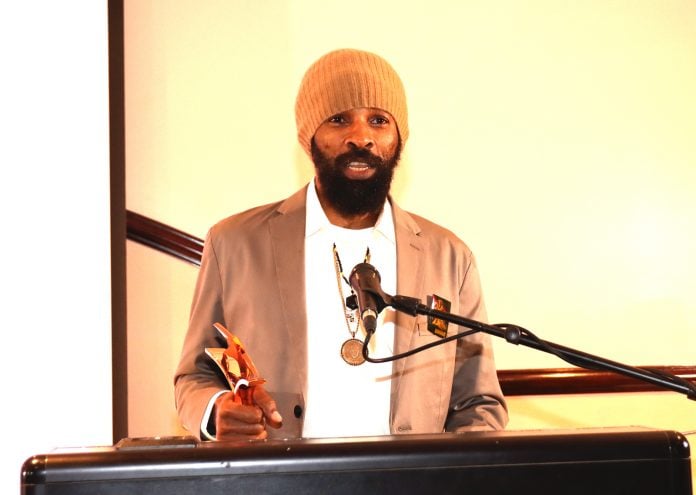
Spragga Benz to receive industry honor at IRAWMA 2026

spragga benz

Veteran dancehall deejay Spragga Benz is set to be celebrated for his impact on music and culture, having been named a recipient of a special honor at the upcoming International Reggae and World Music Awards.

The ceremony is scheduled for May 17 at the Lauderhill Performing Arts Center, where industry stakeholders, artists, and fans will gather to recognize excellence across reggae, dancehall, and world music.

According to organizers, the honor acknowledges Spragga Benz’s outstanding contributions to music and culture over a career spanning more than three decades. From his emergence in the 1990s to his continued relevance today, the deejay has remained a commanding presence in dancehall, known for his lyrical dexterity, versatility, and consistency.

In its citation, the International Reggae and World Music Awards highlighted that “beyond his music, Spragga has made a meaningful impact through acting, community engagement, and cultural advocacy,” noting that the recognition speaks to his longevity, influence, and unwavering dedication to preserving and elevating Caribbean music on the global stage.

Spragga Benz, born Carlton Grant, rose to prominence during dancehall’s golden era with a string of hits including Jack It Up, She Nuh Ready Yet, No Cater, and Dolly House. Over the years, he has successfully bridged the gap between hardcore dancehall and crossover appeal, collaborating with international acts and expanding his reach beyond Jamaica. His talents have also extended into film, most notably with his role in the cult classic Shottas.

The International Reggae and World Music Awards, founded in 1982, is widely regarded as one of the most important award platforms dedicated to reggae and world music. Over the years, it has honored some of the genre’s most influential figures, playing a critical role in recognizing Caribbean talent on the international stage and preserving the legacy of the music.

Spragga Benz’s recognition this year places him among a distinguished list of artists whose contributions have helped shape the sound and direction of Caribbean music globally.

As anticipation builds for the May 17 ceremony, the honor stands as a fitting tribute to a career defined by resilience, pride, and commitment to the art form.

What to do after a head-on collision in Durham: Don’t miss these steps

lawyer

The time it may take to hit each other may be seconds, yet the collision brings a long-lasting effect. Such accidents are usually severe with individuals having injuries, broken cars and in a lot of confusion on the way forward. The shock of the crash can also result in difficulty in acting immediately. You can be excused to be shaken and unsure in case you have been in one. However, what you do after the accident may factor largely in how you recover and what becomes of you in the future. Talking to a Durham head-on collision lawyer can also assist you in knowing better about your choices as you concentrate on bouncing back on your feet.

The following is a must-do list of the important things you need to know when you have been involved in a head on collision.

Seek Medical Attention Immediately

Self care first. Although you are not feeling ill, after an accident, seek a medical practitioner to have yourself examined.

Some injuries don’t show up right away. The symptoms may take hours or days to show up, although you may also feel okay initially due to adrenaline. This is particularly in the case of internal wounds, or head injuries. This is because early medical attention will help in catching any underlying injuries.

It also leaves behind an account of your state, following the accident. This may come in handy when you have to demonstrate the impact of the crash on you.

Adhere to your doctor and see all the advised visits. Missing treatment may impair your healing process and this may be brought into question later on. Regular therapy demonstrates a commitment to your recovery.

Take Documents of the Scene and Your Injuries

Assuming that you are in a position to, work as much information as you can on the scene. This can assist you in knowing what occurred and facilitate your argument in case of necessity.

Take photos of:

  • Vehicle damage
  • Road conditions
  • Traffic signs or signals
  • Any visible injuries

Otherwise, gather contact information of the other driver and witnesses. Such information can be significant in the future. Where possible, also take the time, place, and weather conditions.

In case of law enforcement, ensure that a report is given. An official account of the accident can be issued in a police report.

These little things are important. The better the information you possess the better place you are to know what is going on. This can be helpful when explaining what has happened later on.

Take Caution When Dealing with Insurance Companies

Insurance companies may call you after you have been involved in an accident. They can request a statement or may make an offer of a fast settlement. It’s important to be careful. As beneficial as it appears, they aim at capping their payments.

Avoid giving detailed statements right away, especially if you’re still unsure about your injuries. Something that you say in early years can be referred to in the future. Even simple answers can be misinterpreted or misread.

Spend time to determine what is going on with you. There is no need to be in a hurry to take an offer unless you are aware of the full repercussions of the accident.

Staying safe may mean not making decisions that will impact you in the future. Nothing is ever better than being convinced than rushing into something that is too fast.

The Important Actions To Take After the Crash

After a head on collision, there are a couple of things that you can do to save your own life and circumstances.

  • Stay at the scene and make sure everyone is also safe.
  • Get medical attention right away.
  • Take photos and gather information.
  • Keep all medical and repair records.
  • Avoid discussing the accident on social media.
  • Follow up on the treatment and recovery.

These measures are not that difficult, however, they can allow you to remain organized and prepared. They also prevent losing some vital information that might be of significance at a later time. They are also useful in making a clear documentation of what has occurred as well as the impact of the accident on you.

Conclusion

Head-on collisions can leave you with physical, emotional and financial problems. No one can plan it and it can be overwhelming at the time. It is normal to move at your own pace and recovery might require time.

Acting the right way after the accident is that which may make you remain in control of the situation. Pay attention to your health, get valuable details, and be cautious of any choices that can impact you in the future.

You need not go through this by yourself. You may need advice or just be more familiar with what is available to do or not do, and you can get both knowledge and encouragement to take the next step at Presley and Presley trial lawyers.

Why these things to do in Kangerlussuaq will change your life

Kangerlussuaq

Imagine trading your warm sea breeze and the turquoise shimmer of the Caribbean for a landscape so vast and so silent that it makes you question everything you thought you knew about the planet. No palm trees. No steel pan music drifting from the beach. Just an ocean of ancient ice stretching to the horizon, a sky blazing green at midnight, and the distant thunder of a glacier calving into the void.

That is Kangerlussuaq, Greenland — and it is, without exaggeration, one of the most life-altering places on Earth.

For those of us raised under tropical skies, the Arctic feels like another planet. But that’s exactly the point. When you stand on ice that is 100,000 years old, something inside you shifts permanently. The scale of the natural world reasserts itself. The noise of everyday life falls away. You come back different — and you come back grateful.

Here is what awaits you at the edge of the world.

1. Standing on the Edge of the Greenland Ice Sheet

A Journey to Point 660

To stand atop the Greenland Ice Sheet is to witness the pulse of the planet. For many travelers, especially those accustomed to the tropical climates of the south, the vast, silent expanse of the eternal ice is almost spiritual in its magnitude. Navigating such a remote destination requires expert logistics, and many international explorers find that visiting https://nordicsaga.com provides the necessary clarity and support to turn this ambitious dream into a reality. Walking on ice that is thousands of years old isn’t just a sightseeing trip — it’s a profound encounter with Earth’s history.

Point 660 — named for its elevation — is accessible by snowcat or ski from Kangerlussuaq. The moment you step out onto the sheet and see nothing but white in every direction, you understand why explorers have been drawn here for centuries.

2. The Majestic Russell Glacier: Nature’s Ice Wall

Witnessing the Power of Glacial Calving

The Russell Glacier rises 60 meters above the tundra like a fortress wall built by the planet itself. The ice glows in shades of deep cobalt and crystalline white that no photograph fully captures. Then comes the sound — a low, rolling crack that builds into something like thunder — as a section of ice breaks free and crashes forward.

For someone accustomed to the soft drama of ocean waves, this is a different category of spectacle entirely. Raw, ancient, and humbling in the most beautiful way possible.

3. Wildlife Safaris: Meeting the Prehistoric Musk Oxen

A Glimpse into the Ice Age

Kangerlussuaq is the single best place in all of Greenland to encounter musk oxen — woolly, prehistoric-looking giants that have roamed the Arctic tundra since the last Ice Age. Their thick coats hang to the ground. Their curved horns sweep wide. And they regard you with a calm, ancient dignity that feels like a message from deep time.

Alongside the musk oxen, the tundra reveals reindeer picking across the scrub and Arctic foxes darting between the rocks. It’s a wildlife experience that rivals any safari — just colder, quieter, and somehow more profound.

4. The Northern Lights: A Celestial Dance

Why Kangerlussuaq is the “Aurora Capital”

With approximately 300 clear-sky nights per year, Kangerlussuaq is one of the most reliable aurora viewing destinations on the planet. And for those who have grown up watching the Caribbean sky — vivid sunsets, stars so thick they seem overcrowded — the Northern Lights deliver something altogether different.

The green ribbons unfurl slowly, then surge. They fold and ripple across the darkness like something alive. Sometimes violet edges appear. Occasionally, red. The silence underneath them is absolute. If a Caribbean sunset is a celebration, the aurora is a cathedral.

5. Arctic Hiking: The Silence of the Tundra

Finding Peace in the Pathless Wilderness

There are more glaciers in the Kangerlussuaq region than there are roads. Hiking here is a meditative act — each step deliberate, each ridge revealing a view that belongs entirely to you. The tundra flora is low and ancient: Arctic willow, moss campion, saxifrage clinging to the rocks in defiant blooms of color.

For anyone who has never truly unplugged — no signal, no noise, no crowd — the psychological reset that comes from a day on the tundra is worth the journey alone.

6. Dog Sledding: The Ancient Rhythm of Travel

Beyond Modernity on a Sledge

Long before snowmobiles, the Inuit moved across this frozen world by dog sled — and that tradition lives on in Kangerlussuaq with a vitality that is anything but nostalgic. The relationship between musher and dogs is one of trust built through daily life, not performance.

When the team surges forward across a frozen fjord and the runners find their rhythm, you understand something about human endurance and ingenuity that no history book quite conveys. It’s thrilling. It’s peaceful. It’s both at once.

7. The Taste of the North: Arctic Gastronomy

From Greenlandic Halibut to Reindeer Carpaccio

The food of Kangerlussuaq tells the story of a people who learned to thrive where survival itself is an art. Greenlandic halibut, pulled from icy waters and served simply, carries a depth of flavor that puts most fish dishes to shame. Reindeer carpaccio arrives thin and earthy. Musk ox stew warms you from the inside out.

For a palate shaped by jerk seasoning and fresh mango, this is a culinary adventure as exotic as the landscape itself — and just as unforgettable.

Returning Home Changed

You will come back from Kangerlussuaq with more than photographs. You will come back with a recalibrated sense of what the world is capable of — how immense, how ancient, how staggeringly beautiful it remains beneath the noise of modern life.

The cold of Greenland, paradoxically, warms something deep inside. It strips away the inessential and leaves you with clarity.

Step out of your comfort zone. Go somewhere that genuinely surprises you. The Arctic is not the opposite of home — it is the completion of it.

Kangerlussuaq is waiting. And it will change you.

Reggae giants, dancehall stars set to ignite Miami for Best of the Best 2026

Best of the Best 2026

The 20th annual Best of the Best Music Fest is gearing up for a major return this Memorial Day weekend, with organisers promising a high-impact showcase of reggae and dancehall that blends legacy acts with today’s chart-toppers.

Set for Sunday, May 24, 2026, at Museum Park, this year’s staging signals a notable shift for the long-running festival, introducing a new venue while maintaining its reputation for delivering top-tier Caribbean entertainment.

Leading the lineup are reggae heavyweights Sizzla, Beenie Man, Capleton and Tarrus Riley—artists whose catalogues have defined generations and whose presence underscores the festival’s continued emphasis on quality and cultural authenticity.

Balancing the bill is a strong contingent of contemporary dancehall talent, including 450, Tifa, Skeng and Kraff. Their inclusion reflects the genre’s current momentum and ensures a steady pulse of high-energy performances throughout the event.

Over two decades, Best of the Best has cemented its place as one of North America’s premier Caribbean music festivals, drawing thousands of patrons annually from across the diaspora and beyond. Its formula—pairing established icons with emerging acts—has consistently delivered standout moments, from career-defining performances to breakthrough sets that introduce new talent to wider audiences.

Last year’s staging reinforced that legacy, with a strong turnout and a lineup that seamlessly blended nostalgia with contemporary hits. Organisers say the 2026 edition is designed to build on that momentum while enhancing the overall patron experience.

The move to Museum Park is expected to play a key role in that evolution. Located along Miami’s waterfront, the venue offers a more expansive layout, increased capacity, and upgraded production potential. Organisers are also aiming to create a more immersive festival environment, with improved crowd flow and enhanced amenities.

Beyond the performances, Best of the Best continues to serve as a cultural touchpoint, celebrating Caribbean identity through music and shared experience. From roots reggae to modern dancehall, the festival highlights the diversity and global reach of the region’s sound.

With a powerhouse lineup, a refreshed venue, and 20 years of brand equity behind it, organisers and fans alike are anticipating one of the most memorable stagings yet. As Memorial Day weekend approaches, Miami is once again set to become the epicentre of Caribbean music culture.

Cuban national dies in ICE custody at Georgia detention center

Florida's New Laws Impose Harsher Penalties for Crimes Committed by Undocumented Immigrants

A 33-year-old Cuban national, identified as Denny Adan Gonzalez, died on April 28 while in the custody of U.S. Immigration and Customs Enforcement (ICE) at the Stewart Detention Center in Georgia. Authorities say the suspected cause of death is suicide, though the official cause remains under investigation.

According to ICE, Gonzalez was found unresponsive in his cell at approximately 10:25 p.m. by staff employed by CoreCivic, which operates the facility. Emergency procedures were immediately initiated, including CPR, before Webster County Emergency Medical Services arrived and continued resuscitation efforts. Gonzalez was pronounced dead at 11:11 p.m.

ICE said it notified the U.S. Department of Homeland Security, the DHS Office of Inspector General, and the ICE Office of Professional Responsibility following the incident. The Embassy of Cuba was also informed, along with Gonzalez’s next of kin, in accordance with established protocols.

Gonzalez first entered the United States near Hidalgo, Texas, in May 2019, where he was apprehended by U.S. Customs and Border Protection and deemed inadmissible. After undergoing a credible fear screening by U.S. Citizenship and Immigration Services, he was issued a Notice to Appear and ordered removed to Cuba by an immigration judge in December 2019. He was deported in January 2020.

Authorities said Gonzalez later re-entered the United States unlawfully and was encountered by U.S. Border Patrol in El Paso, Texas, in April 2022. He was subsequently released under an order of supervision and reported regularly to ICE in Charlotte, North Carolina, until September 2025.

On December 12, 2025, Gonzalez was arrested by the Mecklenburg County Sheriff’s Office in Charlotte on charges of assault on a female and domestic violence. ICE lodged a detainer, and he was transferred to the Stewart Detention Center in January 2026, where officials said he was undergoing immigration proceedings.

ICE stated that individuals in its custody receive medical, dental, and mental health screenings within 12 hours of arrival, followed by a full health assessment within 14 days, as well as access to ongoing care and 24-hour emergency services.

Under federal requirements outlined in the DHS Appropriations Act of 2018, ICE must report all in-custody deaths to Congress and make details publicly available within 90 days. The agency said such notifications have been initiated and that further updates will be provided as the investigation continues.

ICE maintains that it is committed to ensuring safe, secure, and humane conditions for all individuals in its custody.

Bahamas government defends use of US lobbyists

Climate change leaves the Bahamas with huge debt, country seeks help
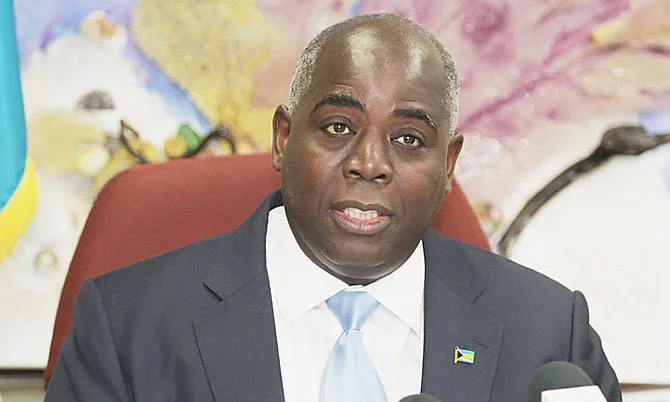
Bahamas Prime Minister Philip Davis.

The Office of the Prime Minister (OPM) has defended the government’s use of United States-based public affairs advisers following a report detailing lobbying arrangements valued at US$120,000 involving figures linked to the U.S. government.

In a statement issued Friday, the OPM said engaging such advisers is a routine and transparent practice used by governments worldwide to ensure their interests are represented in Washington.

“Retaining advisers of this kind is a standard, transparent way for governments of all sizes to ensure their perspectives are heard at the highest levels in US policy debates,” the statement said.

“The United States is our country’s closest and most consequential partner. Decisions made in Washington affect our economy, border security, migration, financial services, tourism, investment, and national security,” it added.

The response follows a report by Miami Herald which stated that the Davis administration engaged conservative lobbyist Roger Stone and political commentator Coreco CJ Pearson on monthly retainers of US$100,000 and US$20,000, respectively. The arrangements were disclosed in filings with the US Department of Justice.

According to the report, both advisers were registered under the Foreign Agents Registration Act (FARA), which mandates transparency for individuals lobbying on behalf of foreign governments.

Without directly addressing the individuals named, the OPM said the role of its advisers is to “represent Bahamian interests with policymakers, media, and key stakeholders inside the United States,” including advocacy on economic policy, border security, tourism, and national security matters.

The government also noted that more than 500 foreign advisers are registered under FARA, representing countries around the world, including several in the Caribbean.

The Miami Herald report linked the lobbying efforts to broader geopolitical concerns, including US scrutiny of Chinese-backed development projects in The Bahamas.

“Ensuring that Bahamian interests are represented by advocates positioned to make a difference is an important responsibility of government,” the OPM said.

“The Government of The Bahamas will continue to take every reasonable step to ensure that Bahamian interests are represented wherever decisions affecting our country are made,” the statement added.

Princess Sarah Zeid of Jordan urges global responsibility during Haiti mission

Haiti Princess Sarah Zeid

Princess Sarah Zeid of Jordan, Senior Special Advisor to the World Food Programme (WFP), has called for stronger international action to support Haiti’s most vulnerable populations, concluding a four-day humanitarian mission to the country on Thursday, April 30, 2026.

Speaking at a press conference in Port-au-Prince at the end of her April 27–30 visit, Princess Sarah said she was leaving Haiti with “mixed feelings,” describing both admiration for the resilience of its people and deep concern over worsening humanitarian conditions.

“I leave with mixed feelings of admiration, as I discovered a magnificent country and the determination of the Haitian people to overcome the terrible conditions they face, who refuse to give up despite the conflict,” she said. “But also with a profound sense of anger, and deep indignation at so many forgotten women and children, whose voices are not heard and who do not receive the services and care they need.”

She pledged to use her international platform to advocate for increased global support, stressing that addressing the crisis is a shared obligation.

“This is a collective responsibility… It is everyone’s responsibility to fight against the cruelty we are witnessing in order to guarantee the well-being of each of these populations,” she added.

During her visit, Princess Sarah toured La Paix University Hospital, the main public referral facility serving the Port-au-Prince metropolitan area. Despite widespread disruptions in Haiti’s healthcare system due to ongoing instability, the hospital continues to operate as one of the few major institutions still providing consistent care.

She met with medical staff and visited the emergency and pediatric departments, praising the resilience of healthcare workers operating under severe constraints.

“There is a shortage of beds, but the staff has never faltered; they are always available to support the population in need,” she said, noting that the facility serves more than two million people.

Hospital teams continue to provide essential services despite the closure or partial shutdown of numerous other healthcare facilities in the capital region, where access to care remains severely limited amid a prolonged security and humanitarian crisis.

Princess Sarah was accompanied during the visit by representatives of the Pan American Health Organization/World Health Organization (PAHO/WHO), the World Food Programme (WFP) in Haiti, the European Union delegation in Haiti, and the United Nations Resident Coordinator.

Her visit underscores growing international concern over Haiti’s deteriorating humanitarian situation and renewed calls for coordinated global action to support health services, food security, and protection for vulnerable communities.

JLP pays tribute to former Deputy Treasurer Leslie Campbell following his passing

Leslie Campbell

The Jamaica Labour Party (JLP) is mourning the death of its former deputy treasurer Leslie Campbell, describing him as a dedicated public servant and a man of strong character who contributed significantly to both party and country.

Campbell died on Sunday morning after battling illness.

JLP General Secretary Dr. Horace Chang led the tributes, saying Campbell was, above all, known for his decency and willingness to assist others.

“The Jamaica Labour Party deeply regrets Leslie’s passing. We send our condolences to his family, friends, and colleagues in the various areas of national life where he served,” Chang said in a statement. “We thank Leslie’s family for allowing him to give service to his Party and country and join them in this period of much bereavement.”

Chang also highlighted Campbell’s long record of public service, noting his roles within both political and legal spheres.

“Leslie served our Party well as Deputy Treasurer and was our successful candidate in North East St Catherine where he represented as Member of Parliament,” he said. “He was also a former Cabinet Minister, State Minister, and Senator, and a competent attorney-at-law. We are appreciative of his service and we will miss him.”

Campbell served in Jamaica’s Senate and previously held the post of Minister of State in the Ministry of Foreign Affairs and Foreign Trade. He was also elected Member of Parliament for North East St. Catherine during his political career.

Prime Minister Andrew Holness also expressed condolences, describing Campbell as a committed and steady presence in public life.

“It is with deep sadness that I note the passing of Leslie Campbell… a man who gave dedicated service to Jamaica,” Holness wrote. “He demonstrated a steady commitment to service, approaching his responsibilities with discipline, focus, and a clear sense of purpose.”

Holness added that Campbell will be remembered not only for his public service roles but also for his character and reliability.

“We will remember both his work in public office, as well as his character, his willingness to contribute wherever he was needed. He was a consistent presence in the service of his country,” the Prime Minister said.

Condolences have been pouring in from colleagues across the political landscape as Jamaica reflects on Campbell’s decades of service in law, politics, and governance.

Spirit Airlines shutdown not expected to disrupt Jamaica tourism sector

Edmund-Bartlett-Jamaica-Tourism-Restart-Recovery-Task-Force
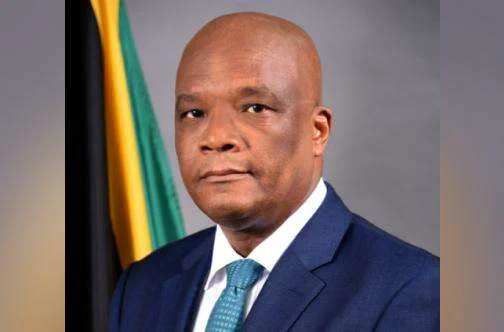
Ed Bartlett, Jamaica's Minister of Tourism

The cessation of flights by United States budget carrier Spirit Airlines is not expected to significantly impact Jamaica’s tourism sector, according to Tourism Minister Edmund Bartlett.

Bartlett said the airline accounted for a relatively small share of the island’s air traffic and that other carriers are expected to absorb the affected passenger demand.

“Spirit represents just under three per cent of passenger load, a projected about 30,000 to 40,000 seats for the summer,” Bartlett said. “But Spirit flies out of Fort Lauderdale, which is very well served by other airlines, so we anticipate that they will pick up the passenger load that Spirit was projected to move.”

The minister added that the last scheduled Spirit Airlines flight out of Jamaica was expected on Tuesday, and that discussions have already been held with hotel partners to support stranded passengers while they make alternative travel arrangements.

Spirit Airlines began winding down operations early Saturday after negotiations for a reported US$500 million bailout by the Trump administration collapsed. The shutdown has affected approximately 1,500 employees, while thousands of passengers booked on the low-cost carrier have been left scrambling to rebook flights from destinations across its network.

Bartlett noted that Jamaica is closely monitoring developments in the global aviation sector, pointing to ongoing geopolitical and economic uncertainties that continue to shape airline operations and travel demand.

“We are watching the aviation industry very carefully given the current global geopolitical situation,” he said.

Tourism officials say they remain confident that Jamaica’s airlift capacity will remain stable in the short term, with partner airlines expected to adjust schedules and capacity to meet demand previously served by Spirit.

Jamaica shatters history in Botswana with first-ever sub-40 mixed relay

World Athletics Relays Jamaica

The roar inside the stadium in Gaborone rose with every exchange, every stride, every surge down the track.

By the time the baton crossed the finish line, Jamaica had done more than win a race, they had broken through a barrier no nation had ever conquered.

On Saturday’s opening day of the World Athletics Relays in Botswana, Jamaica became the first country in history to run under 40 seconds in the mixed 4x100m relay, storming to a breathtaking world-record time of 39.99 seconds.

The historic quartet of Tia Clayton, Tina Clayton, Ackeem Blake, and Kadrian Goldson delivered the landmark performance in heat three, combining blistering speed with razor-sharp baton exchanges to etch their names into global track and field history.

Their performance eclipsed the previous world record of 40.07 seconds, which Canada had established only minutes earlier in heat one, turning what had already seemed extraordinary into something unforgettable.

Behind Jamaica, Great Britain clocked 40.72 seconds for second place while Australia followed in 40.78 seconds, but the race belonged entirely to the black, green, and gold.

The victory carried significance beyond the record books. Jamaica’s triumph secured passage to the event final and also guaranteed qualification for the 2027 World Athletics Championships in Beijing.

The Clayton twins ignite Jamaica’s charge

From the opening leg, Jamaica looked determined to make a statement.

Ackeem Blake exploded from the blocks with characteristic aggression before handing off to Tia Clayton, whose smooth acceleration kept Jamaica firmly ahead of the field. Kadrian Goldson maintained the momentum on the curve before Tina Clayton powered home to complete the historic run.

The chemistry among the quartet appeared effortless, but the result was the product of precision under pressure. Every exchange mattered. Every fraction of a second counted. Jamaica found perfection when it mattered most.

And in doing so, they transformed a preliminary heat into one of the defining moments of the championships.

Jamaican women stamp their authority

The country’s dominance continued in the women’s 4x100m relay, where Jamaica once again announced itself as the team to beat.

The quartet of Shericka Jackson, Jodean Williams, Lavanya Williams, and Jonielle Smith surged to a season’s best 41.96 seconds to comfortably win heat three and advance to the final with the fastest qualifying time overall.

Germany finished second in 42.44 seconds while Portugal followed in 43.11 seconds.

Spain emerged as the next-fastest qualifier after taking heat one in 42.26 seconds, with Canada close behind at 42.39 seconds.

For Jamaica, the performance reinforced the nation’s enduring sprint legacy. With Jackson bringing world-class experience and the supporting cast delivering clean transitions and explosive pace, the team looked polished and dangerous heading into the final.

Mixed 4x400m team delivers another qualification triumph

Jamaica also secured another important breakthrough in the mixed 4x400m relay, earning qualification for the 2027 World Championships with an authoritative victory in heat two.

Deandre Watkin, Shana-Kaye Anderson, Antonio Watson, and Rushell Clayton combined for a winning time of 3:11.68 minutes, holding off Poland, which finished second in 3:13.00 minutes, and Nigeria, third in 3:13.12 minutes.

While Jamaica controlled its heat impressively, Great Britain delivered the standout performance of the event, producing a world-leading 3:06.69 minutes in heat three. The United States followed closely with 3:09.82 minutes from heat one.

Still, Jamaica’s mission was accomplished: another final secured and another World Championship qualification stamped.

Triumph mixed with frustration

Yet amid the celebrations and record-breaking performances, the opening day also exposed areas of concern for the Jamaicans.

Several traditional powerhouse relay teams failed to secure automatic qualification, leaving the nation facing pressure-filled repechage races.

The men’s 4x100m team endured a difficult outing, especially in the absence of reigning world champion Oblique Seville and world silver medalist Kishane Thompson.

Without their marquee stars, the quartet of Rohan Watson, Odaine McPherson, Adrian Kerr, and Rasheed Foster battled gamely but finished fourth in heat two in 38.08 seconds, outside the automatic qualifying positions.

Canada dominated the race in 37.56 seconds, followed by Germany in 37.67 seconds and Australia in 37.87 seconds.

Quarter-milers left searching for answers

The disappointment continued in the men’s 4x400m relay.

Assinie Wilson, Jevaughn Powell, Jeremy Bembridge, and Reheem Hayles struggled to keep pace with the leading teams and crossed the line fifth in heat one with a time of 3:00.48 minutes, missing qualification.

The women’s 4x400m relay squad also suffered a setback.

Andrenette Knight, Leah Anderson, Janielle Josephs, and Shiann Salmon clocked 3:27.19 minutes to finish fifth in heat one, leaving their hopes of advancement hanging in the balance.

Despite the setbacks, Jamaica’s campaign remains very much alive.

All three disappointed relay squads will return for the repechage round, where another opportunity for qualification awaits on Sunday’s second day.


Caribbean City brings back the 2000s with ‘2K Reloaded’ nightlife experience

Caribbean City

Organizers of Caribbean City are gearing up for another high-energy staging, promising a nostalgic yet elevated experience aimed at reviving the sounds and style of the early 2000s.

Set for Saturday, May 16 at DAER Nightclub inside the Seminole Hard Rock Hotel & Casino, the upcoming edition—titled “2K Reloaded: Best of the 2000s”—is already generating strong interest among partygoers across South Florida’s Caribbean diaspora.

Caribbean City has built a reputation as a leading party brand known for its immersive events rooted in Caribbean culture. Previous stagings have drawn large crowds, with organizers emphasizing a commitment to authentic sounds and a premium nightlife experience.

“Caribbean music is not something we pretend to play… we bring the authentic Caribbean vibes to our events, from soca to dancehall—we play it all,” organizers said.

The May 16 event will lean heavily into nostalgia, inviting patrons to revisit an era defined by chart-topping dancehall, soca, reggae, Afrobeats, R&B and pop hits. Organizers say the goal is to recreate a time when “every track was a singalong and every party felt like a movie.”

The night’s soundtrack will be delivered by a lineup of DJs, including Code Red featuring ZJ Rush and DJ Lank, alongside DJ Fergie, DJ Yung Chow of HOT 97, and Ironheart Sound.

Beyond the music, attendees can expect a polished nightlife atmosphere with curated lighting, a high-energy crowd and on-site food options. VIP sections, organizers said, are already in high demand, offering a more exclusive experience.

Fashion is also expected to play a central role, with a dress code described as “upscale with a 2000s twist,” blending early-2000s trends such as denim and statement pieces with a modern, refined aesthetic.

With free on-site parking and valet services available, organizers are aiming to deliver a seamless experience from arrival through the end of the night.

As anticipation builds, “2K Reloaded” is shaping up to be one of the season’s standout events, tapping into nostalgia while maintaining the high production standards Caribbean City has become known for.

Mexico set for high-stakes return as host of 2026 Concacaf U-20 Championship

The road to international football’s biggest stages will run through Mexico in the summer of 2026.

Concacaf officially confirmed that Mexico will host the 2026 Concacaf U-20 Championship, a tournament expected to bring together the region’s brightest young talent in a fierce battle for continental supremacy, FIFA U-20 World Cup qualification, and a coveted pathway to the Olympic Games.

Scheduled for July 24 through August 9, the championship will once again place Mexico at the center of youth football in the region, reviving memories of the 2024 tournament in which the hosts captured the title with a dramatic 2-1 victory over the United States in the final.

But this edition promises even greater stakes.

More than a youth tournament

For Concacaf, the competition represents far more than another youth championship. It is viewed as a critical proving ground for the next generation of international stars.

Concacaf President and FIFA Vice President Victor Montagliani underscored the tournament’s significance while praising Mexico’s football culture and its ability to deliver a major regional event.

“The Concacaf U-20 Championship represents a crucial step in the development pathway for the next generation of talent across the region, and we are delighted to stage the tournament in a country as passionate about football as Mexico,” said Montagliani.

He emphasized that the pressure and opportunity surrounding qualification for both the FIFA U-20 World Cup and the Los Angeles Summer Olympics should elevate the tournament’s competitive intensity.

“With qualification for the FIFA U-20 World Cup and the LA Summer Olympics on the line, we expect a highly competitive tournament.”

Montagliani also expressed appreciation to the Mexican Football Federation for embracing the responsibility of hosting the championship.

“We are grateful to the Mexican Football Federation and its Commissioner, Mikel Arriola, for their commitment and look forward to delivering a premier tournament experience for both participating teams and fans alike.”

Mexico embraces the spotlight again

For the Mexican Football Federation, the announcement represents both an honor and an opportunity to further cement the country’s reputation as one of the region’s premier football destinations.

Mikel Arriola welcomed the decision and stressed Mexico’s commitment to creating a memorable experience for teams and supporters alike.

“We thank Concacaf and its President, Victor Montagliani, for the trust placed in Mexico to host the 2026 Concacaf U-20 Championship,” Arriola said.

“It is a great honor for us to be part of the development of the next generation of football in our region.”

Arriola also pointed to the broader importance of the event beyond the matches themselves.

“We look forward to welcoming all participating teams and their fans to our country, and we are confident it will be a successful tournament and a great experience, reflecting the standards of Concacaf and football in our region.”

Twelve nations, one massive opportunity

The 12-team field combines regional heavyweights, emerging programs, and ambitious challengers eager to test themselves on one of Concacaf’s biggest stages.

Six nations earned automatic entry based on the Concacaf U-20 Rankings as of October 2025. Those pre-seeded teams are the United States, Mexico, Honduras, Panama, Cuba, and Guatemala.

They will be joined by six qualifiers that battled through the preliminary stage earlier this year: Antigua and Barbuda, Canada, Costa Rica, El Salvador, Haiti, and Jamaica.

For countries such as Jamaica and Haiti, the tournament offers a rare chance to push toward global relevance at youth level. For powers like Mexico and the United States, expectations will center on dominance and qualification.

The stakes could hardly be higher

This championship will also function as the gateway to two major international events.

The four semifinalists will secure qualification for the 2027 FIFA U-20 World Cup, which is scheduled to be staged in Azerbaijan and Uzbekistan.

An Olympic berth will also be at stake.

The tournament champion will qualify for the men’s football competition at the 2028 Summer Olympics. However, because the United States already holds automatic qualification as Olympic host, a unique scenario exists: if the Americans win the regional title, the Olympic place will instead pass to the tournament runner-up.

That added wrinkle could dramatically reshape the pressure surrounding the knockout rounds.

Eyes turn toward the draw

Attention will now shift to the official tournament draw, scheduled for Thursday, May 7, 2026, at Concacaf headquarters in Miami.

The made-for-television event, beginning at 11:00 a.m. (Eastern Time), will determine how the 12 nations are distributed across the competition’s group-stage structure.

The teams will be divided into four pots according to the Concacaf U-20 Rankings.

Pot 1

  • United States
  • Mexico
  • Honduras

Pot 2

  • Panama
  • Cuba
  • Guatemala

Pot 3

  • Canada
  • Costa Rica
  • El Salvador

Pot 4

  • Jamaica
  • Haiti
  • Antigua and Barbuda

The three highest-ranked nations will already be locked into the top positions in Groups A, B, and C before the remainder of the draw unfolds.

From there, teams will be assigned sequentially from each pot, ensuring no group contains more than one team from the same pot.

The full match schedule and tournament venues will be revealed after the draw is completed.

A tournament built for the future

In many ways, the competition reflects Concacaf’s broader effort to strengthen youth development throughout the region through its revamped youth national team structure.

For some players, the tournament will become a launching pad toward professional careers and senior national team recognition. For others, it may mark the beginning of a journey toward the World Cup or Olympic stage.

What is already certain is that Mexico will once again become the gathering point for the region’s next generation of football talent, and for nearly three weeks in the summer of 2026, the future of Concacaf football will unfold under intense pressure, enormous expectation, and global ambition.


Race to the Champions Cup begins as Caribbean Cup draw nears

Concacaf Caribbean Cup

The path to continental football glory is beginning to come into focus.

On May 26 in Miami, the official draw for the 2026 Concacaf Caribbean Cup will set the stage for another fierce regional battle, one that carries with it not only Caribbean supremacy, but qualification to the 2027 Concacaf Champions Cup.

With anticipation building across the region, three clubs have already punched their tickets into the tournament: Dominican Republic powerhouse Cibao FC, along with Trinidad and Tobago representatives Club Sando and Defence Force FC.

Seven more teams are still to emerge from domestic leagues and qualifying competitions in the weeks ahead, but the outlines of the tournament are already taking shape.

A tournament growing in prestige

Now entering its fourth edition, the Concacaf Caribbean Cup has rapidly evolved into the Caribbean’s premier club competition, offering clubs not only regional recognition but also a gateway to the broader Concacaf stage.

This year’s tournament will feature 10 clubs divided into two groups of five.

The opening Group Stage will stretch from August 4 through September 17, with every club playing four matches, two at home and two away, over five match windows. The format is designed to test both depth and consistency, leaving little margin for error.

Only the top two teams from each group will survive the opening phase and advance to the knockout rounds.

Pressure intensifies in the knockout stage

Once the field narrows to four, the competition will shift into a high-pressure home-and-away semi-final format scheduled for October 13-15 and October 20-22.

The stakes will only rise from there.

The Final and third-place playoff, both played across two legs on December 1 and December 5, will determine not just the regional champion, but which clubs move on to the next level of continental competition.

The reward structure makes every match critical.

Both finalists, along with the third-place finisher, will qualify for the 2027 Concacaf Champions Cup. The tournament champion will earn an even greater advantage: a direct bye into the Round of 16.

Miami draw will shape the battlefield

The official draw in Miami will play a major role in determining the competitive balance of the tournament.

Concacaf will use a single-blind draw system built around five pots, with seedings determined by the Concacaf Club Ranking as of May 25, 2026.

Teams will be drawn sequentially into Groups A and B until each group contains one club from every pot.

That structure could create immediate heavyweight clashes and dangerous travel schedules, particularly in a competition where away performances often determine survival.

Final spots still up for grabs

While three clubs are already confirmed, seven qualification places remain available across the Caribbean football landscape.

Two positions will come from the CFU Club Shield, awarded to the champion and runner-up of that competition.

Haiti will contribute one club through its Champion des Champions winner.

Jamaica, one of the Caribbean’s strongest football territories, will send two representatives, the champion and runner-up from the 2025-26 Jamaica Premier League season.

Another berth will go to the champion of the Dominican Republic’s Liga Dominicana de Fútbol, while Suriname’s representative will emerge from the 2025-26 Suriname Major League campaign.

With qualification races still active in several countries, the final tournament line-up remains fluid and potentially explosive.

Defending champions waiting in the wings

Hovering over the competition is the shadow of defending champions Mount Pleasant FA of Jamaica.

The Jamaican club captured its first Caribbean Cup crown in 2025 after edging Universidad O&M FC 3-2 on aggregate in a gripping final, a triumph that elevated the club’s regional stature and reinforced Jamaica’s growing influence in Caribbean football.

As the new tournament approaches, challengers across the region will be eager to dethrone them.

More than regional bragging rights

For Caribbean clubs, this competition has become far more than a regional showcase.

It is now a direct pathway into the wider Concacaf ecosystem, a chance to test themselves against elite opposition from North and Central America, raise club profiles internationally, and accelerate professional development both on and off the field.

By the time the draw balls are pulled in Miami on May 26, the countdown to another high-stakes Caribbean campaign will officially begin.

And for the clubs involved, every step from August to December will carry the weight of ambition, survival, and the pursuit of continental relevance.


Australia tightens grip on ICC rankings as West Indies show quiet revival

West Indies

The latest ICC rankings update delivered a familiar message to the cricket world: Australia remains the sport’s gold standard.

From the ruthless consistency of their men’s Test side to the overwhelming supremacy of their women’s ODI team, the Australians continue to sit atop the international game with authority that borders on intimidation.

Yet beyond the predictable dominance at the summit, the newest rankings release also revealed something more subtle, a flicker of momentum emerging from the Caribbean.

For the West Indies, long trapped in cycles of inconsistency and rebuilding, the numbers released Friday offered cautious encouragement. The progress may be modest, but for both the men’s and women’s teams, there are unmistakable signs that movement, however gradual, is underway.

Australia’s iron grip remains unshaken

At the top of the men’s Test rankings, Australia remains firmly in command with 131 rating points, maintaining a commanding 12-point cushion over second-placed South Africa.

It is another reminder of the depth and durability that have defined Australian cricket across eras.

The women’s ODI rankings tell an even more lopsided story.

Australia’s women sit on a towering 163 points, an extraordinary 35 points ahead of England, reinforcing their status as the undisputed powerhouse of the format.

While other nations continue to chase consistency, Australia continues to define it.

Quiet movement in the Caribbean

For West Indies supporters, however, the real intrigue lies deeper in the table.

The West Indies men remain in eighth place in the Test rankings, hardly a dramatic headline on the surface. But the underlying numbers suggest resilience in a period when several rivals lost ground.

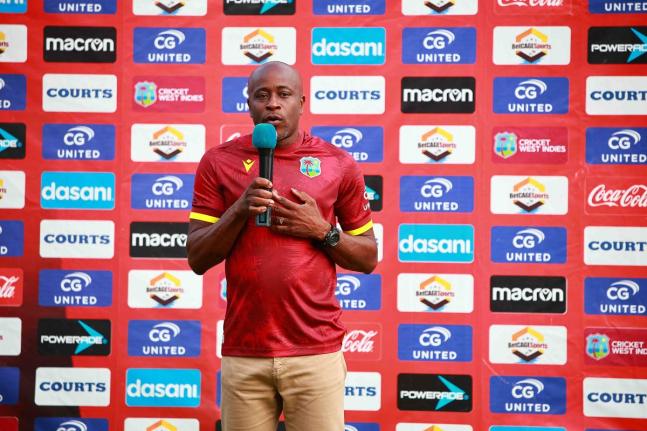
Under the leadership of Daren Sammy, the regional side managed to gain stability in the updated calculations. Though still positioned near the lower end of the rankings, the team’s rating movement reflects a measure of progress during a volatile reshuffling period.

That stability became even more noticeable as England suffered a significant drop. The English lost seven rating points after results from their celebrated 2022 home victories over New Zealand and South Africa, along with their 3-0 sweep of Pakistan away from home, were removed from the rolling three-year rankings cycle.

The adjustment pushed England behind India into fourth place.

Further down the standings, Pakistan climbed to sixth with 89 points, overtaking Sri Lanka, which slipped to 86. Ireland disappeared from the Test rankings altogether after failing to play enough matches to remain eligible.

Hayley Matthews’ team making a stronger push

If the West Indies men showed cautious progress, the women’s side delivered a far more encouraging rise.

Led by captain Hayley Matthews, the West Indies women gained two rating points to move to 71 in the ODI rankings.

The increase may appear small numerically, but strategically it could prove significant.

The top six positions remain unchanged, Australia, England, India, South Africa, New Zealand, and Sri Lanka continue to hold those places, but just beneath them, the race has tightened considerably.

The West Indies women now sit within striking distance of both Pakistan and Bangladesh.

Bangladesh’s rise above Pakistan into seventh reshaped the middle tier of the rankings, leaving the West Indies just two points behind Pakistan and within realistic reach of climbing another position with a strong run of performances.

For a side searching for consistency and renewed identity, that narrowing gap matters.

It suggests that the distance between the Caribbean side and the teams immediately above them is no longer daunting.

Rankings shake-up leaves others behind

Elsewhere in the women’s rankings, both Thailand and the Netherlands were removed after failing to meet the requirement of playing at least eight ODIs during the past three years.

In the men’s game, Afghanistan and Ireland were handed a temporary reprieve. Both nations now have a one-year grace period to schedule and complete two additional Test matches or risk losing their standing in the rankings system altogether.

The situation again highlights one of cricket’s enduring global inequalities: access to fixtures remains as important as performance itself.

Attention shifts to the shorter formats

With the annual update now complete for Tests and women’s ODIs, the focus quickly turns toward the white-ball formats.

The ICC confirmed that the updated Men’s and Women’s T20 International rankings will be released on May 5, followed by the Men’s ODI rankings on May 7.

For the West Indies, historically one of cricket’s most dangerous limited-overs forces, those updates may offer another opportunity to measure whether genuine progress is beginning to take hold.

For now, Australia still stands alone at the summit.

But beneath the sport’s established order, the West Indies may finally be showing signs that the climb back has begun.


Cricket West Indies mourns sudden loss of Grenada cricket leader Norman Gilbert

Norman Gilbert

A wave of grief has swept through Caribbean cricket following the sudden passing of Norman Gilbert, a respected administrator whose influence stretched far beyond the boundaries of Grenada.

Gilbert, who served as president of the Grenada Cricket Association and was a valued member of the Windward Islands Cricket Board, died unexpectedly, leaving players, officials, and cricket communities across the region in mourning.

His death marks the loss of a figure widely admired not only for his leadership in cricket administration, but also for the quiet integrity and human connection he brought to the sport.

A leader shaped by service

For years, Gilbert stood as one of the key figures helping to guide cricket development in Grenada and throughout the Windward Islands.

Colleagues viewed him as a steady and committed presence, an administrator deeply invested in the future of the game and in the opportunities cricket could create for young people across the Caribbean.

In a statement released following the news of his passing, Kishore Shallow reflected on Gilbert’s enduring contribution to regional cricket.

“Norman was a committed and visionary leader who served the game with distinction,” Shallow said.

He praised Gilbert’s relentless dedication to strengthening cricket at every level.

“His unwavering dedication to the development and promotion of cricket in Grenada and his genuine passion for uplifting the sport at all levels have left an indelible mark on the cricketing landscape.”

More than an administrator

Those who worked alongside Gilbert often spoke about qualities that extended beyond boardrooms and administrative meetings.

He earned widespread respect for his humility, honesty, and ability to bring people together through the game.

Shallow described him as a man whose connection to cricket was rooted in something deeper than governance or competition.

“A true steward of the game who believed deeply in its power to unite and uplift communities.”

That philosophy resonated strongly throughout Caribbean cricket, where the sport has long been intertwined with identity, pride, and social connection.

A region united in grief

Following the announcement of his death, condolences poured in from across the cricketing fraternity.

Cricket West Indies extended sympathies to Gilbert’s family, friends, colleagues, and the wider Grenadian cricket community, acknowledging the magnitude of the loss being felt throughout the region.

“At this difficult time, we stand in solidarity with the Grenada Cricket Association and the people of Grenada as they mourn this significant loss,” Shallow said.

Even in grief, the focus returned to the legacy Gilbert leaves behind, one built through years of commitment to strengthening the sport’s foundation in Grenada.

“Norman’s legacy will live on through the many lives he touched and the strong foundation he helped to build for cricket in Grenada.”

A lasting legacy

In Caribbean cricket, administrators often work far from the spotlight, shaping structures, nurturing development programs, and sustaining the systems that allow the game to thrive.

Gilbert was regarded as one of those quiet builders.

His influence may never be measured in runs scored or wickets taken, but in opportunities created, communities strengthened, and generations of cricketers supported through his work.

As tributes continue to emerge across the region, the loss of Norman Gilbert is being felt not only as the passing of a cricket official, but as the departure of a man who believed deeply in the unifying spirit of the game.

Cricket West Indies closed its tribute with a final message that captured the mood of a grieving cricket community:

“May his soul rest in eternal peace.”


CPL ushers in new era as Jamaica Kingsmen join expanded seven-team league

Jamaica Kingsmen

The Republic Bank Caribbean Premier League is preparing for one of the most transformative moments in its history.

With the arrival of a seventh franchise and the launch of a completely new player acquisition structure, the CPL is entering a fresh era designed to redefine roster building, deepen competitive balance, and reshape the future of Caribbean T20 cricket.

The league officially unveiled its new Player Acquisition and Draft regulations for the 2026 season on Tuesday, introducing a three-year contract cycle that will govern team construction from 2026 through 2028.

At the center of the overhaul stands the league’s newest franchise: the Jamaica Kingsmen.

Their arrival instantly changes the dynamics of the competition, and the draft itself.

Jamaica Kingsmen handed powerful expansion advantage

Expansion teams rarely arrive quietly, and the Jamaica Kingsmen are being given significant tools to establish themselves immediately.

Under the newly announced rules, the franchise can claim the first three selections in the draft, though those picks are limited exclusively to Jamaican players.

The provision creates the possibility of a dramatic opening round capable of reshaping multiple rosters across the league.

Importantly, rival franchises will not be allowed to challenge those selections through the league’s Right to Match Option system.

However, safeguards have also been built into the process to prevent any one existing franchise from being stripped of too much talent. The Kingsmen will only be permitted to take one player from each current team.

Any franchise losing a player during that expansion phase will receive additional protection in return, an extra Right to Match Option for later use in the draft.

Once the Kingsmen complete their opening selections, the remainder of the draft order will follow the final standings from the 2025 season, a mechanism designed to preserve league-wide parity.

New draft structure reshapes squad building

Every franchise will construct a 17-player squad under the revised system.

Those rosters must include nine senior West Indies players, five overseas players, and three Breakout Players.

The structure reflects the CPL’s ongoing attempt to balance star power with long-term regional player development.

Unlike domestic players, overseas signings will bypass the draft entirely. Teams will instead negotiate directly with international recruits, though only four overseas players may appear in any matchday starting XI.

Right to Match system gets strategic overhaul

One of the most intricate aspects of the new system centers around the revised Right to Match Option, commonly known as the RMO.

Existing franchises will each begin the draft holding four RMOs.

Three of those can be used freely on any player from their 2025 roster, regardless of salary classification.

The fourth carries a more targeted purpose: it can only be used on players from salary slots seven through 17 who are nationals of that franchise’s home territory.

The changes appear carefully designed to help teams preserve local identity while also protecting developmental players who might otherwise be lost during the expansion process.

The Jamaica Kingsmen will also possess a limited RMO of their own, though theirs can only be exercised on a Jamaican player. If that player participated in the 2025 CPL season, he must have occupied a salary slot between seven and 17.

CPL doubles down on emerging talent

Beyond competitive balance, the league is placing significant emphasis on nurturing future stars.

Ahead of the draft, existing franchises were allowed to retain only one Breakout Player from their 2025 squads, the lone pre-draft retention permitted under the new rules.

The developmental push goes even further.

Every team will now be required to include at least one Breakout Player in its starting XI for every match throughout the tournament.

That mandate guarantees meaningful playing opportunities for emerging cricketers and signals the league’s determination to strengthen the Caribbean talent pipeline.

League officials call it a defining moment

Michael Hall described the overhaul as the product of extensive collaboration between franchises, administrators, and regional cricket leadership.

“We have worked closely with the seven CPL franchises, Cricket West Indies, and other key stakeholders to develop a framework that allows us to successfully introduce a seventh team while maintaining competitiveness and fairness across the league,” Hall said.

He also expressed confidence that the expansion would elevate the quality of the competition.

“We are excited to see how the squads take shape and are confident that the expanded tournament will raise the standard of the CPL even further.”

Countdown to the draft begins

Attention now shifts toward May 15, when the CPL will officially unveil the draft selections across its social media platforms.

The announcement will offer the first glimpse into how franchises plan to navigate the league’s dramatically altered landscape.

For some teams, the draft will be about protecting core talent.

For others, it will be about reinvention.

And for the Jamaica Kingsmen, it will mark the beginning of an ambitious attempt to establish themselves immediately in a league entering one of the boldest transitions in its history.


UEFA and Concacaf forge landmark alliance to transform global football development

UEFA Concacaf

Football’s global development landscape entered a new phase on Wednesday as two of its most influential confederations formally committed to closer cooperation.

In a landmark moment for the sport, UEFA and Concacaf signed a renewed memorandum of understanding (MoU) designed to strengthen collaboration across player development, coaching education, refereeing standards, and football administration.

The agreement was finalized in Vancouver, Canada, on the margins of the 76th FIFA Congress, where UEFA President Aleksander Čeferin and Concacaf President Victor Montagliani formally sealed the partnership.

Running through June 2031, the agreement establishes a structured yet flexible framework aimed at deepening ties between Europe and the Confederation of North, Central America and Caribbean Association Football.

A shared vision for football’s future

At the heart of the agreement is a simple but ambitious idea: football development improves when regions learn from one another.

For UEFA, that means engaging with one of the sport’s fastest-growing and most culturally diverse regions. For Concacaf, it represents access to established European systems and elite-level structures that can help accelerate long-term growth.

Čeferin emphasized the importance of bridging football cultures across continents.

“Europe and the Concacaf region are home to some of the world’s most diverse football cultures, from deep-rooted traditions to fast-growing, innovative environments,” he said.
“By connecting these experiences, we can strengthen development pathways, raise standards and offer new opportunities throughout the game.”

Youth football at the center of exchange

One of the most significant components of the agreement focuses on youth development.

Under the new framework, UEFA will extend invitations to boys’ and girls’ youth national teams from Concacaf member associations to participate in selected European youth tournaments.

The initiative is designed to expose young players to higher levels of competition while also encouraging cultural exchange and football education beyond national borders.

For many emerging players, the opportunity represents a rare chance to measure themselves against Europe’s elite youth systems in competitive environments.

Expanding knowledge through collaboration

The MoU also introduces a series of reciprocal exchange programs aimed at strengthening institutional knowledge across both confederations.

These include observer roles at major club finals and international tournaments, allowing officials and administrators to study best practices in event delivery, competition management, and match operations.

Additional areas of cooperation include club licensing standards and regulatory frameworks, joint coach education initiatives, and exploratory discussions on mutual recognition of coaching qualifications.

The goal is to gradually align standards while respecting the distinct identities of each football region.

Refereeing and technical development take priority

Match officials are also central to the agreement.

Referees and technical instructors from UEFA and Concacaf will participate in joint development programs, youth tournaments, and educational courses aimed at raising officiating standards on both sides of the Atlantic.

In a notable step forward, FIFA-listed referees could also be deployed across confederation lines, gaining experience in each other’s competitions and broadening their exposure to different styles of play.

The initiative is expected to enhance consistency, decision-making, and professional development among elite officials.

“UEFA Together” expands global reach

A key pillar supporting the agreement is UEFA’s “UEFA Together” programme, which will now be used to facilitate long-term, customized development projects between member associations from both confederations.

The initiative is designed to move beyond short-term exchanges and instead foster sustained partnerships between federations with shared goals.

Regular high-level strategic meetings will also be held to monitor progress, refine initiatives, and ensure that cooperation remains active and impactful over time.

Concacaf highlights a decade of progress

From the Concacaf perspective, the agreement is both a recognition of progress and a platform for continued advancement.

Montagliani highlighted the importance of collaboration in sustaining growth across the region.

“Football is at its best when it brings people together, creates opportunity, and helps our global communities grow,” he said.
“Concacaf has made tremendous progress over the past decade, and partnerships like this help us continue raising standards while staying true to our responsibility to serve the game at every level.”

A partnership built for the long game

While the agreement includes immediate exchange programs and technical cooperation, its broader significance lies in its long-term vision.

By linking Europe’s established football infrastructure with Concacaf’s rapidly evolving landscape, the two confederations are positioning themselves to jointly shape the next generation of global football development.

As the partnership begins its eight-year journey, both sides appear aligned on a shared objective: building a more connected, competitive, and collaborative football world.


US-Bahamas economic dialogue convened at Embassy ‘Coffee Conversation’

A high-level economic dialogue between U.S. and Bahamian leaders took place at the U.S. Embassy in Nassau during an exclusive “Coffee Conversation” hosted by U.S. Ambassador Herschel Walker.

The morning session, held at the embassy on Shirley Street, brought together senior public and private sector stakeholders for discussions centered on trade, investment and long-term economic cooperation. The invitation-only meeting formed part of broader efforts to strengthen bilateral ties under the theme of “Partnering for Prosperity in The Bahamas.”

Ambassador Walker opened the dialogue by reaffirming the United States’ commitment to deepening economic engagement with The Bahamas, emphasizing the role of sustained partnerships in driving inclusive growth and resilience.

The discussions highlighted The Bahamas’ strategic position as a regional hub for tourism and logistics, along with opportunities for expanded collaboration in cruise tourism, infrastructure development and foreign direct investment.

Among those participating were Graeme Davis of Baha Mar, Philip Simon of Royal Caribbean International Bahamas, Philcher Grant of Carnival Corporation, Mike Maura Jr. of Nassau Cruise Port Ltd., and Sonless Martin.

Participants described the session as more than a networking opportunity, pointing to its focus on aligning priorities and identifying practical pathways for deeper economic collaboration. Key areas of discussion included workforce development, supply chain integration, investment facilitation and public-private partnerships.

As both countries navigate a shifting global economy, the embassy-hosted engagement reflects a shared commitment to strengthening competitiveness and building a more interconnected economic future across the region.

JACANA appoints Alerie Hull-Duhaney as new chief executive officer

JACANA, Jamaica’s leading vertically integrated wellness platform, has appointed Alerie Hull-Duhaney as Chief Executive Officer (CEO), signaling a new phase of growth for the company as it expands across Jamaica, the wider Caribbean, and international markets.

Founder Alexandra Chong will transition to Executive Chairwoman, where she will focus on long-term strategy, corporate governance, and major corporate initiatives.

Hull-Duhaney, who has been with JACANA for over four years, most recently served as Chief Financial Officer. She steps into her new role as the company continues scaling its platform across hospitality-led retail, consumer products, and experiential wellness.

Founder and Executive Chairwoman Chong said, “Alerie has been the operational and financial engine of JACANA through some of our most important years. She understands this business end to end, from the realities on the ground in Jamaica to what drives performance as we grow internationally. Promoting her to CEO is a natural step forward for both her and the company. I move into the Executive Chairwoman role with full confidence in Alerie and her management team, and I am genuinely excited about what we are going to build together from here.”

The newly appointed CEO, Hull-Duhaney, said, “I came to JACANA because we are building a powerful Jamaican brand that sits at the intersection of a global wellness shift. We have built the platform, international certifications, a strong team, and real momentum. My focus as CEO is to keep strengthening the organisation and scaling our commercial footprint so that when the world thinks of premium, certified plant medicine and wellness, Jamaica and JACANA are part of that first conversation.”

JACANA operates a 100-acre USDA Organic farm and GMP-certified facility in St. Ann, Jamaica, along with four apothecary locations across the island and a growing presence in the United States, the United Kingdom, and the wider Caribbean.

Miramar Commissioner Maxwell Chambers launches campaign to fund mobile medical bus for Jamaica

Maxwell Chambers
Maxwell Chambers

Miramar Commissioner Maxwell Chambers has launched a 30-day fundraising drive aimed at expanding healthcare access in Jamaica through the deployment of a mobile medical unit.

The initiative, dubbed the “10-30-30 Campaign,” is being led in partnership with the Not Forgotten Corporation and seeks to raise $300,000 to purchase and outfit a mobile medical bus for underserved communities across the island.

Built around a grassroots model, the campaign encourages 30,000 people to donate $10 each over 30 days — a collective effort organizers say can fully fund the project, including support vehicles needed to deliver services directly to communities in need.

“This is about people coming together to make a real difference,” Chambers said. “For many in Jamaica, access to basic healthcare can be a challenge depending on where you live. This mobile unit will bring care directly to those communities. If each of us gives just $10, we can make this happen—together.”

The campaign runs from May 1 through May 30 and is being supported by a coalition of diaspora organizations, community leaders and media partners across South Florida and major U.S. cities, including New York, Washington, D.C. and Atlanta.

Organizers say the mobile unit will provide a range of essential services, including primary care screenings, preventative healthcare and health education, helping to address gaps in access that persist in rural and underserved areas of Jamaica.

The effort will rely heavily on grassroots outreach, social media engagement and earned media coverage to build momentum. Supporters are being encouraged not only to contribute financially but also to amplify the campaign within their networks.

“We’re asking everyone to be a part of this movement,” Chambers added. “Give $10, tell a friend, and help us reach 30,000 people. This is how we turn small contributions into something truly life-changing.”

Supporters can participate by donating online at www.jamobilemedicalclinic.com and sharing the initiative using the hashtags #103030Challenge, #10ForJamaica and #OneLoveOneBus.

Urban Golf Weekend, Brainstorm Miami launch ‘Links to Leadership’ initiative with Student Golf Clinic

Urban Golf Weekend

Urban Golf Weekend and Brainstorm Miami have launched a new youth-focused initiative aimed at expanding access, mentorship and life skills through sport, beginning with a golf clinic for South Florida students.

The program, titled “Links to Leadership: Pathways and Dreams on the Green,” was hosted in collaboration with 100 Black Men of South Florida and brought together student-athletes and high-achieving students from Booker T. Washington Senior High School for an interactive weekend experience.

The event introduced participants to the fundamentals of golf during a one-hour clinic, followed by a working lunch centered on financial literacy and long-term planning.

Certified Financial Planner and Wealth Management Advisor Stan Leconte, a member of 100 Black Men of South Florida, led a session on wealth building, financial management and economic empowerment.

Also in attendance were Booker T. Washington Principal Anthony E. Simons, along with mentors Ron Butler and Alex Garcia, who provided guidance on preparing for life beyond high school.

“This initiative is about exposure and access,” said Woody Remy, Founder of Brainstorm Miami and Co-Founder of Urban Golf Weekend. “Golf is more than a sport; it’s a gateway to opportunity, relationships, and life skills that many of these students might not otherwise encounter. We’re intentional about creating spaces where young people can envision new possibilities for themselves.”

“As educators, our goal is to equip students not only for graduation but for life,” said Simons. Experiences like Links to Leadership extend learning beyond the classroom, offering students access to diverse environments, expectations, and possibilities. When they step onto a golf course to discuss financial literacy and leadership, they begin to see themselves as scholars, professionals, and emerging leaders. That mindset shift marks the start of genuine transformation. At the Historic Booker T Washington Sr High School, we strive to foster an environment where students can expand their horizons.

“This is about exposure, mentorship, and helping young people realize they belong in every room they aspire to enter, on the course and beyond,” said Butler, a member of the 100 Black Men of South Florida. “Programs like Links to Leadership are critical because they meet students at the intersection of potential and opportunity, providing access to the spaces, networks, and knowledge that can shape their futures.”

Clifton Addison, Founder of Urban Golf Weekend, emphasized the broader vision behind the partnership. “Urban Golf Weekend was built on the idea of bringing culture and community to the game of golf. With Links to Leadership, we’re extending that mission to the next generation by creating meaningful experiences that inspire confidence, open doors, and show these students they belong in every room, including on the green.”

Organizers say the clinic marks the first in a planned series of workshops designed to empower youth through sport, mentorship and education.

Momentum is already building, with Miami Central Senior High School and Miami Northwestern Senior High School set to join the initiative.

The next clinic, scheduled for this summer, is expected to bring together approximately 30 students from Booker T. Washington, Miami Central and Miami Northwestern for another day of learning, connection and personal development.