New York Senate passes bill expanding voting access for Haitian Creole speakers
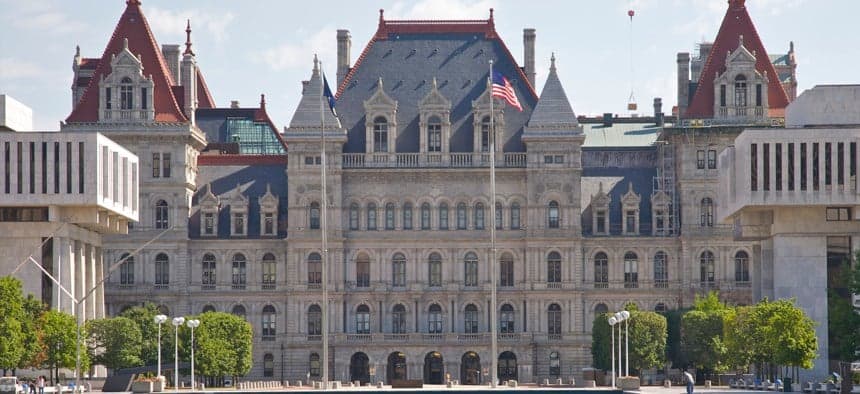
The New York State Senate has passed new voting rights legislation aimed at expanding language access for Haitian Creole speakers under the John R. Lewis Voting Rights Act of New York.
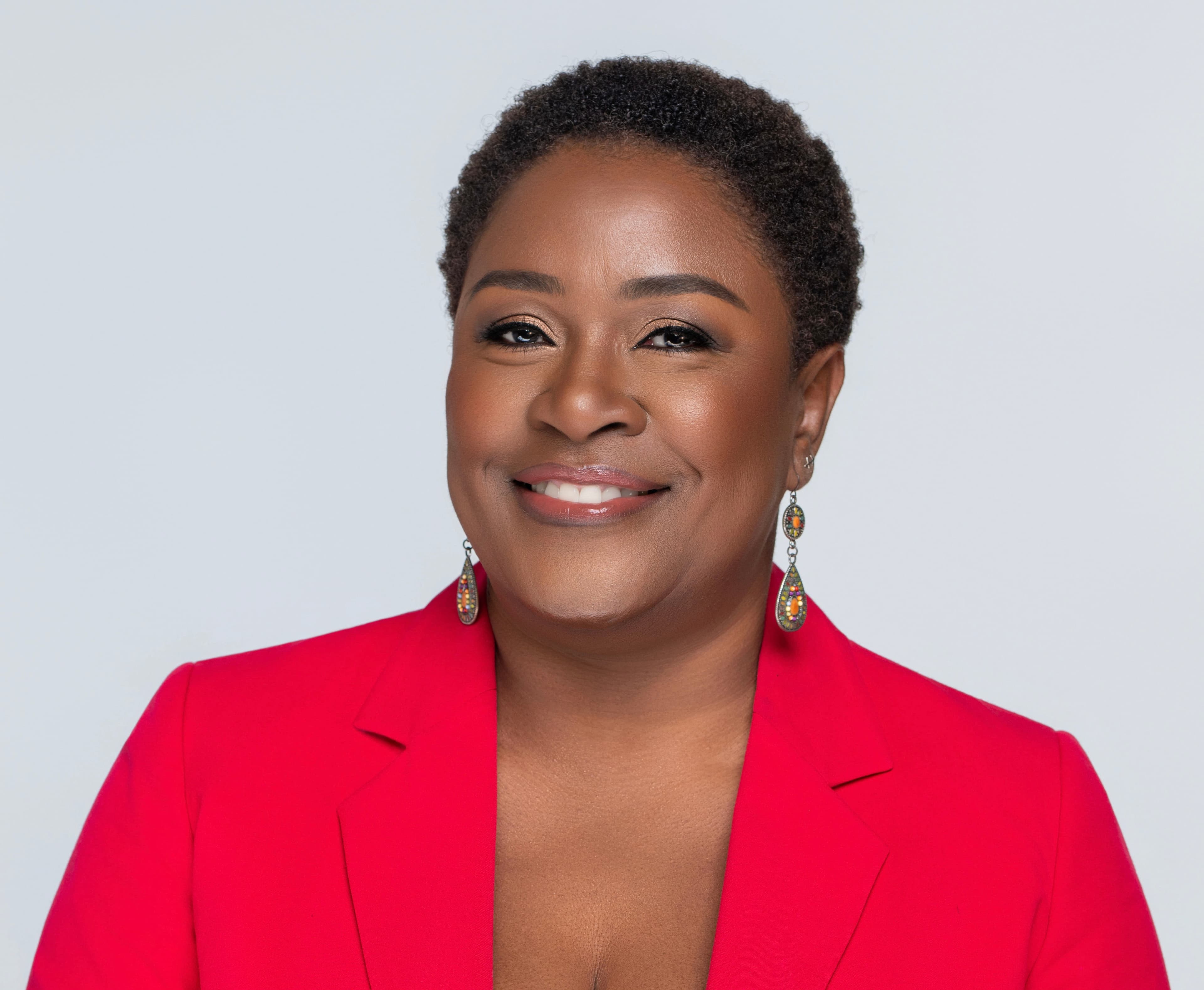
The measure, sponsored by Caribbean-American Democratic State Senator Zellnor Myrie, also extends protections to New Yorkers of Middle Eastern and North African heritage.
Myrie, whose grandmother hailed from Jamaica, authored the 2022 voting rights law, which he has described as containing “the strongest voter protections of any state law in the country.”
Speaking on Thursday, April 30, Myrie said the latest legislation builds on that foundation at a time when voting rights face challenges across the United States.
“While voting rights are under attack across America, New York is fighting back,” he said. “This important bill builds on New York’s landmark Voting Rights Act by adding new protections for speakers of Haitian Creole and New Yorkers of Middle Eastern and North African descent.”
He thanked his Senate colleagues for supporting the expansion, noting that the law establishes protected classes of voters who can challenge instances of voter suppression or dilution in court.
Myrie also pointed out that the legislation has already been upheld by the New York Court of Appeals and was recently used by Latino voters in the Town of Newburgh to secure procedural changes aimed at ensuring fairer representation on the Town Board.
According to Myrie, more than 170,000 Haitian Creole speakers live in New York State, while over 300,000 residents identify as having Middle Eastern or North African ancestry.
The bill will now move to the New York State Assembly, where it is sponsored by Haitian-American Assembly Member Clyde Vanel, a Democrat representing Queens.
Myrie, a former chair of the Senate Elections Committee, has led multiple efforts to expand voter access in the state, including measures to establish early voting, introduce electronic poll books and increase access to absentee ballots. He also conducted statewide hearings and authored a 2021 report outlining more than 50 recommendations to improve the voting experience in New York.


.jpg&w=3840&q=75)