Home Blog Page 14

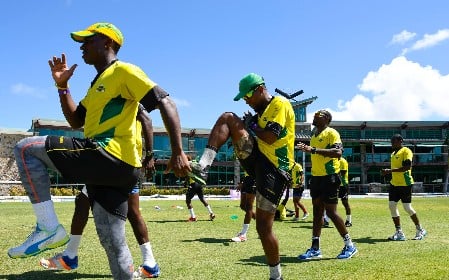
Scorpions eliminated as Bishop and Pride deliver Sabina Park masterclass

Barbados Pride dominate Scorpions in convincing 9-wicket victory

The Barbados Pride arrived at Sabina Park needing a statement victory to revive their campaign.

They left with far more than that.

Behind a devastating bowling display led by Joshua Bishop, Barbados dismantled the Jamaica Scorpions by an innings and 11 runs on the third day of their West Indies Championship clash Tuesday, vaulting into the playoff positions while simultaneously destroying Jamaica’s hopes of advancing.

The emphatic result lifted Barbados to 42.2 points in the standings, pushing them past the Scorpions, who remained stalled on 34.

For Jamaica, the defeat exposed the same inconsistencies that haunted their campaign throughout the series. For Barbados, it confirmed a side gathering momentum at exactly the right moment.

Early resistance quickly crumbles

Resuming the morning on a fragile 22 for 1 in their second innings, the Scorpions still faced the daunting challenge of erasing a massive deficit simply to force Barbados to bat again.

Instead, the pressure intensified almost immediately.

After adding only nine runs, nightwatchman Kirk McKenzie was undone by a vicious delivery from Jediah Blades that stayed dangerously low and crashed into his pads.

McKenzie departed for 12, and the innings again drifted toward collapse.

Then came a sudden burst of chaos.

Glenn’s counterattack ignites tension

With Jamaica under pressure, Javelle Glenn launched a breathtaking assault that briefly disrupted Barbados’ control.

Refusing to retreat, Glenn attacked almost immediately, hammering six boundaries and a towering six in a ferocious 30-run blitz that lasted only 15 deliveries.

Blades absorbed much of the punishment as emotions boiled over between the pair during a heated confrontation mid-pitch.

But the aggression that energized Jamaica also carried risk.

When Glenn attempted another attacking stroke against Bishop, he found only the hands of Shamar Springer in the deep, ending the cameo and restoring Barbados’ grip on the contest.

King stands firm as wickets continue to fall

Amid the collapse around him, Brandon King fought stubbornly to keep Jamaica alive.

Calm and technically disciplined, King reached a composed half-century from 102 deliveries while wickets continued to tumble at the other end.

Brad Barnes fell lbw to Roston Chase shortly after the drinks interval, before captain Kraigg Brathwaite produced a key breakthrough by dismissing wicketkeeper Romaine Morris caught and bowled for 17.

At 128 for 5, Jamaica’s resistance appeared increasingly fragile.

King and Abhijai Mansingh added valuable runs together, but Barbados’ spin attack continued tightening the noose.

Eventually, Jomel Warrican trapped King lbw for a determined 63 that included nine boundaries.

Odean Smith launches last stand

Even with the innings sinking again, Jamaica still found one final surge of defiance.

After Peat Salmon entertained briefly with a lively 28 before being brilliantly caught at deep long-on by substitute Johann Layne, the match appeared close to ending swiftly.

Then Odean Smith erupted.

The powerful all-rounder launched a brutal counterattack, smashing five fours and seven towering sixes during an electrifying 73 from just 46 balls.

Alongside Mansingh, Smith dragged Jamaica toward respectability in a furious 86-run, eighth-wicket partnership that briefly rattled Barbados.

But the resistance could not last.

Mansingh fell first for 35 after edging a sharply turning delivery from Warrican to slip.

Soon after, Smith’s spectacular innings ended when he was caught off Bishop with the score on 286 for 9.

On the very next delivery, debutant Khari Campbell was bowled for his second duck of the match, sealing Jamaica’s dismissal for 286 and handing Barbados victory by an innings and 11 runs.

Bishop completes match-winning performance

Bishop’s performance capped a dominant match for the left-arm spinner.

After already claiming four wickets in the first innings, he returned to destroy Jamaica again, finishing with 5 for 72 and nine wickets overall in the match.

Warrican reinforced the pressure with 2 for 39 as Barbados’ bowlers repeatedly exploited the increasingly difficult surface.

Following the victory, Brathwaite applauded the resilience and collective effort that carried Barbados into the playoff positions.

“Very proud of the team, as I thought we put in a good effort from the second game, getting the first innings with that big total Jamaica scored, and then coming here and getting the win in the last game,” he said.

“I think it was a very good effort.”

The Barbados captain also singled out Bishop’s impact after the spinner returned to the side.

“Joshua Bishop coming in after not playing the second game and getting nine wickets in the match was very good. I thought he’d been working very hard from January, and it’s good to see him get the performances.”

Campbell admits Scorpions lacked consistency

For Jamaica captain John Campbell, the defeat reflected familiar frustrations.

“I think we played pretty decent in patches. We weren’t consistent enough, both with batting and bowling,” Campbell admitted.

He praised McKenzie’s progress and highlighted contributions from Salmon and Marquino Mindley, but acknowledged the team’s recurring middle-order failures.

“Every time we batted, we basically got a decent start, but our middle order didn’t cash in.”

“Moving forward, we’ll have to improve on those areas if we want to advance in competitions like this.”

By the end, Barbados had delivered the complete performance Jamaica could never sustain, disciplined with the ball, composed under pressure, and ruthless when opportunities emerged.


Broward residents to vote on $120M health care plan funded by new tax

broward county government office
Broward County government building, Fort Lauderdale, Fla. (Photo/Broward County Government)

Broward County voters will decide in November whether to approve a proposed health care surtax aimed at expanding access to medical services for residents, after county commissioners voted unanimously on Tuesday to place the measure on the 2026 General Election ballot.

The proposal, brought forward by Broward Mayor Mark Bogen, calls for a 0.25 per cent sales surtax that would be in effect for five years. If approved, the tax is expected to generate approximately $120 million annually to fund preventive care, primary care, and hospital services for eligible residents, including those who are uninsured or underinsured. The initiative would benefit Broward County’s diverse population, including thousands of Caribbean-American residents, many of whom are part of communities that have historically faced barriers to consistent health care access.

Bogen has argued that the initiative is critical to addressing gaps in access to care, particularly for residents who cannot afford treatment or whose insurance does not fully cover their medical needs. The plan would also support indigent care and expand access to services for major illnesses such as heart disease and cancer.

The proposal builds on the success of the Broward County/Florida Panthers “Take Heart Test” program, which has provided free screenings to more than 7,000 residents. Officials say the results were striking, with more than half of participants showing abnormalities requiring follow-up care — a finding that helped drive momentum behind a broader, county-funded health initiative.

That program itself grew out of a $10 million pilot launched in 2022 to provide advanced cardiac screenings, including coronary CT scans, targeting older residents and underserved communities. County data has shown that a significant percentage of those screened required further medical attention, reinforcing concerns about undiagnosed conditions across the population.

However, the path to Tuesday’s vote was not without controversy. In earlier commission meetings, some officials questioned whether a new tax was justified, pointing to the pilot programme’s slower-than-expected rollout and the fact that only a portion of its budget had been spent.

“We can’t get people to take these tests,” said Commissioner Michael Udine during a March commission meeting. “I want to keep promoting the heart tests if we can do it. But if that turns out to where we can’t even make that happen, we have to really rethink where all these dollars are going to come from.”

Others also raised concerns about how revenues from a surtax would be allocated and whether existing hospital systems should take on a larger role in funding care. An audit of the pilot program was subsequently launched to review spending, including administrative and advertising costs, as well as the overall effectiveness of the initiative.

Despite those concerns, commissioners ultimately reached consensus this week that the issue should be decided by voters.

If approved, the surtax would represent one of the county’s most significant public health investments, with funds also expected to support local hospitals and trauma services, in addition to expanding direct patient care.

With the measure now officially headed to the November ballot, county leaders say the focus will shift to public education, as they seek to inform residents about how the tax would work and who stands to benefit.

Shenseea, Daddy Yankee feature on FIFA World Cup 2026 soundtrack

Shenseea Daddy Yankee

While Jamaica continues to process the disappointment of the national senior football team falling short of qualification for the FIFA World Cup 2026, the Caribbean still has reason to celebrate on football’s grandest stage.

In a cultural win for the region, Jamaican dancehall star Shenseea has joined forces with Puerto Rican reggaeton titan Daddy Yankee for a track tied to the FIFA World Cup 2026. The new single, Echo, was announced by Shenseea on social media on Tuesday and is now available for streaming.

Caribbean talent will be represented through two of its biggest musical exports. With Jamaica and Puerto Rico both part of the wider Caribbean family, the collaboration underscores that while teams may miss qualification, Caribbean culture continues to command a place on the global stage.

The tournament is the most-watched sporting spectacle on the planet, drawing billions of viewers worldwide. Its official and affiliated songs often become timeless anthems, forever linked to the emotions, victories, and memories of the competition.

From Shakira’s iconic Waka Waka (This Time for Africa) in 2010 to more recent tournament-era hits, World Cup music has long played a central role in football culture. These records transcend sport, becoming soundtracks for celebration across continents.

For Shenseea, the moment marks another major milestone in an already impressive international rise. The Jamaican star has steadily built a global profile through collaborations with top-tier acts, high-energy performances, and crossover appeal. Her growing résumé also includes being featured on the soundtrack for The Smurfs Movie last year.

Since bursting onto the scene, Shenseea has scored hits such as Loodi, Blessed, ShenYeng Anthem, and Hit & Run, while also earning praise for her versatility across dancehall, hip hop, and pop.

Daddy Yankee, widely regarded as one of the founding architects of reggaeton’s global explosion, helped take Caribbean urban music to mainstream heights with blockbuster records including Gasolina, Rompe, Con Calma, and the worldwide phenomenon Despacito alongside Luis Fonsi.

Together, Shenseea and Daddy Yankee represent two powerhouse Caribbean territories whose sounds have influenced clubs, radio, and streaming charts across the globe.

So while Jamaica’s football dreams are on pause, the region’s musical dominance is very much alive. When the world tunes in for the FIFA World Cup 2026, Caribbean voices will still be in the stadiums, on playlists, and at the heart of the celebration.

Jamaican music fraternity mourns passing of Claude ‘Big Stone’ Sinclair at 67

Claude 'Big Stone' Sinclair

The Jamaican entertainment industry is in mourning following the passing of respected artist manager, trumpeter, and philanthropist Claude “Big Stone” Sinclair, who died on Tuesday at Kingston Public Hospital. He was 67.

Sinclair had been ailing for some time and was readmitted to the hospital last Tuesday after his condition worsened.

Widely admired across Jamaica’s music fraternity, Sinclair built a reputation as a tireless advocate for artistes and a man deeply committed to preserving the island’s cultural identity. Over the years, he became a trusted figure behind the scenes, offering guidance, management support, and encouragement to numerous entertainers navigating the business.

Known affectionately as “Big Stone,” Sinclair was also a devoted follower of Marcus Garvey and remained passionate about protecting and promoting the legacy of Jamaica’s first National Hero. Among his notable efforts was helping to organise the historic 2012 visit to Jamaica by Dr. Julius Garvey, a moment that resonated strongly within cultural and Pan-African circles.

Before his involvement in entertainment, Sinclair served as a member of the Jamaica Constabulary Force. He later transitioned into concert promotion and artiste management, where he became known as a steadfast supporter of local talent and someone who consistently championed the welfare of Jamaican musicians.

One of his most celebrated acts of service came in 2019 when he played a leading role in organising a benefit concert for veteran reggae singer Junior Byles, who had fallen on difficult times and required urgent medical and financial assistance. Sinclair’s efforts helped shine a spotlight on Byles’ struggles and mobilised support from the wider entertainment community.

News of his passing has sparked an outpouring of tributes from artistes, promoters, and fans, many remembering him as a generous spirit, fearless advocate, and proud Jamaican who always sought to uplift others.

Claude “Big Stone” Sinclair leaves behind his wife, Donnalee, children, extended family, and a music fraternity grateful for his years of service. His passing marks the end of an era for one of the industry’s most passionate behind-the-scenes champions.

Aidonia, Ayetian lead star-studded Rum Island Festival debut in Atlanta

Rum Island Festival

Jamaican dancehall heavyweight Aidonia and rising Caribbean sensation Ayetian are set to bring explosive energy to Atlanta this summer as they headline the highly anticipated debut of Rum Island Festival 2026.

Slated for Saturday, July 11, at Piedmont Park, the inaugural staging of the festival promises a full-scale celebration of Caribbean music, food, rum culture, and community spirit, with Aidonia and Ayetian leading a lineup designed to showcase both the legacy and future of the region’s sound.

For fans of dancehall, Aidonia’s inclusion is a major draw. The deejay has built an impressive catalogue over the years with tracks such as Banga, Yeah Yeah, Fi Di Jockey, and Breeze. Known for his commanding stage presence and lyrical precision, Aidonia remains one of the genre’s most respected names and is expected to deliver one of the standout performances of the summer.

Sharing top billing is Ayetian, one of the new voices gaining traction across Caribbean and diaspora markets. With an energetic style and a fresh sound connecting with younger audiences, his presence on the bill adds youthful excitement and signals the festival’s intention to bridge generations of music lovers.

Also joining the lineup are Trinidadian soca act Melick and Brooklyn-born soca fusion performer Added Rankin, whose Vincentian heritage and New York roots reflect the global reach of Caribbean culture. Organizers have also teased surprise acts still to be announced.

With an expected turnout of 5,000 to 8,000 patrons, Piedmont Park will be transformed into a multi-zone entertainment hub featuring eight hours of live performances across dancehall, soca, afrobeats, and reggaeton. DJs Ricky Platinum, Yung Rage, Unique Soundz, Propa English, Boogy Ranks, and DJ Fabb are also booked to keep the energy high throughout the day.

Beyond the music, patrons can indulge in premium rum tastings, cocktail activations, immersive lounges, and a Caribbean food village celebrating Afro-Caribbean cuisine.

Rum Island Festival is also partnering with Her Village Inc., with a portion of proceeds supporting families experiencing poverty through donations and community initiatives.

With Aidonia and Ayetian front and centre, Rum Island Festival’s first staging is shaping up to be one of Atlanta’s hottest summer events and a major celebration of Caribbean entertainment on an international stage.

Skin Cancer Awareness Month highlights sun exposure risk

heatwaves climate crisis Caribbean

The Caribbean is defined by its sunshine—beaches, tourism, outdoor living, and year-round heat. But that same sun exposure is also driving a health issue that remains under-recognized across much of the region: skin cancer.

May is observed globally as Skin Cancer Awareness Month, a campaign supported by cancer research and dermatology organizations worldwide, including the American Academy of Dermatology Association. While much of the messaging originates in higher-latitude countries, health experts say the Caribbean cannot afford to treat the issue as distant.

The sun factor

Ultraviolet (UV) radiation is the leading cause of skin cancer. The Caribbean’s geographic location near the equator means UV levels are consistently high throughout the year, not just in summer months.

Research from global cancer agencies, including the World Health Organization, shows that excessive UV exposure is strongly linked to melanoma and non-melanoma skin cancers. While darker skin offers some natural protection, it does not eliminate risk—particularly for delayed diagnosis, which can lead to more severe outcomes.

A hidden regional risk

Skin cancer is often underreported in Caribbean health statistics, but medical professionals across the region have increasingly warned that cases are being detected later than in North America and Europe.

One key issue is awareness. Many people associate skin cancer primarily with fair skin populations, which can lead to reduced use of sunscreen and lower vigilance about changes in skin pigmentation, moles, or lesions.

Outdoor workers—farmers, fishermen, vendors, and construction workers—are especially exposed, often spending long hours in direct sunlight with limited protective measures.

With rising global temperatures, heat exposure is becoming more intense across the Caribbean. This does not directly cause skin cancer, but it does increase cumulative sun exposure risks as people seek shade less consistently or underestimate UV strength on cloudy days.

Reflective surfaces like water and concrete can also intensify UV exposure, increasing risk even during routine daily movement.

Prevention is still simple—but uneven

Dermatologists stress that most skin cancers are preventable with basic protective habits:

  • Regular use of sunscreen (SPF 30 or higher)
  • Wearing hats and protective clothing
  • Seeking shade during peak sun hours
  • Monitoring skin changes early

However, access and affordability remain barriers. Sunscreen is still considered a luxury item in parts of the region, and public awareness campaigns are limited compared to other health priorities.

Early detection saves lives

Unlike many cancers, skin cancer is highly treatable when caught early. The problem, experts say, is timing. Delayed presentation remains the most significant factor in poor outcomes.

Health practitioners are encouraging Caribbean residents to treat skin checks as routine—not optional—and to pay attention to any new or changing skin marks, particularly in high-exposure individuals.

As the Caribbean continues to promote tourism and outdoor lifestyles, health experts argue that sun safety must become part of everyday public health messaging—not just seasonal advice.

Why hypertension remains one of the Caribbean’s deadliest health threats

hypertension

Ahead of World Hypertension Day, health experts are again warning that hypertension—often called the “silent killer”—remains one of the region’s most persistent and underestimated health crises.

Observed annually on May 17, World Hypertension Day is led globally by the World Hypertension League and supported by the World Health Organization to raise awareness of the condition, which affects an estimated 1.3 billion people worldwide.

But in the Caribbean, the concern is particularly urgent.

Non-communicable diseases (NCDs), including hypertension, account for roughly 70% of deaths in the Caribbean, according to public health research across CARICOM states. High blood pressure is one of the leading contributors to stroke, heart failure, and kidney disease—conditions that continue to strain public health systems from Jamaica to Trinidad and Tobago.

Health officials consistently warn that a large proportion of people living with hypertension in the region are undiagnosed. Even among those diagnosed, control rates remain low due to inconsistent medication use, cost barriers, and lifestyle factors.

Hypertension often develops without obvious symptoms, making it especially dangerous. A person can appear healthy while experiencing dangerously elevated blood pressure for years before a major event such as a stroke or heart attack occurs.

Doctors across the region repeatedly link the condition to diet patterns high in sodium, low physical activity levels, chronic stress, and genetic predisposition—factors that are common across Caribbean populations, including African, Indian, and mixed-heritage communities.

While hypertension is not directly caused by heat, rising temperatures across the Caribbean may worsen related risks. Prolonged heat exposure can place additional strain on the cardiovascular system, particularly for outdoor workers such as farmers, vendors, and construction labourers.

Dehydration—more common during hot months—can also contribute to blood pressure instability, especially among older adults and people already on medication.

Prevention gaps remain

Despite ongoing public health campaigns, routine screening remains inconsistent. Many people only discover they have hypertension after emergency hospital visits.

Experts continue to emphasize simple prevention strategies:

  • Regular blood pressure checks
  • Reduced salt intake (especially processed and packaged foods)
  • Increased physical activity
  • Medication adherence where prescribed
  • Stress management and sleep improvement

The challenge, they say, is not knowledge alone—but sustained behaviour change and access to affordable care.

As World Hypertension Day is marked globally, Caribbean health authorities are once again urging residents not to wait for symptoms before acting—because in most cases, by then, the damage has already begun.

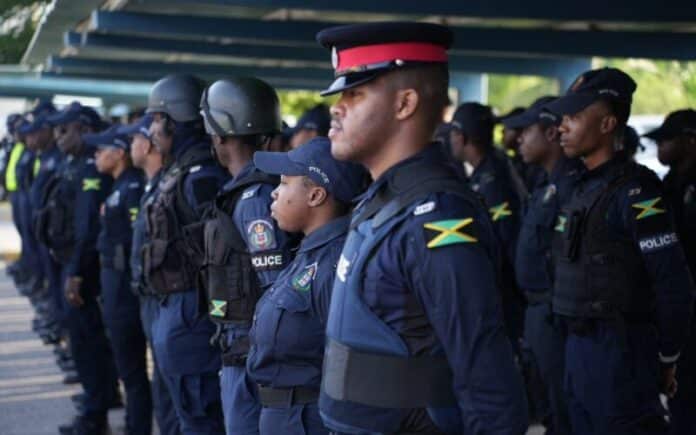
INDECOM probes fatal police shootings as death toll climbs to 37 for April

Jamaica police force JCF

The Independent Commission of Investigations (INDECOM) has launched probes into four separate incidents involving members of Jamaica’s security forces in which five men were fatally shot on Monday.

The deceased have been identified as Ricardo Gayle, 25-year-old Paul Francis, 27-year-old Omar Hooke, 42-year-old Justin Bondfield, and 39-year-old Peter Gooden.

According to INDECOM, Gayle was shot and killed by soldiers at a Zone of Special Operations (ZOSO) checkpoint in August Town, St Andrew. Francis and Hooke were fatally shot by police in Five West, Greater Portmore, St Catherine. Bondfield was killed in Wheelerfield District, Golden Grove, St Thomas, while Gooden was shot by police in May Pen Town Centre, Clarendon.

The agency noted that two of the incidents—those in August Town and May Pen—reportedly involved individuals with mental health conditions.

INDECOM said investigators have already processed all four scenes, recovering and packaging evidential material, while also swabbing the hands of the deceased for gunshot residue and photographing the bodies ahead of post-mortem examinations.

Officers involved in the incidents have been served with Section 21 Notices under the Independent Commission of Investigations Act, 2010, requiring them to submit statements and attend interviews.

The latest cases push Jamaica’s fatal shooting figures involving the security forces to 37 for April 2026. Year-to-date, 113 people have been fatally shot, compared with 106 over the same period in 2025.

INDECOM has not yet released findings on the circumstances surrounding the latest incidents, but says investigations remain ongoing.

Guyana President voices alarm over Venezuela Essequibo symbol display

Guyana’s President Dr. Mohamed Irfaan Ali

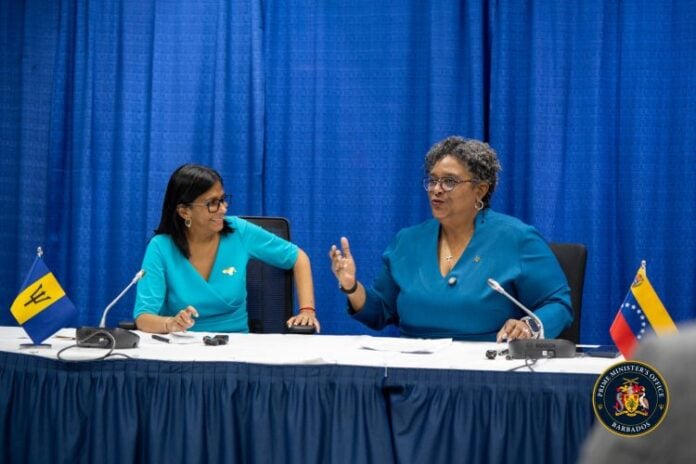
Guyana’s President Dr. Irfaan Ali has expressed “grave concern” over the public display of a brooch worn by Venezuela’s Acting President Delcy Rodríguez that featured a map of Venezuela including Guyana’s Essequibo Region, during recent diplomatic meetings with Caribbean leaders.

In a letter dated April 28 and addressed to CARICOM Chairman and St. Kitts and Nevis Prime Minister Terrance Drew, Ali said Guyana respects the sovereign right of CARICOM member states to engage bilaterally with partners, including Venezuela. However, he warned that such engagements should not be accompanied by symbols asserting territorial claims over Guyana.

“Guyana fully respects the sovereign right of CARICOM Member States to conduct bilateral relations with all partners, including the Bolivarian Republic of Venezuela,” Ali wrote. “However, it is deeply regrettable that such engagements have been accompanied by the prominent display of symbols asserting Venezuela’s claim to Guyana’s territory.”

Rodríguez held talks with Grenada Prime Minister Dickon Mitchell in St. George’s on April 9, and later met with Barbados Prime Minister Mia Mottley. She said her regional visits were aimed at strengthening ties between Venezuela and Caribbean nations.

The diplomatic tension comes amid Guyana’s ongoing territorial dispute with Venezuela over the Essequibo Region, which Caracas claims despite it being administered by Georgetown.

Guyana’s Education Minister Priya Manickchand also criticized the engagements, questioning CARICOM solidarity in a social media post. She said it was troubling for regional leaders to meet Venezuelan officials while symbols asserting claims over Guyana’s territory were visibly displayed.

“Principle is principle. It shouldn’t be cowardly. And it shouldn’t be convenient,” she wrote.

In his letter, President Ali warned that allowing CARICOM platforms to be used in ways that could be interpreted as tolerance of Venezuela’s claim risks undermining the bloc’s longstanding position supporting Guyana’s sovereignty.

“No action, whether deliberate or inadvertent, should create the impression that the Community’s platforms may be used to advance claims now before the International Court of Justice,” he wrote, stressing that CARICOM’s support must be reflected not only in statements but also in diplomatic conduct.

Ali further described the display of territorial symbols as a “calculated and provocative assertion” of a claim that Guyana has consistently rejected and that is now before international adjudication.

The dispute over Essequibo is currently before the International Court of Justice, where hearings on the merits are scheduled to begin May 4. Guyana’s Attorney General and Minister of Legal Affairs Mohabir Anil Nandlall said proceedings are expected to run from May 4–8, with the possibility of extending into the following week.

Guyana initiated the case in 2018, seeking confirmation that the 1899 Arbitral Award—which established the boundary between the two countries—is legally binding. Venezuela rejected the ruling in 1962 and later revived its claim to the territory.

The matter is being heard under the 1966 Geneva Agreement, which outlines mechanisms for peaceful resolution. After bilateral talks failed, the dispute was referred to the ICJ by the United Nations Secretary-General. The court has already ruled that it has jurisdiction.

Ali emphasized that while the case is before the court, neither party should take actions that could aggravate the dispute or alter the status quo, referencing a 2023 ICJ order requiring restraint from both sides.

“Such conduct does not strengthen Venezuela’s case; it undermines confidence in its stated commitment to peaceful settlement, international law, and good neighbourly relations,” he wrote.

Guyana reiterated that the 1899 award was a “full, perfect and final settlement” of the boundary and said Venezuela’s more recent actions—including administrative measures over the disputed territory—run counter to international law and the ongoing judicial process.

Ali concluded by urging CARICOM leaders to remain vigilant in upholding the bloc’s consistent support for Guyana’s sovereignty and to ensure all states respect the court process and refrain from provocation while the case proceeds.

Miami-Dade Schools awards $85M contract for Arthur & Polly Mays K-12 Conservatory of the Arts Project

Miami-Dade Public Schools

The Miami-Dade County Public Schools (M-DCPS) School Board has commissioned the James B. Pirtle Construction Company and Silva Architects LLC to deliver an $85 million redevelopment project that will consolidate Arthur & Polly Mays 6–12 Conservatory of the Arts and Pine Villa Elementary into a single K–12 campus.

The decision was approved during the School Board’s regular meeting last Wednesday.

The project will create the Arthur & Polly Mays K–12 Conservatory of the Arts Academy, featuring a Lower Academy (K–5) and an Upper Academy (grades 6–12). It is scheduled for completion in June 2029.

As part of the redevelopment, 13 existing buildings from Arthur & Polly Mays 6–12 Conservatory will be demolished, while 15 structures from Pine Villa Elementary will be retrofitted to support the new combined campus.

The Lower Academy will include kindergarten, intermediate, and exceptional bilingual education classrooms, alongside dedicated art spaces and a music lab. The Upper Academy will feature classrooms for English, mathematics, social studies, journalism, and science demonstration labs, as well as computer labs, skills development areas, and a Language Arts Black Box Theatre.

Specialized facilities will include art, music, band, vocal, piano, and guitar labs, in addition to a new media center and a state-of-the-art broadcasting (CCTV) lab.

The campus design also incorporates athletics and wellness amenities, including locker rooms, a gymnastics area, a dance studio, a weight room, and a covered play area.

Administrative and support spaces will include a historical exhibit area, a community partnership suite, administrative offices, student services, and an integrated suite for the Children’s Home Society, reflecting an ongoing partnership to support students in need.

Dining facilities will feature a full kitchen with indoor dining for K–5 students, as well as indoor and outdoor dining areas for grades 6–12.

A 700-seat auditorium will anchor the campus’s performing arts infrastructure, complete with a stage, orchestra pit, storage space, prop area, dressing rooms, green room, and control booth/projection room. The auditorium will also include a lobby, concessions area, and ticket booth.

Site improvements will include a redesigned façade along SW 216th Street and a new entry plaza intended to serve as a neighborhood landmark. A secure K–5 entry plaza will also function as a student assembly space and outdoor learning area with integrated seating.

Transportation infrastructure will include two bus drop-off zones and one parent drop-off area. Outdoor amenities will feature new hard courts, playground equipment, and additional covered recreational space.

In parallel, M-DCPS Procurement Management is pursuing a public-private partnership to lease adjacent parcels of land to a private developer. The initiative, which is not part of the current construction scope, is expected to support workforce housing for teachers, support staff, and the surrounding community.

The project also places emphasis on sustainability, targeting an Energy Use Intensity (EUI) of 25 or lower—well below the typical building average of 56. The development will adhere to nationally recognized green building rating systems.

Additionally, the project will include an energy model and a Life Cycle Cost Analysis to assess long-term efficiency, using computer-based simulations to evaluate energy consumption and material performance over time.

Ambassador Anderson hails Team Jamaica Bickle’s 32-year legacy at 130th Penn Relays

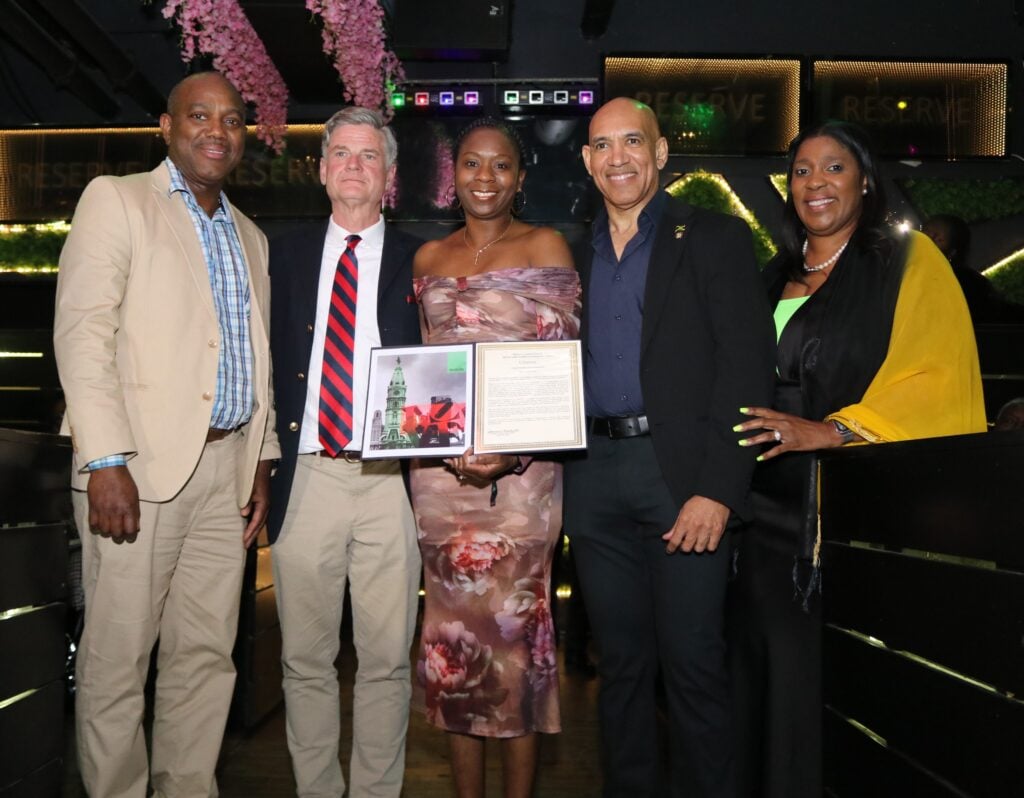
Jamaica’s Ambassador to the United States, Major General (Ret’d) Antony Anderson (second left), joins members of Jamaica College’s 1999 4x800-metre relay team — Dwayne Medley (third left) and Kenrick Ferril (second right) — as they display citations received from the City of Philadelphia. Members of the Jamaica College Old Boys’ Association, New York Chapter, also shared in the celebration. (Photo: Derrick Scott)

Jamaica’s Ambassador to the United States, Major General (Ret’d) Antony Anderson, has hailed Team Jamaica Bickle (TJB) as a vital force behind the island’s sustained dominance in track and field, describing the organization as indispensable to Jamaica’s athletic development pipeline.

Addressing athletes, supporters and volunteers at Team Jamaica Bickle’s annual Chairman’s Reception during the Penn Relays, held at the Reserve Wine & Bar Lounge in downtown Philadelphia on Friday, April 24, 2026, Ambassador Anderson praised the organization’s 32 consecutive years of service to Jamaican athletes competing at the prestigious meet.

“For 32 years in a row, you have been doing a fantastic and amazing job,” Ambassador Anderson said, commending TJB founder Irwine Clare Sr. and a network of dedicated volunteers whose efforts have benefited more than 18,000 athletes, with support valued at approximately US$5 million over the program’s history.

The Ambassador underscored the critical role TJB plays in leveling the playing field for talented student-athletes from under-resourced schools, noting that without the organization’s support, many of Jamaica’s most promising competitors would not reach the Penn Relays stage.

“Quite often, some of our jewels are coming from schools that can’t afford it,” he said. “When you step into that breach and allow them to come here and we see them win, that is your reward.”

Ambassador Anderson also challenged former beneficiaries of the program to give back to the next generation, stressing that even modest financial contributions can make a significant difference.

“That $100 can be the difference between an athlete not getting an opportunity and another Olympic gold medal for Jamaica,” he said.

Douglas honored; Wall of Fame inductees celebrated

Jamaica’s Ambassador to the United States, Major General (Ret’d) Antony Anderson (second left), celebrates with Penn Relays Wall of Fame inductee and former Dinthill Technical long jumper Elva Goulbourne after she received a citation from the City of Philadelphia and Team Jamaica Bickle for her historic 1999 performance. Looking on (from left) are Clinton Phillips, Bill O’Leary and Team Jamaica Bickle Vice Chair Karen Wilson Robinson. (Photo: Derrick Scott)

The reception also recognized outstanding achievements within Jamaica’s athletic community. Sprint standout Shanoya Douglas of Holland High School was honored by Team Jamaica Bickle and the City of Philadelphia, receiving a citation from the Philadelphia Mayor’s Commission on African and Caribbean Immigrant Affairs for her exceptional performances, including setting a new Jamaican Under-20 record in the 200 meters.

Organizers noted that Douglas’s recognition echoes the early trajectory of sprint legend Usain Bolt, who received similar honors from Team Jamaica Bickle during his early career.

The evening also marked the induction of two distinguished Jamaican athletic legacies into the Penn Relays Wall of Fame. Former Dinthill Technical long jumper Elva Goulbourne, Jamaica’s national record holder in both the outdoor and indoor long jump, was recognized for her landmark 6.40-meter leap at the 1999 Penn Relays, surpassing Carol Lewis’s previous record of 6.33 meters.

The Jamaica College 4x800m relay team—comprising Jeffery Wallace, Dwayne Medley, Kerrick Ferril and Mashel Jackson—was also inducted and honored by the City of Philadelphia and Team Jamaica Bickle in recognition of its historic performance.

The reception further highlighted Jamaica’s strong showing at this year’s Penn Relays, with 12 Jamaican schools fielding teams in the 4×100-meter event.

A story worth telling

Jamaica’s Ambassador to the United States, Major General (Ret’d) Antony Anderson (left), and Team Jamaica Bickle President and CEO Irwin Clare Sr present sprint standout Shanoya Douglas of Holand High with a gift during Team Jamaica Bickle’s annual Chairman’s Reception in Philadelphia on Friday. Douglas was honoured by Team Jamaica Bickle and the City of Philadelphia for her exceptional performances, including a Jamaican Under-20 record in the 200 metres. (Photo: Derrick
Scott)

Ambassador Anderson said the story of Team Jamaica Bickle—founded in 1994 and sustained for more than three decades through volunteerism and community commitment—is one that Jamaica’s diplomatic mission will continue to amplify.

“It is a story of creating a forum for talented young athletes to compete, to sharpen each other and be propelled to greatness,” he said. “It is a critical component in Jamaica’s development.”

Since its founding, Team Jamaica Bickle has provided meals, medical support, transportation and logistical assistance to Jamaican athletes and coaches competing at the Penn Relays, cementing its role as a cornerstone of Jamaica’s track and field infrastructure.

PM Holness says contractors must step up to meet 150,000 housing goal

Andrew Holness Jamaica

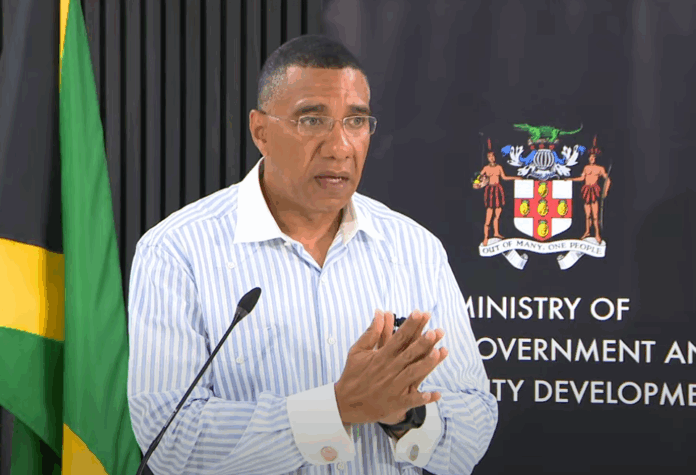
Jamaica’s Prime Minister Andrew Holness is urging the development of an enterprise-level contracting sector to support the Government’s target of delivering 150,000 housing solutions to meet national demand.

“As we scale up what we’re going to do, contractors must also scale up their capabilities, their competence, and their resources. We are going to be increasing the capital budget… we’re going to be bringing more projects on stream. We need you to be ready… we need you to make the investments in yourselves [and] in your communities,” the Prime Minister said.

He was delivering the keynote address at the groundbreaking ceremony for the Galina Housing Development in St. Mary on April 24.

Dr. Holness noted that each year a “significant percentage” of the capital budget is returned to the Ministry of Finance and the Public Service because approved projects are not completed.

Beyond the many processes that precede construction, he said the issue of uncompleted projects is also linked to contractors, whom he described as critical to national development.

Dr. Holness stressed that contractors are essential to achieving the Government’s 150,000 housing target.

He explained that the strategy involves engaging individuals with proven housing construction experience and entering into legal agreements that obligate them to deliver homes at a specified price, quality standard, and within a defined timeframe.

The Prime Minister said Jamaica needs a contracting class that operates at enterprise scale—one that invests in technical skills, integrates technology, and builds the financial capacity to support major capital projects.

Dr. Holness said contractors must have the capacity to take on up to 10,000 houses at a time to make a meaningful impact.

He also urged local contractors to embrace innovation and leverage technology to deliver houses in half the time previously required.

The Prime Minister added that while the Government will continue to make preferential arrangements for local contractors, they must also be competitive at the regional and global levels.

For the Galina Housing Development, the National Housing Trust has partnered with Henan Fifth Construction Group Jamaica Limited.

“We welcome them into our space. We will hold them to the same standards, if not higher, for the production of houses at pace, at scale, and at the level of affordability for the average Jamaican,” Dr. Holness said.

He emphasized that their involvement must contribute to Jamaica’s broader development.

“It is not an extractive engagement. Skills transfer… technology transfer must be done. The use of Jamaican technical expertise must be done. Your corporate social responsibility to Jamaica and Jamaicans must be exercised. You must contribute to the communities that you are participating in,” the Prime Minister underscored.

Opinion: Something must be done to stop violence at schools and colleges

classroom

Recently, debate—mostly on social media—emerged in Jamaica following a newspaper report about the abuse of a male student at a prominent high school by his peers. According to reports, the first-year student was being “punished” after being accused of stealing. In the ensuing discussion, while some were highly critical of the abuse, regarding it as gross indiscipline, others condoned it, claiming it stemmed from the practice of hazing in schools and colleges.

Hazing is action taken against people joining a group—such as a school, college, team, fraternity, or club—that humiliates, degrades, abuses, or endangers them, whether physically, psychologically, or emotionally. It can range from beatings and forced alcohol consumption to sleep deprivation, verbal abuse, public embarrassment, or coercion into risky acts.

Although hazing is widely criticized—and illegal in many places—it persists for several stubborn reasons.

Many groups justify hazing as a traditional rite of passage: “We went through it, so you should too.” This creates a cycle that is difficult to break. Hazing also often reflects hierarchy, with older members asserting dominance over newcomers, which can feel rewarding to those in control.

Some people genuinely believe shared hardship builds stronger bonds. While adversity can bring people together, hazing often crosses into harm. New members may go along with it to feel accepted, avoid rejection, or gain status.

Even where laws exist, enforcement can be inconsistent. Schools sometimes prioritize reputation over accountability, quietly handling incidents. In the U.S. and countries like Jamaica, hazing can be embedded in school, sports, or fraternity culture, making it seem “normal” despite the risks.

But calling hazing mere “indiscipline” understates the issue. In most cases, it is plain abuse—and sometimes even criminal assault. Severe cases can lead to serious injury or death.

Some U.S. states have anti-hazing laws, and schools often enforce strict policies. Jamaica and other countries have also publicly condemned hazing, though enforcement varies.

Hazing—and any violence in schools and colleges—should be banned. In many institutions, strict rules already exist. The real issue is closing the gap between policy and practice.

Strict bans are necessary but not sufficient. What’s needed are meaningful disciplinary actions that are consistently enforced. There should also be education about what constitutes hazing, along with safe alternatives for team-building and initiation.

Hazing, and other student-on-student violence, persists not because it is harmless, but because it is often socially tolerated, poorly enforced, and disguised as tradition. This is not a legitimate way to build discipline or unity; in fact, it often does the opposite by normalizing harm and silence. The real challenge is how institutions and cultures stop tolerating it—that is where change tends to lag.

Although abuse and violence in Caribbean schools and colleges, including Jamaica, are cause for concern, they are generally not at the same level as violence reported at some U.S. colleges. Still, there have been several high-profile hazing cases in the U.S. in recent years.

In 2026, a freshman at an Arizona college died after being forced to drink large amounts of vodka during a fraternity event; his blood alcohol level was five times the legal limit. Most fatal hazing cases in the U.S. involve forced drinking and delayed medical response.

At a Texas university, new students were forced to perform hundreds of squats, leading to a dangerous medical condition. Other historical cases include forced hikes without water resulting in heatstroke deaths, and blindfolding and physical assaults causing critical injuries, including fatal head trauma. What begins as “team building” can quickly escalate into serious bodily harm. Research shows there has been at least one hazing-related death annually in the U.S. for decades.

Globally, hazing often includes public humiliation, intimidation, and psychological abuse. Even non-physical hazing can lead to severe emotional distress and students leaving school. Hazing and bullying frequently result in mental trauma, which remains underreported.

In U.S. states like Florida, hazing is explicitly illegal and can result in criminal charges. There is also a federal law—the Stop Campus Hazing Act (2024)—requiring colleges to publicly report hazing incidents and improve transparency and accountability.

Despite these laws, hazing continues in the U.S., with enforcement lagging behind policy.

Jamaica does not have the same volume of publicly documented hazing cases as the U.S., but incidents have been reported in high schools, sports teams, and universities. These are often described as “initiation” or “licks,” typically involving beatings and humiliation. While widely condemned, the practice persists due to cultural normalization, weak enforcement, and silence from victims. The pattern is similar—just less formally tracked.

Hazing and school violence can become generational, with each cohort trying to outdo the last.

There is also evidence of group psychology at play, where otherwise ordinary students go along with abuse, fail to intervene, and delay seeking help. When harm occurs, authorities react—disciplining students and tightening policies—but often only after the fact.

Hazing is not just indiscipline; it is often organized abuse. It must be stopped. It continues not because people don’t know it is wrong, but because some still reward it and institutions do not consistently prevent it.

BVI, Dominican Republic to sign bilateral agreement in June, back deeper regional integration

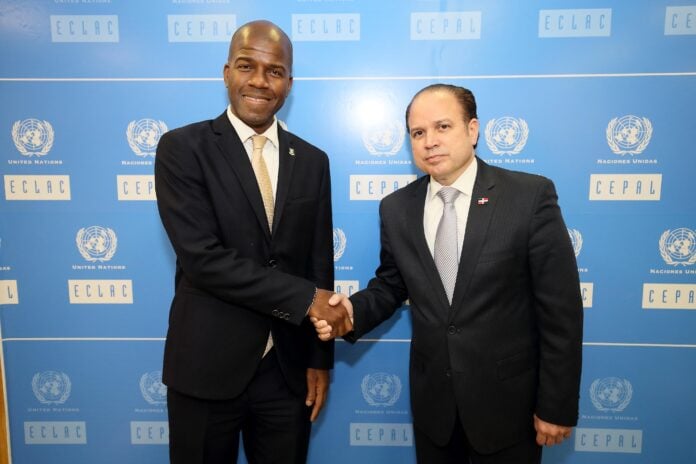
Left to right: BVI Special Envoy Mr. Benito Wheatley and Dominican Republic Vice Minister Hon. Hugo Rivera

The British Virgin Islands and the Dominican Republic are set to sign a bilateral agreement in June aimed at strengthening cooperation across key sectors, including trade, transportation, health and culture.

The planned agreement was confirmed following talks in Santiago between BVI Special Envoy Benito Wheatley and Dominican Republic Vice Minister for Economic Affairs and International Cooperation Hugo Rivera.

“We are in the final stages of planning for the signing of the bilateral agreement in June by our political leaders that will boost our trade and deepen our cooperation in other critical sectors,” Wheatley said, noting ongoing engagement with Rivera to advance ties between the two territories.

Beyond the bilateral pact, both officials discussed a Dominican Republic-led initiative aimed at advancing economic integration across the Greater Caribbean. The effort seeks to strengthen trade flows and improve the region’s resilience to external economic shocks by accelerating cooperation between Latin America and the Caribbean.

Wheatley signaled the BVI’s support for the initiative, indicating the territory would work alongside the Dominican Republic through regional bodies such as the United Nations Economic Commission for Latin America and the Caribbean and the Association of Caribbean States to promote closer integration.

While in Chile, Wheatley also participated in a panel discussion on regional integration alongside Carla Barnett, secretary-general of the Caribbean Community, and José Manuel Salazar-Xirinachs, executive secretary of ECLAC.

The panel, titled “Advancing Regional Integration in a Fragmented Global Economy: From Commitments to Implementation,” was held at ECLAC headquarters during the 9th Meeting of the Forum of the Countries of Latin America and the Caribbean on Sustainable Development.

“Regional integration has the ability to help unleash the immense potential of Latin America and the Caribbean and to make our region more resilient in the face of global instability, economic uncertainty and climate insecurity,” Wheatley said.

JAAA, Seville camp reject rift claims as relay withdrawal traced to travel timing clash

Oblique Seville

The Jamaica Athletics Administrative Association (JAAA) and the management team of reigning men’s 100-meter world champion Oblique Seville have firmly rejected claims that a dispute over airfare costs led to the sprinter’s withdrawal from Jamaica’s squad for this weekend’s World Athletics Relays in Botswana.

Instead, both parties insist the decision came down to a complicated scheduling conflict tied to the athlete’s obligations in the United States, a logistical challenge they say ultimately proved impossible to solve despite extensive efforts.

Seville had initially been named among Jamaica’s headline selections for the men’s 4x100m relay squad for the two-day championship at the Botswana National Stadium in Gaborone on May 2 and 3. His absence, however, quickly fueled speculation that tensions had emerged between the athlete’s camp and the national governing body over travel arrangements.

Those claims intensified after reports suggested the JAAA had declined to absorb the cost of a shorter and more convenient travel route for the sprinter.

The federation moved swiftly to shut down that narrative.

“We have seen comments from sections of the media stating that arising from a dispute between the JAAA and Oblique Seville regarding the price of his ticket, it has resulted in the athlete having to withdraw from Jamaica’s team,” the organization said in a public statement.

“This is factually inaccurate…. There was never an impasse between agents acting on behalf of Oblique Seville and the JAAA regarding payment for travel tickets.”

Return deadline became the deciding factor

According to the JAAA, the core issue centered on the athlete’s required return to Miami to satisfy a contractual commitment that could not be missed.

Association officials explained that available travel schedules from Botswana could not guarantee Seville’s arrival back in the United States within the necessary timeframe.

“There was an issue regarding the earliest date that he could return to Miami in order to meet a contractual obligation,” the JAAA stated.

The federation said discussions were held with Seville’s representatives in an attempt to resolve the matter, but the available travel options created a major obstacle.

“His agent was advised that the earliest possible date on available flights that would allow him to return to Miami was on May 5, 2026, after midday. We therefore could not guarantee an earlier return,” the statement continued.

Ultimately, the JAAA said it received formal notice from Seville’s manager, Norman Peart, confirming the athlete’s withdrawal from the squad while reaffirming his willingness to represent Jamaica in future competitions.

Seville’s camp says effort was made to find a solution

Peart later echoed the federation’s explanation, dismissing suggestions that relations between the athlete and the governing body had deteriorated.

Speaking publicly after the controversy surfaced, Peart described the situation as an unfortunate clash of timing and international travel logistics rather than a conflict between the two sides.

“We had some challenges; we really worked hard to get this done but it couldn’t happen,” he said. “The logistics coming out of Botswana just could not work.”

He also praised the federation’s efforts to salvage the arrangement.

“I must say the JAAA really went out of their way to see if it could be resolved, but the timing and the whole logistics of getting back from Botswana is very challenging and could not work out because he had to get back to the United States, and it’s something he cannot miss.”

Peart added that Seville was deeply disappointed to miss the opportunity to compete for Jamaica at the global relay championships.

Jamaica’s relay plans take another hit

Seville’s withdrawal adds to a growing list of setbacks for Jamaica ahead of the championships.

Olympic and World Championships silver medalist Kishane Thompson has also been ruled out, reportedly because of injury concerns, while Roshawn Clarke and Tajh Marques-White have also withdrawn from the national squad.

The losses leave Jamaica facing significant adjustments as it pursues automatic qualification for next year’s World Athletics Championships in Beijing.

Despite the withdrawals, the country is still expected to field a competitive men’s sprint relay unit featuring athletes such as Ackeem Blake, Rohan Watson, and Kadrian Goldson.

Seville’s absence also removes one of Jamaica’s premier sprint talents from a competition in which he has yet to compete.

Although he did not previously appear at the World Relays, the world champion played a major role in helping Jamaica secure qualification for last year’s World Championships during the London Diamond League circuit after the team endured disappointment at the relay championships.

That frustration continued at the World Championships, where Jamaica’s sprint relay team failed to medal after dropping the baton during the heats.

Now, with another major championship approaching and several key names unavailable, Jamaica’s relay program once again faces the challenge of regrouping under pressure, this time without one of the fastest men in the world.


Chase and Bishop weave web of destruction as Scorpions crumble

Jamaica Scorpions

For decades, Sabina Park has been synonymous with hostile fast bowling, steep bounce, and intimidating pace attacks.

But on the second day of the West Indies Championship clash between the Jamaica Scorpions and the Barbados Pride, the famous venue transformed into something entirely different, a spinning maze that swallowed Jamaica’s batting lineup whole.

By stumps, Barbados had tightened a suffocating grip on the contest, reducing the Scorpions to 22 for 1 in their second innings after enforcing the follow-on, leaving the hosts still buried 275 runs behind.

At the center of the destruction stood Roston Chase and Joshua Bishop, whose relentless spin barrage dismantled Jamaica’s resistance and pushed Barbados within touching distance of leveling the three-match series.

Pride stretch the advantage before delivering the knockout blow

Resuming the morning strongly placed at 346 for 5, Barbados wasted little time turning a solid position into outright dominance.

Chase, unbeaten overnight on 82, and Leniko Boucher accelerated confidently, bringing up a century partnership in just 125 deliveries as Jamaica’s bowlers searched desperately for a breakthrough.

Boucher blended patience with controlled aggression on his way to 50 before finally edging Marquino Mindley behind with the total on 358. His innings included five boundaries and a six.

Chase appeared destined for a century of his own, but after advancing to 84, he miscued a hook shot off Mindley and picked out Abhijai Mansingh at midwicket.

That breakthrough briefly hinted at a Jamaican resurgence as Barbados slipped to 367 for 7, and hopes grew when Jomel Warrican and Bishop departed cheaply.

Instead, the lower order delivered another painful blow to the hosts.

Shamar Springer and last man Jediah Blades frustrated Jamaica with a stubborn 63-run, final-wicket stand that pushed the visitors to an imposing 439 before lunch.

Springer remained unbeaten on 45, while Blades chipped in with 21 before Mindley finally ended the innings.

Mindley and Odean Smith claimed three wickets each, while Brad Barnes took two.

Hope vanishes as Jamaica implodes

Jamaica’s reply began cautiously, with openers grinding through 11 overs to post a half-century stand that suggested the hosts might stabilize the contest.

But the moment Chase entered the attack, the innings unraveled with startling speed.

Captain John Campbell, after battling to 36, became Chase’s first major breakthrough when he was beaten by the off-spinner with the score on 61.

Six runs later, disaster struck again.

Brandon King attempted to cut a sharply turning delivery from Chase, only to see his off stump knocked backward as he departed for one.

Though Javelle Glenn and Kirk McKenzie briefly steadied the innings, the resistance never truly settled.

McKenzie fought through 86 deliveries for 31 before slashing Blades directly to point, leaving Jamaica at 95 for 3.

What followed was complete collapse.

The remaining seven wickets disappeared for just 47 runs as Barbados’ spinners exploited the deteriorating surface with ruthless precision. Jamaican batters lunged uncertainly forward, misread length, and succumbed to catches around the bat, lbw decisions, and deliveries that crashed into the stumps.

Chase was devastating, claiming 5 for 28 and threatening a hat-trick during one ferocious spell. Bishop compounded the misery with 4 for 31 as the Scorpions were skittled for 142.

Glenn made 21, while Romaine Morris added 19, but Jamaica’s innings never recovered from the middle-order collapse.

Follow-on begins with immediate disaster

Forced to bat again after conceding a massive 297-run deficit, the Scorpions suffered another early blow almost instantly.

Just three deliveries into the second innings, Bishop shattered Campbell’s stumps for a duck, deepening the crisis inside the Jamaican camp.

King and McKenzie survived the remaining overs to carry the hosts to 22 for 1 at the close, but Barbados remained firmly in command.

After play, Bishop spoke confidently about Barbados’ dominance and credited both the batting foundation and disciplined bowling partnerships for putting the visitors in control.

“Today was a good batting and bowling day. The batsmen really set us up to come in this position, to come and bowl the way we did today,” Bishop said.

“We mainly bowled in partnerships, from Roston and me, to Jediah and Shamar together. So all in all, the wicket was taking spin, so it was just mainly the bowling partnerships.”

With Jamaica still facing a towering deficit and two days remaining, Bishop made it clear Barbados believes victory is close.

“Right now, at the moment, we’re in a very good position because we have them one down for less than probably 40. So we’re in a very good position to come back tomorrow and bowl them out to win the game.”

For the Scorpions, the path forward now looks painfully narrow. On a pitch increasingly dominated by spin and uncertainty, only an extraordinary resistance can prevent Barbados from completing a commanding victory and squaring the series.


Da Silva’s double century powers Red Force into commanding position

West Indies

At the historic Antigua Recreation Ground, Joshua Da Silva delivered an innings of endurance, precision, and authority that left the Leeward Islands Hurricanes under immense pressure and pushed the Trinidad and Tobago Red Force firmly into control of their West Indies Championship contest.

By the close of the second day, the Red Force captain had transformed a strong overnight position into overwhelming dominance, crafting a magnificent career-best 220 to propel his side to a towering 522 for 9 declared.

The damage did not end there.

With momentum completely in their favor, Trinidad and Tobago’s bowlers struck swiftly, reducing the Hurricanes to 88 for 4 by stumps and leaving the home side staring at a massive 434-run deficit.

Da Silva turns promise into punishment

Resuming the morning unbeaten on 72 with the Red Force already well positioned at 247 for 3, Da Silva methodically tightened his grip on the match.

While his overnight partner Amir Jangoo added only 14 more runs before falling to off-spinner Rahkeem Cornwall, Da Silva remained unshaken.

The innings briefly threatened to lose momentum when explosive opener Evin Lewis, who had retired hurt on the opening day, was run out shortly afterward, leaving the visitors at 291 for 5.

Instead of retreating, Da Silva accelerated the Red Force’s control.

His century arrived in unusual fashion when an inside edge off fast bowler Oshane Thomas raced to the fine leg boundary. That stroke, coming off his 183rd delivery, secured his third first-class century and signaled the beginning of an even more punishing phase for the Hurricanes.

Partnerships tighten the noose

Da Silva found critical support from Terrance Hinds, and together they constructed a commanding 132-run, sixth-wicket stand that steadily drained the resistance from the Hurricanes attack.

Hinds contributed 44 before departing, while lower-order contributions from Khary Pierre and Joshua James kept the scoreboard moving.

Still, the innings remained anchored by Da Silva’s relentless concentration.

He eventually reached his double century with a quick single behind point off Karima Gore, and moments later surpassed his previous highest first-class score of 218.

By the time Gore finally ended the captain’s remarkable innings, Da Silva had occupied the crease for more than seven hours, faced 304 deliveries, and struck 20 boundaries along with two sixes.

His dismissal triggered the declaration, with the Red Force having amassed their highest total of the tournament.

Gore emerged as the Hurricanes’ most effective bowler with 4 for 86, while Thomas claimed 2 for 70.

Phillip strikes as Hurricanes collapse early

Any hopes the Hurricanes had of stabilizing the contest disappeared almost immediately once their reply began.

Fast bowler Anderson Phillip ripped through the top order, removing both Mikyle Louis and Kofi James for ducks before the scoreboard had moved.

Reeling at 0 for 2, the Hurricanes desperately needed resistance.

Gore and Keacy Carty attempted to rebuild through a steady 62-run partnership that briefly calmed the chaos.

But the recovery unraveled quickly.

Carty departed for 18, and Jewel Andrew fell without scoring as the Hurricanes slipped again, collapsing to 63 for 4.

Gore, however, continued to fight, finishing unbeaten on 60 and carrying the responsibility of rescue efforts alongside captain Justin Greaves heading into the third day.

With the follow-on threat looming heavily, the Hurricanes face an uphill battle merely to stay alive in the match.

Harpy Eagles and Volcanoes locked in tight contest

Meanwhile, at the Coolidge Cricket Ground, the clash between the Guyana Harpy Eagles and the Windward Islands Volcanoes remains delicately balanced.

The Volcanoes were dismissed for 223 in reply to Guyana’s first-innings total of 242, conceding a narrow 19-run deficit.

But the match shifted again late in the day as the Volcanoes struck twice to leave the Harpy Eagles at 44 for 2 in their second innings, holding an overall lead of 63 runs heading into day three.


Nicholas Paul battles to keirin bronze in thrilling Malaysian showdown

The roar of expectation turned to heartbreak on Sunday as Trinidad and Tobago’s cycling ace Nicholas Paul

Against a field loaded with world champions, continental stars, and seasoned sprint specialists, Nicholas Paul refused to fade into the background.

Instead, the Trinidad and Tobago cyclist delivered a fearless and calculated performance Saturday at the UCI Track World Cup in Nilai, Malaysia, surging to the bronze medal in a dramatic men’s keirin final that demanded both tactical precision and raw courage.

Competing against reigning world champion Harrie Lavreysen, Asian Games champion Mohammed Azizulhasni Awang, France’s Rayal Helal, Germany’s Henric Hackmann, and Japan’s Minato Nakaishi, Paul entered the final knowing he would need something extraordinary to secure a podium finish.

He found exactly that when the race exploded into life.

Paul times his charge perfectly

As the derny bike controlled the early pace, Paul settled near the rear of the tightly packed field, carefully tracking the movements unfolding ahead of him.

Lavreysen positioned himself several places in front of the Trinidad and Tobago rider, while Awang sat even closer to the front, waiting for the decisive moment.

The complexion of the race changed instantly once the derny peeled away.

Sensing the acceleration building, Paul reacted aggressively with three laps remaining, launching a decisive move in pursuit of Hackmann, who had already begun pressing forward in an attempt to break the race open.

The Trinidad and Tobago rider, once the holder of the flying 200m sprint world record after his stunning 9.100-second performance at the 2019 Elite Pan American Track Cycling Championships in Cochabamba, surged into contention with remarkable speed and control.

By the final lap, Paul had drawn level with the leaders and forced himself into the center of a frantic battle for gold.

A furious finish decides the medals

As the riders stormed into the closing straightaway, Paul briefly appeared poised to snatch victory.

But the final meters turned into an all-out sprint duel.

Awang produced a late burst to edge past the Trinidad and Tobago cyclist and secure the gold medal, while Lavreysen powered home for silver.

Paul crossed moments later to clinch bronze after one of the most determined rides of the competition.

Behind the medalists, Nakaishi, Helal, and Hackmann rounded out the top six positions.

Wallace falls short in sprint competition

Earlier in the competition, fellow Trinidad and Tobago rider Makaira Wallace saw her campaign end in the women’s sprint event.

Wallace advanced to the round of 1/16 after squeezing into the knockout phase during qualifying, where 28 riders contested the flying 200m time trial.

Her time of 10.993 seconds earned the final qualifying spot.

However, her path became significantly tougher in the elimination rounds.

Matched against Colombian rival Stefany Florez Cuadrado in Heat 1 of the match sprint, Wallace was unable to overturn the gap in form between the two riders.

Cuadrado had entered the knockout rounds strongly after recording the fifth-fastest qualifying time of 10.457 seconds, trailing only the leading contenders, including Britain’s Emma Finucane, who topped the qualifying standings with a blistering 10.130-second effort.

Despite Wallace’s early exit, Paul’s podium performance ensured Trinidad and Tobago left the Malaysian stop of the World Cup circuit with a medal earned through resilience, tactical nerve, and elite-level execution against some of the sport’s most accomplished riders.


Bunny Shaw strikes again, but Brighton stun Manchester City in WSL upset

Just when Manchester City W.F.C. appeared poised to edge closer to long-awaited Women’s Super League glory, Brighton & Hove Albion W.F.C. delivered a crushing reality check.

At Crawley on Saturday, City’s pursuit of a first league title in a decade suffered a damaging setback as Brighton stormed back from an early deficit to claim a dramatic 3-2 victory, spoiling what could have been a defining afternoon for the league leaders.

Even another goal from Jamaican star Khadija “Bunny” Shaw could not rescue City from a defeat that reopened questions around the championship race.

Fast start raises title expectations

Manchester City entered the contest knowing victory could place them on the brink of securing the WSL crown.

With only two matches remaining, the visitors understood that three points, combined with a stumble from Arsenal W.F.C. against Leicester City W.F.C. later in the week, could allow them to seal the title without taking the field again.

They initially played with the urgency of a team determined to finish the job quickly.

City struck first in the fifth minute when Kerolin gave the visitors an early advantage, injecting immediate confidence into the title-chasing side.

For long stretches of the opening half, City appeared in control.

But the momentum shifted dramatically just before the interval.

Brighton flip the match

Deep into first-half stoppage time, Madison Haley capped a flowing Brighton attack with the equalizer that reignited the home crowd and changed the complexion of the match.

That breakthrough fueled Brighton’s confidence, and the hosts returned from halftime playing with far greater aggression and belief.

Only two minutes into the second half, Brighton struck again.

Veteran playmaker Fran Kirby threaded a precise pass into the path of Kiko Seike, who burst forward before firing a powerful finish past the goalkeeper at the near post.

Suddenly, City looked rattled.

Brighton sensed vulnerability and continued to press relentlessly.

Their reward came again in the 65th minute when Haley punished the visitors for failing to clear their lines. After goalkeeper Ayaka Yamashita parried her initial attempt, Haley reacted quickest to head home her second goal of the afternoon.

Shaw’s late goal sparks hope, but not a comeback

Trailing by two goals late in the contest, Manchester City desperately searched for a route back into the match.

Shaw provided that spark in the 86th minute.

The prolific Jamaican forward continued her outstanding campaign by scoring her 19th league goal of the season, narrowing the deficit and briefly reviving hopes of a late escape for the visitors.

But Brighton refused to surrender.

The home side defended resolutely through the closing moments to secure only their second-ever WSL victory over Manchester City in 15 meetings.

Title race still in the balance

Despite the setback, Manchester City remain in control of their destiny and can still secure the league title by winning their final two matches.

Yet the defeat served as a painful reminder that nothing in the WSL title race will come easily.

For Brighton, meanwhile, the result stood as one of their most memorable victories of the season, a fearless performance that rattled the league leaders and disrupted what many expected would be another step toward Manchester City’s coronation.


How early rejection and a medical scare forged the resolve of Ackeem Auguste

Ackeem Auguste

Long before he became a rising Caribbean cricketer, Ackeem Auguste was simply a little boy standing in a backyard in Saint Lucia, gripping a bat while his father bowled at him.

He was only four years old, but even then, the game had already begun to shape his world.

What started as childhood play gradually evolved into something deeper, a pursuit driven not by noise or showmanship, but by quiet determination. Today, beneath Auguste’s easygoing personality and infectious smile lives a competitor molded by disappointment, sharpened by adversity, and sustained by an unwavering commitment to self-improvement.

The rejection that changed everything

By the age of 12, cricket had become more than a pastime. Auguste had already developed ambitions that stretched beyond neighborhood games and schoolboy cricket.

Then came the moment that altered his mindset forever.

After failing to earn selection to the Windward Islands Under-15 team, the young Saint Lucian experienced the sting of rejection that so often defines young athletes.

Rather than crushing his confidence, the setback ignited something within him.

“I didn’t get selected and from then on, I never wanted to get that feeling again of being left out of a team. I started to train a little harder and be more intentional with the things I was working on,” he admitted.

That disappointment became a turning point, the moment when casual talent transformed into disciplined ambition.

Calm personality, fierce commitment

To those around him, Auguste often appears relaxed, cheerful, and carefree.

But over time, he learned that succeeding in professional sport demands a separation between personality and purpose.

Behind the laid-back demeanor stands an athlete deeply committed to constant improvement, someone who understands that progress is built through sacrifice, discipline, and relentless preparation.

As experience accumulated, so too did his seriousness toward the craft.

A career halted by a medical emergency

Nothing tested Auguste’s resilience more brutally than the events leading up to the recently concluded ICC Men’s T20 World Cup in India.

Late in 2025, his career appeared to be gathering momentum. He had already made his international debuts in both T20 and One-Day cricket while also gaining exposure through franchise leagues abroad.

Then, without warning, everything changed.

What initially appeared to be ordinary gastro-related symptoms soon escalated into a severe medical emergency. Auguste was diagnosed with a twisted intestine and required urgent surgery.

The timing could hardly have been worse.

The illness ruled him out of the World Cup, a crushing setback for a young player on the rise.

“Missing out on the World Cup, I felt it,” he said. “It gave me some extra motivation to start back training so I can get back to where I was and even better.”

The long climb back

Recovery demanded patience.

Simple milestones, eating solid food, moving comfortably, rebuilding strength, returned gradually rather than all at once.

Still, Auguste remained focused on returning to the game he loved.

Months later, he finally stepped back onto the field in a club match in Antigua, marking the beginning of his competitive comeback as his training intensity steadily increased.

When he returned to action for the in the 2026 West Indies Championship, signs of his quality quickly resurfaced.

Twice, he reached scores in the nineties, though a maiden century continued to narrowly evade him.

Yet even those near-misses were viewed through a lens of gratitude rather than frustration.

“If somebody told me that I would get ninety-odd twice compared to two ducks, I would take the ninety odd,” he said. “I’m just grateful for whatever I get and I’m going to try to learn as much as possible so I can get over that barrier.”

Trusting the process

For Auguste, progress is not measured solely by statistics.

His philosophy centers on preparation, patience, and faith in the work being done behind the scenes.

“If you put in the work, trust that at the right time you will get a score because a score is around the corner,” he urged.

“Focus more on the process and not so much the results, because eventually it will come.”

It is a mindset forged through setbacks, from childhood rejection to medical hardship, and strengthened by the understanding that success rarely arrives instantly.

Defining success beyond cricket

At just 22 years old, Auguste already speaks with the perspective of someone who understands that sport alone cannot define a person.

When asked what would constitute a successful season, his answer extended beyond runs, averages, or personal milestones.

“Success for me is being the best person that I can be overall, whether it be in the sport of cricket or just everyday life,” he explained.

“I want to represent myself and my family well and do the job for the team whenever it comes around.”

Somewhere in Saint Lucia, the backyard where it all began still exists, a quiet reminder of the earliest days of a journey shaped by resilience, discipline, and hunger.

And perhaps there is also a father who recognized long ago that the young boy standing at the crease was always worth bowling to.


Bartlett targets south coast towns for expansion of ‘edutourism’ in Jamaica

Tourism Minister, Hon. Edmund Bartlett (right), tours a section of the Appleton Estate Rum Tour in St. Elizabeth with Master Blender, Joy Spence (centre), and J. Wray and Nephew Jamaica General Manager, Cecil Smith Jr. (left). The visit, on Thursday (April 23), formed part of the Ministry’s South Coast Confidence Tour.

Jamaica’s Tourism Minister Edmund Bartlett says several towns along Jamaica’s south coast and surrounding areas are being positioned to tap into growing global demand for educational and knowledge-based travel, as the country looks to diversify its tourism product beyond traditional leisure offerings.

Bartlett made the disclosure during a visit to the Appleton Estate Rum Tour in St. Elizabeth on Thursday as part of the South Coast Confidence Tour, where he outlined plans to develop what he described as “edutourism” hubs.

“We’re looking at how to reposition Mandeville as a centre… for ‘edutourism’ [or] knowledge tourism, an important part of the psychographic profile of the market that we have not spent much time tapping into,” he said.

The minister pointed to Mandeville in Manchester and Malvern in St. Elizabeth as key locations with strong potential due to their concentration of educational institutions and learning facilities.

“These are townships that we’re looking at, because of the constellation of educational institutions that are there, and the drive across the world for knowledge and for people to travel for these experiences,” Bartlett added.

He said the concept aligns with global trends where cities and towns attract international students, researchers, and academic visitors who contribute to local economies through longer stays and specialised travel.

Bartlett noted that the strategy is part of a wider effort to expand Jamaica’s tourism sector into new niche markets, reducing reliance on sun, sea, and sand tourism while leveraging existing community assets.

“We want to position some of our towns that have that capability as the ‘edutourism’ centres of Jamaica,” he said.

The South Coast Confidence Tour also included Permanent Secretary in the Tourism Ministry Jennifer Griffith, Tourism Enhancement Fund Executive Director Dr. Carey Wallace, and Tourism Product Development Company Executive Director Wade Mars.

Officials said the tour is highlighting heritage, ecological, and cultural attractions across St. Elizabeth and neighbouring parishes as Jamaica continues to pursue post-disruption recovery and long-term tourism growth.

Miami-Dade weighs second major airport as Miami International nears capacity limits

Miami International Airport

Miami-Dade County officials are evaluating whether to build a second major commercial airport as Miami International Airport approaches capacity constraints that could affect future growth and increase delays.

A 63-page report from the county mayor, detailed by Loca10 News, indicates Miami International is currently operating at about 80% of its airfield capacity—levels at which the Federal Aviation Administration typically recommends expansion to avoid congestion and operational slowdowns.

“Capacity challenges could impact growth, create travel delays, and affect our competitiveness,” said Miami-Dade Commission Chair Anthony Rodriguez. “We have to act now and plan ahead.”

County commissioners are now weighing three long-term options: constructing an entirely new airport within Miami-Dade, or expanding either Miami Executive Airport in southwest Miami-Dade or Miami Homestead General Aviation Airport into full-scale commercial facilities.

The county commission has instructed the mayor to return with a funding strategy by early June.

If approved, officials say any expansion of existing airports would take roughly 12 to 15 years to complete, while building a new airport from scratch could require up to two decades.

The discussion comes as part of broader aviation planning tied to projected demand growth. Officials have pointed to a $14 billion capital improvement program for Miami International Airport, which aims to handle 77 million passengers and 4.2 million tons of cargo by 2040.

The issue was highlighted during recent “State of the Ports” discussions, where officials underscored rising passenger and cargo volumes and the need for long-term infrastructure planning to keep pace with South Florida’s growth trajectory.

US Coast Guard offloads over $53M in cocaine seized in Caribbean Sea

The U.S. Coast Guard Cutter Escanaba offloaded approximately 7,050 pounds of cocaine valued at more than $53 million on Monday at Port Everglades, following interdictions in the Caribbean Sea and the Eastern Pacific Ocean.

The seizures stemmed from two separate maritime operations targeting drug smuggling routes used by transnational criminal organizations. The Coast Guard said the interdictions were carried out in coordination with multiple units, including Coast Guard Helicopter Interdiction Tactical Squadron teams, Joint Interagency Task Force South, and watchstanders from the Coast Guard’s Southeast and Southwest Districts.

“The crew’s achievements on this patrol reflect the very best of our service—courage, vigilance, and an unshakeable commitment to protecting the American people,” said Cmdr. Nicholas Seniuk, commanding officer of the Escanaba. “Every pound of narcotics kept off our streets represents lives changed, violence prevented, and communities made safer.”

The Coast Guard described the operation as part of a broader surge in counter-narcotics activity across maritime transit zones, noting that the vast majority of drug interdictions bound for the United States occur at sea.

Officials said such operations are critical in disrupting cartel supply chains, which also contribute to the production and trafficking of illegal fentanyl.

According to the agency, it has seized more than 511,000 pounds of cocaine in 2025—more than triple its annual average—through sustained maritime enforcement efforts, including intensified operations under “Operation Pacific Viper.” Since the launch of that initiative in August, the Coast Guard says it has seized more than 215,000 pounds of cocaine and apprehended 160 suspected traffickers.

The agency credited interagency coordination and international cooperation as key to identifying and tracking suspected smuggling vessels before conducting interdictions at sea.

Interdictions in the Caribbean Sea fall under the Coast Guard’s Southeast District in Miami, while those in the Eastern Pacific are managed through the Southwest District in Alameda, California.

The Escanaba, a 270-foot medium endurance cutter homeported in Portsmouth, Virginia, operates under U.S. Coast Guard Atlantic Area Command.

Guyana private sector condemns Venezuelan Essequibo imagery during Barbados visit

In this official Barbados government picture, Venezuela’s President, Delcy Rodriguez is seen wearing a brooch depicting a map of Venezuela that includes Guyana’s Essequibo Region as she interacts with the Prime Minister of Barbados, Mia Mottley.

The Private Sector Commission (PSC) of Guyana has strongly condemned what it described as a “deliberate and provocative display of imagery” by Venezuela’s Acting President Delcy Rodríguez during recent high-level engagements in Barbados, warning that continued silence from regional partners could embolden further escalation over the long-running Essequibo territorial dispute.

The statement followed Rodríguez’s April 26–27 state visit to Barbados, during which imagery depicting Guyana’s Essequibo region as part of Venezuela was reportedly displayed in the presence of Barbadian Prime Minister Mia Mottley.

The PSC said the incident reflects a broader pattern of symbolic actions aimed at undermining Guyana’s sovereignty and influencing regional perceptions.

“This act is neither incidental nor benign,” the Commission stated, describing it as “symbolic aggression” intended to shape narratives and test international resolve.

The PSC reaffirmed Guyana’s position that “Essequibo is Guyana’s,” stressing that the territory is under Guyanese administration, inhabited by its citizens, and protected under international law.

It also pointed to Venezuela’s continued actions, including the creation of a so-called “Guayana Esequiba State,” which Georgetown considers inconsistent with orders and interim measures issued by the International Court of Justice (ICJ), as well as commitments under the Argyle Declaration.

The Commission noted that Venezuela’s recent regional diplomatic engagements, including earlier visits in Grenada and Barbados, have increasingly featured symbolic references reinforcing its claim over the disputed territory.

Calling for a unified response, the PSC urged the Government of Barbados—described as a long-standing CARICOM partner of Guyana—to take a clear stance in defence of sovereignty and territorial integrity. It also called on CARICOM and international partners to remain “vigilant and unequivocal” in their support for the rule of law.

“Silence or inaction in the face of such deliberate provocation risks emboldening further escalation,” the PSC warned.

The statement concluded with a firm reaffirmation of Guyana’s position, stressing that the country’s economic stability and development depend on respect for its internationally recognized borders.

“Essequibo belongs to Guyana,” the Commission said.

The dispute comes as the International Court of Justice prepares to hear arguments next month on the validity of the 1899 Arbitral Award that established the boundary between Guyana and Venezuela, with a final ruling expected in early 2027.