Home Blog Page 10

Jamaican-born Fort Lauderdale city manager under fire after public review

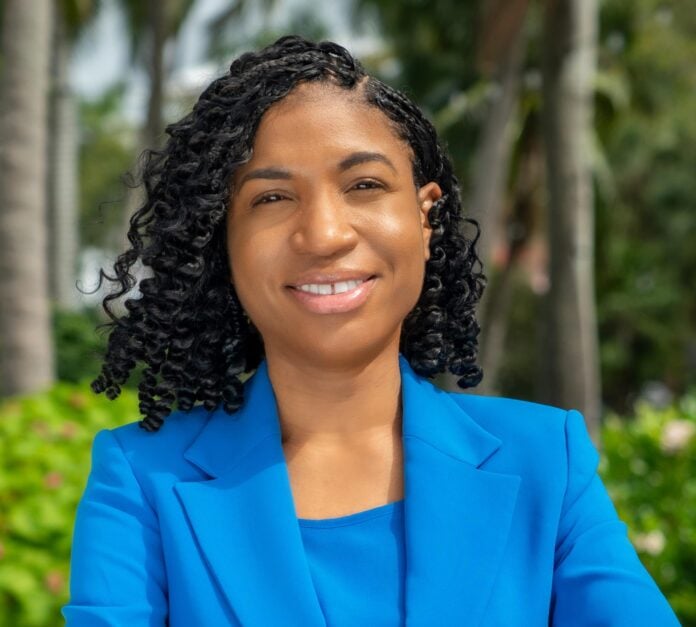
Rickelle Williams

Jamaican-born Fort Lauderdale City Manager Rickelle Williams came under intense scrutiny Tuesday night during a heated public performance review that exposed deep divisions inside City Hall and raised fresh questions about her future leading one of South Florida’s largest cities.

The dramatic two-hour meeting saw Mayor Dean Trantalis and two city commissioners openly criticize Williams’ leadership style, communication and management decisions, while supporters accused critics of unfairly targeting the 40-year-old administrator during her first year on the job.

At one point, tensions in the room escalated so sharply that commissioners took a recess after a member of the audience shouted “a Black woman,” prompting debate over whether race or gender played a role in the criticism.

Williams, who was born in Mandeville, Jamaica, firmly defended her record and vowed to continue pushing the city forward.

“I have done nothing but push this city forward,” Williams told commissioners. “Sometimes a person in my role has to be assertive and has to be a leader.”

According to reporting from the South Florida Sun Sentinel, Trantalis accused Williams of withholding important information from commissioners and creating a difficult work environment for some senior staff members, including the police and fire chiefs.

“You’ve come in here with an imperious attitude,” the mayor said. “For that reason, we are now at a crossroads.”

Commissioner John Herbst criticized Williams for expanding the city’s executive structure at a time when officials are warning about tighter financial years ahead. He argued that Fort Lauderdale had become “top heavy” with highly paid administrative positions and urged her to scale back spending.

Herbst also claimed there was growing unrest among rank-and-file police officers, including discussions about a possible vote of no confidence in Williams’ leadership.

Commissioner Steve Glassman echoed concerns about morale inside City Hall, saying employees should feel supported rather than pressured.

But Williams also received strong backing from Vice Mayor Ben Sorensen and Commissioner Pamela Beasley-Pittman, who praised her willingness to tackle longstanding problems and modernize city operations.

“She’s doing a great job,” Beasley-Pittman said during the meeting. “Yes, there’s room for improvement. But she’s doing the job.”

Williams acknowledged that her management style may have unsettled some employees but said difficult questions needed to be asked to improve the city.

“I spent the first six months just finding where the bodies are buried and addressing issues that have gone unaddressed,” she said.

The public clash unfolded just over a year after Williams took over as city manager of Fort Lauderdale, Broward County’s largest municipality. In the role, she oversees a $1.2 billion budget, more than 3,000 city employees and direct operations of the police and fire departments.

Before arriving in Fort Lauderdale, Williams built a career in public administration across South Florida, serving in top leadership roles with the City of Miami Beach, including interim city manager, assistant city manager and economic development director.

Her journey to City Hall began in Jamaica.

Born in Mandeville, Williams migrated to the United States at age 6 after her parents moved the family to Miami in pursuit of the American dream. Raised in Miami Gardens alongside her siblings, she grew up in a family centered on public service. Her mother worked as both a nurse and teacher, while her father drove county school buses.

Williams later earned graduate degrees from Florida International University and the University of Florida before establishing herself in economic development and municipal leadership.

Despite the sharp criticism Tuesday night, Williams stopped short of backing down, telling commissioners she remains fully committed to Fort Lauderdale and the work ahead.

“I do not just keep the lights on,” she said. “I push Fort Lauderdale forward.”

By the end of the meeting, commissioners voted against granting Williams a customary 3% merit raise, while Trantalis proposed placing her on a six-month probationary period to assess whether relationships at City Hall improve.

Williams’ current contract runs through 2029.

Why expensive skincare still fails for many people

glowing skin

Consider a scenario where you have high-end cleansers, serums that promise visible renewal, and creams with luxurious textures on your bathroom shelf. Better products should mean better results, right? Yet for many people, nothing really changes, or perhaps the change comprises reactive, dull, or unpredictable skin. 

This disconnect often comes down to how those products are being used together, as opposed to price or quality.

Most people don’t understand how the skin actually processes ingredients and use products blindly or based on advice from multiple sources. This is where the conversation gets tricky. It must be noted that, along with buying a product, it is also important to have sufficient knowledge  about what your skin responds to or not.

The Invisible Problem With Modern Routines

The modern routine is crowded with a lot of elements, including:

  • Cleanse
  • Tone
  • Treat
  • Boost
  • Seal
  • Protect
  • Repeat twice daily

This tells us that somewhere along the way, skincare shifted from maintenance to performance art, where more steps became better care. 

But the skin is not a checklist, but a living barrier that responds to compatibility, timing, and tolerance far more than quantity. 

When routines fail, the issue is rarely one hero product. Contrarily, it is almost always sequencing issues or ingredient conflicts, with acids layered too close to retinoids. These are actives stacked without recovery time or hydration applied after the skin has already been irritated. 

Such small decisions often compound quietly.

This is where understanding skincare layering order becomes a functional skill. Even the best products with the most effective ingredients can cancel each other out when used incorrectly.

Ingredient Compatibility Is Not Optional

The skin responds to chemistry, with ingredient compatibility determining whether actives enhance each other or compete. This matters more than brand loyalty or price point because it is steeped in reality.

For instance, retinol thrives in an environment where the skin barrier is supported. Pairing it with ceramides, cholesterol, and plant-derived lipids allows the skin to tolerate renewal without inflammation. When paired incorrectly with strong exfoliating acids in the same routine, results slow down or disappear. 

Here, retinol is no longer the problem. But the context is.

Similarly, L-ascorbic acid works best at a low pH and delivers visible brightness when applied to clean, dry skin. When you follow it immediately with peptides or niacinamide-heavy formulas, it can cause unnecessary sensitivity. 

Ingredient compatibility is also why certain botanical antioxidants are often paired with calming agents like bisabolol or green tea polyphenols to support the skin’s response. Full disclosure: none of these ingredients are bad, but they require respect for the skincare layering order and purpose.

Why Expensive Routines Often Fail First

The reason higher-end routines fail more dramatically when used incorrectly is that these products are concentrated. Many rely on active delivery systems designed to penetrate more efficiently, which becomes a liability when products are inaccurately layered.

Overwhelmed skin leads to inflammation and water loss. The routine is suddenly irritating or ineffective, which translates to brand damage and switching. The root cause is simple: the routine itself is working against the skin.

Many expensive skincare routines make a blunder with inconsistent application, poor spacing, and a misunderstanding of how much to apply.

The Quiet Importance Of Barrier-First Thinking

Healthy skin is resilient skin that depends on a functional barrier, not constant stimulation. When this is disrupted, even hydrating products can sting.

This is why modern clinical formulations often include liquid crystal lipid structures that mimic the skin’s natural architecture and allow hydration to integrate rather than sit on the surface. Squalane, jojoba esters, and shea-derived fatty acids are some ingredients that offer support here. 

Without barrier support, no active will deliver consistent results. This includes retinoids, acids, peptides, and growth-factor-inspired complexes.

The Retinol Misunderstanding

Retinol, when used correctly, improves texture, clarity, and visible aging. Otherwise, it is often the scapegoat for nearly every skincare failure.

The culprit, however, is timing, formulation, and pairing, making encapsulated or chirally-correct retinoids crucial. They release more predictably and reduce irritation, and pairing them with soothing botanicals and lipid support improves long-term results.

But applying it in the same routine as alpha hydroxy acids, aggressive scrubs, or alcohol-heavy products can make the skin inflamed, stalling results.

A Realistic Framework That Actually Works

There is no universal routine, but there are patterns that consistently support results. You should: 

  • Cleanse gently
  • Treat intentionally
  • Hydrate generously
  • Protect daily

Everything else is optional. Within that framework, ingredient alignment is indispensable: use antioxidants in the morning to defend, retinoids at night to renew, and carry out barrier repair every single day, irrespective of the goal.

Professional-grade formulations often separate themselves in this context as they are built around ingredient synergy, where the goal is predictability. It is evident that the skin responds best to simplicity.

The Myth Of Instant Transformation

Skincare marketing loves timelines, but the skin does not operate on deadlines. It operates on cycles, cellular turnover, barrier repair, and inflammatory response. But when routines shift too frequently, the skin cannot settle, feeding the belief that nothing works.

Progress in a clean clinical skincare approach often looks boring at first. There is less sensitivity, more consistency, and fewer flare-ups, but then gradually, brightness returns, and the texture smooths out.  

This kind of change does not become apparent in week one. It does so in month three.

Common Routine Mistakes That Quietly Stall Progress

Skincare routine mistakes are rarely obvious, but they are chaotic. Rectifying them often produces better results than upgrading formulas.

  • Using too many actives in one routine
  • Skipping hydration because skin feels oily
  • Applying treatments inconsistently
  • Changing products before the skin adapts

A Final Thought Worth Sitting With

Great skin is rarely the result of one miracle product. It is the outcome of cooperation between ingredients, routines, and patience.

If your shelf is full and your skin feels stuck, the answer is not more ambition. You need to align better, strip the routine back, and respect ingredient compatibility. Let the barrier lead, preventing the skin from being overwhelmed. And when that happens, expensive skincare finally starts doing what it was meant to do.

WhatsApp security myths vs reality: Why encryption doesn’t make you fully safe

Around 2 billion people send messages on WhatsApp daily, most reassured by the small grey line at the top of the chat. It’s the one that reads: “Messages and calls are end-to-end encrypted.” It sounds like a great promise to us all, but in practice, it’s closer to a fine-print disclaimer.

So while encryption protects the message’s content as it travels back and forth, it does little else. So, in this piece, we discuss what encryption on WhatsApp actually means and debunk the top myths about it.

What Does End-to-End WhatsApp Encryption Mean

So, what does end-to-end encryption mean? Essentially, for WhatsApp, encryption uses the Signal Protocol, which means only you, the sender, and the recipient hold the keys needed to read the message. That means no one else can, not WhatsApp, not Meta, not the government, or any other company. That part is true and real, and it’s a great protection method.

But the question people should be asking isn’t “is WhatsApp end-to-end encrypted,” because it has been since 2016. Rather, the question we should all be asking is what does this encryption do to the rest of my data? Unfortunately, it’s not much. This encryption protects your data by hiding its content from others, but it doesn’t mean they can’t gain access in other ways.

Myth #1: Encryption Means Hackers Can’t Touch Me

The harsh truth is that the biggest threat to your WhatsApp account has nothing to do with cryptography. Attackers don’t break the encryption you have, as they find an easier way by going around it, trying to find the gap in the door, which often presents itself through human error. A scammer texts you pretending to be your friend, asking you to send them some sort of information or verification code. Maybe a SIM-swap attack quietly transfers your number to someone else’s device. We are all susceptible to hijacks, so Moonlock presents what to do after one. It’s important to use it to learn how to reclaim your number, revoke linked devices, and warn contacts.

So, is WhatsApp safe from hackers? The protocol itself is, but you aren’t. Hackers tap into the smallest of errors we do, so that’s why you need to know how to protect yourself and how to navigate a hacking attempt.

Myth #2: My Backups Are as Safe as My Chats

So we’ve established that your live chats are locked down, but unfortunately, your backups, by default, are not. For years, WhatsApp chat backups stored on iCloud or Google Drive would sit there so plainly, which means Apple, Google, or anyone with access can read them.

However, WhatsApp now offers encrypted backup as an opt-in feature, so it’s not on by default. Most people have never considered turning it on, but it’s a critical step for securing your photos and chats. That said, if both you and the recipient have encrypted backup allowed, the photo is protected end-to-end. If either of you doesn’t, a copy lives unencrypted on a cloud server the next time a backup runs.

Myth #3: If My Messages Are Encrypted, No One Knows What I’m Doing

Again, while content is safe through WhatsApp encryption, the metadata isn’t. WhatsApp sees who you message, how often, at what time, for how long, what IP address, and which numbers are saved as contacts.

In a widely cited 2014 remark at Johns Hopkins University, former NSA and CIA director Gen. Michael Hayden bluntly said: “We kill people based on metadata.” This line has since become the go-to to express how much the pattern of a conversation can reveal, even when the words stay hidden.

So, whether it’s a journalist’s source list, a patient’s call to his doctor, none of it requires reading a single word to reconstruct. When Meta is asked by a court order, message content is off the table, but metadata is fair game.

How to Actually Stay Safer on WhatsApp

So, is WhatsApp safe for sending private photos? As we’ve discussed earlier, they are because of encryption. However, if you back up your chats, you and the recipient both need to use an encrypted backup for it to be safe from prying eyes.

So, this is what you can do to ensure you’re safer on WhatsApp:

  •       Enable two-step verification from Settings
  •       Turn on encrypted backup on every device
  •       Never share a six-digit code with anyone, as they might hijack your account
  •       Verify contacts using the security code on their profile
  •       Review your linked devices once a month and log out of anything unfamiliar
  •       Treat unrequested links as hostile until proven otherwise

Final Thoughts

Encryption is the foundation, not the ceiling. The myths above stick around because we all assume end-to-end encryption sounds like the final step, but it really is the building block. At the end, your habits, backup settings, and the metadata trail you leave behind are what decide your level of privacy.


IMF team visits Barbados for consultations and post-program discussions

A mission from the International Monetary Fund (IMF) is in Barbados this week for regular Article IV consultations with the Government, as well as discussions on a new post-programme relationship following the country’s exit from its IMF-supported programme last year.

The team, led by IMF Mission Chief Michael Perks, is scheduled to meet with Prime Minister Mia Amor Mottley; Minister of Finance Ryan Straughn; and Minister of Economic Affairs and Planning Marsha Caddle, along with officials from the Ministry of Finance, Economic Affairs and Investment, and the Central Bank of Barbados.

Minister Caddle was part of the delegation that attended a kick-off meeting on Monday morning to outline expectations for continued engagement with the Fund.

Barbados completed its Extended Fund Facility (EFF) and Resilience and Sustainability Facility (RSF) arrangements with the IMF in June 2025, after authorities said implementation of the home-grown Barbados Economic Recovery and Transformation (BERT) plan had remained strong and key objectives had been achieved.

At the time, the IMF noted that “macroeconomic stability has been reinforced, reforms have been implemented to boost fiscal sustainability, enhance growth and build resilience, and Barbados’ economy has continued to perform well.” The Fund also highlighted that growth had been robust, inflation had moderated, fiscal and external positions had improved, and the public debt-to-GDP ratio had continued to decline.

Following Monday’s meeting, Minister Caddle said Barbados’ economic approach continues to emphasise resilience and risk management.

“In Barbados’ journey since 2018, from stabilisation to growth to transformation, the management of risk in a small economy like ours has to be a part of the country’s economic management programme,” she said.

She noted that maintaining access to liquidity in times of crisis remains a priority, pointing to instruments such as the Contingent Credit Facility with the Inter-American Development Bank and natural disaster clauses.

“We have a few tools for that… But climate and environmental disasters are not the only shocks we can experience. We saw that with COVID, and we see that with the multiple and ongoing conflicts that impact our access to commodities. So, our arrangements with international financial institutions matter,” she added.

Caddle also said ongoing reforms under the BERT 3.0 framework remain focused on long-term growth and productivity, including infrastructure investment, reform of state-owned enterprises, closing skills gaps, and strengthening social sectors.

“Continuing to invest in infrastructure at a scale that matches the growth of our economy and the ambitions of our people, right-sizing state-owned enterprises… and making sustainable our investments in health, education and water are some of the BERT 3.0 targets,” she said. “While we continue with this transformation, we have to ensure that no future crisis will jeopardise our gains.”

During the week-long visit, the IMF delegation is also expected to meet with stakeholders from the public, private, and third sectors as part of its assessment of Barbados’ post-program economic framework.

Antigua and Barbuda fully constitutes new Cabinet following landslide election victory

Prime Minister of Antigua and Barbuda, Gaston Browne

Antigua and Barbuda’s new Cabinet was fully constituted on Tuesday, with 14 ministers—including the Prime Minister and Attorney General—formally appointed and issued instruments of office following the April 30 general election.

The governing party secured 15 of the 17 seats in the poll, clearing the way for a streamlined formation of government.

Prime Minister Gaston Browne and Attorney General Sir Steadroy “Cutie” Benjamin, who were sworn in over the weekend, received their instruments assigning ministerial portfolios during a ceremony held at the American University of Antigua.

The remaining ministers took their oaths of allegiance, office, and secrecy before Governor General Sir Rodney Williams, completing the constitutional process.

Under the Constitution, the Prime Minister holds all ministerial authority and assigns portfolios to members of Parliament. Officials also noted that the ceremony reflected the use of updated oaths approved earlier this year.

The newly appointed ministers will oversee a wide range of national responsibilities, including infrastructure, education, health, utilities, tourism, and social development.

Key sectors include the Antigua Public Utilities Authority and digital transformation under the ICT and Energy portfolio; infrastructure, housing, and roadworks under Housing and Works; and education institutions, including the University of the West Indies Five Islands Campus.

The Ministry of Health will oversee the Sir Lester Bird Medical Centre, public health services, environmental management, and civil service administration. The Ministry of Sports and the Creative Industries will manage national sports facilities, culture, carnival, and the wider creative sector.

Among the key appointments, Michael Joseph was named Minister for Health, Wellness, Environment and Civil Service Affairs, while Dwayne George was appointed Minister for Sports and the Creative Industries.

Other cabinet members include E.P. Chet Greene (Foreign Affairs, Trade and Immigration), Charles “Max” Fernandez (Tourism, Civil Aviation, Transportation and Investment), Melford Nicholas (Information, Communication Technologies, Utilities and Energy), Maria Vanessa Browne (Housing and Works), Daryll Matthew (Education, Science and Technology), Anthony Smith Jr. (Agriculture, Lands and the Blue Economy), and Rawdon Turner (Social and Urban Transformation).

Three Ministers of State were also appointed: Randy St. Clair Baltimore (Agriculture), Michael Freeland (Tourism), and Kiz Johnson (Social and Urban Transformation).

A Deputy Speaker has yet to be appointed, though St. Mary’s North MP Dr. Philmore Benjamin is expected to be nominated for the role.

Senators are scheduled to be sworn in on Friday at Government House, completing the formation of Parliament.

Governor General Sir Rodney Williams urged the newly appointed ministers to serve with integrity and unity, describing public office as “a duty to be discharged” in the interest of all citizens.

A Cabinet meeting is expected to follow as the new administration begins its term.

Bahamas Government moves to acquire Grand Bahama Power Company

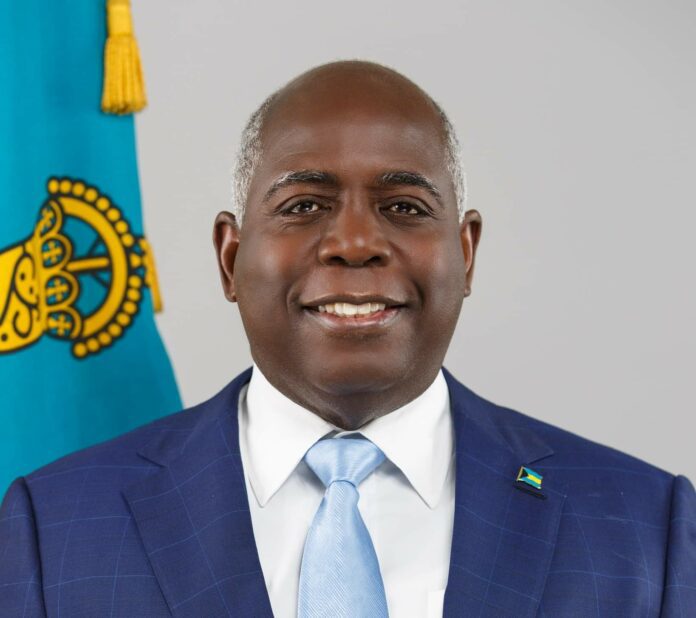
Prime Minister Philip Davis
Prime Minister Philip Davis.

The Bahamas Prime Minister Philip Davis on Tuesday announced a major government move to acquire all outstanding shares of the Grand Bahama Power Company through a special purpose vehicle, in a bid to reduce electricity costs and strengthen the island’s role in the national energy strategy.

Speaking at the announcement, Davis said the acquisition is being carried out through the Grand Bahama Electricity Company and is financed by a loan from Standard Chartered and Scotiabank, with a government guarantee.

“This decision was made with a clear purpose: to bring down the cost of electricity for the people of Grand Bahama and place this island inside our national energy strategy,” Davis said.

Under the new arrangement, Grand Bahama Power Company will adopt the Bahamas Power and Light tariff schedule for services provided on the island, a change the government says will reduce electricity bills for households and businesses.

“This is going to bring down the cost of living in Grand Bahama, and make businesses here more competitive,” the prime minister said.

He said families, small businesses, and major commercial users—including hotels, manufacturers, schools, churches, and restaurants—will all see lower electricity costs.

“Families will pay less for electricity. Small businesses will pay less. Large businesses will pay less,” Davis said.

The government argues that high energy costs have been a major barrier to investment and economic growth on the island.

“When electricity costs are too high, it’s difficult for businesses to invest, expand, and compete,” he said. “Families spend money on their light bills instead of supporting the local economy.”

Davis said the acquisition is intended to “lower the burden” on residents and improve the investment climate, adding that Grand Bahama already has key economic assets including its port, workforce, industrial base, and location.

The government also confirmed that all existing employees of Grand Bahama Power Company will retain their jobs and benefits, with the current Bahamian management team remaining in place.

“To the workers of GBPC, we believe you are ready for a New Energy Era,” Davis said, noting that employees will play a role in broader national energy reforms.

He added that trained staff from the utility will take up key positions in the government’s energy transition efforts, including engineers, technicians, system operators, and customer service professionals.

“That means Grand Bahama will help shape the energy future of The Bahamas,” he said.

Davis thanked Emera, the outgoing stakeholder in GBPC, for its long-standing role in the company’s operations and for its cooperation during the transition.

He also acknowledged the support of Standard Chartered and Scotiabank in financing the transaction.

“Small countries must choose partners carefully. Capital should serve people. Financing should support growth. Public policy should make daily life better,” he said.

The prime minister framed the move as part of a broader effort to deliver immediate relief and long-term economic renewal for the island.

“Today, the Government delivers relief on electricity. Today, workers are protected. Today, Bahamian management stays in place,” he said. “Today, this island moves closer to the centre of the country’s economic future.”

Davis said Grand Bahama residents have long waited for meaningful progress, adding that “you are done with talk — only action matters.”

He closed by saying the government believes in the island’s future.

“I believe in its workers, its families, its entrepreneurs, and its future,” he said. “The magic must return to Grand Bahama. With the right partners, the right policy, and the courage to act, it will.”

Venezuela restates claim over Essequibo at ICJ hearings, rejects court jurisdiction

Guyana Essequibo region

Venezuela on Wednesday reiterated its position that the disputed Essequibo region belongs to the South American country, telling the International Court of Justice (ICJ) that its appearance before the court is necessary because Caracas “cannot remain silent in the face of a process that Guyana intends to use to unilaterally redefine both the nature of the territorial dispute and the obligations binding Venezuela and Guyana under the Geneva Agreement.”

Venezuela’s representative, Samuel Moncada, told the ICJ that in a consultative referendum held on December 3, 2023, “the Venezuelan people clearly expressed their rejection of submitting this dispute to the court’s jurisdiction.”

“This reflects a consistent course of action in terms of sovereign will,” he said, adding that “Venezuela is here today to respond to Guyana’s erroneous and misleading narrative and to set straight the true legal framework of the territorial dispute and the limits imposed also by international law and the Geneva Agreement.”

Guyana brought the case before the ICJ in 2018, seeking confirmation that the 1899 Arbitral Award establishing the boundary is legally valid. Venezuela declared the award null in 1962 and revived its claim to the territory.

The case is being heard under the 1966 Geneva Agreement. The ICJ has already ruled that it has jurisdiction, clearing the way for hearings on the merits, which continue this week.

The Essequibo region makes up about two-thirds of Guyana and is a resource-rich territory bordered by the Essequibo River to the east and Venezuela to the west, which claims it.

Moncada argued Venezuela has historical rights dating back to Spanish and colonial rule, saying, “the Spanish Empire was very clear about its possessions in Guayana Esequiba and defended them against the Dutch.”

He also referenced British colonial actions, including the 1899 Arbitral Award and earlier boundary demarcations. “Venezuela never recognised that criminal act… the British entered our territory… and then sought to legitimise that theft,” he said.

Moncada said Venezuela rejects the ICJ’s jurisdiction in the dispute, arguing that “this is what led to our tradition of not recognising the jurisdiction of arbitral tribunals or courts of any kind when it comes to matters relating to our territorial integrity.”

He added that Venezuela views the Geneva Agreement as the governing framework, which “expressly recognises the existence of a territorial controversy.”

“The Geneva Agreement is an instrument of peace that encourages parties to find… a practical and satisfactory solution,” he said, arguing that Guyana’s interpretation misrepresents the agreement.

He maintained that Guyana has no undisputed title over the territory, stating: “Guyana has no established title under threat. Rather, what we see is a territorial dispute… which must be resolved in a manner that is mutually acceptable to both parties.”

Rising food prices set to squeeze Jamaican households as manufacturers roll out new increases

food prices Jamaica

Jamaican households are facing another round of higher grocery and living costs as some of the country’s largest food and beverage manufacturers implement price increases effective May 1, adding fresh pressure to already stretched budgets.

Manufacturers Wisynco Group Limited, Lasco Manufacturing Limited, Seprod Limited, and GraceKennedy Limited have all made recent price adjustments. The moves point to a broad increase in the cost of everyday staples found in homes, school lunchboxes, and corner shops across the island.

The companies cite a mix of factors driving the increases, including the sugar tax, higher environmental levy, rising fuel costs, and imported inflation linked to geopolitical tensions. Households could also face additional pressure as the Government removes the $4.50 cap on weekly fuel price movements, increasing exposure to global oil market swings.

The increases are particularly significant given the reach of the companies involved. Wisynco, Lasco, Seprod, and GraceKennedy supply a wide range of household essentials including bottled water, juices, soft drinks, oats, flour, canned fish, canned meats, snacks, condiments, and ready-to-drink beverages—items used daily in households across Jamaica.

At Wisynco Group Limited, executive chairman William Mahfood said the company’s price adjustments will span multiple categories, citing fuel-related inflation, the sugar tax, and the higher environmental levy.

“There’s a broad price increase coming,” Mahfood said, noting that while some products will see modest changes, others—particularly high-sugar, lower-priced beverages—could rise significantly. He said increases could reach as high as 20 to 25 per cent in some cases, while bottled water would be at the lower end of the range.

Wisynco’s portfolio includes Coca-Cola, Boom energy drink, Wata, Tru-Juice, and CranWata. Using current JMD retail prices as an illustration, a 20 oz Coca-Cola priced at $129.84 could rise to about $149.32 with a 15 per cent increase, or roughly $162.30 at the upper end of a 25 per cent adjustment. A 600 ml Boom energy drink priced at $139.67 could move to approximately $160.62 at 15 per cent, or $174.59 at 25 per cent.

At Lasco Manufacturing, Managing Director James Rawle said price adjustments took effect on May 1, particularly for products impacted by the special consumption tax on sweetened beverages.

“There’s increase coming from the environmental levy, there’s increase coming from petroleum prices, then there is also on the sugary drink [tax], the deposit refund scheme and the special consumption tax. So it all adds up,” Rawle said.

He said the company had absorbed rising input costs since late last year but had now reached a point where some of those expenses must be passed on to consumers. Lasco expects average increases of about 10 to 15 per cent across affected product lines.

Lasco’s product range includes food drinks, oats, cereals, soups, mixes, pharmaceuticals, and household staples, with canned mackerel and its food drink lines widely used as affordable meal and beverage options in Jamaican homes.

Seprod Limited is also preparing price adjustments, with Chief Executive Officer Richard Pandohie pointing to tax measures and global economic pressures.

“These include sugar tax and environmental levy. Compounding this is the impact of cost driven by geopolitical issues. Difficult days ahead as I have been warning the nation about,” Pandohie said.

Seprod’s increases are expected to range between three and eight per cent, depending on sugar content, packaging costs, and existing inventory levels. The company’s portfolio includes flour, edible oils, biscuits, snacks, and other pantry staples widely distributed under brands such as Gold Seal.

GraceKennedy Limited has already notified customers of an average nine per cent increase on non-alcoholic sweetened beverages. In a notice cited by the Jamaica Observer, the company said the change was driven primarily by the Government’s new sugar-content-based Special Consumption Tax.

“The increase in non-alcoholic sweetened beverages has become necessary due to the introduction of the Special Consumption Tax (SCT) by the government based on sugar content,” the company said. “As a result, we are unable to absorb the additional costs at this time.”

The tax, which took effect on May 1, is set at 22 cents per gram of added sugar, replacing the previous structure. Government projections estimate it will generate $10.1 billion in revenue and is part of broader fiscal measures linked to post-hurricane reconstruction and recovery efforts.

The broader impact of these increases is also being felt in Jamaica’s fast-food sector. Tastee has announced a JMD$20 across-the-board price increase effective May 4, with its standard beef patty rising from $300 to $320, chicken patties moving from $330 to $350, and cheese patties increasing from $380 to $400. The company cited rising fuel and energy costs, government revenue measures, and inflationary pressures.

Diaspora ripple effect

The pressure is not limited to Jamaica alone. Many of the same brands—particularly Wisynco, GraceKennedy, Seprod, and Lasco products—are heavily stocked in Caribbean supermarkets in the United States, Canada, and the United Kingdom. As import costs and wholesale prices adjust in Jamaica, diaspora retailers often face delayed but similar increases, which can push up the price of familiar staples in cities with large Caribbean communities.

For Caribbean households abroad, that means everyday items like canned mackerel, juices, flour, and packaged drinks may gradually edge higher, tightening budgets even outside the region and reinforcing how closely Caribbean food inflation is tied across borders.

City of Miramar joins national initiative to expand job access for residents with disabilities

City of Miramar

The City of Miramar has been selected to participate in a national workforce development program aimed at expanding employment opportunities for residents with disabilities.

The city will join the Expanding Workforce Opportunities for All Learning Lab, a program led by the National League of Cities (NLC) Institute in partnership with the U.S. Department of Labor’s State Exchange on Employment & Disability (SEED). The initiative is designed to help municipalities develop and test innovative approaches to making local job markets more inclusive.

“Every resident of Miramar deserves a fair shot at meaningful, well-paying work regardless of ability,” said Mayor Wayne Messam. “As a city, we have both the responsibility and the opportunity to tear down those barriers and build a more inclusive local economy. Joining this Learning Lab puts Miramar at the forefront of that effort, and I look forward to the innovative solutions we will bring back to benefit our community.”

Through the program, Miramar will work to identify and implement strategies aimed at removing barriers to employment for residents with disabilities, strengthening inclusive hiring practices within city government, and improving access to economic opportunities across the broader community. City officials will collaborate with peer municipalities and national experts to develop approaches tailored to Miramar’s specific needs and strengths.

Miramar is one of eight cities selected to participate in the Learning Lab. Other participating municipalities include Albany, New York; Birmingham, Alabama; Boise, Idaho; Chicago, Illinois; Houston, Texas; Little Rock, Arkansas; and New York, New York.

The National League of Cities, which leads the initiative, represents more than 19,000 municipalities across the United States. The organization works to support local governments through leadership development, federal advocacy, and the promotion of innovative policy solutions.

Integrity Children’s Fund to honor former Jamaican Finance Minister Nigel Clarke

Jamaica’s Finance Minister Dr Nigel Clarke to resign at midnight, heads to IMF
Dr. Nigel Clarke. (Photo: JIS)

An Atlanta-based Jamaican nonprofit organization will honor former Jamaican Finance Minister Nigel Clarke at its 2026 fundraising gala, recognizing his global leadership and contributions to Jamaica’s economic resilience.

The Integrity Children’s Fund announced that Clarke will receive the ICF Global Impact Award during its “Dinner En Rouge” gala, scheduled for May 16, 2026, at the Atlanta Marriott Marquis in downtown Atlanta.

The black-tie event marks the organization’s 24th year of providing educational support and assistance to at-risk children in Jamaica and metro Atlanta.

Clarke is being recognized for what organizers described as his strategic leadership and role in strengthening Jamaica’s preparedness for extreme weather events. In addition to serving as minister of finance and the public service, Clarke has also served as a member of parliament, company director and business executive.

“Our 2026 gala is more than an evening of glamour; it is a mission to restore stability and opportunity for children whose futures were threatened by Hurricane Melissa,” said retired Major Karl Chambers, founder and president of the Integrity Children’s Fund.

The evening will feature live entertainment from Tori Lattore, along with a cocktail reception and three-course dinner.

Organizers said the event will also highlight the nonprofit’s ongoing humanitarian efforts, including the rebuilding of Jacob’s Well Basic School, which sustained significant damage during Hurricane Melissa. The organization also supports early childhood institutions in Trelawny and Kingston that serve children between the ages of two and six.

Since its founding in 2002, the Integrity Children’s Fund says it has contributed more than $1.5 million toward educational initiatives, supporting nearly 600 students annually.

Funds raised through the “Dinner En Rouge” gala help support teacher salaries, literacy programs such as Book Buddies, and infrastructure repairs at schools including Operation Restoration Christian School and Maranatha Basic School.

The Integrity Children’s Fund is a 501(c)(3) nonprofit organization focused on reducing illiteracy among at-risk youth through remedial and early childhood education programs serving underserved communities in Jamaica and Atlanta.

Diaspora Vibe Cultural Arts Incubator presents ‘Riddims of Graffiti,’ a solo exhibition by Izia Lindsay

The Diaspora Vibe Cultural Arts Incubator, Inc. (DVCAI) is set to unveil Riddims of Graffiti, a solo exhibition by Trinidad and Tobago-born artist Diaspora Vibe Cultural Arts Incubator, Inc. fellow Izia Lindsay, on view from May 14 through August 14, 2026 at DVCAI at Barry University in Miami.

The exhibition opening reception will take place on Thursday, May 14 from 6:00 p.m. to 9:00 p.m., followed by an artist talk on Saturday, May 16 from 2:00 p.m. to 4:00 p.m. Admission to all events is free.

Lindsay, a mixed-media artist, muralist, and Assistant Professor of Graphic Design at Augustana University, divides his time between Miami and Sioux Falls, South Dakota. His practice explores Caribbean iconography, graffiti traditions, and post-colonial narratives through a lens shaped by his upbringing in Trinidad and Tobago. He is an alumnus of both the MFA program at the University of Miami and the BFA program at the University of the West Indies.

A recipient of the 2026 DVCAI Catalyst Fellowship, Lindsay develops work that bridges street culture and institutional art spaces, positioning graffiti not only as aesthetic expression but also as cultural record.

Riddims of Graffiti examines the evolution of Lindsay’s visual language, tracing how early engagement with graffiti culture expanded into a broader investigation of Caribbean identity, memory, and diaspora experience. The exhibition functions as both archive and critique, reflecting on how informal urban mark-making intersects with contemporary art systems.

Referencing the show’s title, Lindsay describes his work as rooted in shared cultural storytelling: “the walls carry the same stories as the islands.” A central influence in the exhibition is Caribbean carnival culture, particularly the Trinidadian tradition of mas, which informs his understanding of art as movement, sound, and collective ritual.

The exhibition is curated by Rosie Gordon-Wallace, with exhibition design by Danielle Coates, MA. Scholarly contributions are provided by DVCAI Scholar-in-Residence Dr. Cristin McKnight Sethi and guest scholar Mariah Fox, MFA. The project is supported by the DVCAI Catalyst Fellowship Fund, Augustana University, the Barry University Institute for Immigration Studies, and the Monsignor William Barry Library.

Events will be held at DVCAI at Barry University, located within the Monsignor William Barry Library at 11300 NE 2nd Avenue, Miami, Florida. Gallery hours follow the library’s regular schedule, with visiting times available throughout the spring and summer term. Campus parking is available via designated lots.

For additional information or exhibition access, contact DVCAI Fellow Myah Smith at myah@dvcaiteam.org or (786) 294-5182.

Espolòn Tequila celebrates Cinco de Mayo with cultural showcase in Jamaica

Espolòn Tequila

Espolòn Tequila brought the spirit of Mexico to Jamaica in a vibrant celebration of history, culture, and shared identity, hosting an immersive Cinco de Mayo experience at the Terrace at 100 Bar and Restaurant.

The event paid tribute to the historical significance of Cinco de Mayo while drawing parallels between Mexican and Caribbean heritage. Guests were taken on a sensory journey that blended storytelling, craftsmanship, and flavor, reinforcing tequila’s place not just as a spirit, but as a symbol of resilience and cultural expression.

Cinco de Mayo marks the anniversary of the Battle of Puebla, when Mexican forces triumphed against overwhelming odds in 1862. The victory has since become a defining moment of national pride and resistance—an ethos that resonated throughout the evening’s programming.

“While we’re here with a brand that celebrates spirit, heritage, and rebellion—of course, Espolòn Tequila—tonight is not just about great cocktails; it’s about culture, storytelling, and independence,” said Mark Telfer, Campari Group’s Channel and Customer Marketing Manager. “Cinco de Mayo commemorates the moment when Mexico stood its ground, when determination, pride, and unity overcame the odds. It’s a story very familiar to us here in Jamaica.”

Telfer highlighted the shared histories of both nations, rooted in resistance and creative expression. He drew comparisons between Jamaica and Mexico as cultures that have consistently used music, craft, and community to assert identity and pride. From reggae to mariachi, and rum to tequila, the connection, he noted, lies in authenticity and soul.

The showcase also explored the evolution of Espolòn Tequila, guiding guests through its heritage, production, and global recognition. Attendees sampled cocktails and participated in curated experiences that demonstrated the versatility of the spirit while deepening appreciation for its origins.

Providing further insight, Brandon Wallace, Brand Manager for Espolòn Tequila, outlined the brand’s foundation. He explained that Espolòn was established in 1998 by Master Tequilero Cirilo Oropeza, whose decades of expertise shaped its commitment to quality and accessibility. Produced in Mexico using 100% Blue Weber agave, the tequila is known for its distinctive citrus-forward profile.

Following its acquisition by Campari Group in 2010, Espolòn underwent a visual and strategic evolution, modernizing its identity while preserving its cultural roots. Each bottle label tells a story, depicting moments from Mexican history and everyday life. From themes of independence and revolution in its Blanco expression to scenes of marketplace vitality in its Reposado variant, the brand continues to merge artistry with heritage.

With more than 45 international awards, Espolòn has secured its place as a globally respected tequila, celebrated for both quality and authenticity.

By staging this cultural showcase in Jamaica, the brand created more than a festive occasion—it fostered a meaningful dialogue between two regions bound by shared legacies of resilience, identity, and artistic expression. Through craft, flavor, and storytelling, Espolòn Tequila demonstrated that history is not only remembered but lived.

IDB and CDB partner to boost resilience in residential infrastructure for Caribbean families

Hurricane Melissa Jamaica
© IOM/Nicholas Renford Homes in Westmoreland, Jamaica, were devastated by Hurricane Melissa.

Caribbean governments have begun coordinated efforts to retrofit existing homes against increasingly severe hurricanes, flooding, and other climate hazards. The initiative, announced last week in Trinidad and Tobago, aims to scale up housing resilience investments across more than 15 Caribbean nations.

The strategy targets critical vulnerabilities. As hurricanes, flooding, sea-level rise, and coastal erosion intensify across the region, housing—often the most visible casualty of disasters—remains largely unprotected. By developing a shared regional approach, Caribbean countries can pool resources, reduce costs, and better protect millions of households from mounting climate risks.

The Inter-American Development Bank (IDB) and the Caribbean Development Bank (CDB), in partnership with regional governments, will develop a joint housing resilience investment programme. The initiative will combine home improvement grants and concessional loans with technical assistance, government-supported retrofits for homeowners unable to undertake the work themselves, skills training for workers and homeowners, support for home insurance, and strengthened institutional capacity for housing authorities.

Under a recently launched Regional Public Goods Technical Cooperation (TC) programme titled Home is Where the Hurt Is, the IDB will conduct primary data collection and systematic analyses of housing typologies and resilience gaps across several participating nations. Governments will use this data to develop a Regional Policy and Operational Manual for housing retrofits, establishing standardized approaches that can be replicated across the Caribbean.

“For Caribbean families, a home is not just shelter; it is a symbol of community, belonging, and economic security,” said Anton Edmunds, General Manager of the Caribbean Country Department at the IDB.

“We can no longer afford to address housing vulnerability in isolation. Pooling our resources and expertise to ensure that homes across the Caribbean are built to withstand mounting environmental pressures—and emerge stronger from future shocks—is critical. This cooperation is evidence of a shared commitment and regional solidarity,” he added.

The workshop brought together Ministers of Housing, Permanent Secretaries, and technical experts from more than 15 Caribbean countries to align on the roadmap toward a regional strategy.

L. O’Reilly Lewis, Director of Projects at the CDB, underscored the importance of coordinated action emerging from the discussions.

“There is an urgent need for a structured, regionally coordinated investment programme that not only addresses the technical challenges of retrofitting existing housing stock but also strengthens policy frameworks, financing mechanisms, and institutional capacity across our member countries. By sharing lessons from post-disaster reconstruction, advancing practical retrofit solutions, and aligning on financing pathways, we are laying the groundwork for scalable, sustainable resilience interventions that can protect Caribbean households for generations to come,” Lewis said.

The IDB and CDB will now work with participating governments to develop a joint investment operation aimed at systematically reducing recurring vulnerabilities in Caribbean homes, helping to ensure they serve as the secure havens they were always intended to be.

Grenada Tourism Authority expands UK footprint with targeted sales mission

In an effort to further strengthen ties with one of its key global markets, the Grenada Tourism Authority (GTA) recently completed a comprehensive sales and outreach mission to the United Kingdom. Under the leadership of CEO Stacey Liburd, the delegation focused on high-level trade activations and diaspora community engagement to drive long-term visitor demand and market performance.

The mission opened with a two-day diaspora outreach programme led by Melinda Telesford, marketing executive at the GTA. The sessions combined both face-to-face and online platforms, moving beyond routine updates to focus on how the UK-based diaspora can serve as a strategic engine for tourism growth. Discussions explored how the community can leverage its networks and expertise to drive advocacy and increase visitation to the Spice Isle.

A defining moment of the mission was the GTA’s participation in the exclusive Virtuoso On Tour UK & Ireland event. By engaging directly with a cohort of 30 travel advisors, the delegation reinforced Grenada’s competitive edge within the premium travel sector, a key driver of sustainable tourism for the islands.

“The UK continues to be a strategically important market for Grenada, and this mission provided a valuable opportunity to strengthen and deepen our relationships across key segments,” said CEO Stacey Liburd. “Engagement with our diaspora community and trade partners reaffirmed strong and growing interest in Grenada’s distinctive tourism offering. We leave the UK encouraged by the level of enthusiasm and confident in the momentum generated as we look ahead to the upcoming seasons.”

Beyond community outreach, CEO Liburd spearheaded a series of media and trade engagements designed to align in-market partners with the GTA’s 2026 strategic roadmap. These efforts were aimed at converting existing destination interest into sustained visitor demand, ensuring that Grenada’s market performance remains on a high-growth trajectory.

“The conversations we had with our UK diaspora community were both encouraging and eye-opening,” said marketing executive Melinda Telesford. “There is a wealth of networks and expertise within the community that we can tap into, and the willingness to contribute to Grenada’s growth was evident. This outreach was just the beginning of what we believe will be a powerful and ongoing partnership.”

This mission reflects the GTA’s multi-dimensional approach to market development, weaving together trade relations, market positioning, and community advocacy. The Grenada Tourism Authority continues to leverage these targeted activations to diversify and expand Grenada’s global destination profile.

Kes brings sweet soca sounds to ‘Hill and Gully Ride’ riddim

kes

The Caribbean music landscape continues to thrive on collaboration, and the latest link-up is turning heads across the region. Trinidad and Tobago’s soca powerhouse Kes has officially joined the roster of artists featured on producer Stephen “Di Genius” McGregor’s buzzing Hill and Gully Ride riddim, standing out as the only non-Jamaican act currently on the project.

The announcement came via Instagram, where Di Genius teased the collaboration with the caption: “kestheband on the Hill and Gully Ride riddim. Big Caribbean link up. Who’s ready?” The post immediately sparked excitement among fans eager to hear how Kes’ signature soca-infused melodies will blend with the gritty, pulsating energy of dancehall.

Known for his genre-bending approach, Kes has long been a torchbearer for modern soca. As the frontman of Kes the Band, he has delivered hits like Hello, Savannah Grass, and Liki Tiki, carving out a reputation for fusing traditional Caribbean rhythms with pop, EDM, and R&B influences. His global appeal has seen him perform on major stages and collaborate across borders, making his inclusion on the riddim both strategic and symbolic of a broader Caribbean unity.

On the production side, Stephen “Di Genius” McGregor boasts an equally impressive résumé. The son of reggae legend Freddie McGregor, Di Genius has been shaping the sound of contemporary dancehall since his teenage years. He is credited with producing hits for some of the genre’s biggest names, including Vybz Kartel, Mavado, and Sean Paul. His knack for crafting infectious riddims has consistently placed him at the forefront of Jamaica’s music scene.

The Hill and Gully Ride riddim itself draws inspiration from the classic Jamaican folk song of the same name, reimagined with a modern, bass-heavy twist. With a lineup largely dominated by Jamaican acts, Kes’ presence adds a refreshing cross-island dynamic that underscores the evolving nature of Caribbean music.

As anticipation builds, fans are watching closely to see how this “big Caribbean link-up” will resonate. One thing is certain: with Kes’ melodic flair and Di Genius’ production mastery, this collaboration is poised to be a standout moment in the region’s ever-expanding musical story.

Mother’s Day on a budget: gift ideas that still show love

Mother’s Day

Mother’s Day often comes with the pressure to spend more than many households can comfortably afford, but across the Caribbean and within Caribbean communities in places like South Florida and other parts of the United States, families are increasingly focusing on thoughtful, meaningful gestures instead of expensive purchases. With rising living costs shaping how people celebrate, the emphasis is shifting toward creativity, time, and care rather than price tags.

Flowers with a personal touch

Flowers remain a classic Mother’s Day gesture, but many families are keeping it simple rather than extravagant. Instead of large, costly arrangements, some are opting for a single rose paired with a handwritten note, or a small bouquet picked up from a local supermarket or roadside vendor. In some homes, even potted plants such as orchids, peace lilies, or herbs are becoming popular because they last longer and can be cared for at home. The emphasis is less on size or price and more on the personal meaning behind the gesture.

DIY gifts that carry meaning

Handmade gifts are also making a strong comeback, especially among younger families and those looking to add a personal touch. Handwritten letters of appreciation, photo collages, memory jars, or simple scrapbooks filled with family moments are becoming meaningful alternatives to store-bought items. Even something as simple as a playlist of songs tied to family memories or a framed childhood photo can carry emotional weight that far outlasts traditional gifts. These kinds of presents often become keepsakes that mothers hold on to for years.

Give her a break (the underrated gift)

For many mothers, one of the most valued gifts is not something that comes wrapped in paper, but relief from daily responsibilities. Taking over household chores for the day—cooking, cleaning, running errands, or simply allowing her to rest without interruption—has become one of the most appreciated ways to show love. In many Caribbean households, where mothers often carry a heavy load year-round, a true “day off” can mean more than any physical gift. It’s a simple but powerful way of saying thank you.

Affordable self-care packages

Budget-friendly self-care gifts are also growing in popularity. Instead of expensive spa treatments, families are creating simple at-home relaxation packages with bath products, scented candles, lotions, and other small comforts. Some go a step further and turn the day into a home spa experience, allowing mothers to unwind in a familiar, comfortable space. These small gestures are often affordable but still feel intentional and caring.

Experience gifts over physical items

More families are also choosing to focus on shared experiences rather than physical items. A relaxed brunch at home or a modest restaurant outing remains a popular option, giving mothers a break from cooking while still keeping things affordable. Others opt for a beach day, park picnic, or family walk, which offers time together without significant cost. 

For some, a church service followed by lunch has also become a meaningful way to structure the day, blending tradition with family connection. At home, movie nights with her favourite snacks offer a quieter way to celebrate, while video calls have become especially important for families spread across countries, allowing loved ones abroad to still be part of the day.

Practical help she actually needs

In some cases, the most meaningful gifts are also the most practical. Instead of something symbolic, families are choosing to support mothers in ways that directly ease financial or household pressure. This can include paying a utility bill, topping up her phone, doing grocery shopping for the household, or helping with repairs and small fixes around the home. Even contributing to transport costs or taking on chores she has been postponing can make a noticeable difference. These kinds of gestures may not feel traditional, but they often speak directly to real, everyday needs—and for many mothers, that practicality is what makes them so valuable.

Across the Caribbean and its diaspora, Mother’s Day continues to be about appreciation more than spending. Whether through flowers, handwritten notes, shared experiences, or acts of service, families are finding that meaningful love does not have to come with a high cost.


When everything feels unclear, it’s where legal help begins: Understanding legal support and its processes

Legal issues often arise at surprising and very inconvenient moments. They often emerge when circumstances can be prompted from an injury, a conflict, or an unforeseen event that compels you to stop and assess matters as swiftly as possible. In those instances, the majority of individuals don’t seek intricate justifications. They’re simply seeking to grasp the situation and determine their next steps without becoming more stressed than they currently feel.

Visit homepage as it frequently serves as the initial straightforward step individuals take when they begin looking for solutions. Not because it provides instant solutions, but because it leads to understanding. What is crucial is if the information you discover truly aids in understanding your situation or merely contributes additional confusion.

When Everything Appears Confusing

The majority of legal issues begin with inquiries since answers need to be sought initially. You may be handling medical visits following an accident, time off from your job, or stress to react to an unforeseen situation. The situation presents several events that require management, yet it is uncertain which one should be prioritized.

Appropriate legal counsel for this situation must be offered. The approach works using practical techniques that deliver outcomes without necessitating any flashy effects. You need a tool which helps you arrange chaotic information into structured sequential components. Clear communication enables better focus on essential matters because it removes all confusing elements. The first stage of the process emphasizes understanding your situation more than it does legal strategic planning. All subsequent events rely on this comprehension.

The Importance of Plain Explanations Over Legal Jargon

The legal system presents difficulties because people find its mechanisms hard to understand yet the system remains simple after people comprehend its fundamental elements. The terms liability and compensation and claims might scare people who first encounter them but these terms function as structured systems which provide explanations of actual situations.

The presentation of legal information through clear language helps people establish connections between advanced legal terms and their everyday understanding of those terms. You should focus on your personal experiences because your legal expertise does not need to be existing to understand the material. Readers can easily understand the material because it uses clear language which helps them make decisions with confidence.

Transforming Uncertainty Into a Stepwise Approach

People need to handle their legal problems because they lack knowledge about upcoming events which will occur during their case. The experience presents itself as a chaotic mix of documents combined with deadlines and discussions which take time before anything becomes understandable.

The process of breaking down elements into their basic sequence makes everything which was previously challenging to understand now become easy to comprehend. You begin to notice that many situations adhere to a pattern: comprehending what occurred, collecting information, evaluating choices, and determining how to proceed.

The procedure does not require you to complete it through fast movement. The process provides enough guidance which helps you navigate through your tasks without experiencing confusion. The structured environment allows people to handle stressful situations because it creates an impression of control which lasts until they find a solution.

The Role of Guidance When Things Feel Overwhelming

Legal matters extend beyond their judicial aspects. The legal process brings emotional distress and financial burdens and creates future uncertainty. The combination of stressors makes it difficult to decide which actions to perform first.

The value of guidance emerges in this situation because it enables you to examine your available choices. You will find it easier to move forward once you understand what options exist.

Essential legal resources present information through manageable parts which enable users to understand current requirements while maintaining awareness of essential information. The system enables users to track their current priorities while maintaining an understanding of what they need to accomplish.

Why Clarity Changes the Way You Move Forward

The process of understanding information begins with transparent communication to deliver essential results. The situation remains complex after all evidence is presented. You can use this discovery to change your existing methods.

You start to make decisions based on better understanding instead of reacting to stress and uncertainty. You gain a better understanding of time requirements, you identify essential documents, and you develop the ability to ask specific questions. Individuals can confront challenges once their knowledge base is more solid and knowing they can approach a specialized team. Overall, it offers them greater emotional resilience.

Legal situations may seem intimidating initially, but they become significantly simpler to manage when you have clear and useful information at your disposal and a reliable resource that suits exactly what you need. Take your time to learn more with Land Parker Welch LLC and their structured guidance together with legal assistance to help you progress toward your objectives.


Bermuda outlook upgraded to Positive as S&P affirms A+ credit rating

The Government of Bermuda has welcomed a revised ratings assessment from S&P Global Ratings, which upgraded the island’s outlook to Positive from Stable while affirming its A+ long-term sovereign credit rating and A-1 short-term rating.

The change signals growing confidence in Bermuda’s fiscal trajectory, with S&P pointing to stronger-than-expected corporate income tax revenues, ongoing debt reduction, and steady performance in the island’s key insurance-driven economy.

In its report, the ratings agency said it expects corporate income tax collections to remain strong over the next 12 to 24 months, helping Bermuda strengthen its fiscal position. It also noted that improved revenues could allow the government to fully repay an upcoming debt maturity in January 2027, potentially returning Bermuda to a net government creditor position.

Premier and Minister of Finance David Burt said the upgraded outlook reflects the impact of disciplined fiscal management and sustained economic performance in a challenging global environment. He noted that Bermuda now holds Positive outlooks from two major rating agencies, following a similar assessment from KBRA.

S&P also highlighted the stability of Bermuda’s international business sector, particularly its insurance industry, describing it as a key pillar of the island’s economic resilience. The agency further described Bermuda’s policymaking framework as “effective and predictable,” citing institutional stability and policy continuity as additional strengths.

The ratings upgrade comes amid continued implementation of Bermuda’s corporate income tax regime, which officials say is already showing early positive effects on government revenues and debt management.

Premier Burt said the findings reinforce confidence in Bermuda’s direction, adding that the government remains focused on reducing debt, strengthening public finances, and supporting long-term economic stability for residents.

S&P said its Positive outlook reflects expectations that Bermuda will maintain fiscal discipline and continue benefiting from its established financial services sector over the next two years.

Trinidad and Tobago police disrupt alleged home invasion gang in multi-agency operation

trinidad police

A coordinated multi-agency police operation in Trinidad and Tobago has disrupted a group known informally as the “Tall Boots Crew,” which authorities say is linked to a string of home invasion incidents across Central Trinidad.

The Trinidad and Tobago Police Service (TTPS) said the group is believed to have operated in areas including Cunupia, Las Lomas, Chaguanas, Freeport, and Longdenville over the past several weeks. Investigators estimate the suspects are connected to approximately 24 reported home invasions across the Central Division and nearby communities.

The operation was carried out on May 2, 2026, involving units from the Home Invasion Team (HIT), Central Division Criminal Investigations Department, Central Division Task Force, Guard and Emergency Branch, Canine Unit, and the Inter Agency Task Force.

Police said the exercise resulted in the arrest of two suspects. Four other individuals were fatally wounded during separate confrontations with responding officers.

The deceased have been identified as Mikhail Guiseppe of Waterhole, Cocorite; Davion Guiseppe, 30, of Lee Trace, North Cunupia; Kevin John; and one additional male whose identity has not yet been confirmed.

Authorities said investigations remain ongoing and are at a sensitive stage, with further updates expected once operational considerations allow.

Assistant Commissioner of Police Richard Smith said the TTPS remains focused on dismantling criminal groups responsible for violent crime and home invasions, adding that such operations are part of broader efforts to restore public safety in affected communities.

Saint Lucia launches national campaign to curb smoking and rising health risks

No smoking: Miami bans tobacco, weed, E-Cigs at parks and beaches

A new national smoking deterrent campaign has been launched in Saint Lucia as health authorities step up efforts to address the growing impact of tobacco use, vaping, and exposure to public smoking.

The initiative, led by the Substance Abuse Advisory Council Secretariat (SAACS) within the Ministry of Health, Wellness and Nutrition, aims to raise awareness about the health risks associated with all forms of smoking, including electronic vaping devices and the increasing use of tobacco and cannabis products in public spaces.

Acting Deputy Coordinator of SAACS Caleb Paul said the campaign comes at a critical time as Saint Lucia faces a rising burden of smoking-related illnesses, particularly Chronic Obstructive Pulmonary Disease (COPD). He said the goal is to prevent long-term health complications, especially among young people.

Officials say the campaign will focus on educating the public about the dangers of smoking and second-hand exposure, while promoting healthier lifestyle choices across communities.

As part of the rollout, SAACS will engage multiple sectors, including schools, businesses, and event organizers. Peer educators from sports groups and youth organizations will be trained to help spread awareness, particularly among younger audiences.

The campaign will also include workplace presentations, training sessions, and community outreach activities. Members of the public will be able to request sessions through the Secretariat.

Authorities said the messaging will be widely distributed across radio, television, social media platforms, messaging apps, and billboards placed in communities. Officials hope the multi-platform approach will encourage broader public engagement and discussion around smoking-related health risks.

Health officials say the initiative is part of a wider national strategy to reduce non-communicable diseases and improve long-term public health outcomes in Saint Lucia.

Charged with a crime in Ocean County? Here’s what no one tells you

Four Jamaicans arrested in Alabama for alleged involvement in lottery scam

Being accused of a crime can cause your life to be upside down within seconds. One minute you feel normal and the next, you have to deal with police, court appearances, and a lot of serious stress. Should this be happening to you, you’re not alone – and most of all – you still have a choice. Most individuals are unaware of the impact of their actions on their case after getting arrested. Visiting a reliable resource like the Ocean County criminal defense page early on can help you understand your situation and avoid costly mistakes.

This guide shares that the majority of citizens are not informed of when they are charged with a crime in Ocean County. 

The First 24 Hours Matter Most 

The next hour after you’ve been charged with a crime are very critical. From your words and actions, to  what you share online – these things can make or break your case.

Talking too much is one of the greatest mistakes that people commit. It’s human to desire to defend your own side, but anything that you say can be used against you. Even the informal interview with the law enforcement may damage your defense. The other aspect that people are not aware of is the speed at which the legal process operates. 

  • You may have to deal with:
  • Booking and fingerprinting
  • An appearance or hearing in court
  • Decisions on bails or release

At this point, one should remember to stay composed and not make hasty decisions. Don’t attempt to do everything by yourself. Early legal advice can seriously save you in the course of your case.

All Charges Are Not as Simple as They Sound

It may appear that you’re in a minor situation, particularly when it appears that you’ve committed a minor crime. But in New Jersey, these charges may have extreme consequences – even if they don’t seem to be serious at all. For instance, a mere misunderstanding can turn into charges like assault, harassment, or threats. And even in case no one got seriously wounded, yet the legal system might consider the case seriously.

This is what most people aren’t supposed to expect:

  • Even with a misdemeanor, jail time will still be experienced.
  • Court costs and fines may be rapidly accumulated.
  • Your criminal record may impact your employment and future.
  • Background checks can bring up charges years later.

It’s not merely a matter of what has occurred, but it’s a matter of how the law defines it. This is the reason it’s of great importance to understand the exact charges against you.

Defense Begins Before You Think

The majority of the population think that their defense starts in court. The fact is that it begins as soon as you are charged. All the choices you make such as people you speak to, what you say and how you react can influence your case. This is the reason why it’s important to remain quiet and observe caution.

Having a solid defense does not purely consist of demonstrating innocence. It may involve:

  • Challenging the evidence.
  • Inquiring about the way the arrest was conducted.
  • Recognizing infringements of your rights.
  • Bargaining to pay less or less penalty.

Moreover, don’t think that your case is not a chance. Most of the charges are lowered or even dismissed when they are managed in the right way. The earlier you act, the more choices you can have.

What You Should Do Right Now

When you are criminally charged in Ocean County, here are the practical steps that you must do right away:

  1. Stay silent: Do not respond to questions without the advice of counsel.
  2. Avoid social media: Even innocent posts may be misunderstood.
  3. Write details: Record all the details you can remember as it is still fresh.
  4. Adhere to court procedures: It is easy to lose a date, which can only worsen the situation.
  5. Be respectful: It is important how you behave in the process.
  6. Get legal assistance promptly: Do not put it off until you have made matters more complicated.

These measures may be considered as being very easy, yet they can save your life by not committing some errors that are difficult to recover in the future.

Conclusion

It’s no laughing matter when you’re accused of a crime in Ocean County but it doesn’t necessarily mean that your future is curtailed. The most important thing is what you start to do now and onwards. The common errors that many people commit are, either waiting too long or thinking that everything will turn out to be alright. The fact is that the law system can be complicated and intolerant unless you do the right things at the beginning.

The positive side is that you’re not helpless.  The right approach will help you safeguard your rights, decrease the effect of the charges, and aim at a superior result. Should you wish to know what you can do and be in charge of your situation, visit this page to learn more about how legal support can help you move forward with confidence.


Five Haitian nationals among migrants intercepted in Puerto Rico beach landing

US CBP files federal criminal complaint against Caribbean nationals in US Virgin Islands

U.S. Customs and Border Protection (CBP) says five Haitian nationals were among 42 migrants apprehended after an “unlawful migration voyage vessel” landed on Survival Beach in Aguadilla, Puerto Rico, last week.

The group also included 33 nationals from the Dominican Republic and one Ecuadorian, according to CBP. Officials said the migrants were taken into custody after the vessel reached shore in a rocky and remote area of the island’s northwestern coast.

CBP, working alongside a U.S. Coast Guard MH-60T Jayhawk aircrew, Coast Guard Base Borinquen personnel, and local responders, carried out medical evacuations for several migrants who required urgent assistance upon landing.

Emergency Medical Services transported five individuals to a local hospital for treatment. Authorities said two of the migrants were initially unresponsive, while another suffered a leg injury.

According to CBP, Coast Guard watchstanders at Sector San Juan were alerted by Puerto Rico Police Joint Forces of Rapid Action after a roughly 30-foot vessel was spotted approaching the Aguadilla shoreline early Wednesday morning.

Because of the vessel’s overloaded condition and the hazardous rocky terrain, a Coast Guard aircrew was deployed to assist. A rescue swimmer was lowered to the beach area, where they worked with Border Patrol agents to stabilize and extract one of the unresponsive migrants using a rescue litter hoist system.

Officials said all passengers were accounted for after landfall, and no individuals were found in the water.

CBP described the incident as part of ongoing maritime enforcement efforts targeting irregular migration routes through the Caribbean, where overloaded and makeshift vessels frequently attempt risky crossings toward Puerto Rico.

New Jersey family lawyer case guide overview help

lawyer

For people and families handling delicate domestic issues, a New Jersey Family Lawyer offers crucial legal assistance. Divorce, child custody, child support, alimony, adoption, and domestic abuse lawsuits are just a few of the many matters that these lawyers handle. Professional advice is essential since family law matters frequently include difficult legal procedures and emotional difficulties.

A family lawyer in New Jersey seeks to find just and workable solutions while assisting clients in understanding their rights under state law. They draft legal paperwork, negotiate settlements, and, when needed, represent clients in family court. Their mission is to guide families through challenging transitions with expertise and compassion while safeguarding the best interests of children and ensuring fair outcomes for all parties concerned. Here are some ideas about the topic. 

A family lawyer in New Jersey helps people and families settle legal issues pertaining to domestic partnerships. Divorce, child custody, visitation rights, child support, alimony, adoption, and protection from domestic abuse are among the situations that these lawyers handle. They assist customers in understanding their rights and obligations and offer legal counsel based on New Jersey family law. In addition, a family lawyer represents clients in family court when disagreements cannot be settled peacefully and negotiates settlements to prevent protracted legal battles. They strive for just results by obtaining evidence, drafting legal documents, and speaking out for their clients. Their assistance is crucial for safeguarding children’s welfare and making sure that families are given fair and reasonable solutions during trying and stressful times. See some good examples about the topic below. 

Divorce Settlement Case 

When a couple needs help allocating assets and settling financial issues after their divorce, a New Jersey family lawyer may take on the case. To guarantee equitable division under New Jersey law, the lawyer examines debts, bank accounts, real estate, and marital property. Additionally, they assist in determining alimony based on financial needs, length of marriage, and income. In order to prevent protracted legal disputes and save time and mental strain, the attorney frequently negotiates settlements. They represent the client in family court if disagreements cannot be settled. Their objective is to guarantee a just result while safeguarding the client’s financial security and providing them with expert legal assistance during the challenging divorce procedure. 

Child Custody Dispute Case 

Parents in child custody issues are frequently represented by a New Jersey family lawyer. While defending their client’s parental rights, the lawyer concentrates on safeguarding the child’s best interests. To bolster custody claims, they collect information such as witness accounts, home surroundings, and school records. When necessary, the attorney may collaborate with child psychologists or other specialists. Depending on the circumstances, joint or sole custody may be agreed upon. If required, the lawyer makes arguments in court or negotiates parenting plans and visitation schedules. Their job is to preserve parental connection while ensuring a secure and encouraging arrangement that supports the child’s well-being.

Child Support Case 

A New Jersey family lawyer assists in ensuring that parents’ financial obligations are equitably divided in child support proceedings. Based on state guidelines, the lawyer determines support by taking the child’s needs, income, and custody arrangements into account. In talks or legal processes, they could speak on behalf of the custodial or non-custodial parent. The attorney may initiate motions for enforcement if one party neglects to fulfill responsibilities. When financial conditions change, they also help with the modification of support orders. The attorney assists in securing steady financial support for the child’s daily living necessities, healthcare, and education while upholding equity between the two parents by guaranteeing adherence to legal requirements. 

Adoption Legal Process Case 

A family lawyer in New Jersey helps families navigate the complicated legal requirements of the adoption process. The lawyer makes sure that all paperwork, including permission papers and background checks, is prepared correctly. In order to complete the adoption, they assist clients with state procedures and represent them in court. The attorney makes sure that all New Jersey laws are followed, whether the adoption is agency, stepparent, or domestic. They also assist in resolving any potential legal challenges. In order to ensure that all parental rights are appropriately transferred and that the kid becomes a permanent and protected member of the family, their job is to make the adoption process easier and more secure legally. 

Domestic Violence Protection Case 

Clients looking for protection from domestic abuse circumstances may be represented by a family lawyer in New Jersey. To safeguard the victim and their children, the lawyer assists in obtaining emergency protection orders and restraining orders. To bolster the case, they compile evidence such as witness testimony, police reports, and medical data. In court proceedings to uphold or renew protection orders, the attorney also represents clients. They might also help with associated family law issues including housing arrangements or custody. Their top objective is to give clients who are in abusive or dangerous situations both immediate legal protection and long-term safety and stability. 

To sum up, a New Jersey family lawyer is essential in assisting people and families in resolving difficult and sensitive legal issues. These lawyers offer powerful legal representation and clear assistance in instances including divorce, child custody, child support, adoption, and domestic abuse. They strive to uphold the rights of their clients while making sure that decisions are just and compliant with New Jersey family law. They assist in lowering friction and stress during trying times by negotiating settlements, drafting legal documents, and defending clients in court. In situations involving children and safety issues, their assistance is particularly crucial. In the end, a knowledgeable family lawyer assists families in resolving life’s most difficult circumstances in a way that is secure, legal, and sympathetic. To know more about the topic visit this site

Haiti–Dominican Republic flight resumption delayed as security protocol work continues

Cap-Haïtien International Airport Haiti

The planned reopening of air travel between Haiti and the Dominican Republic has been postponed, with Dominican authorities citing the need to finalize a comprehensive security protocol before commercial flights can resume.

The Dominican Republic’s Civil Aviation Board (Junta de Aviación Civil, JAC) announced in a statement dated May 1, 2026, that the resumption of air operations—initially scheduled for that same date—will not proceed as planned. Officials said the reopening will still take place sometime in May 2026, but no specific date has been confirmed.

The move delays an agreement reached on April 17 between delegations from Haiti’s Ministry of Foreign Affairs and the Dominican Republic’s foreign ministry. That understanding had outlined the gradual reopening of airspace and the restoration of flights between Cap-Haïtien International Airport and Dominican airports beginning May 1.

According to officials, the delay stems from the need to complete a joint security framework governing passenger and cargo flights. The protocol is expected to include coordinated measures covering health screening, immigration procedures, and aviation security standards.

Authorities from both countries said the framework is still under development and is intended to ensure that any resumption of service takes place under “optimal conditions,” reflecting concerns about safety and operational coordination.

Despite the setback, both governments reiterated their commitment to restoring air connectivity. Haitian officials said they remain engaged with Dominican counterparts and are working toward a “rapid, gradual, and safe” reopening of routes, particularly those linked to Cap-Haïtien.

The Haitian Ministry of Foreign Affairs added that it will continue to provide updates as discussions progress, while both sides maintain open communication channels as part of ongoing bilateral cooperation.

Palm Beach airport set to be renamed Donald J. Trump International Airport

Palm Beach International Airport

Palm Beach International Airport is officially on track for a major rebrand after Florida Gov. Ron DeSantis signed legislation authorizing the change and Palm Beach County commissioners narrowly approved a licensing agreement tied to the new name.

Under the plan, the airport will be renamed Donald J. Trump International Airport, reflecting its frequent use by President Donald Trump, who regularly travels to and from his nearby Mar-a-Lago residence in Palm Beach.

The decision follows a 4–3 vote by county commissioners to enter into a naming rights and license agreement involving Palm Beach County and DTTM Operations LLC, the trademark entity associated with Trump’s business interests. Officials said the agreement is intended to ensure legal compliance with the state law mandating the rename while also protecting county interests.

The change is expected to come with significant costs, with new signage and branding estimated at around $5.5 million. County officials have indicated they hope to recover those expenses through state support.

Under the agreement, Trump’s business entities will not collect royalties from Trump-branded merchandise sold at the airport. However, a non-exclusivity clause reportedly allows for the possibility of selling airport-branded items off-site for profit.

Despite the approval at the county level, the renaming still requires final authorization from the Federal Aviation Administration (FAA). If approved, the airport code could also shift from PBI to DJT.

Palm Beach International Airport, a long-standing aviation hub in South Florida, has retained its original name for nearly 80 years before the latest political and legislative push to rebrand it.