Venezuela restates claim over Essequibo at ICJ hearings, rejects court jurisdiction
Key Points(5)
- Venezuela declared the award null in 1962 and revived its claim to the territory.
- The case is being heard under the 1966 Geneva Agreement.
- The ICJ has already ruled that it has jurisdiction, clearing the way for hearings on the merits, which continue this week.
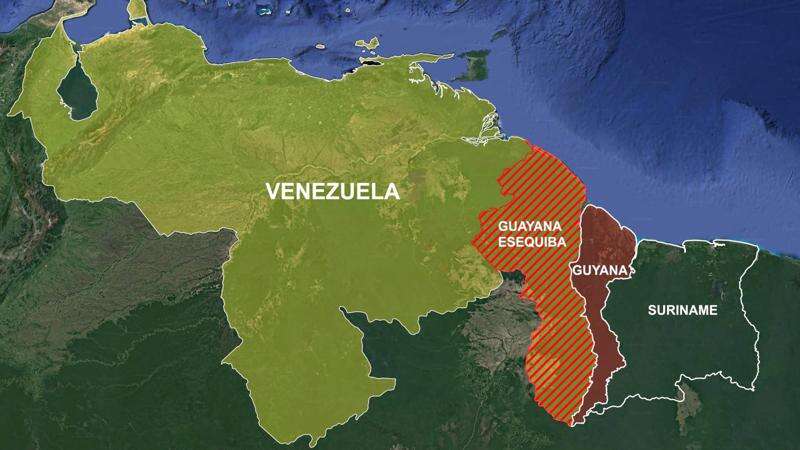
- The Essequibo region makes up about two-thirds of Guyana and is a resource-rich territory bordered by the Essequibo River to the east and Venezuela to the west, which claims it.
- “Venezuela never recognised that criminal act… the British entered our territory… and then sought to legitimise that theft,” he said.
Venezuela on Wednesday reiterated its position that the disputed Essequibo region belongs to the South American country, telling the International Court of Justice (ICJ) that its appearance before the court is necessary because Caracas “cannot remain silent in the face of a process that Guyana intends to use to unilaterally redefine both the nature of the territorial dispute and the obligations binding Venezuela and Guyana under the Geneva Agreement.”
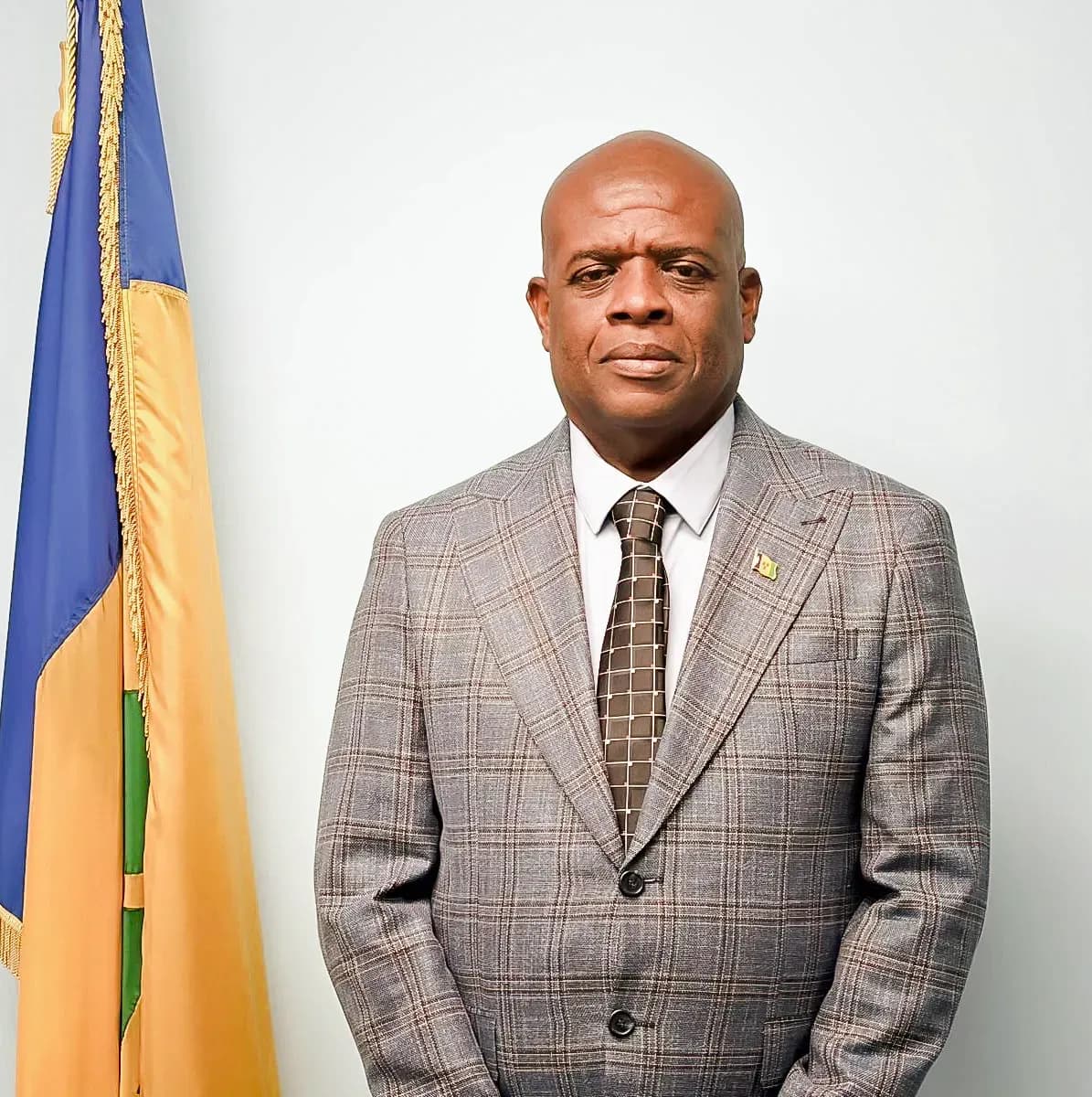
Venezuela’s representative, Samuel Moncada, told the ICJ that in a consultative referendum held on December 3, 2023, “the Venezuelan people clearly expressed their rejection of submitting this dispute to the court’s jurisdiction.”
“This reflects a consistent course of action in terms of sovereign will,” he said, adding that “Venezuela is here today to respond to Guyana’s erroneous and misleading narrative and to set straight the true legal framework of the territorial dispute and the limits imposed also by international law and the Geneva Agreement.”
Guyana brought the case before the ICJ in 2018, seeking confirmation that the 1899 Arbitral Award establishing the boundary is legally valid. Venezuela declared the award null in 1962 and revived its claim to the territory.
The case is being heard under the 1966 Geneva Agreement. The ICJ has already ruled that it has jurisdiction, clearing the way for hearings on the merits, which continue this week.
The Essequibo region makes up about two-thirds of Guyana and is a resource-rich territory bordered by the Essequibo River to the east and Venezuela to the west, which claims it.
Moncada argued Venezuela has historical rights dating back to Spanish and colonial rule, saying, “the Spanish Empire was very clear about its possessions in Guayana Esequiba and defended them against the Dutch.”
He also referenced British colonial actions, including the 1899 Arbitral Award and earlier boundary demarcations. “Venezuela never recognised that criminal act… the British entered our territory… and then sought to legitimise that theft,” he said.
Moncada said Venezuela rejects the ICJ’s jurisdiction in the dispute, arguing that “this is what led to our tradition of not recognising the jurisdiction of arbitral tribunals or courts of any kind when it comes to matters relating to our territorial integrity.”
He added that Venezuela views the Geneva Agreement as the governing framework, which “expressly recognises the existence of a territorial controversy.”
“The Geneva Agreement is an instrument of peace that encourages parties to find… a practical and satisfactory solution,” he said, arguing that Guyana’s interpretation misrepresents the agreement.
He maintained that Guyana has no undisputed title over the territory, stating: “Guyana has no established title under threat. Rather, what we see is a territorial dispute… which must be resolved in a manner that is mutually acceptable to both parties.”