Haitian Health Minister praises Cuba’s medical assistance
Key Points(5)
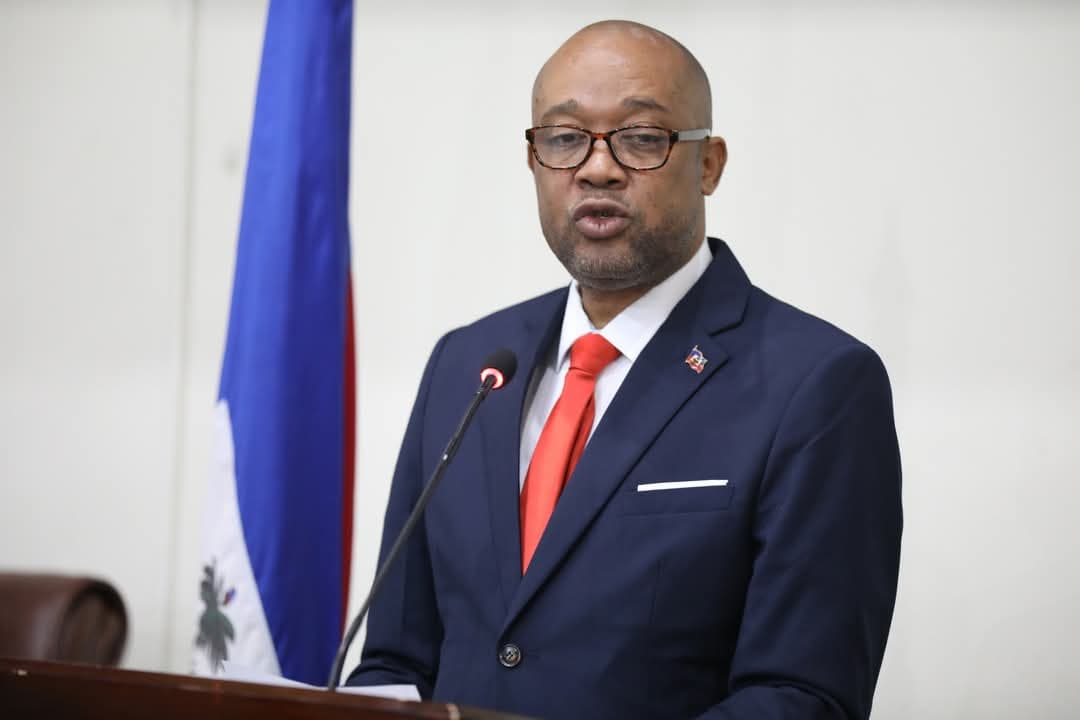
- Haitian Minister of Health Bertrand Sinal has praised Cuba’s longstanding international medical assistance, calling it a vital lifeline for nations in need, including his own.
- His remarks came during the 5th Cuba Salud 2025 Health Conference, which wrapped up on April 26 after five days of discussions involving more than 5,000 delegates from 88 countries across more than 400 activities.
- Speaking to the Cuban News Agency, Sinal underscored the importance of Cuba’s contributions through its renowned medical brigades and its efforts in training doctors from developing countries.
- He pointed to Haiti as a prime example, noting that over 2,000 Haitian doctors — himself included — have been trained in Cuba over the years.
- “Cuba is an example for Haiti to follow in its efforts to reduce maternal and infant mortality and to strive for health sovereignty through bilateral relations," Sinal said.
Haitian Minister of Health Bertrand Sinal has praised Cuba’s longstanding international medical assistance, calling it a vital lifeline for nations in need, including his own.
His remarks came during the 5th Cuba Salud 2025 Health Conference, which wrapped up on April 26 after five days of discussions involving more than 5,000 delegates from 88 countries across more than 400 activities.
Speaking to the Cuban News Agency, Sinal underscored the importance of Cuba’s contributions through its renowned medical brigades and its efforts in training doctors from developing countries. He pointed to Haiti as a prime example, noting that over 2,000 Haitian doctors — himself included — have been trained in Cuba over the years.
“Cuba is an example for Haiti to follow in its efforts to reduce maternal and infant mortality and to strive for health sovereignty through bilateral relations," Sinal said.
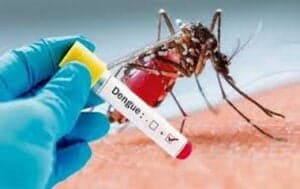
The Haitian Minister also shared that 78 Cuban doctors are currently deployed in some of Haiti’s most vulnerable areas, diagnosing and treating diseases such as malaria and dengue fever where local medical coverage remains scarce.
Sinal’s comments came at a time when Cuba’s international medical missions are under fire from the United States. In February, U.S. Secretary of State Marco Rubio announced visa sanctions against Cuban officials — both current and former — as well as any foreign government officials involved in Cuba’s labor export programs, particularly its global medical missions. The sanctions also extend to the immediate family members of those targeted.
Rubio claimed that Cuban doctors working abroad are often victims of exploitation, alleging that the Cuban government garners most of their earnings and restricts their freedoms, including seizing passports and limiting their movement. "They basically operate as forced labor in many places," he said.
Despite Washington’s criticisms, many Caribbean nations — Haiti included — continue to stand firmly behind Cuba’s health diplomacy. Several regional leaders have voiced strong support for the brigades, stressing that the assistance provided by Cuban doctors remains indispensable to their public health systems.
Grenada’s Foreign Minister Joseph Andall reinforced his country’s “legal, moral, and ethical obligation” to stand by Cuba. Additionally, Barbados’ Prime Minister Mia Mottley and St. Vincent and the Grenadines’ Prime Minister Ralph Gonsalves have expressed their willingness to give up U.S. visas in solidarity with Cuba.