Guyana-Brazil trade surges to US$1 billion as economic ties deepen
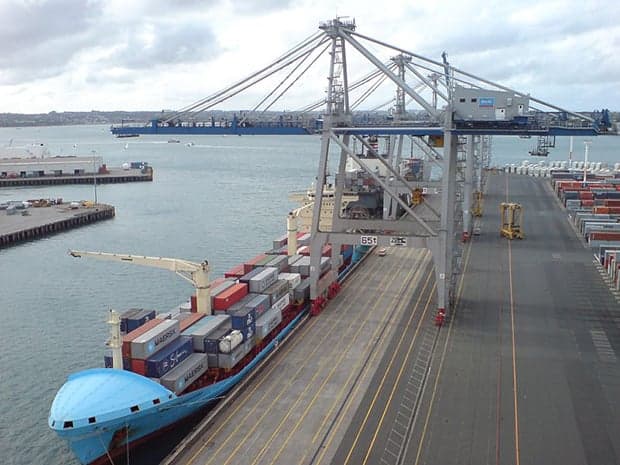
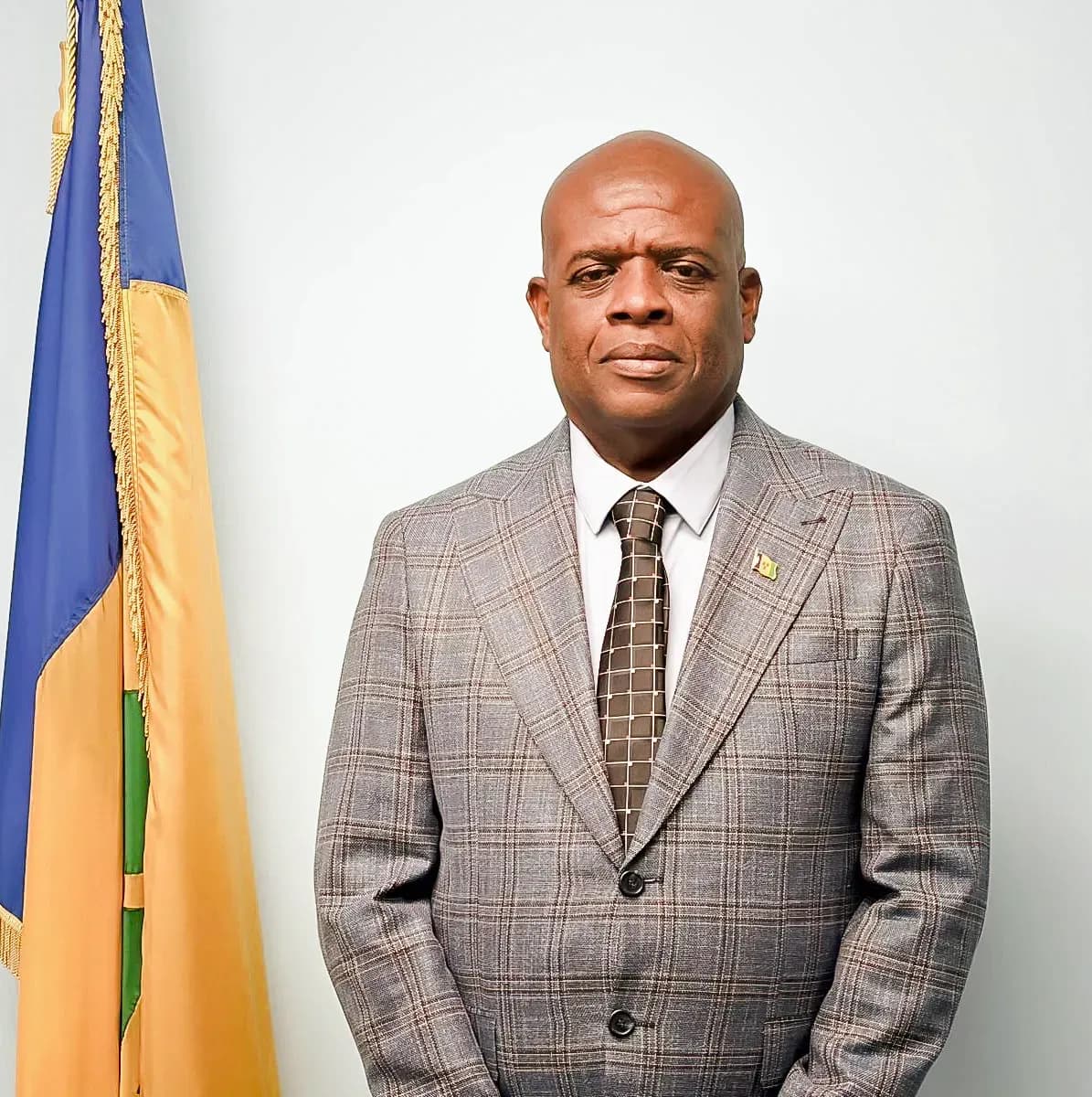
Guyana’s trade relationship with Brazil has expanded sharply, rising from about US$58 million in 2020 to an unprecedented US$1 billion in 2026, according to Brazil’s Ambassador Maria Cristina de Castro Martins.
The growth reflects increasing economic integration between the two South American neighbours, as both countries prepare for a high-level business forum aimed at boosting investment, strengthening trade links, and advancing Guyana’s engagement with the regional bloc MERCOSUR.
Speaking in an interview on 104.1 Guyana Lite FM on Wednesday, Castro Martins described the increase as a “significant expansion” in trade flows over the past four years, driven largely by complementary sectors and rising demand tied to energy, mining, and infrastructure development.
She said Guyana’s exports to Brazil remain heavily concentrated, with crude oil accounting for about 98 per cent of shipments. In contrast, Brazil’s exports to Guyana are dominated by industrial inputs, with roughly 80 per cent made up of machinery and equipment for construction, extractive industries, oil production, and mining.
“The trade relations between both countries have been expanded significantly in recent years. The trade flow, which was around US$58 million in 2020, now reached US$1 billion,” the ambassador said.
The comments come ahead of a high-level business forum scheduled for Monday, May 11, hosted by the World Trade Centre Georgetown in collaboration with the Embassy of Brazil. The event is expected to highlight new trade and investment opportunities while reinforcing Brazil’s support for deeper economic and institutional engagement between Guyana and MERCOSUR, where Guyana currently holds associate status.
Castro Martins said a visiting Brazilian delegation will attend the forum to signal support for strengthening bilateral relations and encouraging structured discussions on Guyana’s potential deeper integration into MERCOSUR. She added that Brazil would support exploratory talks among member states and Guyana aimed at developing a balanced and mutually beneficial trade arrangement, should Georgetown pursue closer integration.
“The seminar next week will be held to better understand the trade and investment opportunities that MERCOSUR can offer to Guyana’s businessmen,” she said, noting that the initiative is intended to broaden awareness within the private sector.
Beyond trade figures, the ambassador framed the relationship within a broader strategic context, pointing to Guyana’s position as a “gateway to the Caribbean” and Brazil’s role as a natural bridge to South American markets. She argued that improved connectivity could benefit both economies and support diversification of trade flows.
“We need to profit from this position, which is very strategic for both countries,” she said, adding that trade has historically been concentrated in limited sectors and regions. “It’s time to expand, to have new provinces in our trade relations.”
Castro Martins also referenced Brazil’s wider international relationships, including its ties with the United States, while stressing the importance of respecting differing political systems and maintaining cooperation across the Americas.
She said, however, that regional diversification remains a priority, with increased emphasis on strengthening ties within South America and the Caribbean through expanded commercial and institutional engagement.
The upcoming forum is expected to serve as a key platform for advancing these goals, with government and private sector stakeholders anticipated to explore new opportunities for investment, logistics integration, and market expansion between the two rapidly growing economies.