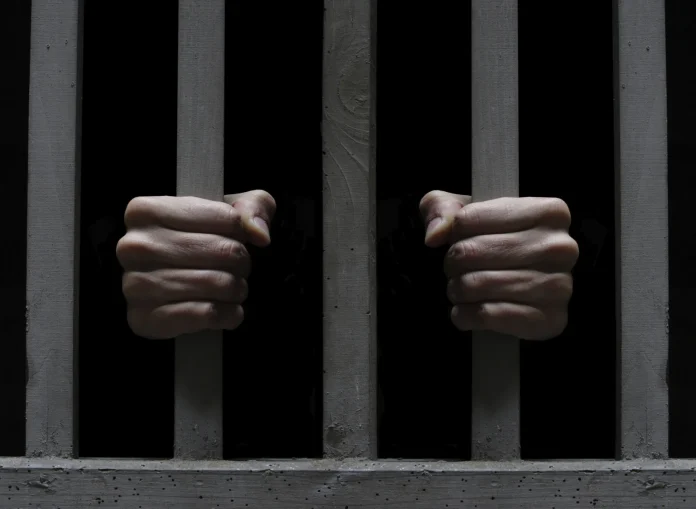
The 2021-2022 period marked a grim increase in custodial deaths in Jamaica, with the number rising to fourteen, a significant increase compared to the five recorded in the 2019-2020 period.

This is according to the Independent Commission of Investigations (INDECOM)’s second quarterly report tabled in Parliament on Tuesday.
INDECOM’s report details various aspects such as the age, duration of custody, and reasons for detention, providing a comprehensive view of the circumstances in detention facilities.

The causes: Illness and violence
Illness emerges as a predominant factor, accounting for a majority of the deaths, with ten individuals succumbing to various health issues, some of which were long-term and previously undetected.
Heart disease and complications from high blood pressure, kidney disease, and HIV were prominent among the causes.
Additionally, it was revealed that three individuals ended their own lives while in custody, and one inmate died as a result of violence.

All deceased individuals were adult males aged between 31 and 56 years. The murdered inmate was 56 years old and sustained multiple broken ribs, a lung contusion, and lung infection due to severe assault.
Examining the conditions: A closer look at facilities and care
Reports are that on average, five inmates die in police custody in Jamaica annually – a relatively low figure given the high population of detainees.
INDECOM’s report draws attention to the inadequacy of the Jamaica Constabulary Force (JCF) in effectively caring for the unwell, highlighting the lack of timely and sufficient medical treatment, and the return of hospitalized inmates to unsatisfactory conditions.

Recommendations: A path forward
Below are recommendations proposed by INDECOM to improve the overall conditions within detention facilities.
• Overcrowding requires intervention at a strategic level and the JCF cannot address the issue in isolation. Overcrowding creates the ‘deplorable’ conditions identified by the Police Civilian Oversight Authority, and in which many lock-up prisoners are detained. Funding should be made available to ensure bathroom and toilet facilities are repaired, fully operational, and regularly cleaned.
• The JCF lock-up should not be utilized to detain a prisoner long-term. Where prisoners are remanded by the courts and are awaiting trial, purpose-built remand institutions (should be utilized). The JCF is ill-equipped to manage long-term detention in the numbers it currently does.
• The JCF lock-up should not be utilized to detain prisoners who are sick or very sick. There are, self-evidently, many more prisoners who are unwell but do not die, and thus remain unseen by medical personnel. The lock-ups are not conducive to administering effective medical care or ensuring recovery.
• The return of seriously ill prisoners to the police station (who, in many instances are quite incapable of being a threat to any person) should be re-considered. Either bail or retention in hospital for such ill prisoners is to be considered.
• Greater record-keeping and recording of the decision-making in such critical cases should be utilized.