Zika virus hit Florida three months before infections showed up

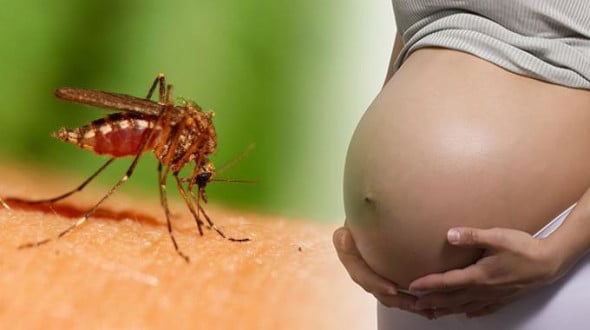
The Zika virus began spreading in Florida mosquitoes about three months before infections showed up in the Miami area last summer, and the virus likely was carried in by travelers from the Caribbean, new research suggests.

- Advertisement -
Journey to Kingston-728x90

Mosquitoes there started picking up the virus from infected travelers as early as March last year, according to scientists who examined genetic information from samples from about 30 people with Zika as well as from mosquitoes. It wasn’t until July that Florida health officials said they had detected a local infection — the first in the U.S. mainland. Mosquitoes spread Zika by biting someone who is infected, then biting another person.

The bugs may have been causing infections in Miami as early as March, researcher Kristian Andersen of the Scripps Research Institute in La Jolla, California, said. But there were likely few cases before July, and it’s not clear any of them sought treatment, he said.

Most people infected with Zika don’t get sick. It can cause a mild illness, with fever, rash and joint pain. But infection during pregnancy can lead to severe brain-related birth defects in babies.

Andersen said it likely took mosquitoes biting 30 to 40 infected travelers to produce the outbreak that flared last year in Florida. Most of the 256 cases reported in the Florida outbreak did not occur until late summer, he added. Health officials declared Miami-Dade County clear of continuing Zika infections by December, though isolated infections have continued, including this year.

Zika that spread in Florida mosquitoes mainly came from the Caribbean, the genetic information studied indicated. About 3 million travelers arrived in Miami from the Caribbean during the first half of 2016. About 2.4 million of them came on cruise ships, but it’s not clear that cruise ship passengers were the main spark in the Florida outbreak, Andersen said.

The Florida research was one of three papers on Zika published Wednesday in the journal Nature. The two others concluded there was a lag of six to 12 months between Zika’s arrival and its detection in Brazil in 2015 and other parts of South America.

Three new cases of zika virus reported in Miami-Dade

More Stories

Antigua to amend law to fine those who use marijuana in Public

Two different perspectives on cannabis use in sports

At his 2021 Pro Football Hall of Fame enshrinement, legendary Detroit Lions wide receiver Calvin Johnson issued a direct challenge to the world of...
heatwaves climate crisis Caribbean

Skin Cancer Awareness Month highlights sun exposure risk

The Caribbean is defined by its sunshine—beaches, tourism, outdoor living, and year-round heat. But that same sun exposure is also driving a health issue...
hypertension

Why hypertension remains one of the Caribbean’s deadliest health threats

Ahead of World Hypertension Day, health experts are again warning that hypertension—often called the “silent killer”—remains one of the region’s most persistent and underestimated...
flu Caribbean

Caribbean reaches 95% childhood vaccination target

Childhood vaccination coverage across the Caribbean has reached the 95 percent regional target, up from 92 percent in 2022, marking a major milestone in...
vaccination Broward county

PAHO urges vaccination push as measles cases surge across the Americas

The Pan American Health Organization (PAHO) is calling on countries across the region to intensify immunization campaigns during Vaccination Week in the Americas, running...
breastfeeding of newborn babies

WHO certifies The Bahamas for eliminating mother-to-child transmission of HIV

The World Health Organization (WHO), alongside the Pan American Health Organization (PAHO), has congratulated The Bahamas Ministry of Health and Wellness for achieving certification...

Simple tips to protect your teeth and gums every day

Daily dental care doesn't have to be complicated. In fact, small, consistent habits often have the biggest impact on your oral health. A healthy...
Waterborne diseases

A guide to preventing the spread of waterborne diseases at home

Waterborne diseases are more common than many people realize, especially in homes where water hygiene is not carefully maintained. Ingesting or coming into contact...
mental health counseling

Caribbean nations showing major gains in mental health, disaster preparedness, says PAHO

Caribbean countries are emerging as key bright spots in the Pan American Health Organization’s (PAHO) 2025 Annual Reports, with major advances in mental health...

School food choices driving childhood obesity in Jamaica and the Caribbean, PAHO warns

The food children eat at school is shaping lifelong health habits, contributing to rising obesity rates and diet-related diseases in Jamaica and across the...

Latest Articles