



The World Health Organization (WHO) has updated its Model Lists of Essential Medicines (EML) and Essential Medicines for Children (EMLc), adding new treatments for cancer, diabetes, obesity, and blood-related disorders.

The revised lists, released Monday, mark the 24th edition of the EML and the 10th edition of the EMLc. They now include 523 medicines for adults and 374 for children, reflecting urgent global health needs. More than 150 countries, including several in the Caribbean, use the lists as a foundation for public sector procurement, health insurance coverage, and reimbursement schemes.
Among the key additions are PD-1 and PD-L1 immunotherapy drugs—including pembrolizumab, atezolizumab, and cemiplimab—for the treatment of metastatic cervical, colorectal, and non-small cell lung cancers. WHO experts said only medicines proven to extend survival by at least four to six months were recommended.

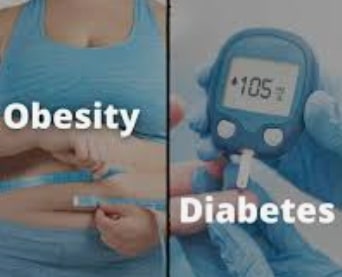
Diabetes and obesity were also identified as pressing global concerns, with more than 800 million people living with diabetes and over a billion affected by obesity. To address this, WHO added GLP-1 receptor agonists—semaglutide, dulaglutide, liraglutide—and the dual GLP-1/GIP agonist tirzepatide. These drugs not only improve blood sugar control but also reduce cardiovascular and kidney complications while supporting weight loss.
However, the WHO cautioned that the high cost of these medicines remains a barrier to access. The agency urged countries to prioritize patients who would benefit most, encourage generic competition to lower prices, and integrate these treatments into primary care—particularly in underserved regions.
“The new editions of the essential medicines lists represent a significant step towards expanding access to new drugs with proven clinical benefits and high potential for global impact on public health,” said Dr. Yukiko Nakatani, WHO’s Assistant Director-General for Health Systems, Access and Data.
WHO also emphasized the need for evidence-based strategies to make cancer treatment more affordable, such as dose optimization, while continuing to push for fair pricing of diabetes therapies.
“Achieving equity in access to essential medicines requires a coherent response from the health system, backed by strong policy, multisectoral collaboration, and people-centred programs that leave no one out,” said Deusdedit Mubangizi, WHO’s Director of Policy and Standards of Medicines and Health Products.
The updates followed the WHO Expert Committee’s review of 59 applications, including 31 proposals for new medicines or therapeutic classes. In total, 20 medicines were added to the EML, 15 to the EMLc, along with new approved uses for seven existing drugs.









 has updated its Model Lists of Essential Medicines, adding new treatments for cancer, diabetes, obesity.)