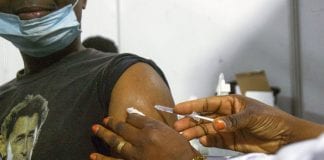
November is American Diabetes Month, a reminder that this chronic disease continues to pose a growing challenge worldwide—and the Caribbean is no exception. Despite our region’s sunny disposition and active lifestyles, diabetes quietly affects thousands of lives, straining families, communities, and health systems.
According to the International Diabetes Federation (IDF), roughly 12.5% of adults in Jamaica are living with diabetes, while estimates across the North America and Caribbean region suggest more than 56 million adults are affected. Many cases remain undiagnosed; studies indicate that up to one in three adults with diabetes in the Caribbean may not even know they have the condition. The consequences are serious, including blindness, kidney disease, heart complications, and amputations, not to mention the economic burden on individuals and public health systems.
Several factors contribute to the rise of diabetes in the Caribbean. Dietary changes, including increased consumption of sugar-sweetened beverages and processed foods, sedentary lifestyles, obesity, and genetic predispositions all play a role. Adolescents are increasingly at risk, and health experts warn that early intervention is crucial to preventing long-term complications.

Prevention and management are achievable with awareness, early diagnosis, and lifestyle changes. Regular screening, a balanced diet rich in fruits and vegetables, maintaining an active lifestyle, and adherence to prescribed medications can dramatically reduce the disease’s impact. November, anchored by World Diabetes Day on November 14, offers an opportunity for communities, healthcare providers, and policymakers to come together to strengthen education, screening campaigns, and access to care.
Diaspora communities also have a role to play. By supporting local initiatives, funding community programs, and promoting awareness among Caribbean populations abroad, they can help address both immediate and long-term needs.
For individuals, knowing your risk factors, getting tested, and making lifestyle changes are essential first steps. For governments and health systems, investing in early detection programs, providing affordable medications, and supporting public education campaigns remain priorities.
Diabetes is a complex but manageable disease. With coordinated action, awareness, and vigilance, the Caribbean can curb its rise and ensure healthier futures for its communities. November serves as a reminder: the time to act is now.