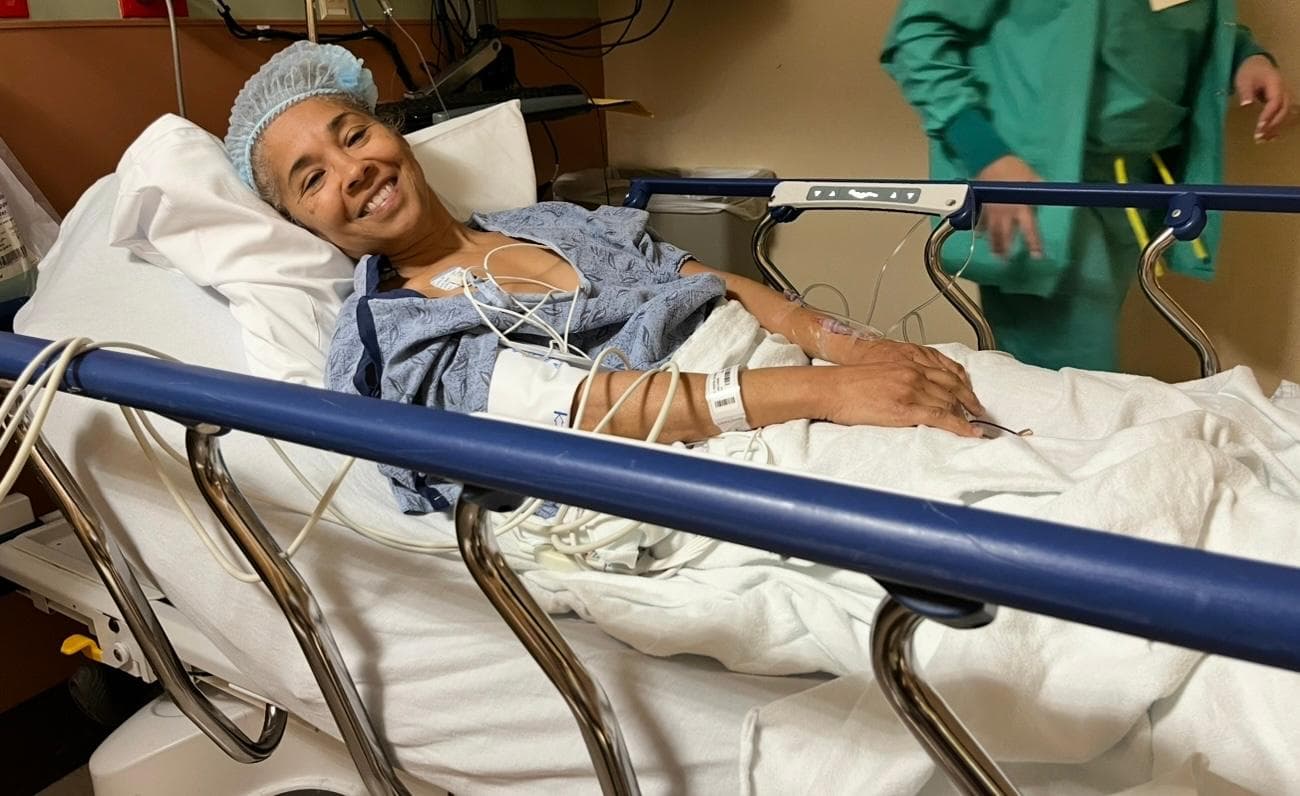
Tips for living with Endometriosis
Key Points(5)
- <span style="font-weight: 400;">It’s Endometriosis Awareness Day and the start of Endometriosis Awareness Month.
- This condition is prevalent among women, yet not much is known about it.</span> <span style="font-weight: 400;">According to Healthline, endometriosis occurs when tissue similar to the lining of the uterus (endometrium) grows in other places in the body.
- It’s estimated that 10 to 15 percent of women of reproductive age are affected with this condition.</span> <span style="font-weight: 400;">If you’ve been diagnosed with endometriosis, you can relate to the challenges this debilitating condition may pose.
- However, that doesn’t mean you can’t live a happy life.
- </span> <b>Here are some tips provided by Healthline to help you cope with endometriosis:</b> <b>Change your diet</b> <span style="font-weight: 400;">Healthline states that researchers are still looking at how nutrition may affect endometriosis.
It’s Endometriosis Awareness Day and the start of Endometriosis Awareness Month. This condition is prevalent among women, yet not much is known about it.
According to Healthline, endometriosis occurs when tissue similar to the lining of the uterus (endometrium) grows in other places in the body. It’s estimated that 10 to 15 percent of women of reproductive age are affected with this condition.
If you’ve been diagnosed with endometriosis, you can relate to the challenges this debilitating condition may pose. However, that doesn’t mean you can’t live a happy life.
Here are some tips provided by Healthline to help you cope with endometriosis:
Change your diet
Healthline states that researchers are still looking at how nutrition may affect endometriosis. However, eating some foods may help lessen the pain and inflammation associated with endometriosis. These include:
- fresh fruits and vegetables
- whole grains
- nuts
- fatty fish, such as salmon and herring
Foods that may negatively impact you may include:
- foods such as dairy, beans, and onions
- red meat
- saturated and trans fats
- gluten
- caffeine
- alcohol
Reduce your stress
Endometriosis can make you overwhelmed. However, you need to take care of your mental health. Stress is common with endometriosis and stress management may help you better manage your symptoms. You can try reducing your stress by:
- finding a hobby that you enjoy
- reading a book
- spending time with family and friends
- listening to calming music
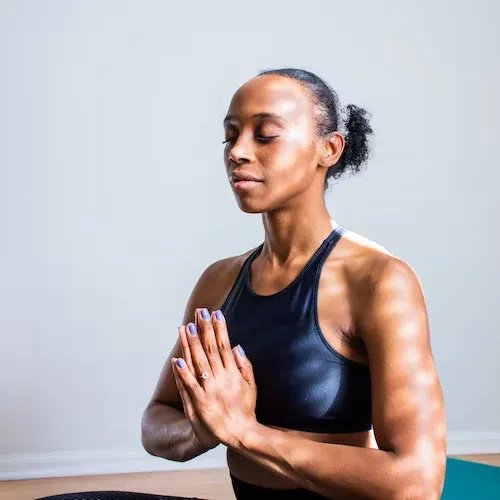
- trying meditation and breathing techniques
Stay physically active
Exercise is good for coping with challenging situations. It’s recommended that you exercise for your overall health. Staying active can release endorphins or feel-good hormones, which can be a natural pain reliever. Regular exercise will help with:
- improving cardiovascular health
- maintaining healthy muscles and bones
- reducing pain
- managing weight
- boosting energy levels
- lifting mood
- helping you to sleep better
Seek support
While endometriosis can also affect you mentally and emotionally, try not to isolate yourself from others. Instead, seek support from those around you or professional help if needed. This includes:
- telling loved ones how you’re feeling, and how they can best support you
- learning about endometriosis and its different treatment strategies
- talking with a mental health professional to address symptoms of anxiety or depression
- joining a support group
Living with endometriosis can be a constant struggle. However, these tips may help you find effective ways to cope to best manage your symptoms.