



The Ministry of Health and Wellness in Jamaica is making significant strides in managing sickle cell disease (SCD), focusing on comprehensive screening and early interventions.

This genetic disorder impacts approximately one in every 170 individuals in Jamaica, with one in 10 carrying the trait.
The ministry’s dedicated efforts aim to enhance the quality of life for those affected by ensuring they receive timely care and support.

Achievements in newborn screening
In 2022, the Ministry achieved a milestone by screening 99.7 per cent of newborns for sickle cell disease across both public and private healthcare facilities, totaling 31,806 babies.
Building on this success, 2023 saw an increase to 99.9 per cent coverage, with 28,898 newborns screened.
These high coverage rates reflect the ministry’s commitment to early detection of the disease, which is crucial for reducing complications and improving patient outcomes.
Early detection and intervention
Dr. Carol Lord, the National Sickle Cell Programme Coordinator at the Ministry, emphasizes the importance of early detection.
By identifying the disease in newborns, the ministry can initiate timely interventions that significantly lessen the risk of severe complications.
Specialized care is coordinated through parish coordinators and the Sickle Cell Unit, ensuring that those diagnosed receive comprehensive management.

Life-course strategy and support measures
The Ministry’s approach encompasses a life-course strategy, which includes screening all pregnant women and their newborns, as well as testing the general population as clinically necessary.
The first five years of life are particularly critical for managing sickle cell-related complications.
Through proactive measures such as screening and vaccination, the ministry aims to prevent many potential deaths.
Vaccination and childcare guidance
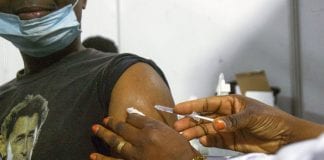
In addition to screening, the Ministry provides essential vaccinations, including the pneumococcal vaccine, administered in five doses annually.
This vaccine is crucial for protecting infants and young children from severe diseases such as pneumonia, meningitis, and bloodstream infections.
If not covered by the ministry, this vaccination would cost parents over $100,000.
Moreover, the Ministry has developed a childcare guidance chart to assist healthcare workers in managing children with sickle cell disease, tailoring interventions to different life stages.
Enhanced antenatal care for at-risk pregnant women
Pregnant women identified as at increased risk for sickle cell complications are screened during their antenatal care.
This ensures that any potential complications can be managed effectively during pregnancy and delivery.









, focusing on)