



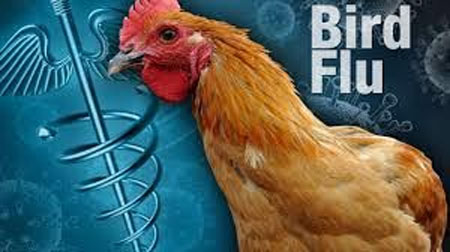
The spread of bird flu (H5N1) in the United States has raised significant concerns, especially due to recent reports of severe human cases and unusual instances of infection in animals, particularly cats. One troubling aspect of the outbreak is that a sample of the virus taken from a critically ill patient in Louisiana showed signs of genetic mutations that might help it adapt to human airways. While these changes were found in a small portion of the virus in the patient’s throat, there is currently no indication that the mutation has spread beyond this individual.
This development is particularly alarming because the H5N1 virus, which primarily affects birds, has shown the potential for occasional human transmission, typically with close contact with infected animals. However, the ability of the virus to mutate in ways that improve its ability to infect human cells could pose a greater risk if it leads to sustained human-to-human transmission.
The elderly patient in Louisiana, who was reported to be in critical condition earlier this month, is one of the notable cases. Public health authorities, including the Centers for Disease Control and Prevention (CDC), are closely monitoring the situation. While the mutated virus has not yet led to a wider outbreak, these genetic changes underscore the importance of vigilance in monitoring potential shifts in the virus that could lead to more severe public health threats.

The CDC’s investigation into the recent H5N1 outbreak emphasizes that the mutations observed in the virus have not been detected in birds, including the backyard poultry flock linked to the Louisiana patient’s initial infection. Instead, the CDC suggests that these genetic changes likely occurred during the virus’s replication in the patient, who had advanced disease. Notably, no evidence of human-to-human transmission of the mutated strain has been found so far.
Despite this, the CDC has reported 65 confirmed human cases of H5N1 in 2024, though the true number may be higher, especially among dairy and poultry workers, where cases might go undetected. The widespread circulation of the virus raises concerns, as experts like Dr. Rasmussen warn that it could increase the risk of the virus mixing with seasonal influenza strains. Such interactions could lead to “rapid evolutionary leaps” in the virus, potentially giving rise to new variants that might trigger pandemics, much like the 1918 Spanish flu and the 2009 H1N1 pandemic. This highlights the need for ongoing surveillance and preparedness to prevent a more severe public health crisis.
The rising number of bird flu (H5N1) infections in cats is a growing concern for public health experts. In Oregon, a cat that consumed raw pet food contaminated with the virus died, prompting a recall of Northwest Naturals’ Feline Turkey Recipe raw and frozen pet food. The cat, which was strictly an indoor pet, had no direct exposure to the virus in its environment. Genome sequencing revealed that the virus in the contaminated pet food was identical to the strain found in the cat, raising concerns about the potential for cats to contract the virus through contaminated food.
In Washington State, the issue expanded further when 20 big cats at a sanctuary succumbed to bird flu after being exposed to the virus. The Wild Felid Advocacy Center of Washington reported these deaths on Facebook, underscoring the risk of the virus affecting various cat species, not just domestic pets.
Dr. Rasmussen has raised alarms about the potential for infected outdoor cats to return home and inadvertently expose humans to the virus. Since cats, especially those with outdoor access, can come into close contact with humans, there is a risk that they could become intermediaries for the virus, potentially leading to human infections, especially if the virus mutates to better adapt to human transmission. This reinforces the need for heightened vigilance in managing both animal and human exposure to the virus.
“If you have an outdoor cat that gets H5 from eating a dead bird,” she explained, “and that cat comes back into your house and you’re snuggling with it, you’re sleeping with it… that creates additional exposure risk.”











 in the United States has raised significant concerns, especially due to recent reports of severe human cases)